
 Layla Zulfa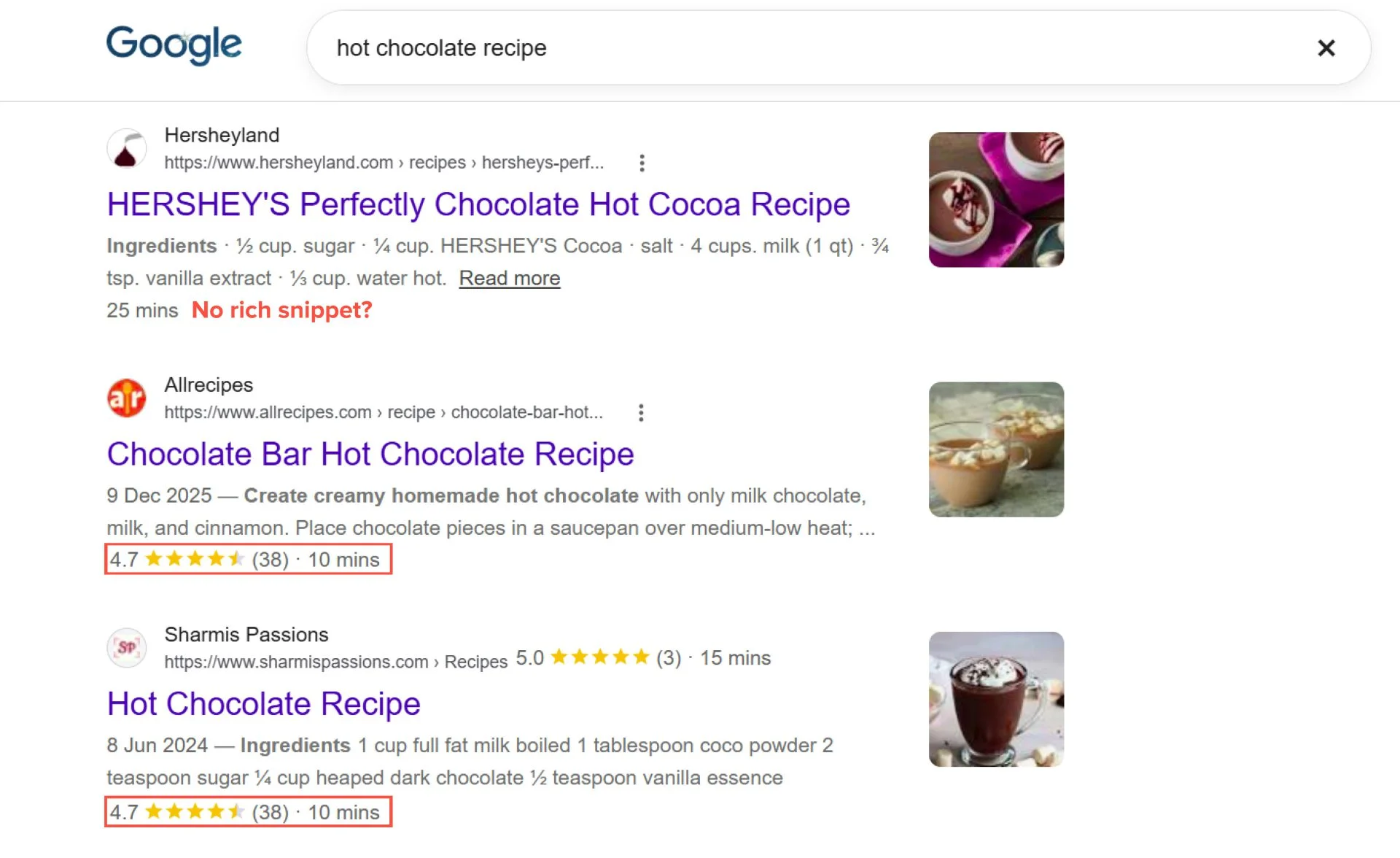
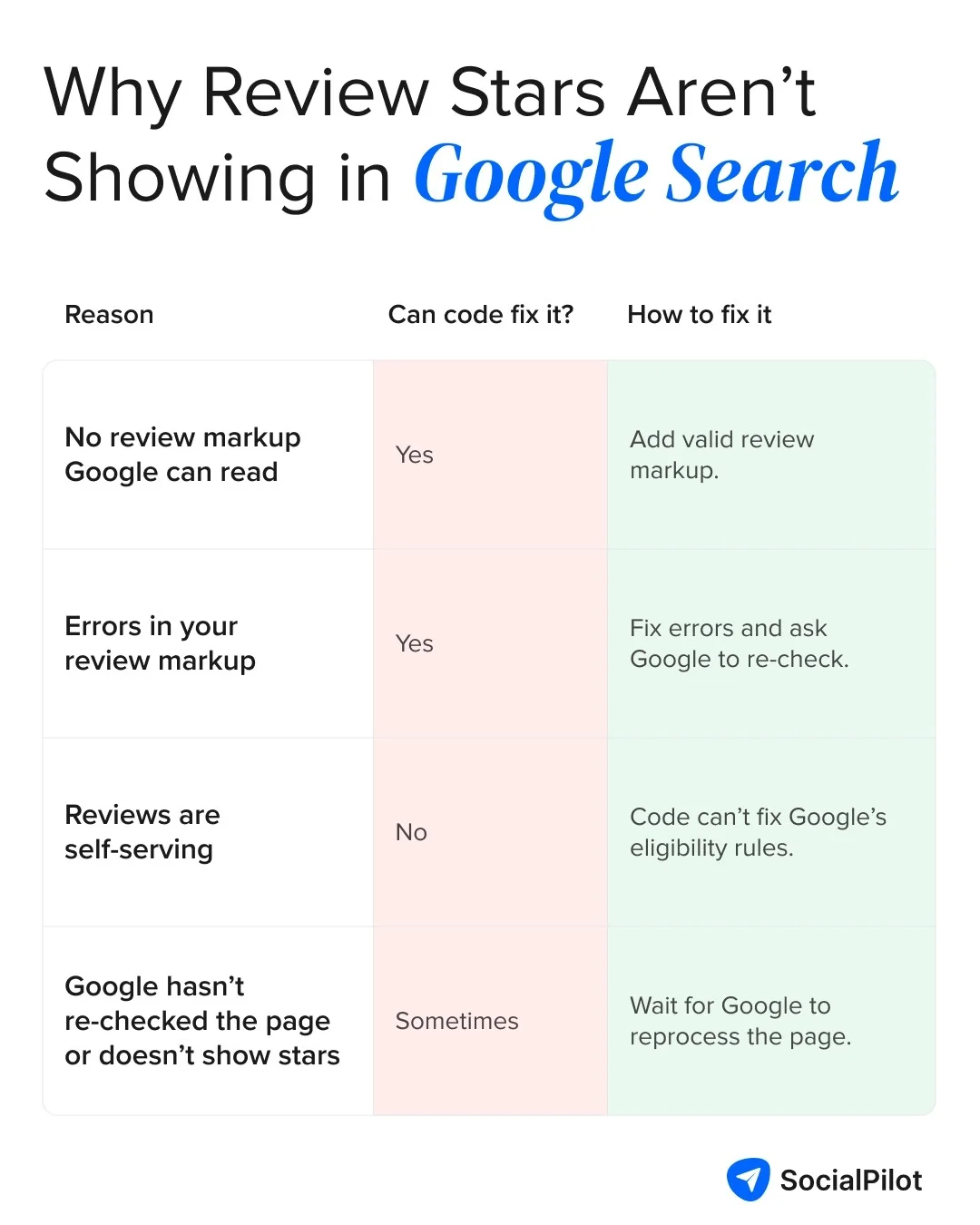
You’ve invested time into gathering glowing testimonials, meticulously displayed them on your landing pages, and even implemented the correct schema markup. Yet, when you search for your business on Google, the coveted golden star ratings are nowhere to be found.
It is a common frustration for business owners and digital marketers alike. The absence of these "review snippets" in search engine results pages (SERPs) can feel like a direct hit to your click-through rates and brand credibility. However, the solution is rarely as simple as tweaking a line of code. To understand why your star ratings are missing, we must peel back the layers of Google’s evolving guidelines, technical requirements, and the controversial "self-serving" review policy.
The Anatomy of the Problem: Why Google Withholds Stars
The first step in troubleshooting is diagnostic. It is critical to distinguish between a technical failure on your website and an eligibility failure dictated by Google’s search algorithms.
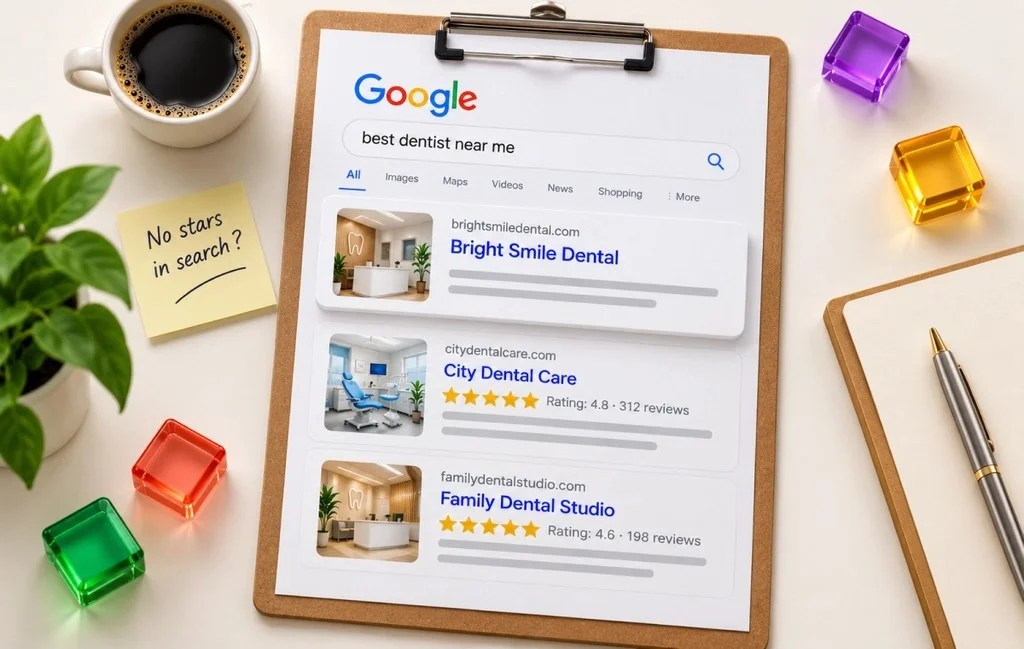
Google does not guarantee star ratings for any website. Even if your markup is flawless, Google’s documentation explicitly states: "We may show a rich snippet that includes stars." This means that even with perfect implementation, the display of stars remains at the discretion of the search engine.
Distinguishing Between Platforms
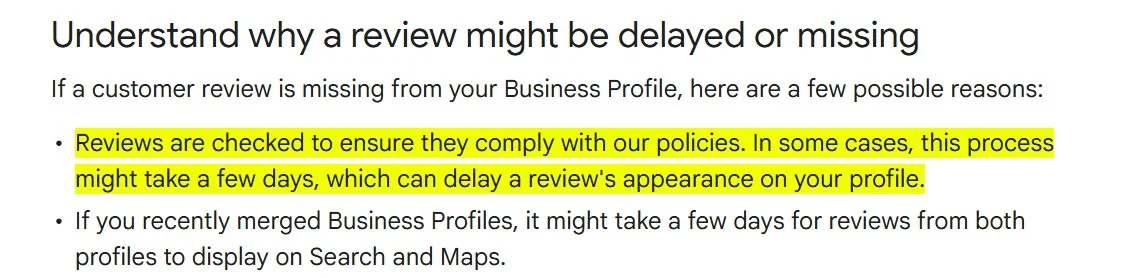
Before auditing your website, confirm where the issue lies. If you are noticing that a specific review left on your Google Business Profile (GBP) is missing, this is a separate issue. Google’s internal verification process ensures that all reviews comply with their policies regarding spam, hate speech, and conflicts of interest. This process can take several days. If your issue is purely about the star ratings on your own website, you are likely dealing with a "review snippet" eligibility problem.
A Chronological Shift: The 2019 Policy Pivot
To understand the current landscape, one must look at the historical context. Prior to 2019, it was a common SEO strategy to add schema markup to a homepage, effectively "forcing" stars to appear alongside the brand name in search results.
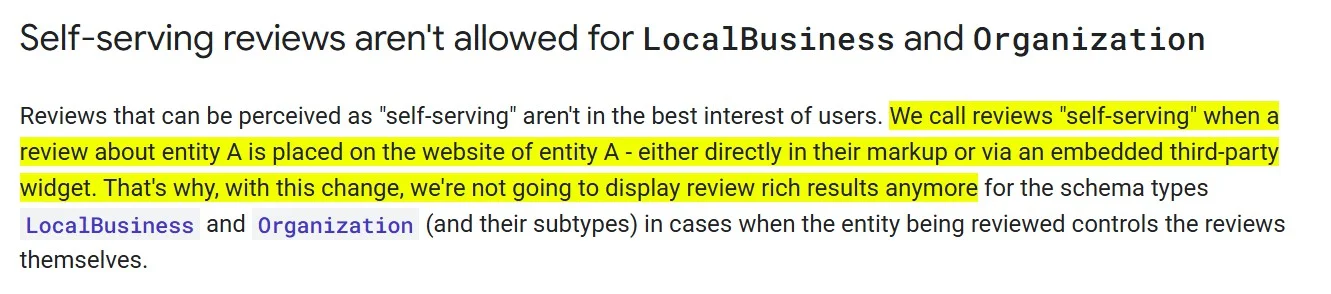
On September 16, 2019, Google fundamentally changed the rules of the game. The search giant announced that "self-serving" reviews—reviews about an entity published on that same entity’s website—would no longer be eligible for rich results. This was a move to prevent businesses from gaming the system by cherry-picking reviews or generating fake testimonials to occupy more real estate on the search results page.
This change was not retroactive in terms of penalties, but it effectively rendered most homepage review schema useless for triggering stars.
Technical Barriers: Schema Markup and Parsing Errors
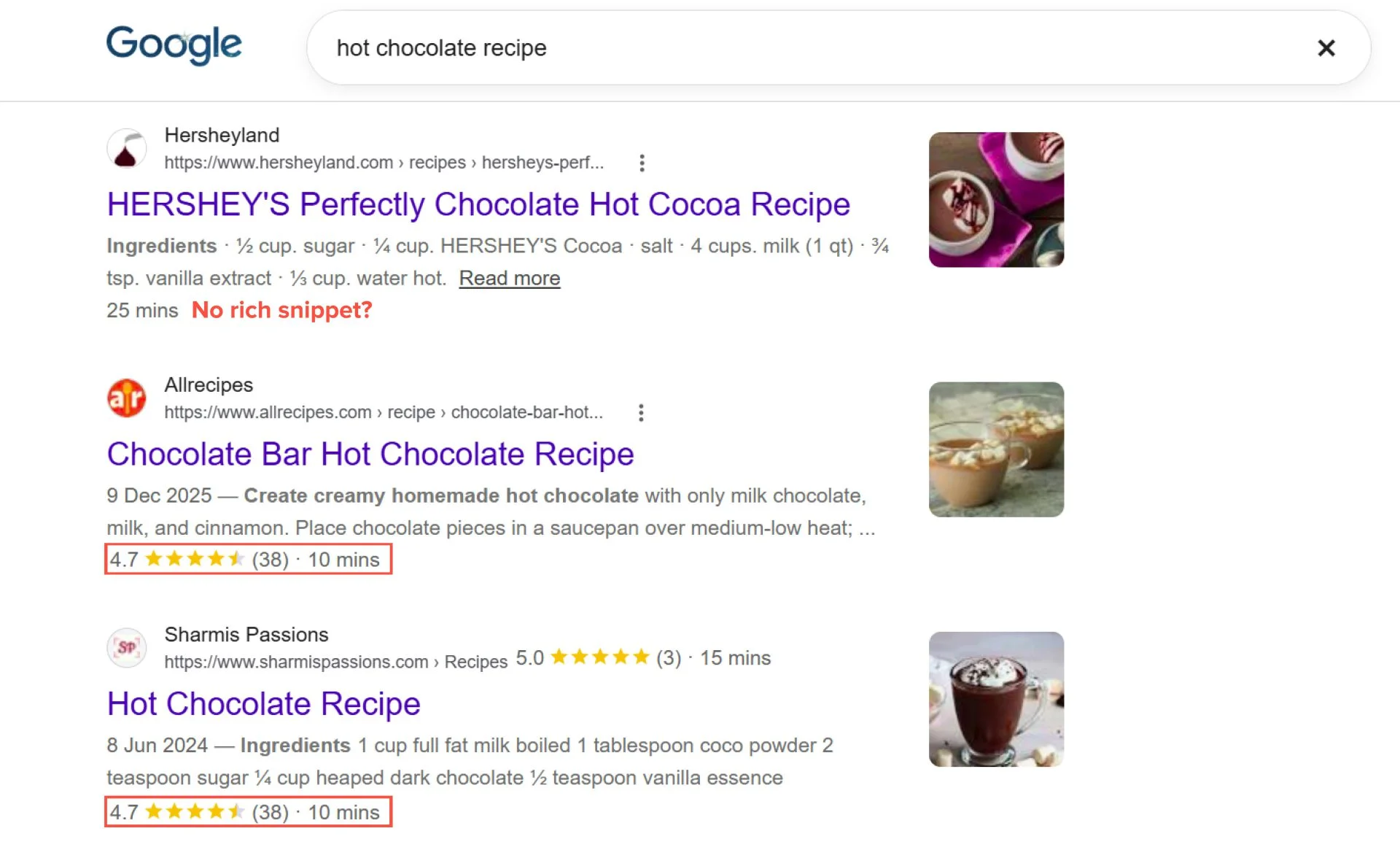
If you are confident your content is not "self-serving" (for example, if you are a product-based e-commerce store), the issue may be purely technical. Google requires structured data (schema markup) to "read" your reviews. Without this JSON-LD or microdata, the search engine sees your reviews as nothing more than plain text.
The Essential Data Points
Google’s search crawlers look for specific properties within your schema. If any of these are missing, the code becomes invalid:
- The Reviewer’s Name: Google requires a valid author.
- The Item Being Reviewed: The schema must clearly define what is being rated.
- The Rating Value: A numerical score is mandatory.
- The Scale: You must define the
bestRatingandworstRatingto give the score context.
If your plugin or developer has left out even one of these fields, Google will ignore the entire block of code. Furthermore, the aggregate rating must be visible to the user on the page. If the schema claims a 4.8-star rating but a human visitor cannot find that information on the page, Google will deem the page non-compliant.
Diagnostic Steps: Identifying the Root Cause
To solve this, you need to use the tools provided by the search giant itself.
1. The Rich Results Test
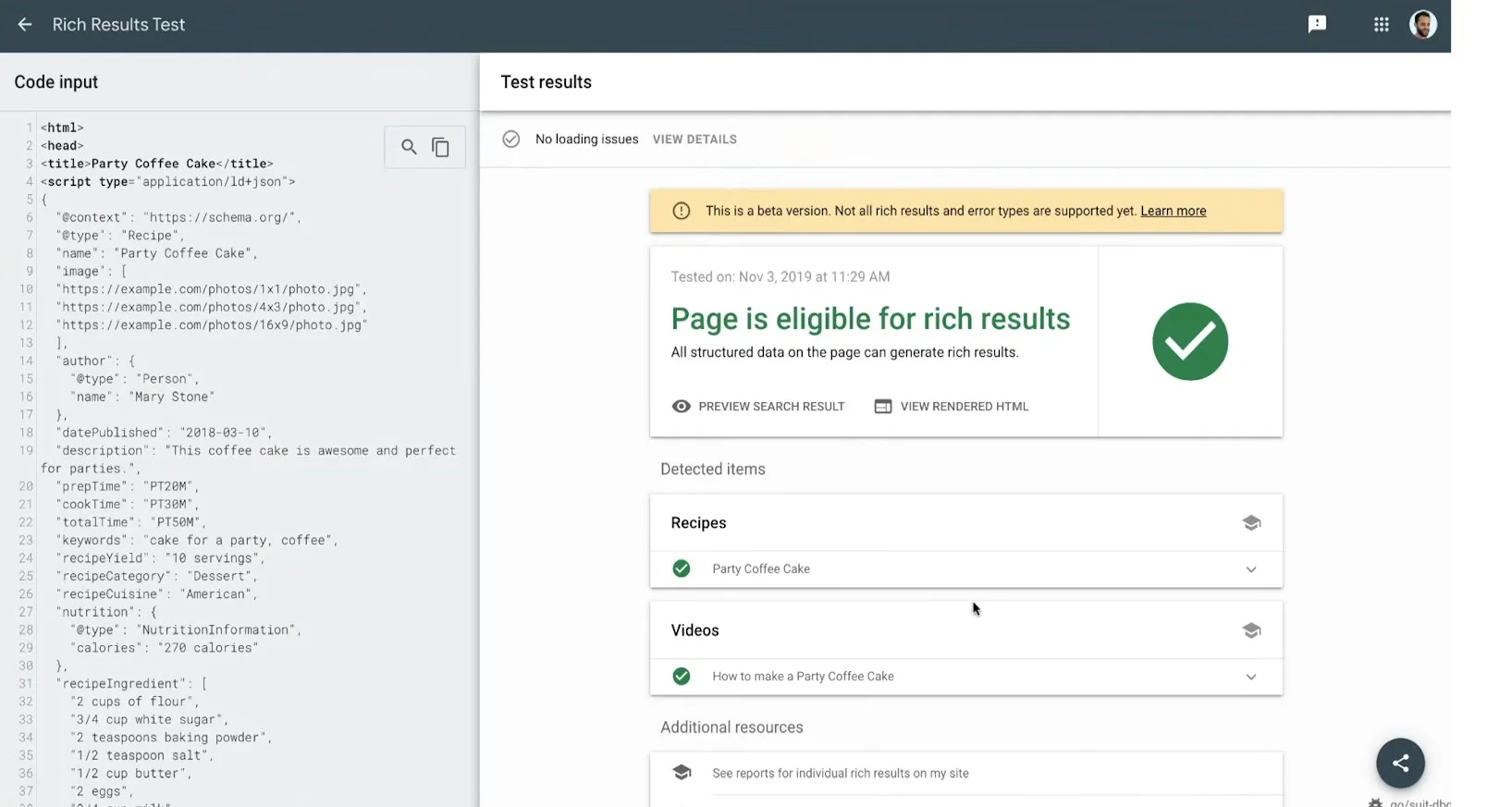
The most immediate diagnostic tool is the Google Rich Results Test. By inputting your URL, you can see exactly what Google’s parser sees.
- Syntax Errors: If the test fails, you have a coding error. This is the "easy" fix.
- Logical Errors: If the test says "Review snippet is valid" but you still don’t see stars, you are likely hitting the "self-serving" policy or a lack of crawl priority.
2. Search Console: The Long-Term View
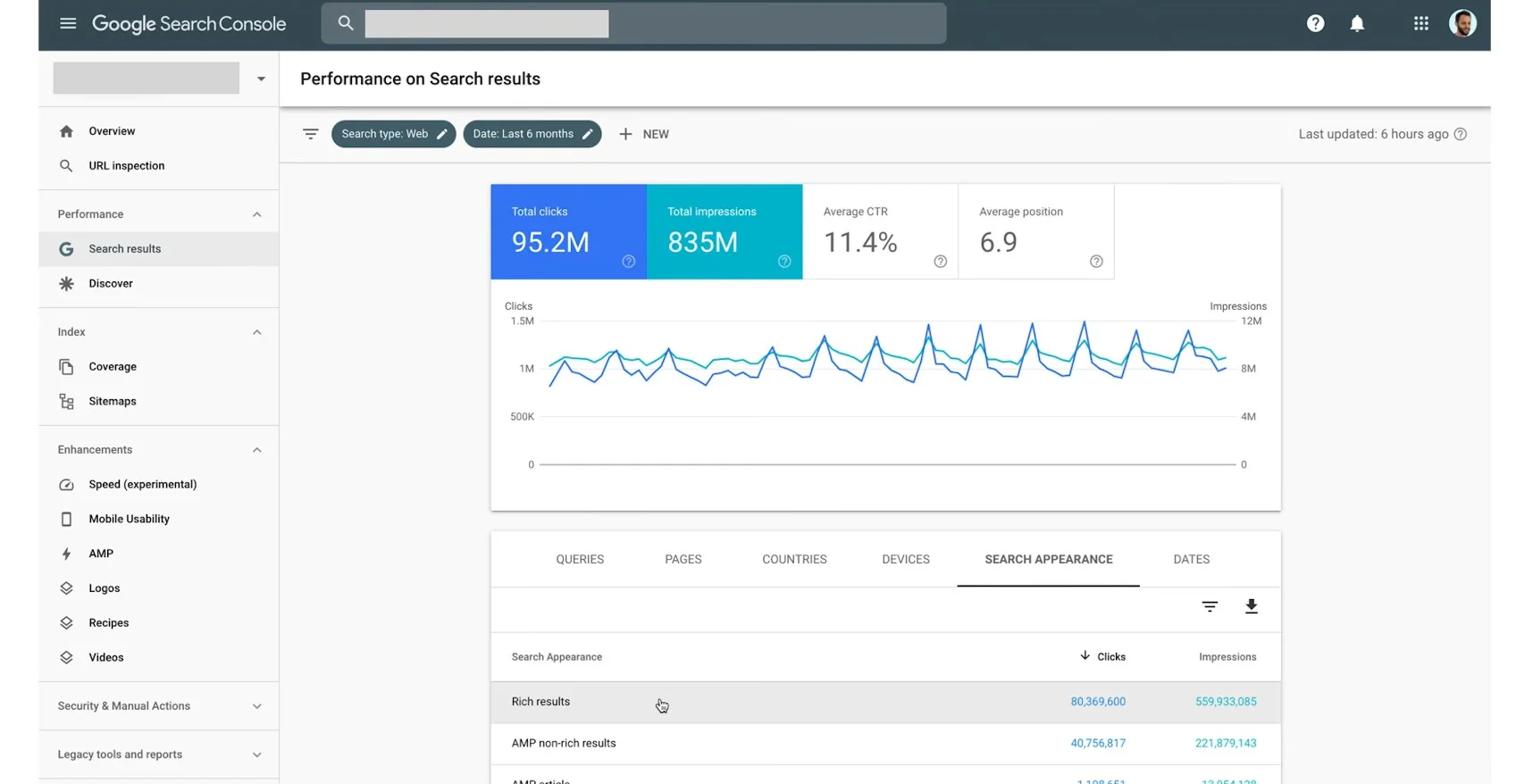
Google Search Console provides the most accurate picture of your site’s health. Under the "Enhancements" tab, the "Review snippets" report will tell you if Google has indexed your markup. If this report is entirely absent, it means Google has not found any valid review schema on your site. If it shows "invalid" items, you must fix them and then request a validation scan.
Note: Validation is not instantaneous. After submitting a fix, it can take up to two weeks for the search engine to recrawl and re-process the data.
The "Self-Serving" Implication
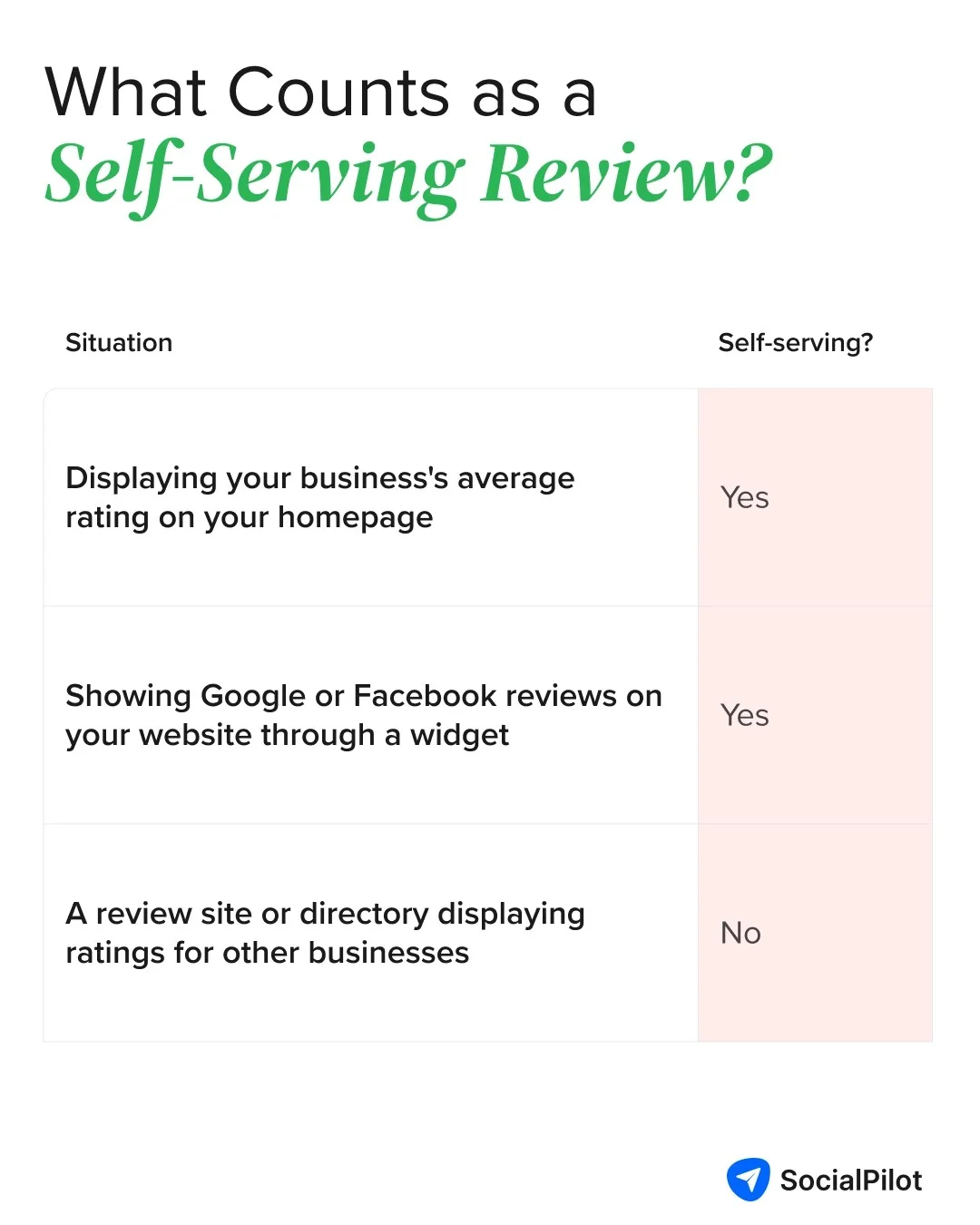
The most common point of confusion for small business owners is the definition of "self-serving." Google defines this as any review about an entity (your business) that appears on that same entity’s website.
Even if you use a third-party widget to embed your Google or Facebook reviews, Google views this as you "controlling" the process of displaying those reviews. Consequently, these pages are almost universally ineligible for star ratings in organic search results.
Why did Google do this? The company argues that reviews displayed on a business’s own site are inherently biased because the business chooses which reviews to showcase. By limiting rich results to independent review platforms and specific product pages, Google aims to provide more "helpful" and "unbiased" information to the searcher.
What Still Qualifies?
It is important to note that not all star ratings have been banned. You can still earn stars if your content falls into one of the 17 categories approved by Google, including:
- Product Pages: If you sell a specific item, the reviews about that item are not considered self-serving.
- Books, Movies, and Events: Creative works and specific events retain eligibility.
- Software Applications: Apps listed on your site can show ratings.
If you operate a directory or a review aggregator, you are also exempt. Because you are reviewing other organizations, your site is not considered "self-serving."
Common Mistakes That Exacerbate the Issue
In the desperation to get stars back, many site owners commit errors that can lead to deeper SEO problems:
- Buying or Incentivizing Reviews: As of mid-2026, Google has tightened its grip on incentivized content. If you offer discounts or cash for reviews without clear, visible disclosures, you risk violating guidelines.
- Aggregating from Other Sites: Copying reviews from Yelp or Google and pasting them into your own schema is a violation of Google’s terms. You must have the original content on your page to markup that content.
- Removing Reviews: Many owners mistakenly believe they must delete all reviews if they can’t get stars. This is unnecessary. Even without the star snippet, your customers value the social proof provided by written reviews. Keep them on your site—they are still a conversion tool for visitors who have already found you.
The Strategy for Success
If you are a local business, the best path forward is to stop chasing stars on your homepage and focus on your Google Business Profile (GBP).
Your GBP is the primary vehicle for star ratings in local search. By implementing a consistent, automated system for requesting reviews—via email or SMS—you can bolster your local reputation. Using a dedicated management platform can turn this into a repeatable process, ensuring that your business maintains a healthy flow of feedback that actually appears in the SERPs.
Conclusion: Focus on Value Over Snippets
The quest for star ratings in Google search is often a quest for a "vanity metric." While these stars undoubtedly increase visibility, they are not the only way to signal trust.
If your reviews are ineligible due to the self-serving policy, accept that reality. Redirect your resources toward providing a superior user experience, creating high-quality product pages that do qualify for schema, and actively managing your Google Business Profile. Ultimately, a business that provides genuine value to its customers will always win, with or without a star rating in the search results.


 Iffa Jayyana
 Asro
Asro
 Nana Wu

 Jia Lissa
 Neng Nana
 Dwi Wanna
 Siti Muinah