
 Ammar Sabilarrohman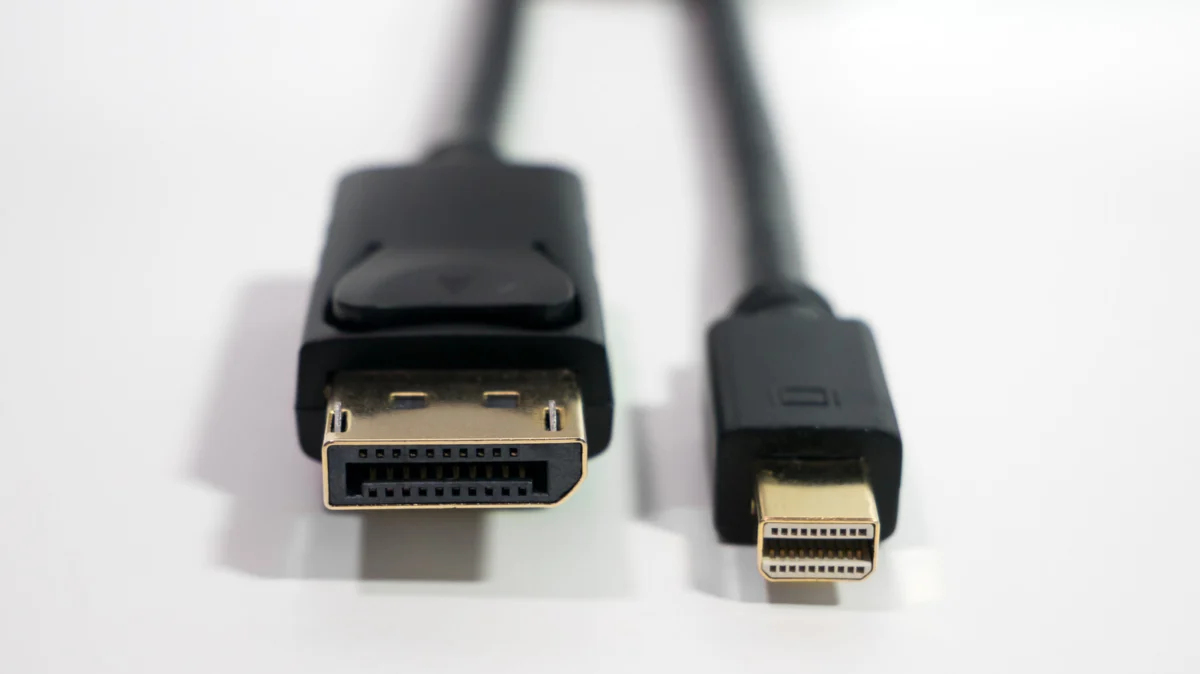
For over a decade, the Mini DisplayPort (mDP) stood as the bridge between legacy video interfaces and the modern era of high-definition computing. Introduced by Apple in 2008 as a sleek, space-saving alternative to the bulky VGA and DVI ports of the past, the mDP became a staple on laptops, workstations, and external displays. Yet, in today’s tech landscape, the port has all but vanished from new consumer electronics.
This transition is not a failure of the underlying technology, but rather a triumph of versatility. As we move toward a "single-cable" future, the rise of USB-C and the evolution of the Thunderbolt protocol have rendered the dedicated, video-only mDP largely redundant.
The Chronology of a Disappearing Port
The journey of the Mini DisplayPort is inextricably linked to Apple’s design philosophy of the late 2000s.
- 2008: Apple unveils the Mini DisplayPort, integrating it into the MacBook, MacBook Pro, and MacBook Air lines. It was designed to provide a high-bandwidth digital signal in a footprint roughly one-third the size of a standard DisplayPort connector.
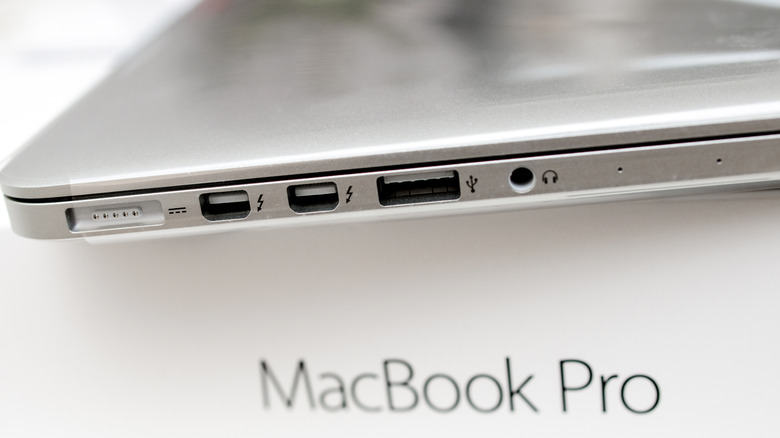
- 2011: Apple and Intel co-develop Thunderbolt. Crucially, the first and second generations of Thunderbolt shared the exact physical form factor of the Mini DisplayPort. This allowed manufacturers to create "dual-purpose" ports that could carry both a DisplayPort video signal and high-speed PCIe data.
- 2015-2016: The paradigm shifts with the release of Thunderbolt 3. Intel and the industry move to the USB-C connector. This transition marked the beginning of the end for the Mini DisplayPort’s relevance in mobile computing.
- Present Day: Apple has completely removed mDP from its lineup, and PC manufacturers have followed suit, opting for a combination of HDMI 2.1 and multiple USB-C (Thunderbolt 4 or 5) ports.
The Technical Edge: Why Mini DisplayPort Mattered
To understand why the Mini DisplayPort was so widely adopted, one must look at the constraints of the era. Before its introduction, laptops were limited by the physical dimensions of VGA (15-pin) and DVI (24-pin) ports. These connectors consumed valuable internal chassis space and hindered the trend toward thinner, lighter devices.
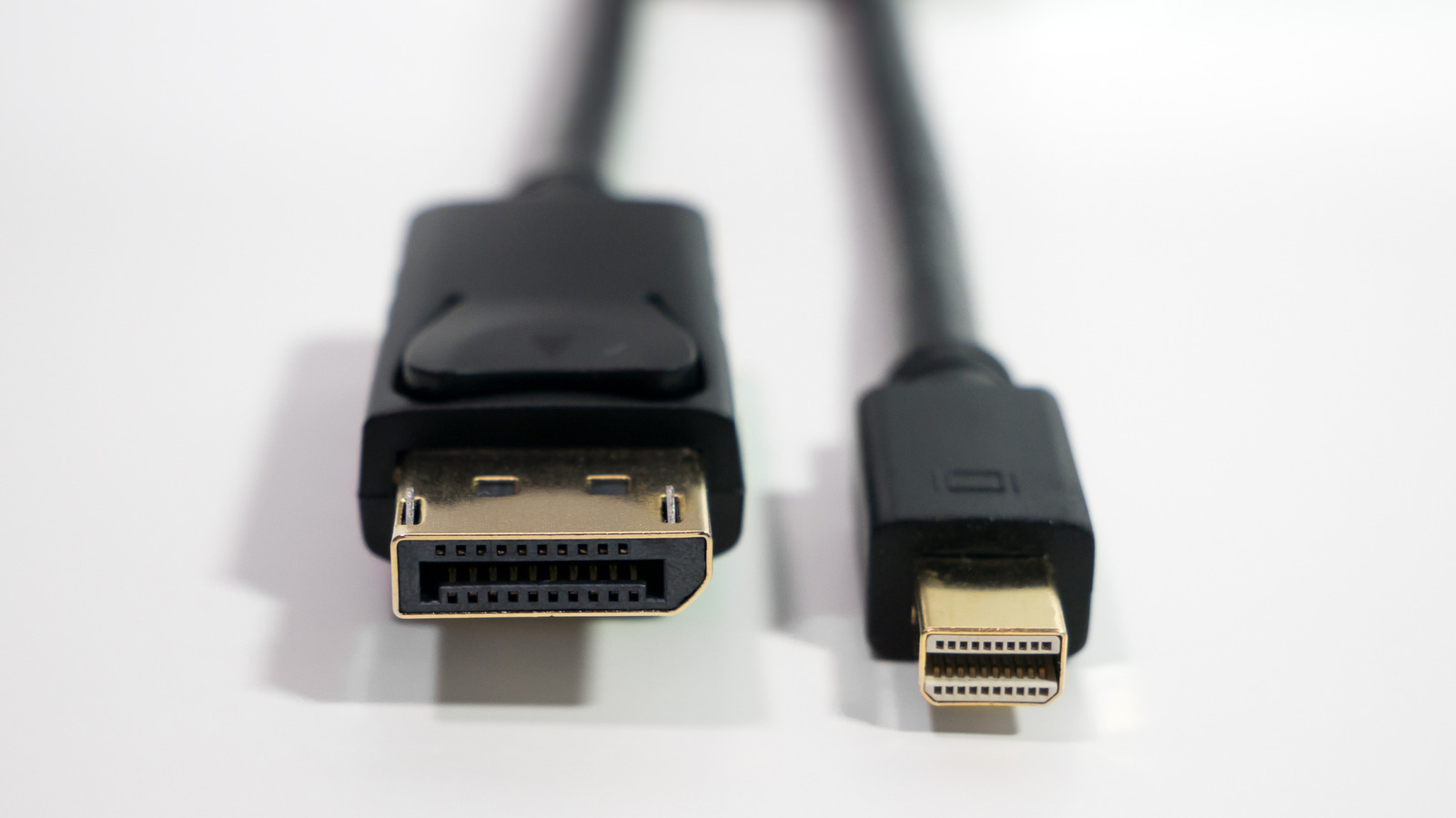
The Mini DisplayPort was a revelation because it utilized the same DisplayPort protocol as its full-sized sibling. It could handle multi-stream transport (MST), allowing users to daisy-chain monitors—a feature that remains highly valued in professional creative and engineering workflows. Furthermore, it offered significant bandwidth advantages over the DVI standard, supporting higher resolutions and refresh rates that were necessary for the transition to 1440p and 4K displays.
The Rise of the Universal Connector: USB-C and Thunderbolt
The primary reason for the Mini DisplayPort’s decline is the sheer supremacy of the USB-C connector. USB-C is more than just a physical shape; it is an incredibly complex interface that supports the "DisplayPort Alternate Mode."
1. Versatility and "Alt Mode"
With DisplayPort Alternate Mode, a USB-C port can transmit raw DisplayPort signals directly through the cable. This means that a user doesn’t need a dedicated mDP port to drive a high-end monitor; a simple USB-C to DisplayPort cable accomplishes the same task. By consolidating video, audio, data, and power delivery (Power Delivery/PD) into one port, manufacturers have reclaimed significant internal real estate.
2. The Power of Thunderbolt
Thunderbolt 3 and 4 took this a step further by merging high-speed data transfer (up to 40Gbps) with the DisplayPort signal. This enables the use of "docking stations" where a single cable connects a laptop to dual 4K monitors, external storage, and an ethernet connection, while simultaneously charging the device. The Mini DisplayPort, while excellent at video, was fundamentally limited in this regard.
Where DisplayPort Remains the "Gold Standard"
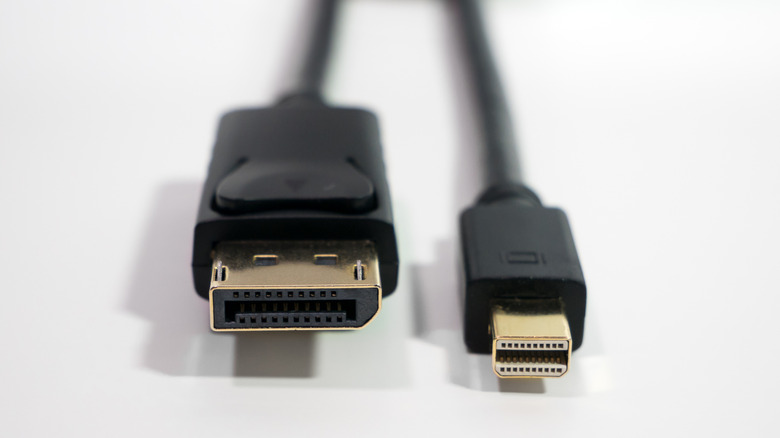
While the Mini connector is fading, the DisplayPort protocol is more vital than ever. In the realm of high-performance gaming and professional color-grading, HDMI often plays catch-up.
DisplayPort 2.1, for instance, offers a staggering 80 Gbps of bandwidth, significantly outpacing current HDMI 2.1 specifications. For enthusiasts demanding 4K resolution at 240Hz or ultra-wide monitors, DisplayPort remains the preferred choice. The "full-size" DisplayPort connector is still standard on almost every dedicated graphics card from NVIDIA and AMD. It provides a robust, locking connection that is mechanically superior to the fragile friction-fit of USB-C or the older Mini DisplayPort.
Implications for the Consumer
For the average user, the shift away from Mini DisplayPort is largely positive, though it does create a temporary "adapter tax." If you are holding onto an older monitor that only supports Mini DisplayPort, you are not stranded. Active adapters—cables that convert USB-C or full-size DisplayPort to mDP—are widely available and generally reliable.
However, there are caveats:
- VR Headsets: Many early Virtual Reality headsets (such as the original Oculus Rift or Vive) relied heavily on Mini DisplayPort. Users attempting to connect these to modern laptops via USB-C-to-mDP adapters often encounter compatibility issues, as the signal chain sometimes lacks the necessary handshake protocols for low-latency VR tracking.
- Professional Displays: Specialized equipment, such as older Apple Cinema Displays or professional-grade medical imaging monitors, often have fixed cables with mDP ends. These devices require specific, high-quality "Active" adapters. Passive adapters simply will not work, as they lack the circuitry to convert the electrical signals between different generations of the DisplayPort standard.
The Future: A Post-Port Landscape
Is the Mini DisplayPort officially obsolete? From a hardware manufacturing standpoint, yes. You will find almost no new laptops being released in 2024 or 2025 with an mDP port. The industry has spoken: the future is modular, universal, and centered around USB-C.
Yet, the legacy of the Mini DisplayPort lives on in the DisplayPort protocol itself. The efficiency and high-bandwidth capabilities that defined mDP have been successfully baked into the USB-C ecosystem. We have traded the convenience of a dedicated video port for the ultimate convenience of a "do-it-all" port.
As we look toward the future, the physical connector may continue to evolve—perhaps even moving beyond USB-C—but the demand for the high-speed, multi-lane data transmission pioneered by the DisplayPort standard is only going to grow. Whether it is 8K gaming, AR/VR integration, or high-fidelity professional workflows, the technology that Mini DisplayPort introduced remains the backbone of how we see the digital world. The port itself may be a relic of the past, but its impact on the way we connect remains fundamentally modern.


 Raul Delapena Setiawan
 Nana
Nana
 Ali Ikhwan
 Muslim
 Asep Darmawan
 Neng Nana