
 Muslim
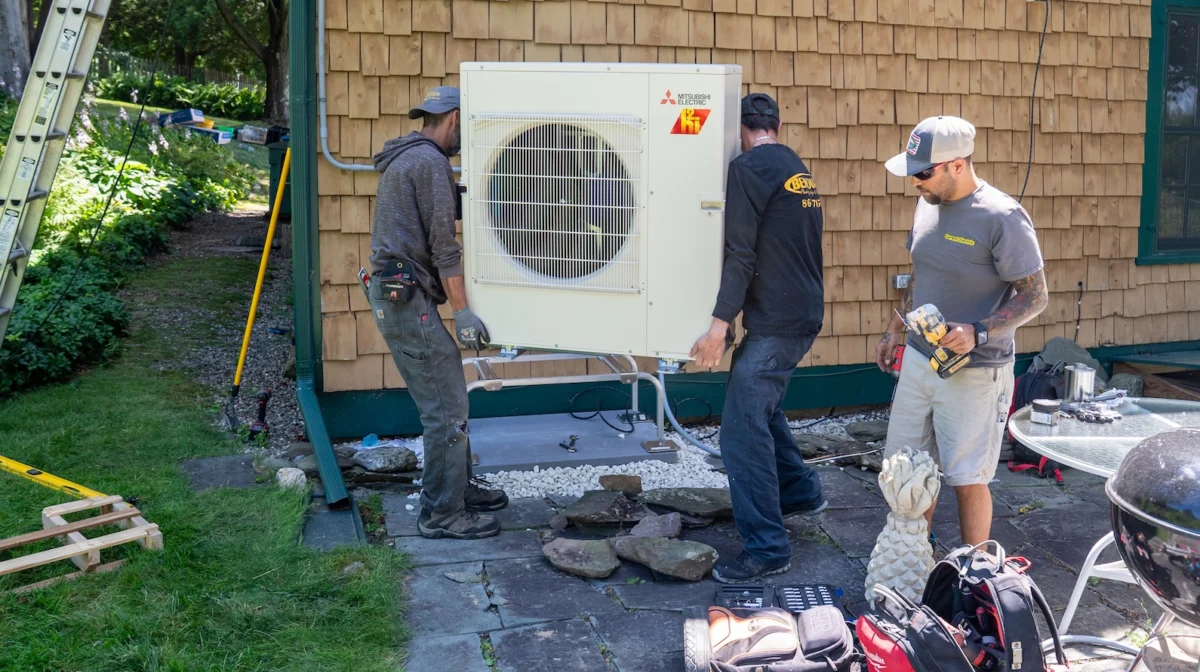
For decades, a persistent myth has haunted the HVAC industry: the notion that heat pumps—devices that transfer thermal energy rather than generating it through combustion—are fragile contraptions, incapable of performing when the mercury dips below freezing. This belief has long served as a barrier to the widespread adoption of clean, efficient heating and cooling technology. However, as the climate crisis accelerates and the need for residential decarbonization becomes critical, the narrative is shifting.
Far from being "fair-weather" appliances, modern heat pumps are engineered to function in the most punishing climates on Earth. From the sub-zero winters of the Nordic countries to the glacial regions of Alaska, these systems have proven their mettle. As the United States looks to modernize its energy infrastructure, the heat pump is emerging not merely as an alternative to the furnace, but as a linchpin for a more efficient, cost-effective, and flexible electrical grid.
Dispelling the Myth of Cold-Weather Incompatibility
The skepticism surrounding heat pumps often stems from outdated technology. Older models did indeed struggle when external temperatures dropped, as they relied on ambient heat that became increasingly scarce in winter. However, the current generation of cold-climate heat pumps utilizes advanced compression technology to extract usable heat from air as cold as -15°F or lower.
The real-world proof of this efficacy is found in the Nordic region. Countries like Norway, where winter temperatures are notoriously unforgiving, have achieved some of the highest heat pump adoption rates globally. By treating heat pumps as a standard for residential heating, these nations have effectively demonstrated that the transition is not only possible but highly desirable. The technology does not just keep homes "toasty"; it does so with a level of energy efficiency that traditional fossil-fuel-burning furnaces—which lose significant energy through exhaust and combustion—cannot match.
The Grid Capacity Conundrum: A New Analysis
One of the most common arguments against the mass electrification of heating is the fear of grid collapse. Critics frequently suggest that if millions of American households were to switch from gas furnaces to electric heat pumps simultaneously, the electrical grid would buckle under the sudden, massive surge in demand.
However, a landmark report from the energy think tank RMI has shattered this assumption. The report reveals a surprising reality: the U.S. power grid possesses significant "headroom"—unused capacity—during the winter months.
In the American energy landscape, peak demand is almost exclusively a summer phenomenon. Millions of air conditioners running simultaneously during heat waves push the grid to its absolute limit. Conversely, during the winter, most homes rely on gas furnaces for heat, which draws its energy from gas pipelines rather than the electrical grid. This creates a seasonal disparity in usage. RMI’s data suggests that because the grid is already built to handle the massive load of summer cooling, it is largely underutilized in the winter.
According to the report, three-quarters of U.S. homes—approximately 109 million units—could transition to heat pumps without requiring a massive, disruptive build-out of new power plants. This is not merely a technical possibility; it is a strategic economic opportunity.
Chronology of a Shifting Energy Landscape
To understand why the shift to heat pumps is gathering momentum, one must look at the recent evolution of energy policy and technology:
- 2020–2022: The Efficiency Surge: As global energy prices spiked, the disparity between the efficiency of electric resistance heating and heat pumps became impossible to ignore. Policymakers began identifying heat pumps as a key tool for consumer cost-savings.
- 2023: The Nordic Proof-Point: Data from Scandinavia highlighted that heat pump saturation does not lead to grid instability, but rather improves the operational efficiency of local utilities.
- 2024: The RMI Findings: The publication of the RMI "headroom" report shifted the national conversation from "Can the grid handle it?" to "How can we utilize the grid more efficiently?"
- 2025–Present: Legislative Integration: States like Maine have set, and subsequently surpassed, aggressive installation goals. The focus has moved toward incorporating heat pumps into broader housing policy, recognizing them as an essential component of the modern, affordable home.
Data-Driven Benefits: Efficiency and Cost
The primary advantage of the heat pump is its coefficient of performance (COP). While an electric resistance heater—such as a baseboard heater—converts one unit of electricity into one unit of heat, a heat pump typically provides three to four units of heat for every unit of electricity consumed. This is because the heat pump is moving existing thermal energy rather than creating it from scratch.
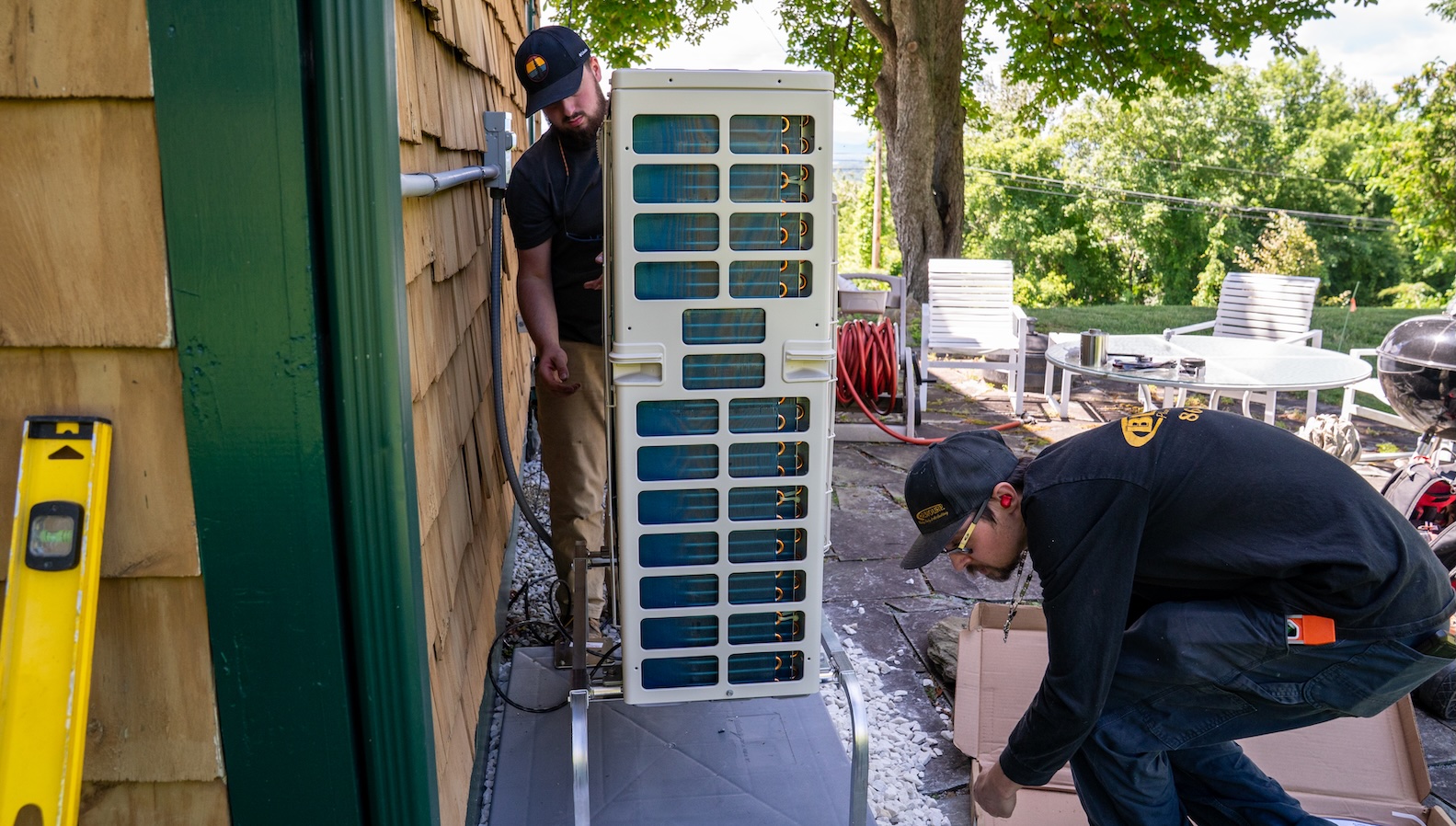
The economic implications are profound. For households currently relying on inefficient electric resistance heating—common in parts of the Pacific Northwest and the Southeast—switching to a heat pump can slash annual heating bills by an average of $1,530. Even for those switching from gas, the increased efficiency of the heat pump protects the consumer from the volatility of fossil fuel markets.
"We’d be better utilizing the grid capacity that’s already there," says Ryan Shea, a manager in RMI’s buildings team. "That essentially spreads those fixed costs across more kilowatt-hours, and everyone benefits with a lower electricity rate."
By increasing the total volume of electricity sold during the winter months, utilities can stabilize their revenue, which in turn puts downward pressure on the rates charged to the average consumer.
Integrating Renewables and Flexible Storage
Critics of electrification often point to the intermittency of renewable energy, noting that solar generation typically dips in the winter. While this is true, the integration of heat pumps is occurring alongside a revolution in energy storage.
Utilities are increasingly turning to a multi-pronged approach to grid reliability:
- Utility-Scale Battery Storage: Sprawling battery farms are being deployed to capture excess solar energy generated during the day for use during peak evening hours.
- Vehicle-to-Grid (V2G) Technology: By turning the millions of electric vehicles on the road into a distributed network of batteries, utilities can tap into stored energy during times of high demand.
- Long-Duration Storage: Experiments in using the Earth’s geological features as "thermal batteries" allow for the storage of energy across weeks or even months, bridging the gap between summer solar surpluses and winter heating needs.
These technologies, when combined with heat pumps, create a more flexible and resilient grid. Rather than being a liability, the heat pump acts as a "demand-side management" tool, allowing the grid to balance its load more effectively throughout the year.
Policy Implications and Future Directions
The path forward requires a shift in how we approach infrastructure. Replacing a failing air conditioner with a heat pump is an obvious "no-regrets" move, but to scale this nationwide, states need to implement robust rebate programs and streamline permitting processes.
The success of Maine, which blew past its goal of 100,000 heat pump installations two years ahead of schedule, serves as a blueprint. Their strategy involved heavy state support and a clear public education campaign. Furthermore, integrating heat pump requirements into new housing construction—a rare area of bipartisan agreement—is a highly effective "stealth" policy that ensures new, affordable homes are future-proofed from the start.
Conclusion: The Superstar of Affordability
As the American political discourse increasingly centers on the cost of living, the heat pump is uniquely positioned to become a central pillar of economic policy. It is a rare technology that simultaneously addresses climate goals, improves home comfort, reduces consumer costs, and optimizes the national energy grid.
The transition to heat pumps is no longer a question of "if" or even "when"—the transition is already underway. By leveraging the existing headroom in our electrical grid, the United States can move away from the toxic, expensive, and inefficient fossil-fuel-based heating systems of the past and toward a cleaner, more resilient, and ultimately more affordable future. As Ryan Shea noted, the goal now is to establish concrete installation targets and integrate these appliances into the core of the American affordability agenda. The heat pump is ready for the task; it is time the grid—and our policy leaders—met it halfway.


 Raul Delapena Setiawan

 Laily UPN

 Reynand Wu

 Sagoh


 Azzam Bilal Chamdy

 Ali Ikhwan
