
 Azzam Bilal Chamdy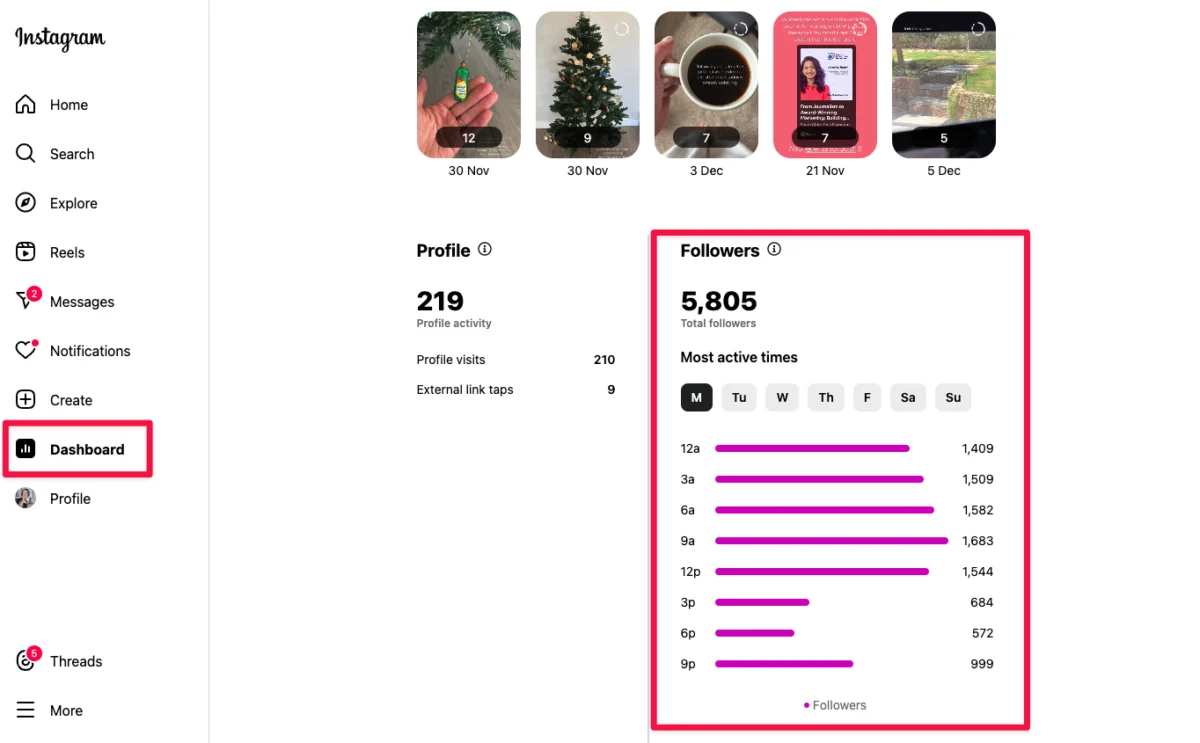
In an era where the competition for digital real estate is fiercer than ever, timing your content is no longer just a "best practice"—it is a critical pillar of social media survival. With millions of brands, influencers, and creators vying for attention, hitting "publish" at the wrong moment can mean the difference between a viral sensation and a post that goes entirely unnoticed.
According to Buffer’s comprehensive State of Social Engagement 2026 report, which analyzed 9.6 million Instagram posts across 200,000 accounts between January 2024 and December 2025, the timing of your posts remains one of the most effective, yet underutilized, levers for growth.
The Main Facts: Peak Performance Windows
The data is clear: while quality content is the "cake," timing is the "cherry on top" that ensures your work reaches its intended audience. For 2026, the golden windows for Instagram engagement are:
- Thursday at 9 a.m.
- Wednesday at 12 p.m.
- Wednesday at 6 p.m.
These findings suggest that midweek is the engine room of Instagram engagement. While many creators default to weekend posting—assuming their audience has more free time—the data tells a different story. Friday and Saturday consistently rank as the weakest days for engagement, likely due to the "offline shift" where users prioritize real-world social activities or relaxation over app-based interaction.
![Best Time to Post on Instagram: Data from 9.6M Posts [Updated Sep 2026]](https://storage.ghost.io/c/6d/21/6d217297-aa70-41fe-b68d-e29e411dd3ed/content/images/2026/01/best-time-to-post-on-instagram-2026.png)
Chronology: The Weekly Engagement Map
To maximize your reach, it is essential to understand the ebb and flow of user behavior throughout the week. Our analysis reveals that engagement is not a flat line; it is a complex, daily rhythm.
The Midweek Powerhouse
Wednesday is the undisputed champion of the week. The midday spike at 12 p.m. is particularly notable, suggesting that users are increasingly using their lunch breaks as a primary window for "social browsing." This is followed by a strong evening showing at 6 p.m.
The Thursday Anomaly
Thursday at 9 a.m. stands out as a unique peak. Unlike other mornings, which often see lower engagement, Thursday mornings appear to be a high-intent period. This is likely driven by "weekend planning energy," where users are proactively looking for inspiration, products, or events to fill their upcoming days off.
The Weekend Slump
Friday and Saturday show a significant drop-off. If your strategy relies on heavy-hitting content, avoid these days. If you must post, save your lighter, "low-stakes" content for Saturday evening, when users begin to return to the platform around 8 p.m. to 10 p.m.
![Best Time to Post on Instagram: Data from 9.6M Posts [Updated Sep 2026]](https://storage.ghost.io/c/6d/21/6d217297-aa70-41fe-b68d-e29e411dd3ed/content/images/2026/01/best-time-to-post-instagram-2026-heatmap.png)
Daily Breakdown
- Monday: 7 p.m. (the prime window for settling into the week).
- Tuesday: 7 p.m. (strong support throughout the afternoon).
- Wednesday: 12 p.m. (the midday scroll).
- Thursday: 9 a.m. (the morning planning peak).
- Friday: 10 p.m. (late-night browsing).
- Saturday: 9 p.m. (evening wind-down).
- Sunday: 9 p.m. (preparing for the week ahead).
Supporting Data: Why Timing Still Matters
The Instagram algorithm has evolved significantly, but it still relies on a fundamental signal: initial momentum.
When you post while your audience is already online and active, you secure immediate likes, comments, and—most importantly—"sends." As the Head of Instagram, Adam Mosseri, has repeatedly highlighted, "sends per reach" (how often a user DMs your post to a friend) is the primary ranking signal in 2026. By hitting the publish button when your followers are already scrolling, you trigger the algorithm to prioritize your content in the feeds of others, creating a snowball effect of organic reach.
Furthermore, our data scientist normalized these times across all time zones. Whether you are operating in EST, PST, or IST, these findings apply to your local time. This eliminates the headache of manual conversions and allows teams to schedule content with precision regardless of their global footprint.
Official Perspectives and Algorithmic Reality
Understanding the "why" behind the numbers requires looking at how the platform functions today. Instagram’s algorithm is designed to curate experiences based on user behavior.
![Best Time to Post on Instagram: Data from 9.6M Posts [Updated Sep 2026]](https://storage.ghost.io/c/6d/21/6d217297-aa70-41fe-b68d-e29e411dd3ed/content/images/2026/01/best-day-to-post-instagram-2026-.png)
The Role of Content Type
- Reels: These are consumption-heavy and entertainment-focused. Because they require sound and sustained attention, they perform best during evening hours (6 p.m. to 11 p.m.) when users have transitioned from work-mode to leisure-mode.
- Carousels: These thrive during the midday "mental breaks" (12 p.m. to 2 p.m.) because they offer depth and value that can be consumed in short, digestible segments.
- Stories: Because Stories have a 24-hour shelf life, the "time" of posting matters less than the consistency of posting. Aim for 1–2 stories daily to remain top-of-mind.
The "30-Minute Rule"
Adam Mosseri has suggested that posting 30 to 60 minutes before your audience comes online can be advantageous. It gives the algorithm time to process the content and ensure it is ready to be served the moment your followers open the app.
Strategic Implications: Building a Workflow
For social media managers and business owners, the goal is to shift from "reactive posting" to "strategic scheduling."
1. Leverage Automation
The most effective way to utilize this data is through scheduling tools like Buffer. By inputting your optimal windows into a content calendar, you remove the human error of missing a peak engagement slot. Automation ensures that even when you are in meetings, commuting, or asleep, your content is live and ready for your audience.
2. Audit Your Own Insights
While platform-wide data provides an excellent baseline, your specific audience may have unique habits. Use Instagram Insights to identify when your followers are most active. If your account shows a peak at 3 p.m. despite the global average suggesting 6 p.m., lean into your own data. The best strategy is a hybrid: start with the global best practices, test them for 30 days, and pivot based on your own analytics.
![Best Time to Post on Instagram: Data from 9.6M Posts [Updated Sep 2026]](https://storage.ghost.io/c/6d/21/6d217297-aa70-41fe-b68d-e29e411dd3ed/content/images/2026/05/image-6.png)
3. The "Never" List
Avoid the dead zones. Posting between 1 a.m. and 5 a.m. is generally a wasted effort. If your content is posted while your audience is asleep, it effectively loses its "freshness" by the time they wake up, leading to lower engagement scores and, ultimately, lower reach.
Conclusion: Quality Meets Consistency
It is important to remember that timing is a catalyst, not a miracle worker. A high-performing post is the result of great creative work delivered at the right time.
If you find yourself stressing over the perfect minute to post, remember the 2026 standard: Consistency > Perfection. By posting 3 to 5 times a week at the peak times identified in this study, you create a reliable pattern that trains your audience to expect your content and encourages the algorithm to keep rewarding you with visibility.
Use these data-backed windows as your foundation, but don’t be afraid to experiment. The most successful accounts on Instagram are those that understand the data, adapt to the algorithm, and, above all, keep showing up for their community.
![Best Time to Post on Instagram: Data from 9.6M Posts [Updated Sep 2026]](https://storage.ghost.io/c/6d/21/6d217297-aa70-41fe-b68d-e29e411dd3ed/content/images/2026/05/image-7.png)
For more insights into growing your social presence, explore the full Buffer State of Social Engagement 2026 report.

 Sagoh
Sagoh
 Pevita Pearce
 Basiran
 Neng Nana
 Nana Muazin
 Jia Lissa
 Laily UPN
 Asep Darmawan