
 Layla Zulfa
The landscape of artificial intelligence is undergoing a profound shift. For years, the gold standard for high-level coding assistance was locked behind the API walls of proprietary giants. Today, that paradigm is being challenged by a sophisticated ecosystem of open-model architectures and high-performance local inference engines. At the forefront of this movement is Muse Glimmer, a model currently disrupting the local AI community by challenging the dominance of established 27B-class models like Qwen.
By combining the raw power of Muse Glimmer with the high-throughput capabilities of llama.cpp and the speculative efficiency of DFlash, developers are now capable of orchestrating complex, agentic coding workflows directly from their local machines. This article explores how to deploy this powerful stack, analyzes the performance metrics of local inference, and examines the broader implications of moving AI-driven software development from the cloud to the terminal.
1. The Architecture of Local Performance
The ability to run a 30B-parameter model with sub-second latency is not merely a product of hardware advancements; it is a triumph of software optimization. The current "local vibe coding" stack relies on three pillars:
- Muse Glimmer: A high-parameter model that has demonstrated superior reasoning capabilities in local coding tasks and iterative agentic workflows compared to its contemporaries.
- llama.cpp: The industry-standard inference engine, now optimized for CUDA, which allows users to leverage high-end consumer GPUs (such as the RTX 3090/4090/5090) to run large models with high memory efficiency.
- DFlash (Speculative Decoding): A critical optimization that uses a smaller, faster drafter model to predict tokens, which are then validated by the main model. This allows for significantly higher token generation rates without sacrificing accuracy.
2. Technical Chronology: Setting Up the Local Environment
To achieve a production-grade coding environment, one must follow a structured deployment path. The following steps outline the configuration required to bridge the gap between raw model files and a fully autonomous coding agent.

Step I: Environment Preparation
First, ensure you have the Hugging Face CLI installed to facilitate the download of model weights. The process begins by authenticating your credentials and creating a dedicated workspace directory:
curl -LsSf https://hf.co/cli/install.sh | bash
export PATH="/root/.local/bin:$PATH"
hf auth login
mkdir -p /workspace/muse-glimmer
Step II: Model Acquisition
Download the 16.8 GB main model and the 1.63 GB DFlash drafter from the Hugging Face repository. These files are optimized for GGUF (GPT-Generated Unified Format), which is essential for llama.cpp compatibility.
hf download meta-models/Muse-Glimmer-30B-GGUF muse-glimmer-30B-kquant-17gb.gguf --local-dir /workspace/muse-glimmer
hf download meta-models/Muse-Glimmer-30B-GGUF dflash-kquant.gguf --local-dir /workspace/muse-glimmer
Step III: Inference Engine Compilation
With the models secured, you must compile llama.cpp with CUDA support to ensure the workload is offloaded to your GPU.
git clone https://github.com/ggml-org/llama.cpp.git
cd llama.cpp
cmake -B build -DGGML_CUDA=ON -DCMAKE_BUILD_TYPE=Release
cmake --build build --config Release -j$(nproc)
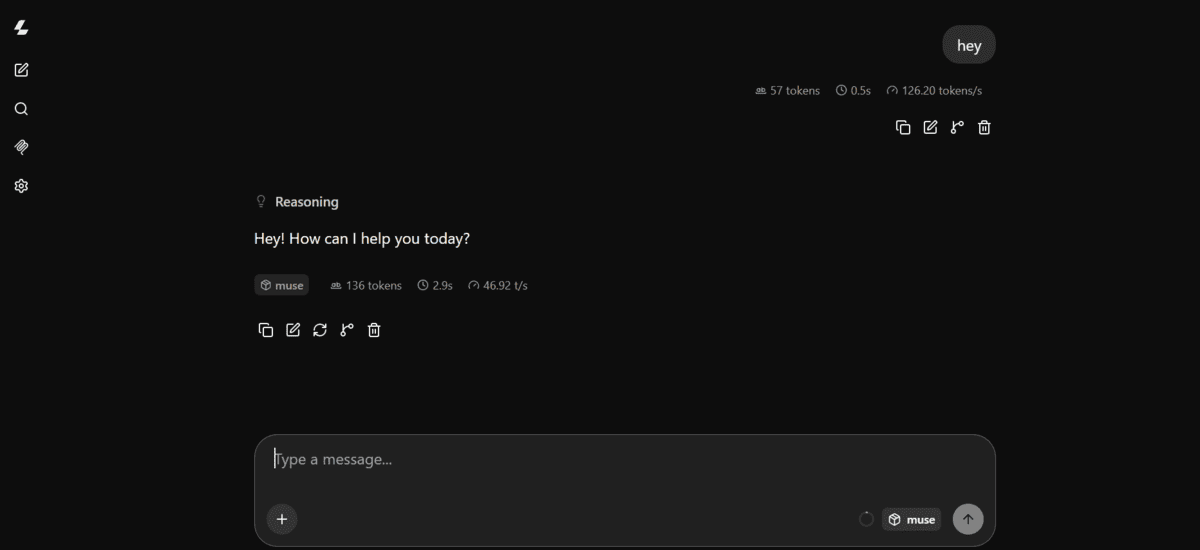
Once compiled, the server can be initialized with speculative decoding enabled. The -md flag points to the DFlash drafter, while --spec-type draft-dflash activates the acceleration layer, allowing for the observed performance jumps from 46 to over 120 tokens per second.

3. Supporting Data: Performance Metrics and Benchmarks
In real-world testing, Muse Glimmer exhibits a fascinating performance profile. During standard query-response tasks, the model maintains a baseline of approximately 46 tokens per second. However, when engaged in heavy coding tasks where the drafter model (DFlash) can accurately predict common syntax patterns, throughput spikes to upwards of 127 tokens per second.
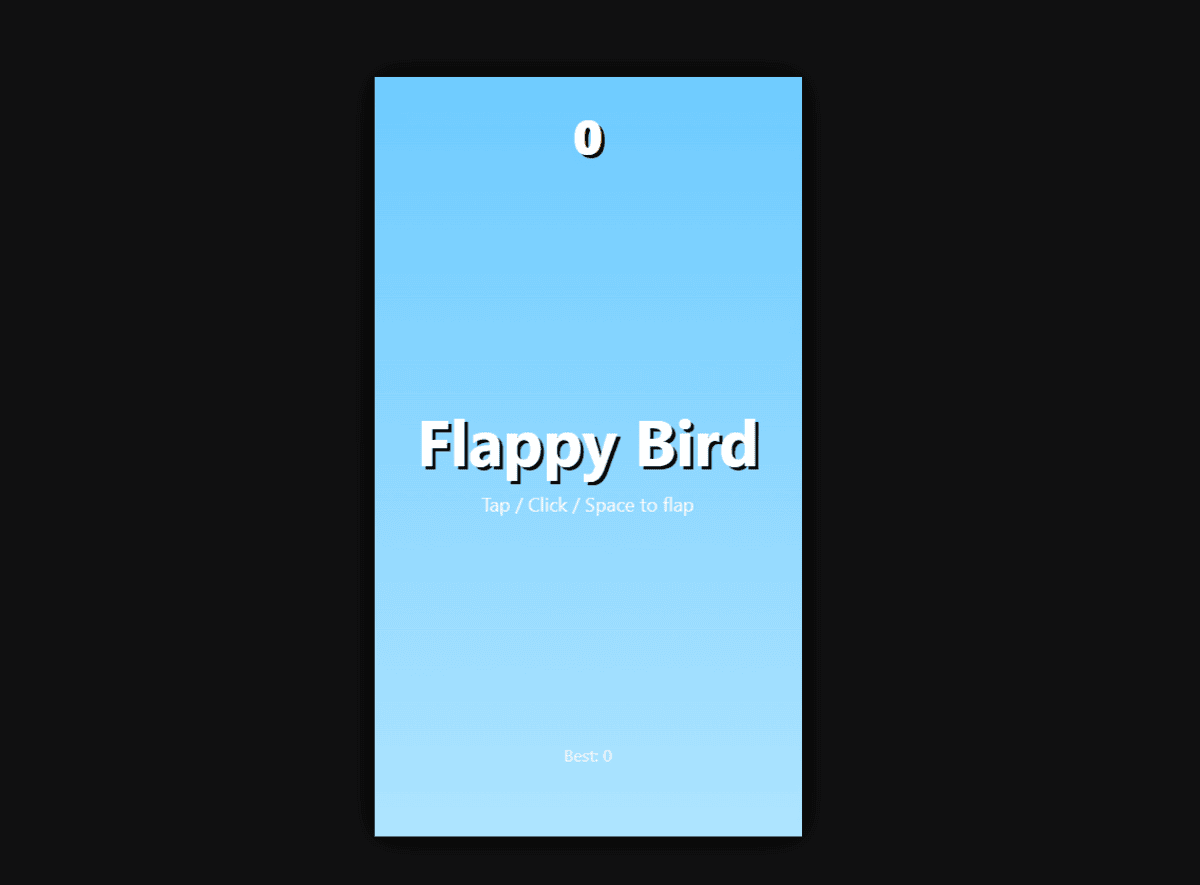
While these metrics are impressive, they must be contextualized against reasoning accuracy. In direct comparisons involving the generation of complex HTML/JS applications, Muse Glimmer occasionally struggles with structural coherence compared to specialized models like Qwen3.8-27B. While Muse Glimmer is remarkably fast, it occasionally exhibits "hallucinations" in logic when tasked with multi-file project architecture. Nevertheless, its ability to self-correct during debugging phases—a key feature of the Pi agent integration—often offsets these minor errors.
4. The Agentic Shift: Pi and Local Autonomy
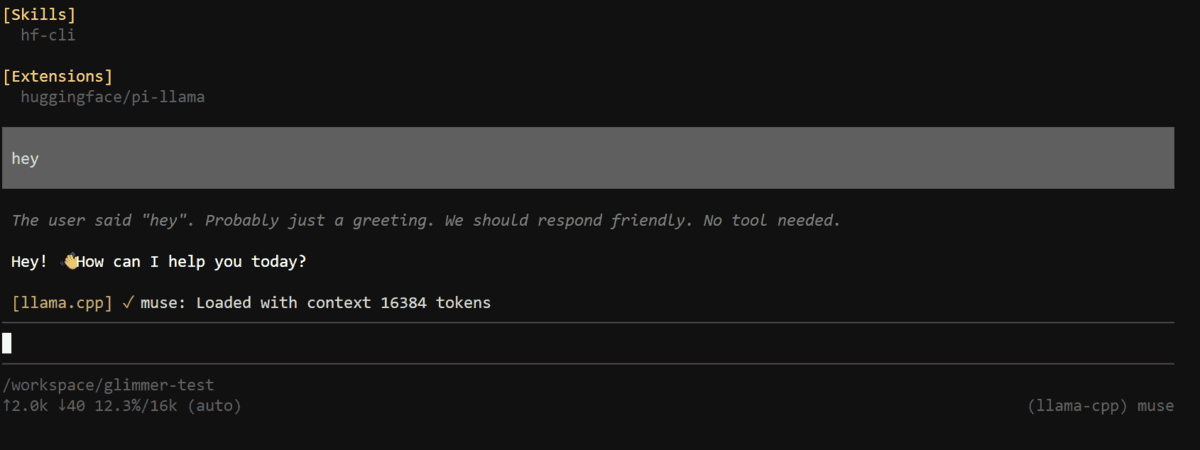
The integration with Pi, a sophisticated coding agent, transforms the terminal into a collaborative workspace. Unlike static chat interfaces, Pi acts as an autonomous agent that can read, write, and execute code within the local directory.
By installing the pi-llama extension, users create a bridge between the llama.cpp server and the agentic interface:

- Project Initialization: Create a workspace and launch
pi. - Model Mapping: Configure Pi to point to the local
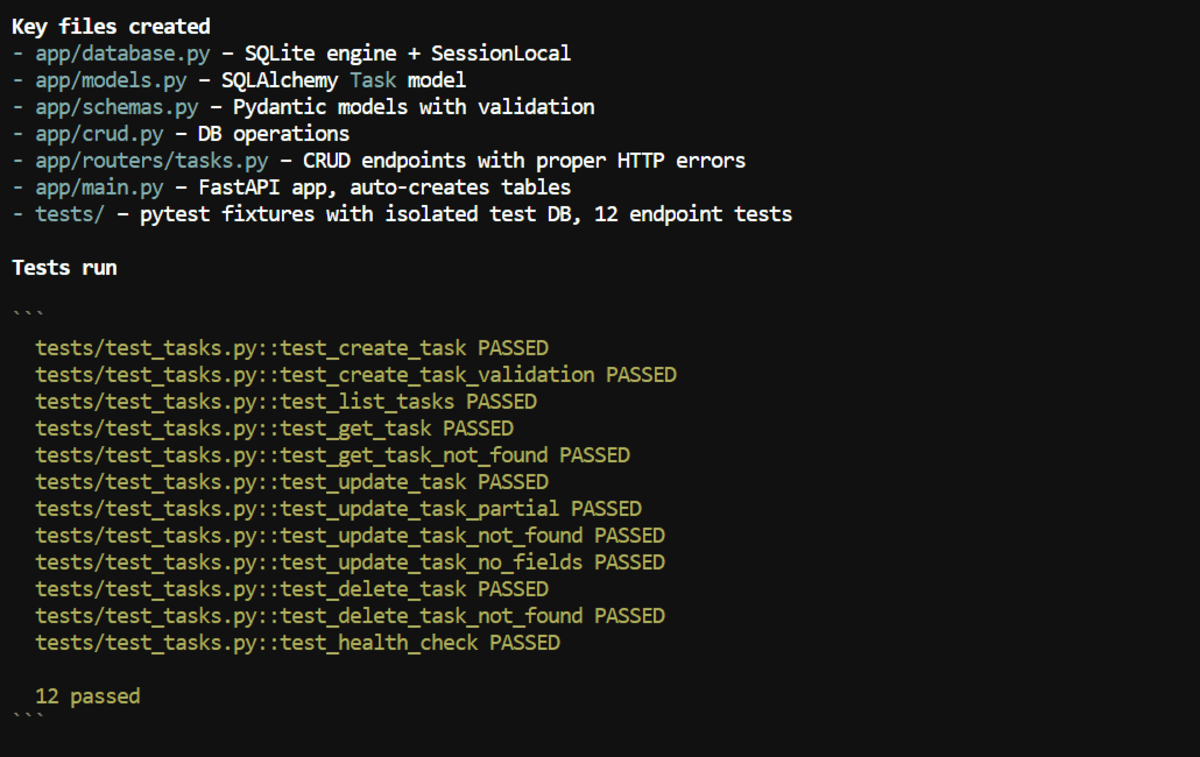
llama-cppprovider. - Autonomous Execution: By providing a comprehensive prompt—such as "Build a Python FastAPI task management API with SQLite persistence and PyTest coverage"—the user offloads the cognitive load to the agent.
The agent’s ability to iterate: It writes the code, attempts to run the test suite, captures the output, and feeds that feedback loop back into the model to fix errors. This "agentic loop" is the true breakthrough of 2024-2025 AI development.
5. Implications for the Future of Software Development
The transition to local-first AI development has profound implications for the industry:
- Privacy and Compliance: Enterprises that have previously been hesitant to utilize cloud-based coding assistants due to intellectual property concerns can now keep their proprietary codebases entirely local.
- Cost Efficiency: The "pay-per-token" model is replaced by a "pay-for-hardware" model. For power users, the ROI on an RTX 4090 or 5090 is realized in a matter of months when compared to the escalating costs of enterprise-tier API subscriptions.
- Democratization of Engineering: By lowering the barrier to entry for high-end coding assistance, local models empower independent developers to build, test, and deploy complex architectures that previously required a dedicated team.
Critical Considerations
Despite the excitement, "vibe coding" is not without its pitfalls. Local models lack the massive context windows and cross-model reasoning often found in frontier models like GPT-4o or Claude 3.5 Sonnet. Furthermore, the reliance on the user to manage dependencies and hardware configurations creates a "technical tax" that may deter less-experienced developers.
Final Thoughts: The Path Forward
The convergence of Muse Glimmer, DFlash, and Pi marks a significant milestone in the maturity of local AI. We are witnessing the end of the "black box" era of AI coding, where developers were forced to rely on opaque, cloud-based services. As Meta and other contributors continue to refine open-model architectures, the gap between local and proprietary performance will continue to narrow.
For those operating in the AI/ML space, the directive is clear: the future of productivity is local. Whether you are building simple scripts or complex API frameworks, the ability to run these agents on your own hardware provides a level of control and security that is increasingly indispensable. As the ecosystem matures, we expect to see even more efficient quantization methods and better agentic frameworks, further cementing local AI as the standard for high-performance software engineering.
About the Author: Abid Ali Awan is a certified data scientist and machine learning enthusiast dedicated to bridging the gap between complex model theory and practical, local-first applications. With a Master’s degree in Technology Management, Abid is currently focused on leveraging Graph Neural Networks and local agentic workflows to solve challenges in the mental health and accessibility sectors.

 Neng Nana
 Evan Lee Salim
 Raul Delapena Setiawan
 Reynand Wu
 Sagoh
Sagoh

 Azzam Bilal Chamdy
 Ali Ikhwan