
 Neng Nana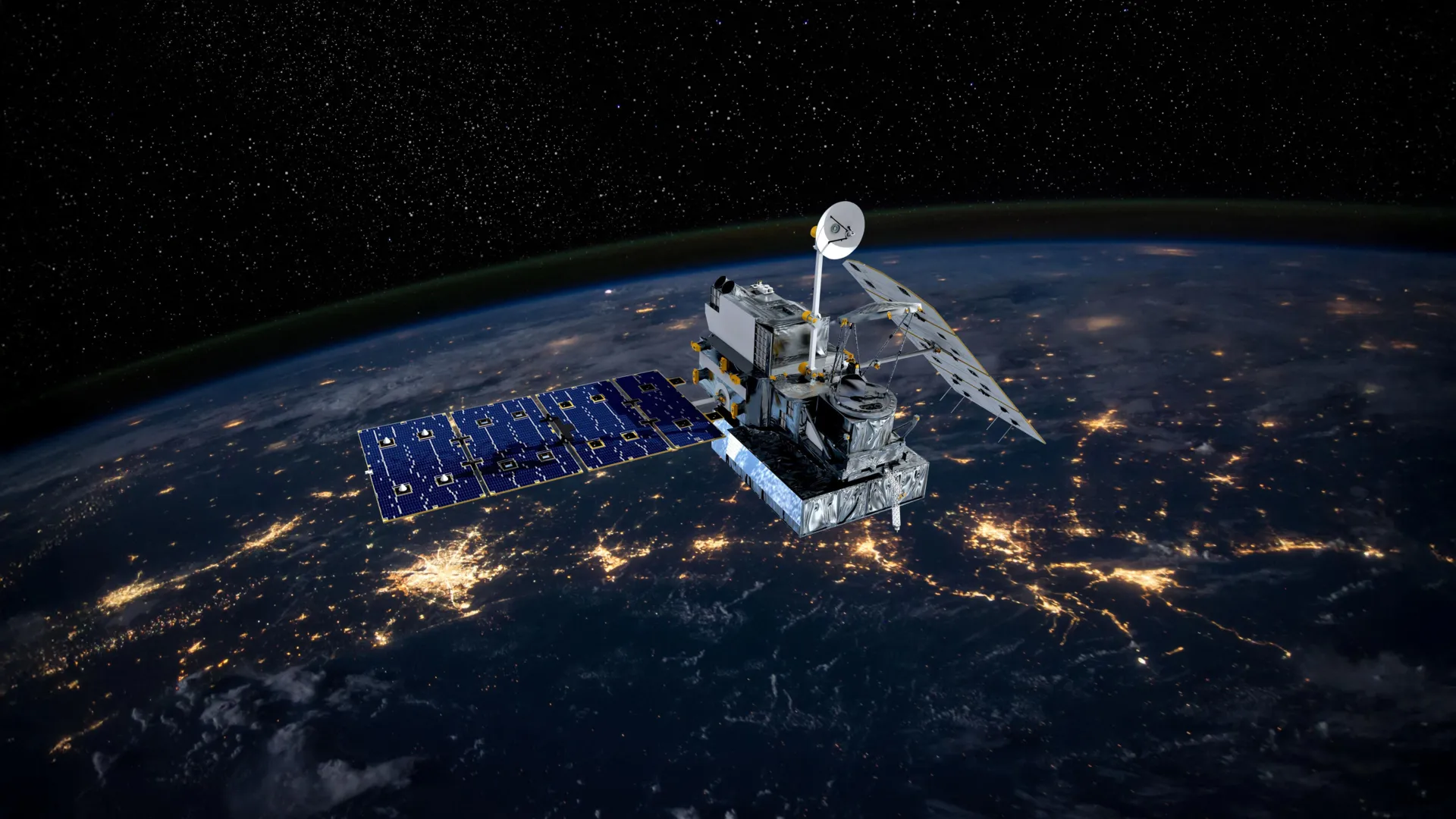
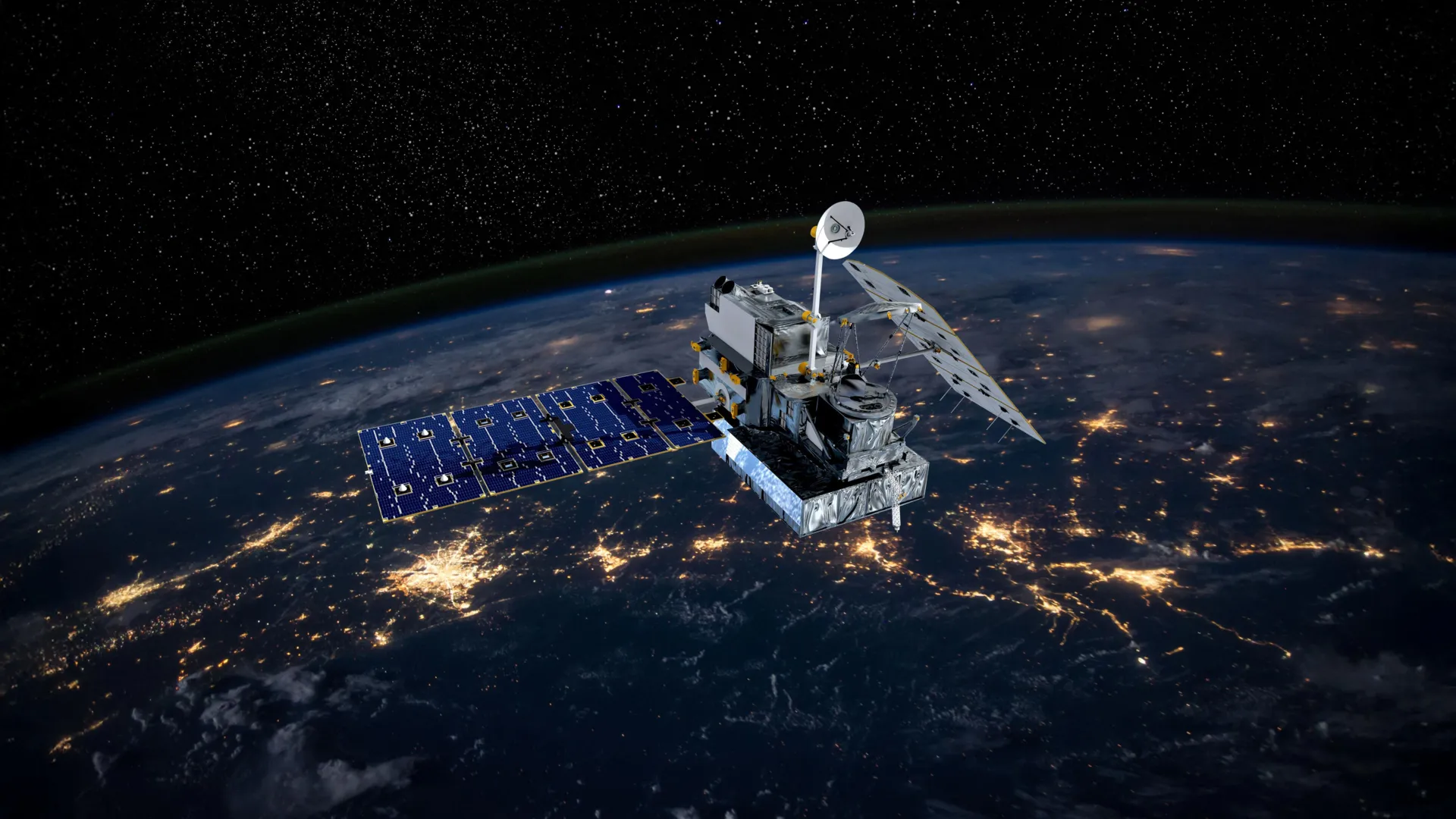
The global obsession with artificial intelligence has triggered a hunger for computational power that Earth’s terrestrial infrastructure is struggling to satisfy. As data centers consume record-breaking amounts of electricity and water, prompting public backlash and regulatory hurdles, a new, audacious frontier is emerging: the orbital data center. Industry giants, most notably SpaceX, are pivoting from simple satellite deployment to the creation of a full-scale orbital ecosystem. The vision is seductive—a world where the "railroads, electric utilities, and cloud providers" of the next century operate beyond the atmosphere, free from the constraints of geography and local infrastructure.
The Genesis of Orbital Computing
The transition from speculative science fiction to engineering feasibility began as the cost of orbital launches plummeted. Historically, the prohibitively high price of lifting hardware into space rendered industrial-scale computing impossible. However, the rise of reusable launch vehicles has fundamentally altered the economics of space access.
- 2020–2024: The "Starlink Effect" demonstrates the viability of massive low-Earth orbit (LEO) constellations, proving that mass-producing sophisticated space hardware is achievable.
- 2025: As AI-driven compute demand surges, energy analysts begin identifying a "data center wall," where grid capacity on Earth cannot keep pace with the power required to train large language models.
- 2026: Leading firms, including SpaceX, begin publicizing concepts for specialized "compute satellites." These designs represent the first attempt to shift the physical footprint of the cloud from the surface to the stars.
The Engineering Paradigm: Earth vs. Orbit
To understand the challenges of space-based computing, one must first deconstruct the modern data center. On Earth, these facilities are essentially massive thermal and electrical management systems wrapped around server racks. They require vast amounts of water for cooling and stable, high-voltage connections to the grid.
In space, the variables change entirely. Proponents argue that the "cold background of space"—a frigid 2.7 Kelvin or roughly minus 455 degrees Fahrenheit—provides a natural heat sink. By utilizing thermal radiators, these facilities could theoretically shed heat without the water-intensive chillers that define modern terrestrial data centers.
However, the laws of physics impose strict limitations. In the vacuum of space, there is no air to facilitate convection. Heat can only be rejected through infrared radiation, a notoriously slow process. Calculations suggest that to shed the heat produced by a 10-megawatt facility—a relatively modest size by current standards—a company would need to deploy radiator surfaces equivalent in size to two football fields. This creates a massive, fragile structure that must be launched and assembled in orbit.
The Economic and Environmental Trade-offs
The appeal of orbital data centers is not merely technical; it is geopolitical and environmental. Terrestrial data centers have become flashpoints for local contention. Residents in regions like Northern Virginia—the world’s largest data center hub—have mobilized against the noise, land usage, and water consumption associated with these facilities.
By shifting these operations to space, companies aim to bypass:
- Zoning and NIMBYism: Orbital facilities face no local municipal regulations or public outcry.
- Resource Scarcity: Rather than drawing from overstressed power grids, they rely on solar energy, which is immune to terrestrial weather patterns and day-night cycles (in high-altitude orbits).
- Environmental Impact: While the launch process itself has a carbon footprint, proponents argue that the total life-cycle impact could be lower if the facility avoids the massive water consumption and land-clearing required by ground-based plants.
Yet, these benefits are countered by the reality of "space junk." The orbital environment is already reaching a critical density. Introducing thousands of massive, heat-radiating structures creates a heightened risk of collisions. A single catastrophic failure could generate a cloud of debris that threatens the very constellations—like Starlink—that these data centers rely on for connectivity.
The Hardware Refresh Dilemma
Perhaps the most significant hurdle is the "refresh cycle." On Earth, the pace of AI advancement necessitates that companies replace server hardware every three to five years to remain competitive. Current server architectures are designed for rapid, low-cost maintenance by human technicians.
In space, this maintenance model is non-existent. Unless a breakthrough occurs in autonomous, in-space assembly and manufacturing (ISAM), hardware sent to orbit is effectively locked in place. If a GPU or processor becomes obsolete or fails, the entire unit may become a multi-million-dollar piece of space junk. This creates a fundamental misalignment between the rapid, iterative nature of AI development and the slow, capital-intensive nature of space infrastructure.
Official Responses and Industry Outlook
While SpaceX has officially teased the "AI1 Compute Satellite," the current technical specifications reveal a reality check: these initial units are between 100 and 1,000 times less capable than a standard ground-based hyperscale facility.
Industry analysts remain divided. Some, like those within the aerospace sector, argue that the goal is not to replace the data center, but to augment it. "The first wave of orbital compute won’t be for streaming movies or banking," notes Dr. Elena Vance, a systems engineer familiar with the project. "It will be for processing Earth observation data, secure military communications, and scientific modeling where the data is already being generated in space."
SpaceX has faced ongoing scrutiny from environmental activists at their Boca Chica facility, signaling that the "space escape" strategy may simply shift public ire from the community level to the global, environmental level. As protesters argue, the environmental cost of constant, heavy-lift rocket launches cannot be ignored in the pursuit of "cleaner" computing.
Implications for the Future
The move toward orbital data centers represents a fundamental shift in how humanity manages its digital footprint. It is a transition from an infrastructure of convenience to an infrastructure of necessity.
Implications include:
- Strategic Autonomy: Nations that control orbital computing will gain a distinct advantage in real-time global intelligence and secure communication, potentially rendering traditional terrestrial fiber-optic networks secondary.
- Market Consolidation: Given the astronomical costs of entry, the "space economy" is likely to favor a monopoly or duopoly, granting massive power to the companies that own both the rockets and the servers.
- Regulatory Vacuums: International space law is currently ill-equipped to handle industrial zoning in orbit. There is no clear framework for "space noise," light pollution, or orbital liability regarding data center failure.
Conclusion: The First Steps of a New Era
The dream of an orbital data center is currently in its infancy. While the physics of heat rejection and the economics of hardware lifecycles suggest that the "orbital cloud" will not replace Earth-based centers in the near term, the trajectory is clear. As our demand for AI processing power pushes terrestrial systems to their breaking point, the vacuum of space offers a tantalizing, albeit treacherous, alternative.
We are witnessing the early, experimental stages of a transition that mirrors the expansion of the industrial revolution into the maritime and aviation spheres. Whether these orbital data centers become the backbone of a new digital age or simply another layer of debris in our crowded skies depends on whether we can master the art of in-space repair, assembly, and sustainable orbital management. For now, the computing world looks upward, waiting to see if the cloud will truly move into the sky.



 Evan Lee Salim
 Raul Delapena Setiawan
 Reynand Wu
 Sagoh
Sagoh

 Azzam Bilal Chamdy
 Ali Ikhwan