
 Nila Kartika Wati
As the retail calendar shifts, the traditional "day after Thanksgiving" model of Black Friday has effectively become a relic of the past. For modern consumers, the holiday shopping season has evolved into an extended, multi-month digital marathon. With economic pressures mounting and shopping behaviors shifting toward social discovery, brands are finding that their success this Q4 depends less on in-store foot traffic and more on the strength of their social media ecosystem.
According to the Q3 2026 Sprout Social Pulse Survey, a staggering 78% of users intend to utilize social media platforms as much as, or more than, they did last year to research and purchase holiday gifts. Social media has now reached parity with physical retail as a primary destination for gift discovery, with 46% of shoppers identifying social channels as their top-tier choice for holiday research.
Main Facts: The Shift to Social Commerce
The fundamental reality for retailers this year is that the "Black Friday window" has expanded. Driven by the growth of social commerce, the event now encompasses a sprawling ecosystem of Small Business Saturday, Cyber Monday, and the weeks leading up to them.
The data indicates that consumers are not merely scrolling for entertainment; they are conducting high-stakes financial research. As inflation and tariff-related concerns weigh on household budgets, social media has become the primary tool for finding value. Nearly 69% of survey respondents expressed concern over rising prices due to tariffs, leading 36% to accelerate their shopping timeline to avoid anticipated price spikes. Furthermore, 56% of shoppers are actively planning to reduce their total holiday spending, making every dollar spent a more deliberate, researched decision.
Chronology: The Extended Holiday Timeline
In previous decades, the "doorbuster" was a single-day event. Today, the timeline follows a sophisticated, multi-phase progression:
- Early Q4 (Pre-November): The Research Phase. Consumers are actively scouting for deals and building wishlists. Brands that provide value, inspiration, and clear messaging here capture the "early bird" spenders.
- The November Ramp-Up: The Consideration Phase. Influencer collaborations and social-first content gain traction. Brands utilize A/B testing on creative assets to determine which messaging resonates most effectively.
- Black Friday/Cyber Monday Week: The Conversion Phase. Omnichannel activations—linking social media, email marketing, and physical retail—reach their peak.
- GivingTuesday and Beyond: The Loyalty Phase. Brands pivot to community-focused content, reinforcing brand values and cementing relationships to drive post-holiday retention.
Supporting Data: Why Trust is the New Currency
The 2026 landscape is defined by a heightened need for brand trust. With competition at an all-time high and consumer budgets tightening, brands cannot rely on volume alone.
Data from the Q3 pulse survey highlights two critical pillars of modern conversion:
- Customer Service as a Conversion Tool: 23% of respondents stated that the quality of a brand’s social media customer service directly influences their likelihood to purchase.
- Originality Matters: Another 23% noted that the creativity and originality of holiday-specific content are significant factors in their purchasing decisions.
Perhaps most importantly, promo codes shared by influencers remain the single most powerful driver of purchasing behavior. 30% of shoppers identify influencer-shared codes as their primary motivator, outpacing all other marketing variables. This underscores the necessity of moving beyond broad-reach advertising toward hyper-relevant, niche-focused partnerships.
Official Strategies: 5 Proven Social Media Post Types
To successfully navigate the 2026 holiday season, leading brands are diversifying their content across five proven formats:
1. Influencer Collaborations
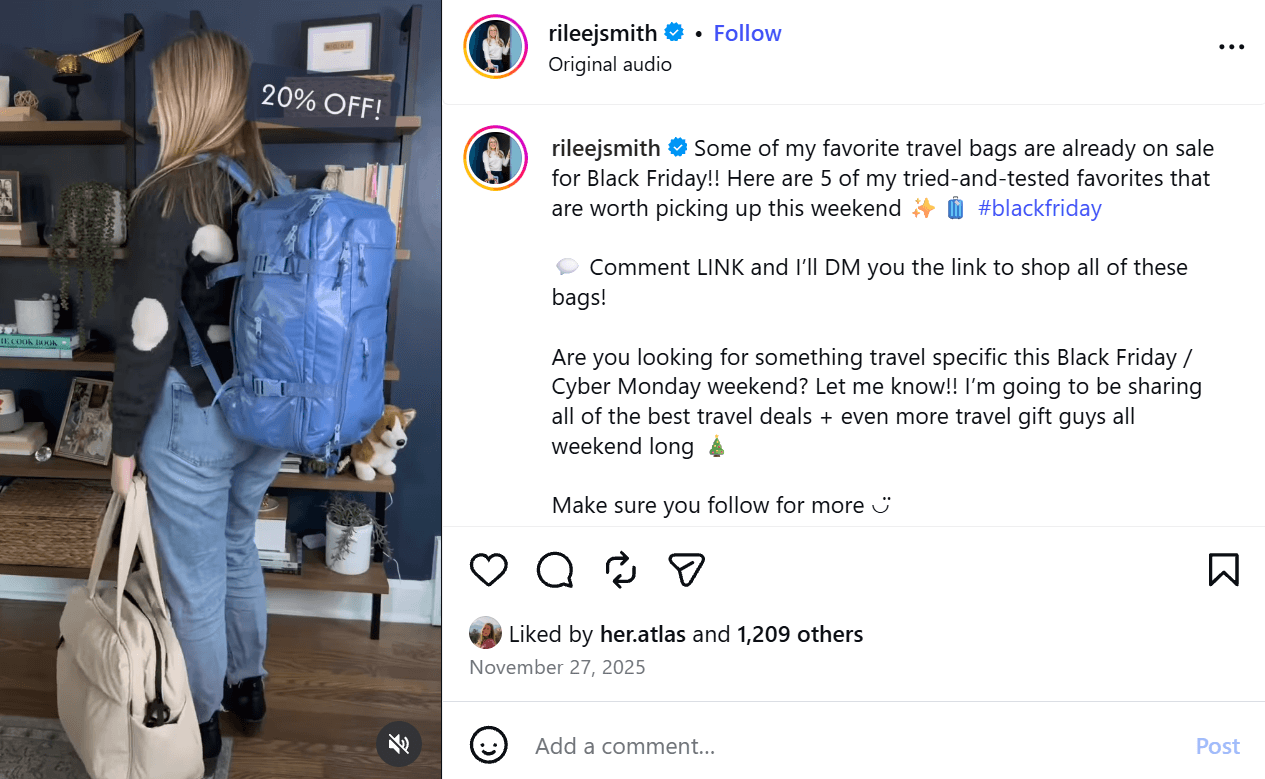
The era of the "celebrity spokesperson" has given way to the era of the "niche expert." Brands are partnering with micro-influencers to reach specific demographics, such as tech enthusiasts or sustainable fashion advocates. By providing these influencers with exclusive promo codes, brands can track ROI while providing followers with genuine value.

2. Giveaways and Contests
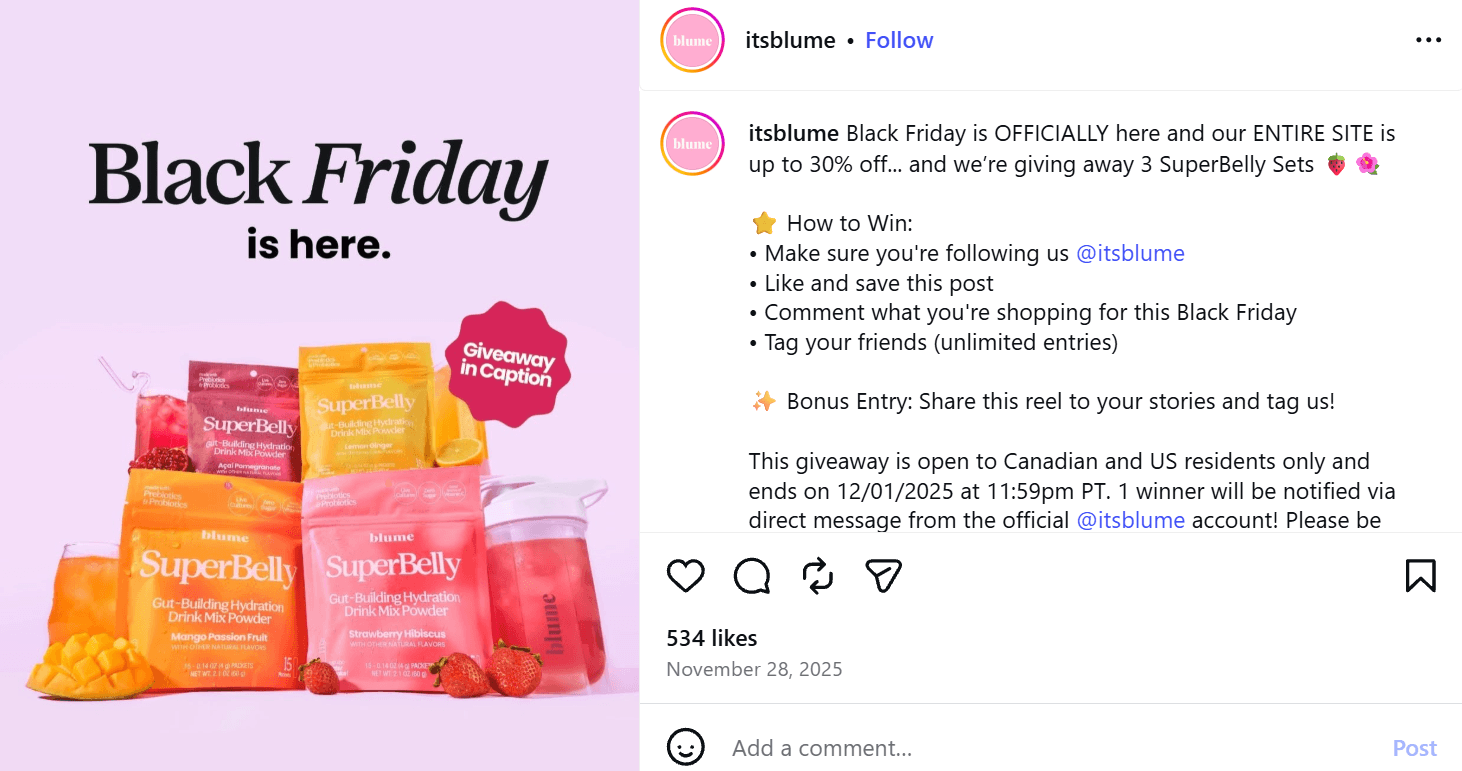
Contests remain the fastest way to ignite engagement. By tying giveaways to specific product lines—as seen with the brand Blume’s SuperBelly campaign—brands can simultaneously drive brand awareness and highlight their holiday sale offerings.
3. Loyalty Programs
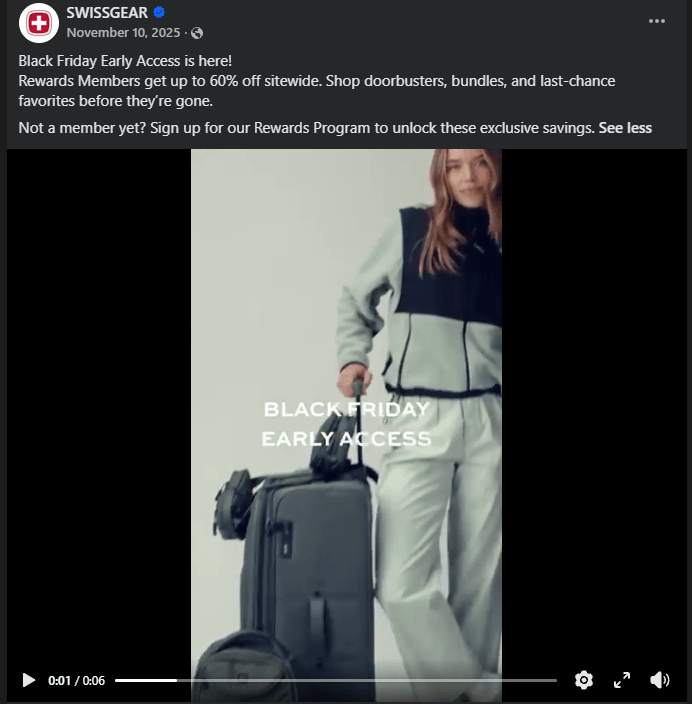
Loyalty is the antidote to the "one-and-done" sale. Brands like SWISSGEAR have successfully utilized their social channels to offer rewards members "early access" to deep discounts, turning a standard sale into an exclusive experience that rewards repeat customers.
4. Omnichannel Activations
Modern consumers are platform-agnostic, moving fluidly between TikTok, Instagram, Reddit, and physical storefronts. Brands like Gymshark excel here by creating a "seamless loop" where social teasers, email notifications, and in-store experiences all align under a single, unified brand narrative.
5. Community-Inspired Content
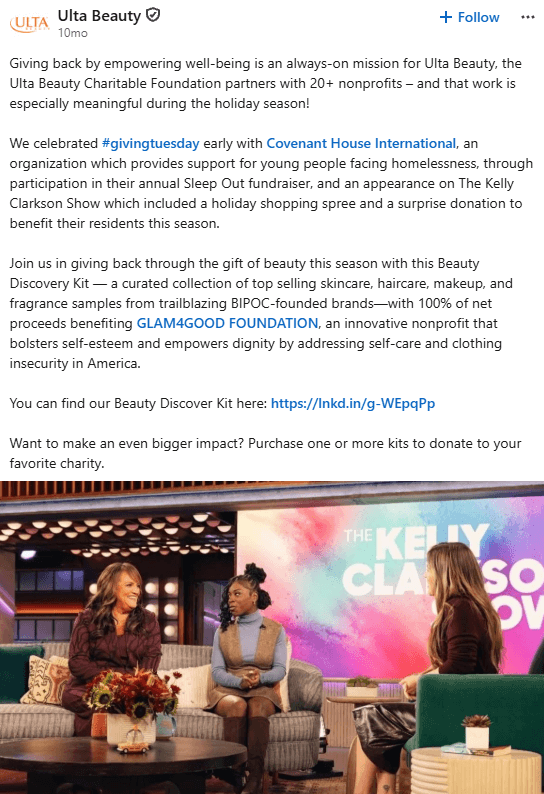
Giving back is no longer a "nice to have"—it is a brand imperative. Aligning with causes through initiatives like GivingTuesday—as seen with Ulta Beauty—allows brands to connect with their audience’s values, turning transactional customers into brand evangelists.

Implications for Future Strategy: 7 Tactical Pillars
For marketing teams looking to optimize their Q4 output, the following seven pillars provide a framework for success:
- Encourage Opt-ins: Use early-bird exclusives to grow your email and social subscriber base before the November rush.
- A/B Test Creative: Don’t guess—test. Determine early which formats (static graphics vs. short-form video) generate the highest conversion.
- Vet Influencers with AI: Utilize tools like Sprout Social’s AI-powered semantic search to find influencers whose content contextually aligns with your brand, rather than just looking at surface-level follower counts.
- Profile Optimization: Your social profile is your storefront. Ensure your bios are updated with clear links to your Black Friday landing pages.
- Automate for Scale: With 38% of consumers expecting a brand response within 1–2 hours, automation tools are essential for maintaining service levels without burning out your team.
- Segmented Messaging: One size does not fit all. Create distinct creative assets for different audience segments to ensure maximum relevance.
- Measure and Pivot: Utilize campaign performance reports to extract data in real-time. If a strategy isn’t hitting the mark, the data will tell you immediately, allowing for rapid pivots.
Case Studies in Excellence
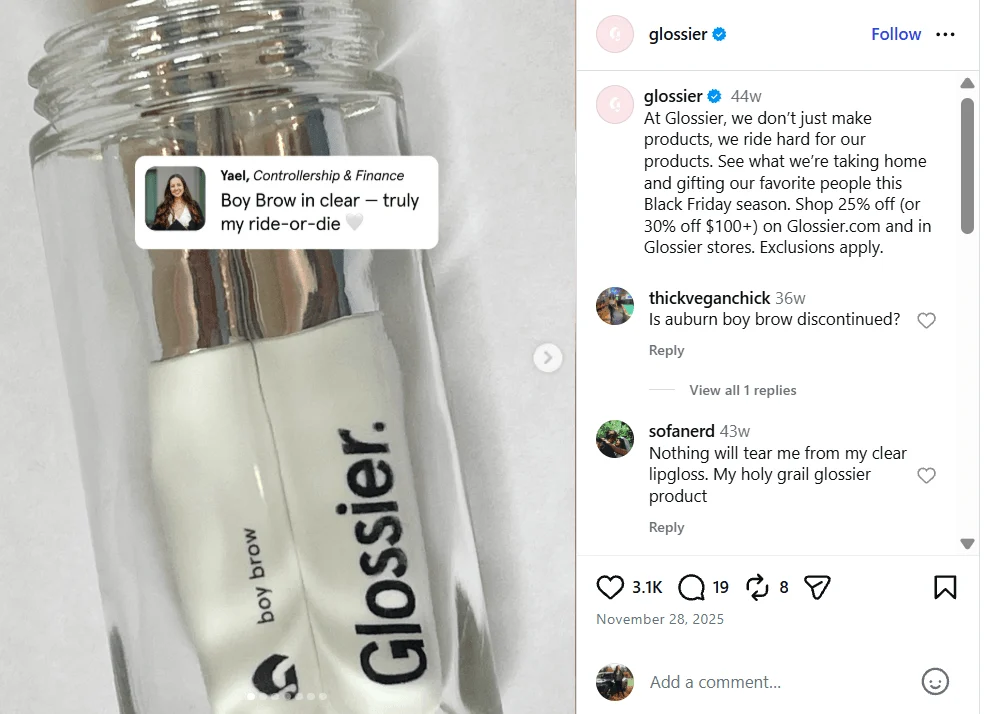
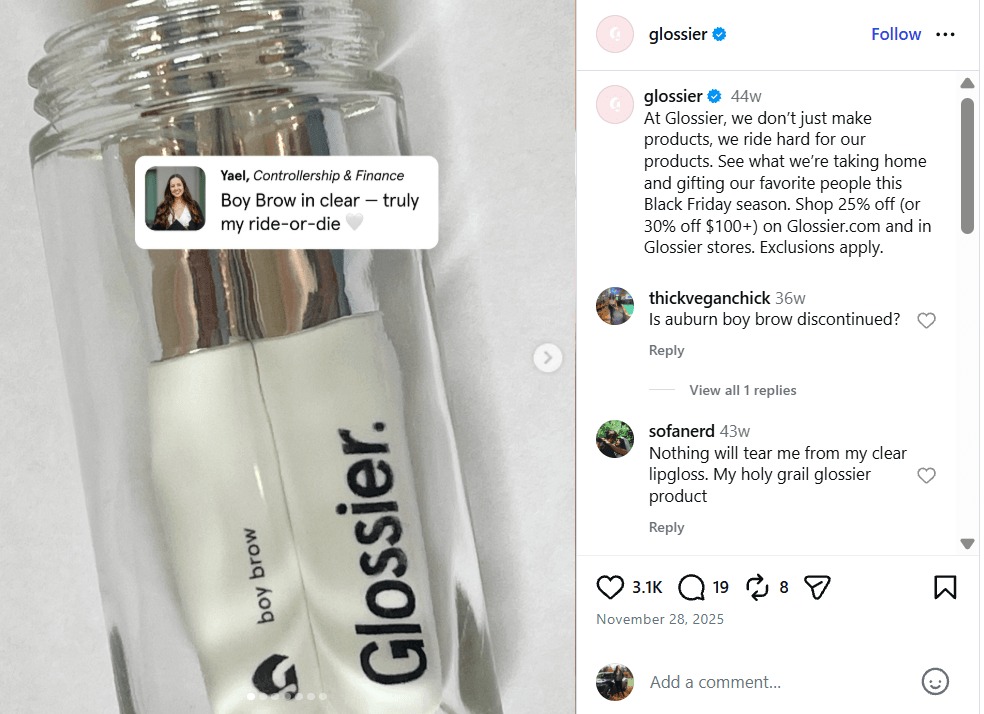
Glossier’s "employee-as-influencer" strategy highlights the growing consumer demand for human connection. By featuring employees sharing their personal wishlists, they bypassed the sterility of traditional advertising and built a relatable, authentic narrative.
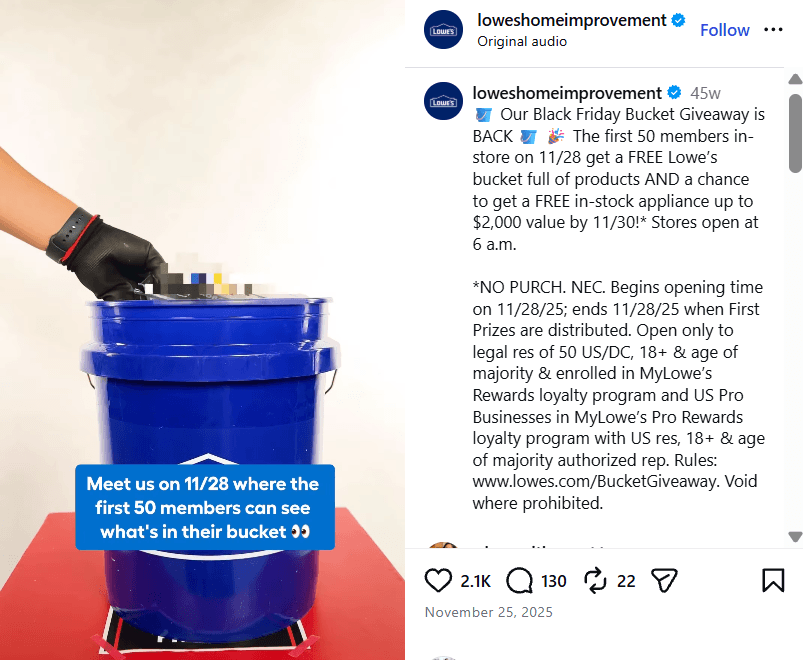
Lowe’s proved that low-tech can still yield high-impact results. Their "Blue Bucket" giveaway used the power of nostalgia and physical scarcity to drive massive amounts of User-Generated Content (UGC), as customers raced to social media to share their unboxing videos and prizes.
GoPro continues to master the art of community-driven content. By letting their users (and their pets) do the talking, they keep their brand voice light, entertaining, and deeply embedded in the lifestyle of their customers.
Final Perspective
The 2026 holiday season will reward brands that prioritize agility, authenticity, and technical precision. As consumers continue to stretch their dollars, the brands that win will be those that provide not just a discount, but a reason to engage.
By leveraging the power of social data, embracing the shift toward community-driven marketing, and automating the back-end customer experience, brands can move beyond the "Black Friday" trap. Instead, they can build a resilient, year-round strategy that turns the holiday shopping rush into a foundation for lasting brand loyalty. The work begins now—the most successful brands are already in the room, listening to their customers and refining their plans for the busiest months of the year.

 Lina Irawan
 Layla Zulfa
 Rifan Muazin
 Pevita Pearce
