
 Nila Kartika Wati
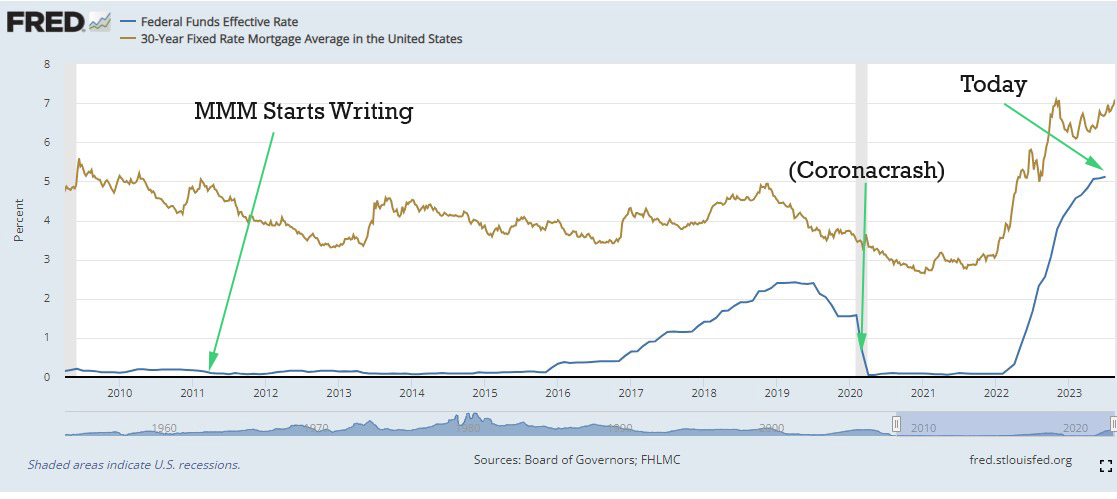
For over a decade, the global financial landscape operated under a singular, predictable rhythm: near-zero interest rates. From 2011 through the onset of the pandemic, cheap capital acted as the lifeblood of the economy, fueling everything from the meteoric rise of tech startups to the unprecedented expansion of the residential housing market.
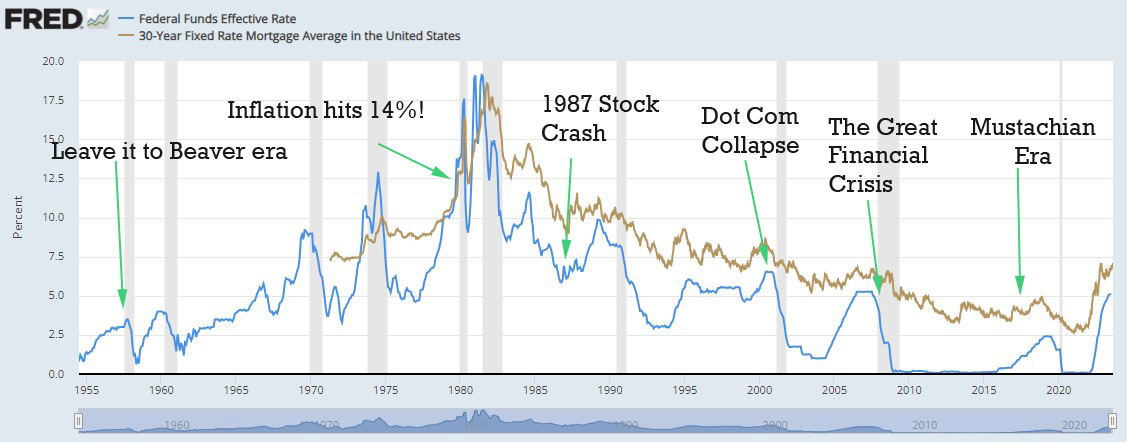
Then, the script flipped. In a decisive move to combat the highest inflation rates seen in forty years, the Federal Reserve—led by Chairman Jerome Powell—slammed on the brakes. The era of "free money" has officially ended, replaced by a high-interest-rate environment that has left investors, homebuyers, and corporations grappling with a new, more expensive reality.

The Mechanics of the Shift: Why Now?
To understand the current environment, one must view interest rates as the "gas pedal" of the economy. When the Federal Reserve lowers rates, borrowing becomes inexpensive. Corporations take on debt to expand, entrepreneurs launch new ventures, and families secure mortgages with historic ease. This influx of capital stimulates growth, but it also creates a byproduct: increased demand.
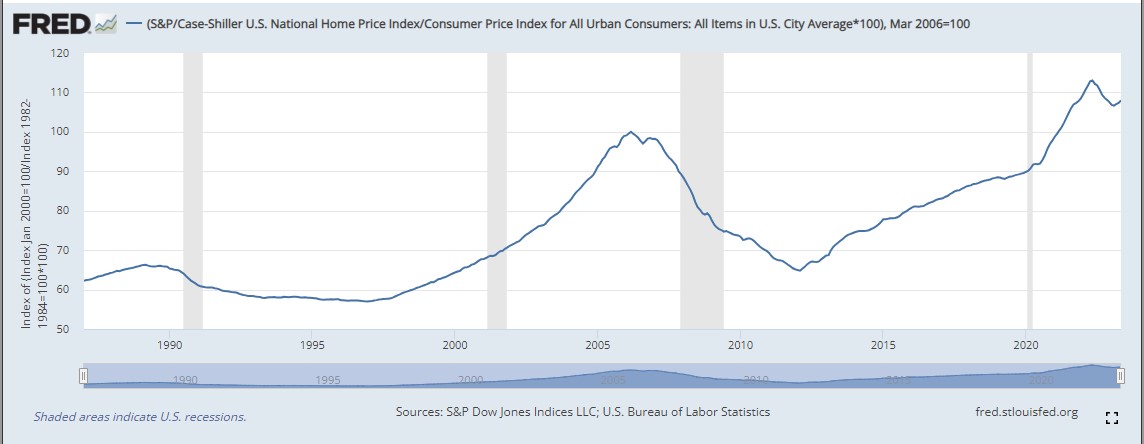
During the post-pandemic recovery, that demand outpaced supply. With too much money chasing too few goods—particularly in the housing sector—inflation soared. Faced with this surge, the Federal Reserve began a series of aggressive rate hikes, transitioning from a stimulative stance to a restrictive one. This "tough medicine" is designed to cool the economy, lower consumer spending, and ultimately stabilize prices.
A Chronology of the Policy Pivot
The transition was not instantaneous, but it has been seismic in its impact:
- 2011–2020: The "Easy Money" Era. Interest rates hovered near zero, fostering a long-term bull market and low-cost borrowing for businesses and households.
- 2021–2022: The Inflationary Spike. As supply chains faltered and post-lockdown demand surged, inflation hit levels not seen since the early 1980s.
- 2022–2023: The Great Tightening. The Federal Reserve initiated a rapid succession of rate hikes. Mortgage rates, which had lingered around 3% for years, doubled, hitting 20-year highs.
- Late 2023–Present: The "Wait and See" Period. The economy has shown remarkable resilience, with low unemployment, yet the high-cost environment continues to pressure corporate hiring and real estate transactions.
Supporting Data: The Impact on Markets and Households
The shift in monetary policy has sent ripples through every asset class.

The Stock Market Dilemma
The S&P 500 and broader indices have faced significant headwinds. From early 2022 through mid-2023, the market experienced a period of stagnation. While the long-term historical trend for equities remains upward, the current environment presents a psychological hurdle for investors. However, many financial experts argue that a market "on sale"—with prices down roughly 10% from previous peaks—offers a compelling entry point for long-term investors who prioritize index fund accumulation over short-term volatility.
The Housing Market Correction
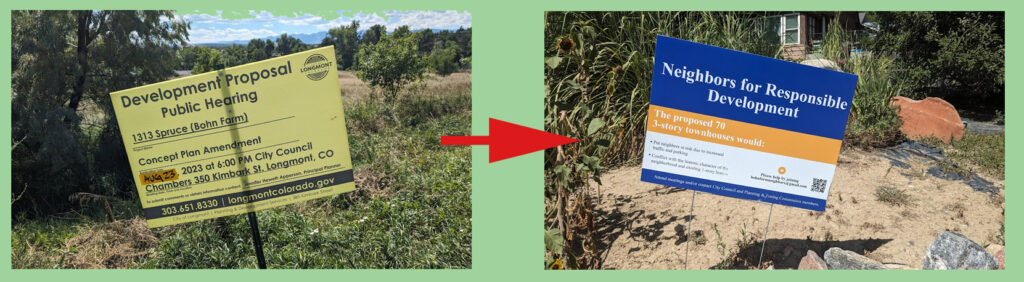
Housing is perhaps the most visible victim of the new rate environment. Consider a buyer securing a mortgage today versus two years ago. With rates moving from roughly 3% to 7.5%, the monthly debt service for a standard home has skyrocketed, effectively pricing many first-time buyers out of the market. This has led to a "lock-in" effect, where existing homeowners with low-rate mortgages refuse to sell, further restricting supply and keeping prices artificially elevated despite the drop in demand.

The Inverted Yield Curve: A Recessionary Signal?
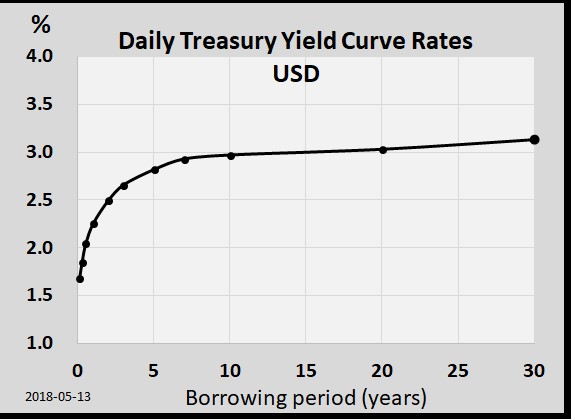
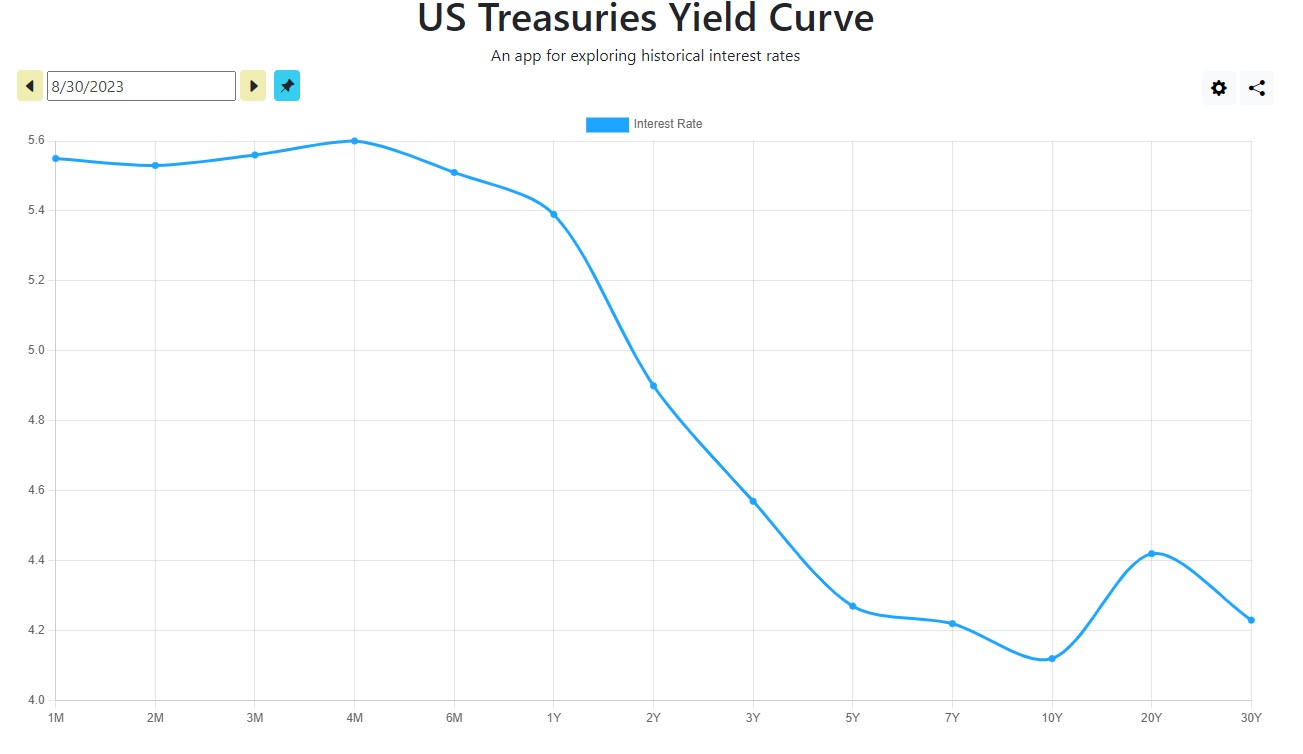
One of the most concerning technical indicators currently observed is the inverted yield curve. Typically, lenders demand higher interest rates for locking away their capital for longer periods (e.g., a 30-year bond pays more than a 2-year bond).
However, we are currently seeing the opposite: short-term Treasury yields are offering higher returns than long-term bonds. This anomaly occurs when investors believe that the economy is headed for a downturn, forcing the Federal Reserve to cut rates in the future to stimulate recovery. Historically, an inverted yield curve has preceded nearly every recession in the last 75 years. While the labor market remains strong—defying the expectations of many economists—the bond market’s message remains a clear warning.
Official Perspectives and Economic Resilience
Despite the doomsday narratives often found in mainstream media, the underlying data presents a complex, often contradictory, picture. While the Federal Reserve is intentionally cooling the economy, the U.S. labor market has remained exceptionally tight. Unemployment sits near 50-year lows, and consumer spending has shown surprising fortitude.
Some economists suggest we are not in a "doomed" cycle, but rather in a necessary period of "digestive" recalibration. The economy, having gorged on the "sugar" of low-interest debt, is now experiencing the inevitable, albeit uncomfortable, process of returning to historical norms.
Strategic Implications: What Should You Do?
The fundamental question remains: In this high-rate environment, what is the best course of action?
1. Reassess Your Investment Horizon
For the long-term investor, the answer remains unchanged: maintain your course. Attempting to time the market is a fool’s errand. High-interest-rate environments often present opportunities to buy assets at a discount. If you have the cash, current yields on money market funds and bonds are arguably more attractive than they have been in decades, providing a safe harbor for liquidity while you wait for the next market cycle.
2. The Housing Strategy
If you are in the market for a home, the math has undeniably changed. Rather than chasing interest rates, focus on affordability and long-term utility. If you have the savings, a large down payment can mitigate the impact of higher monthly payments. Furthermore, focus on "good" housing—properties that offer long-term value, proximity to transit, and lower maintenance costs. Remember that the interest rate is not a permanent fixture; refinancing remains an option if rates drop in the future.
3. Maintain Financial Autonomy
The most effective hedge against interest rate volatility is not a sophisticated financial instrument—it is the elimination of debt. By keeping your lifestyle "lean," maintaining a robust emergency fund, and avoiding the trap of high-interest consumer debt, you insulate yourself from the fluctuations of the broader economy. When you are not dependent on credit, the Federal Reserve’s decisions become mere background noise rather than a source of personal anxiety.
Conclusion: Perspective as a Tool
We are currently navigating a transition from an anomalous, decade-long era of cheap money to a more historically standard economic environment. While the financial news cycle thrives on fear and conflict, the individual investor is best served by a posture of calm.
Interest rates will likely fluctuate over the coming 18 to 24 months, and a recession remains a distinct possibility. However, these events are largely outside of your control. By focusing on the variables you can influence—your personal savings rate, your career growth, your spending habits, and your long-term investment strategy—you can turn what others view as a crisis into a period of quiet, disciplined growth.
Ultimately, if you have your "sails" properly set, the shifting winds of the Federal Reserve will be nothing more than ripples on the lake.


 Lina Irawan
 Basiran

 Neng Nana
 Nana Muazin
 Jia Lissa
 Laily UPN
 Asep Darmawan