
 Nana
Nana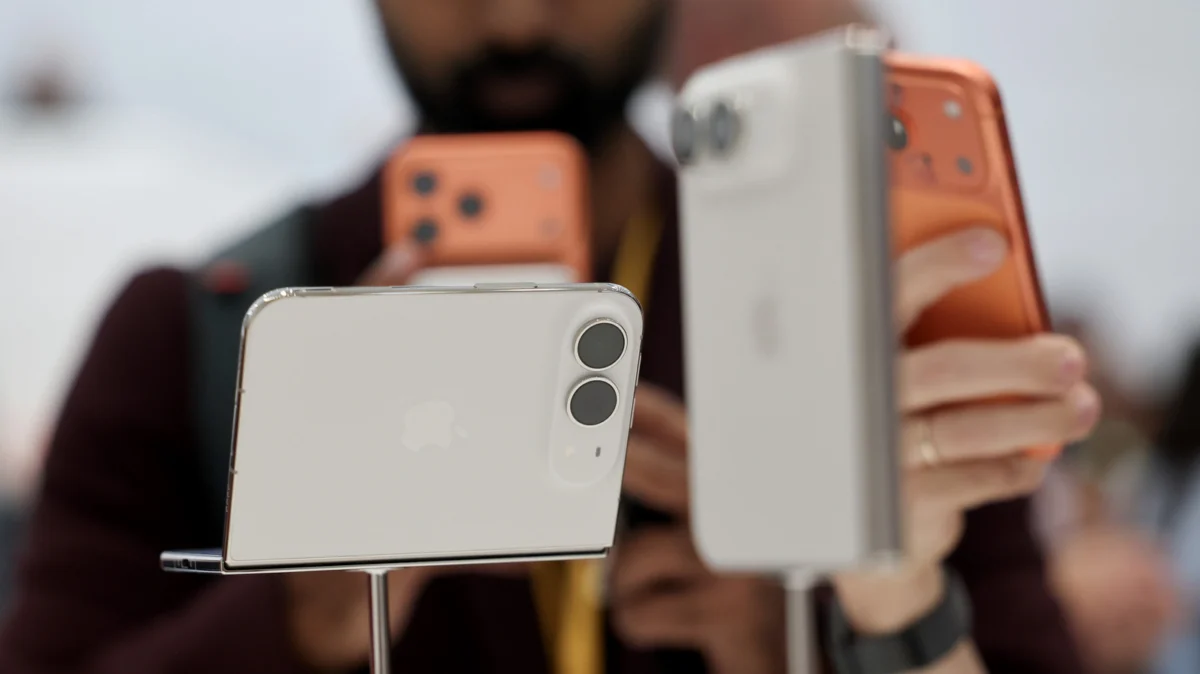
The landscape of mobile technology has shifted definitively toward the "passport" foldable form factor. Moving away from the squatter, tablet-like designs that dominated the early foldable market, the newly unveiled iPhone Duo and Xiaomi 18 Fold represent a new standard for luxury, ergonomics, and engineering. Launched within just 48 hours of one another, these devices signify a maturation of the foldable category, promising a future where high-end mobile computing is no longer confined to static, rigid displays.
While the two devices share a common visual silhouette, they represent two fundamentally different philosophies regarding hardware, software integration, and consumer accessibility. As the market braces for a new era of pocketable, dual-screen devices, we take an analytical deep dive into how these two titans stack up across their design, internal architecture, and user experience.
Main Facts: The New Standard in Pocketable Power
The iPhone Duo, Apple’s first major departure into the foldable space in a decade, arrives with a premium price tag of $1,999. It is positioned as the ultimate tool for power users, emphasizing ecosystem integration and refined software. Pre-orders are set to commence on October 16, with the official retail launch following on October 23.
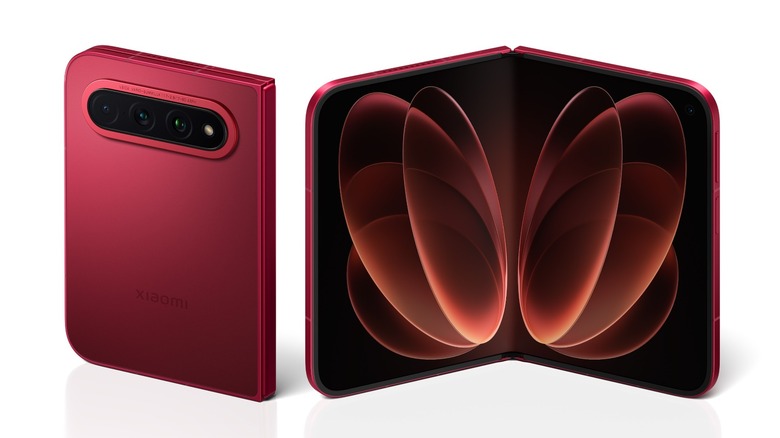
In contrast, the Xiaomi 18 Fold targets a different demographic. Priced at approximately 10,999 yuan (~$1,640), it offers aggressive hardware specifications for a significantly lower entry cost. However, it remains exclusive to the Chinese market, a strategic decision by Xiaomi that currently limits its global footprint.
Both devices feature a 7.6-inch internal foldable display and a 5.4-inch cover screen, both boasting a 120Hz adaptive refresh rate. Yet, beneath these surface-level similarities lie stark differences in peak brightness, build materials, and processing capabilities.
Chronology: A Frenetic Launch Window
The week of the announcement felt like a seismic event for the mobile industry.
- October 14: The industry is abuzz as leaks regarding the iPhone Duo’s "nano-textured" internal display surface, fueling speculation about how Apple intends to solve the persistent "crease" issue that has plagued foldable screens for years.
- October 15: Xiaomi holds its keynote event, unveiling the 18 Fold. The tech community is immediately struck by its remarkably low weight of 219 grams and its aggressive 200-megapixel camera system.
- October 17: Apple officially lifts the veil on the iPhone Duo, emphasizing its A20 Pro 2-nanometer architecture and the introduction of "Siri AI" specifically optimized for the folding interface.
- October 18 – Present: Technical analysts and early hands-on testers have begun dissecting the hardware, noting the divide between Apple’s focus on software-led experience and Xiaomi’s focus on raw, hardware-first innovation.
Supporting Data: Hardware and Ergonomics
Display and Build Quality
The battle for the eyes is fought on the front of brightness and visibility. While both screens offer 120Hz fluidity, Xiaomi claims a peak brightness of 4,000 nits, eclipsing the iPhone Duo’s 3,000-nit capability. In real-world usage, this provides the 18 Fold with a distinct advantage in direct, harsh sunlight.
However, Apple counters with utility. The iPhone Duo’s internal screen utilizes a proprietary nano-textured layer. Beyond reducing glare, this layer significantly masks the physical crease, creating a seamless visual experience that remains unmatched by the competition. Furthermore, the Duo features an under-display front-facing camera, keeping the screen entirely notch-free.
When it comes to physical durability, the two devices diverge. Apple has opted for a titanium frame paired with its signature Ceramic Shield glass, achieving an IP68 rating for water and dust resistance—a critical feature for a device with moving mechanical parts. The Xiaomi 18 Fold, while lighter at 219 grams (compared to the Duo’s 254 grams), utilizes an aluminum frame and "Shield Glass 3.0." Crucially, Xiaomi has not provided an IP certification, raising questions about the long-term reliability of the device in varied environmental conditions.
Internal Architecture
At the heart of the iPhone Duo is the A20 Pro, the world’s first 2-nanometer mobile processor. This chip is built with a primary focus on energy efficiency and thermal management, allowing the Duo to run demanding tasks for longer periods without throttling.
The Xiaomi 18 Fold employs the XRING O3 chipset, based on a 3-nanometer architecture. While slightly behind the A20 Pro in node size, the 18 Fold compensates with sheer volume: 16 GB of RAM compared to the Duo’s 12 GB. While standard users may not notice the delta, heavy multitaskers and those utilizing on-device AI models will likely find the extra headroom in the 18 Fold beneficial for memory-intensive workflows.
Camera Systems: A Divergence in Strategy
The camera comparison highlights the most radical difference between the two manufacturers.
Apple has maintained a conservative approach, outfitting the iPhone Duo with a dual-camera setup consisting of two 48-megapixel sensors—one wide and one ultra-wide. While the image processing is expected to be world-class, the lack of an optical zoom lens is a glaring omission for a device retailing at $1,999.
Xiaomi, conversely, has thrown everything at the 18 Fold. It features a massive 200-megapixel main sensor, complemented by two 50-megapixel lenses—one for ultra-wide shots and another dedicated to optical zoom. For photography enthusiasts who view the smartphone as their primary camera, the Xiaomi 18 Fold is objectively the superior hardware package.
Official Responses and Industry Outlook
Representatives from both companies have framed their devices as the "final form" of the smartphone. An Apple spokesperson noted during the launch event, "We didn’t want to bring a foldable to market until we could guarantee the same longevity and ease-of-use our customers expect from the iPhone."
Xiaomi’s engineering lead, during a press Q&A at IFA 2026, emphasized the company’s commitment to "democratizing high-end technology," noting that the lower price point of the 18 Fold is intended to accelerate the adoption of foldable devices in the mid-to-high-end segment.
Implications: The Software Divide
While Xiaomi wins on hardware specifications, the true differentiator for the iPhone Duo is the software ecosystem. iOS 27 has been overhauled specifically for the foldable form factor. Features like advanced Split View multitasking, deep integration with Siri AI, and upcoming Apple Pencil support create a cohesive productivity environment that feels intuitive.
The software on the Xiaomi 18 Fold, while highly customizable, currently lacks the ecosystem polish that developers have built for iOS. Apple’s ability to compel developers to optimize apps for the foldable display ensures that the iPhone Duo will likely offer a more consistent experience across third-party applications.
The Verdict for the Consumer
For the average consumer, the choice is largely dictated by geography and priorities. If you are in the U.S. or prefer a device with a proven track record of software support, build durability, and a polished ecosystem, the iPhone Duo is the clear winner.
However, if you prioritize raw camera power, a lighter chassis, and higher RAM capacity at a lower price point, the Xiaomi 18 Fold is a formidable piece of engineering. The fact that the 18 Fold is currently restricted to China serves as a reminder that the global foldable market is still in its infancy, with regional players continuing to experiment with aggressive hardware configurations that force industry leaders to adapt. As we move through the final quarter of 2026, these two devices will serve as the benchmark against which all future foldables will be measured.


 Neng Nana
 Nana Muazin
 Basiran
 Jia Lissa
 Laily UPN
 Asep Darmawan