
 Jia Lissa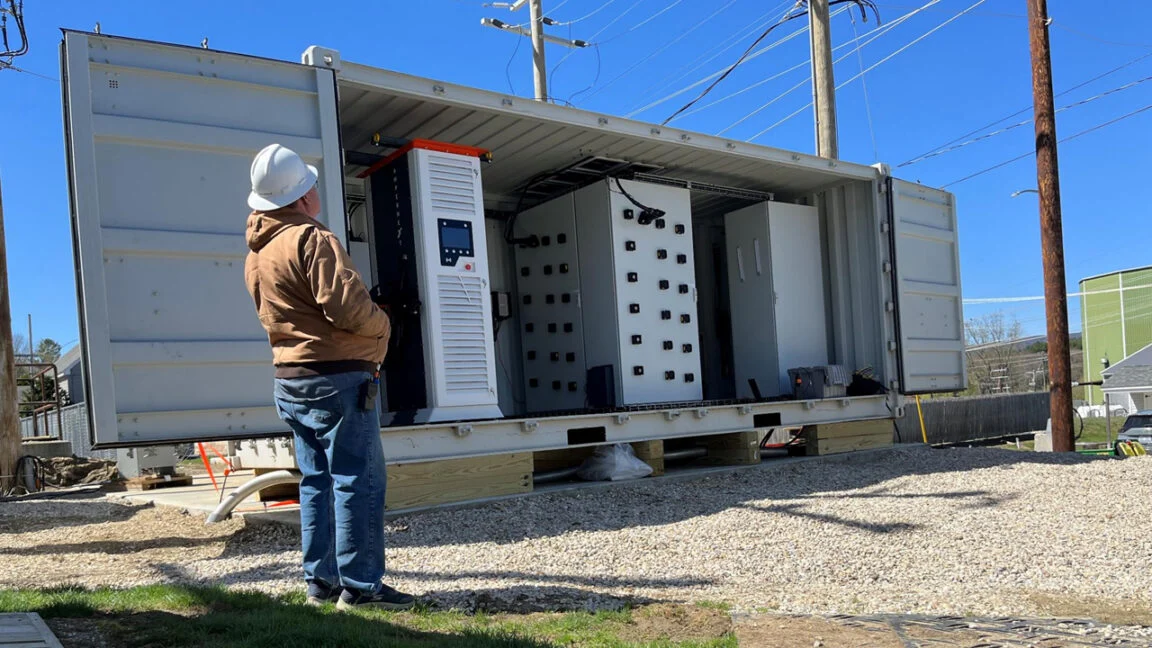
The modern electrical grid is a marvel of the 19th century, yet it is currently facing a 21st-century crisis. As the rapid expansion of artificial intelligence (AI) data centers places unprecedented strain on utility providers, the underlying architecture of power distribution—the humble transformer—has emerged as a critical bottleneck. However, a technological shift is underway: the transition from traditional, manually wound copper-and-steel transformers to advanced solid-state transformers (SSTs). This evolution, leveraging modern power electronics, promises to resolve long-standing supply chain issues while paving the way for a more efficient, DC-powered future.
Main Facts: The End of the "Copper and Steel" Era
For nearly 140 years, the fundamental design of power transformers has remained virtually unchanged. A conventional transformer consists of two copper wire coils manually wound around a massive steel core. These devices rely on electromagnetic fields to step up or step down voltage levels, enabling the long-distance transmission of alternating current (AC) electricity.
While effective, these industrial-age relics are inherently limited by their manufacturing requirements. They are heavy, labor-intensive to produce, and often custom-built for specific utility substations, making mass production impossible. This rigidity has created a significant hurdle for the US power grid: lead times for new transformers can now span several years, delaying both the integration of renewable energy and the expansion required to support the massive power demands of AI data centers.
In contrast, solid-state transformers represent a radical departure. By utilizing high-frequency semiconductor switching—often employing advanced materials like silicon carbide—SSTs can convert power electronically rather than through electromagnetic induction. They are significantly smaller, lighter, and modular, allowing them to be manufactured at scale like standard electronic components.
Chronology: A Decade of Development and Demonstration
The path to commercializing solid-state transformers has been a long, deliberate process of iterative engineering.
- 2018: The New York Power Authority (NYPA) and North Carolina State University (NC State) entered a collaborative research agreement aimed at developing, testing, and deploying modular power electronic systems for grid resilience.
- May 2026: A milestone was reached when a 1 MW solid-state transformer system, designed by NC State researchers, was deployed for live field testing at the Electric Power Research Institute (EPRI) facility in Lenox, Massachusetts.
- Summer 2026: The unit, housed in a shipping container, underwent rigorous stress testing under diverse environmental conditions to ensure its durability when subjected to the full distribution voltage of a live utility feeder.
- September 2026: The system is slated to return to NC State’s laboratory for final analysis and data collection, marking the conclusion of one of the most successful real-world demonstrations of high-power SST technology to date.
Supporting Data: The Efficiency of the "Magic Box"
The primary driver of interest in SSTs is their ability to act as an all-in-one power electronics hub. As data centers transition to direct current (DC) architectures—which are inherently more efficient for powering the energy-hungry GPUs and server racks used in AI—the SST offers a distinct advantage.
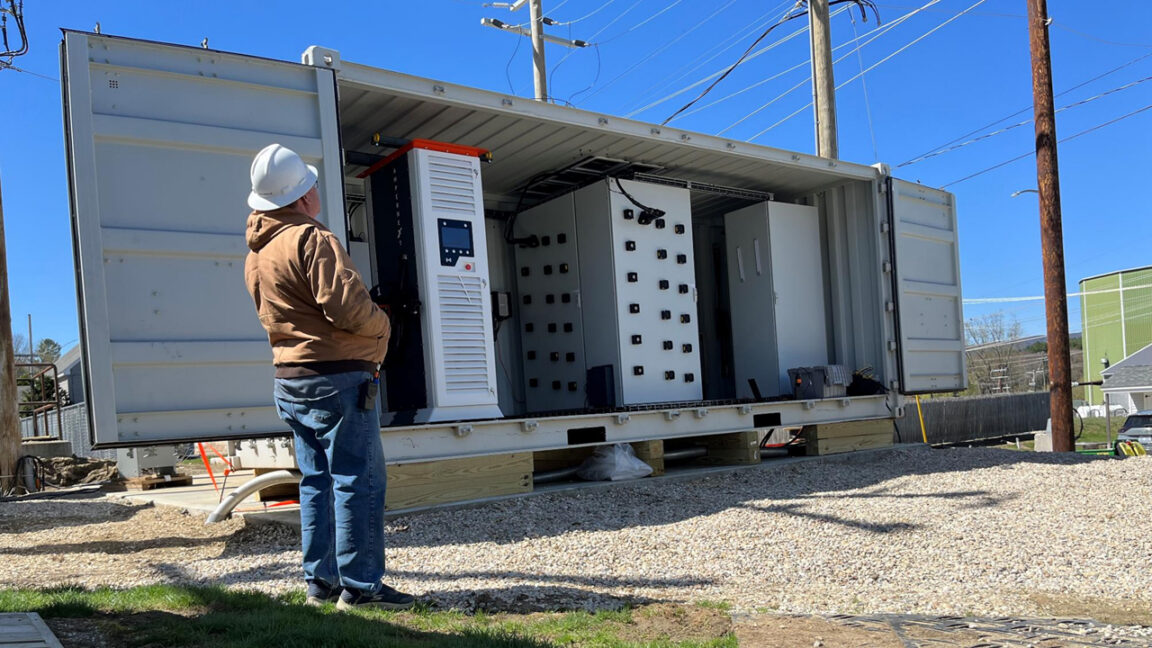
Traditional data centers require a complex chain of equipment to step down grid voltage and convert AC to DC. An SST can perform this conversion directly at the point of entry. According to Srdjan Lukic, a professor of electrical and computer engineering at North Carolina State University, this "magic box" approach eliminates much of the redundant infrastructure, complex wiring, and trenching typically required in large-scale electrical installations.
Furthermore, the data regarding the current power crisis is stark. Reports from the International Energy Agency (IEA) and the US Energy Information Administration (EIA) highlight data centers as the largest driver of surging electricity demand. With millions of dollars flowing into the sector—notably the $280 million raised by startups like Amperesand, Heron Power, and DG Matrix over the past year—the industry is signaling a clear move toward commercializing this technology to bridge the gap between supply and demand.
Official Responses: Expert Insights on Implementation
The academic and engineering community views the shift to solid-state technology as a "de-risking" process for the power industry.
"It looks like a big transformer box with a slightly different form factor, a big blob of what looks like steel," said Professor Lukic during a discussion on the NC State demonstration. "It replaces three blobs of steel with one blob of steel and removes a lot of the wiring and trenching that you would typically have to do."
The "blob of steel" analogy highlights the physical transformation of the grid. By moving away from custom-cast electromagnetic components to modular, semiconductor-based units, the manufacturing base can expand. Lukic emphasizes that because SSTs function similarly to other advanced electronic devices, they allow for a broader range of manufacturers to enter the transformer market, breaking the bottleneck created by the limited number of specialized, traditional transformer manufacturers.
Implications: A Future Beyond Data Centers
While AI infrastructure currently serves as the "killer application" providing the necessary funding and impetus for SST adoption, the long-term implications are far broader.

1. Electric Vehicle (EV) Charging
As demonstrated in the NC State testing, an SST is exceptionally capable of handling the heavy power loads required for high-speed EV charging. By streamlining the AC-to-DC conversion process, SSTs can facilitate the installation of ultra-fast charging stations in urban areas where space is at a premium and grid infrastructure is already constrained.
2. Modernizing Residential Power
The shift toward DC-native homes is a secondary, yet significant, potential impact. Many household appliances, smart electronics, and lighting systems already operate internally on DC power. An SST-based distribution system could theoretically provide power to a home more efficiently, reducing the energy loss currently incurred by every device having its own AC-to-DC "brick" or power supply.
3. Supply Chain Resilience
The modular design of solid-state transformers means that when a part fails, it can be replaced without needing to swap out the entire unit. This is a massive upgrade over the current "break-fix" model of the legacy grid, where a single component failure in a massive, custom-built transformer can lead to months of downtime.
4. Grid Flexibility and Control
Perhaps the most transformative aspect of the SST is its software-defined nature. Traditional transformers are "dumb" hardware; they simply pass voltage. An SST, however, includes an active front end that communicates with the grid. This allows utility companies to exert greater control over power quality, perform voltage regulation in real-time, and better manage the integration of intermittent renewable energy sources like solar and wind.
Conclusion
The transition to solid-state transformers is more than just a technological upgrade; it is a fundamental shift in how we conceive of energy delivery. While the immediate pressure of the AI data center boom is the primary catalyst for current investment, the downstream benefits—ranging from a more robust and flexible grid to the facilitation of high-speed, widespread EV adoption—suggest that the "magic box" developed in research laboratories today will become the standard for the electrical infrastructure of tomorrow. By replacing the 1880s-era "steel blob" with modern semiconductor-based modular systems, we are not just solving a temporary capacity problem; we are building a more resilient, efficient, and intelligent power network for the future.


 Reynand Wu
 Sagoh
Sagoh
 Raul Delapena Setiawan

 Azzam Bilal Chamdy
 Ali Ikhwan