
 Laily UPN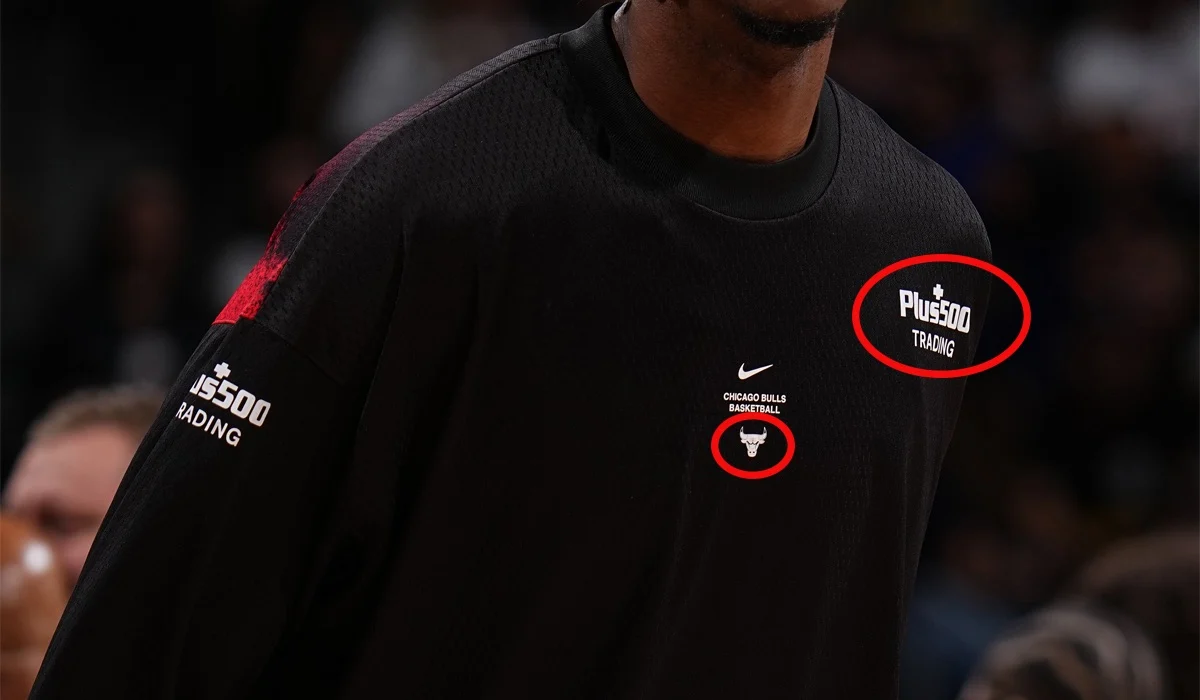
As the National Basketball Association prepares for its highly anticipated season tip-off on October 20, the league is currently abuzz with the usual flurry of excitement. From high-profile roster adjustments to the unveiling of fresh merchandise, teams are working overtime to generate buzz among their fan bases. However, the Chicago Bulls—a franchise historically synonymous with some of the most iconic iconography in sports history—have found themselves at the center of a different kind of conversation this week.
A recent promotional reveal featuring the team’s new warm-up jackets has sparked a firestorm of criticism across social media, raising broader questions about the delicate, often contentious balance between corporate sponsorship and the sanctity of team branding.
The Incident: A Misalignment of Priorities
The controversy began last week when the Chicago Bulls’ official X (formerly Twitter) account posted a promotional image showcasing the team’s upcoming warm-up apparel. While fans typically look forward to these sartorial updates, the response was immediate and largely negative.
The focal point of the outcry was the conspicuous placement and scale of the logo for Plus500, a global fintech company and the team’s jersey patch partner. In the promotional photography, the Plus500 branding appeared significantly larger and more prominent than the iconic Chicago Bulls logo itself. For a fan base that views the Bulls’ emblem—the snarling red bull—as a sacred piece of sports history, the visual hierarchy on the jacket felt like a slap in the face.
Users on X reacted with swift derision, accusing the organization of prioritizing corporate revenue over team identity. Comments ranged from expressions of disbelief to sharp critiques regarding the aesthetic "cheapening" of the brand. For many, the jacket became a symbol of the growing commercialization of the NBA, where the player’s uniform is increasingly viewed by fans as little more than a billboard.
Chronology of the Backlash
- October 2024 (Pre-Season): The NBA franchise begins its marketing rollout for the upcoming season, including new gear and apparel drops intended to build momentum for the October 20 season opener.
- Last Week: The Chicago Bulls social media team posts the promotional image of the warm-up jacket on X. Within hours, the post becomes a lightning rod for criticism.
- The Reaction Phase: Within 24 hours of the post, thousands of interactions, quotes, and retweets highlight the disproportionate size of the Plus500 logo. The narrative shifts from "excitement for the new season" to "disappointment in corporate overreach."
- The Present: As of today, the image remains a topic of debate in sports marketing forums, with the Bulls organization maintaining silence as the season tip-off approaches.
The Business of the "Patch": Supporting Data
To understand why this incident carries such weight, one must look at the financial evolution of the NBA jersey patch program. Introduced in the 2017-2018 season as a three-year pilot program, the jersey patch quickly became a vital revenue stream for franchises.
According to industry data, the patch program generates millions of dollars in incremental revenue for teams annually. Major market teams, like the Bulls, command premium pricing for these partnerships. Plus500, an international fintech platform, entered a multi-year partnership with the Bulls in 2022, marking a significant investment in the Chicago market.
However, the data suggests that there is a "tolerance ceiling" for fans. Marketing research indicates that while fans generally accept corporate sponsorship as a necessary evil for the sport’s financial health, they react negatively when the brand integration interferes with the "aesthetic equity" of the team. When a corporate logo disrupts the visual balance of a jersey or warm-up gear, the brand affinity for the sponsor often drops, as the consumer associates the sponsor with the annoyance caused by the disruption of their team pride.
Official Responses and Corporate Silence
As of the time of this writing, there has been no official statement from the Chicago Bulls, the National Basketball Association, or Plus500.
In the world of professional sports marketing, silence is a calculated strategy. By not addressing the social media outcry, the organizations likely hope that the news cycle will move on before the season tip-off on October 20. However, this silence also speaks volumes. It highlights a disconnect between the front office—which views the jacket as a successful fulfillment of a contractual obligation—and the fans, who view the jacket as an emotional artifact.
When sports organizations fail to acknowledge fan sentiment during a controversy, they risk appearing out of touch. Whether the lack of response is a sign of indifference or a defensive posture against a public relations nightmare, the optics remain problematic.
Implications: The Future of Brand Integration
The "Bulls vs. The Logo" incident serves as a cautionary tale for all major sports franchises. As the league continues to seek new revenue streams, the pressure to integrate sponsors into every facet of the game—from the court floors to the players’ backs—will only intensify.
The Erosion of Authenticity
The primary implication is the potential erosion of brand authenticity. The Chicago Bulls logo is not merely a graphic; it is a global symbol of excellence. When the team’s own media team elevates a corporate logo above the team emblem, they unintentionally dilute the value of their own brand. Marketing experts suggest that the most successful partnerships are those that are "invisible"—where the sponsor adds value to the fan experience without dominating the visual landscape.
The Role of CTV and Modern Strategy
As noted by industry leaders in the ADWEEK Exchange Series, the modern landscape of sports media is shifting toward Connected TV (CTV) and precision-targeted advertising. In this environment, the "attention" of the viewer is the most valuable commodity.
If a brand (like Plus500) over-indexes on visibility—as they did on the warm-up jacket—they risk generating "negative attention." In the digital age, where fans are hyper-connected and vocal, brands must realize that they are guests in the fan’s experience. When a sponsor becomes the focal point, they are no longer a partner; they become an intrusion.
Moving Forward
For the Bulls, the path forward is clear: they must reassess how they balance their contractual obligations with their fans’ expectations. The "merch drop" is meant to be a celebration of the upcoming season. By allowing the Plus500 logo to overshadow the team identity, the organization effectively hijacked their own hype.
Future campaigns must include a "fan-first" filter. Before any promotional image is released, teams should evaluate the visual hierarchy through the eyes of the die-hard fan. If the sponsor’s branding is the first thing a fan notices, the campaign has failed, regardless of the financial terms of the sponsorship deal.
Conclusion: Lessons for the League
The Chicago Bulls have not "dropped the ball" in the literal sense of the season, but they have certainly stumbled in the court of public opinion. As the NBA season begins on October 20, the incident will likely fade into the background as fans turn their attention to the performance on the court.
However, the underlying issue—the struggle for dominance between corporate sponsors and sports history—will persist. For teams, the lesson is simple: money may buy the space on the jacket, but it cannot buy the loyalty of the fan. If the Bulls want to maintain the prestige of their brand, they must ensure that their corporate partners remain exactly that: partners, not the stars of the show.
As the industry continues to evolve, the challenge for all teams will be to integrate brands in a way that respects the history of the game. For the Bulls, it’s time to refocus on the bull—and ensure the corporate logos stay in their lane.


 Nana
Nana
 Suro Senen
 Nana Wu
 Asro
Asro
 Jia Lissa
 Neng Nana
 Dwi Wanna
 Siti Muinah