
 Basiran
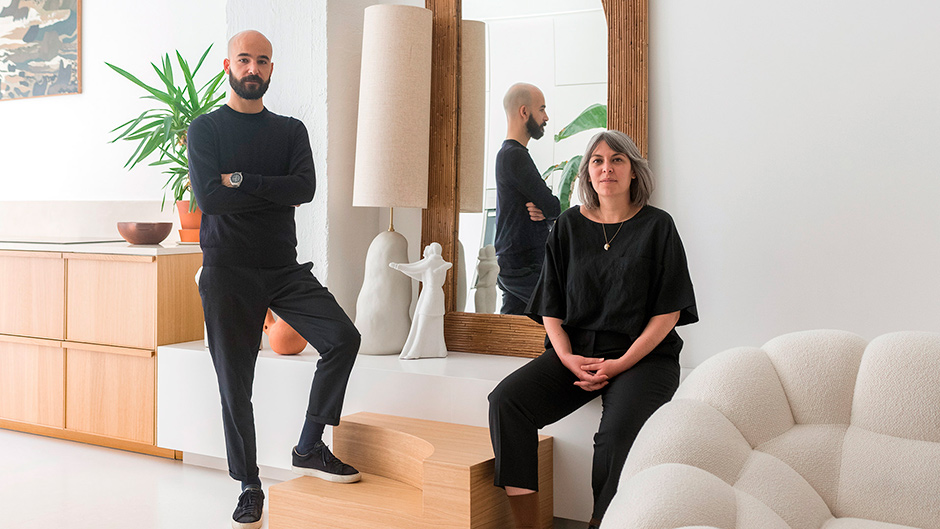
In the rapidly shifting landscape of digital design, where trends cycle with the speed of a scroll, Bonhomme has carved out a position of rare stability and distinction. Founded in 2013 by the creative duo Emmanuel Cruellas and Morgane Urbain, the Paris-based independent studio has become a powerhouse for luxury and premium branding. With over 200 international accolades—including a consistent presence on the Awwwards stage—Bonhomme represents the intersection of high-concept strategy and cutting-edge digital execution.
As Emmanuel Cruellas marks two decades in the creative industry, his perspective on the evolution of branding offers a masterclass in navigating the tension between timeless design and technological upheaval.
The Philosophy of Permanence: Foundations of Bonhomme
At the heart of Bonhomme’s ethos is a rejection of the "disposable" aesthetic. In an industry often seduced by fleeting viral trends, Cruellas emphasizes a disciplined focus on the client’s "Brand DNA."
"We try at all costs not to be influenced by graphic trends that could quickly render a visual identity obsolete," Cruellas explains. "The idea is to create a deliverable that will last over time."
This philosophy stems from a belief that true branding is not about conforming to sector-specific codes but about transcending them. By eschewing the visual habits of competitors, the studio seeks a unique graphic logic—a foundational "system" that ensures consistency across every touchpoint, whether print, digital, or experiential. This strategy moves beyond mere aesthetics; it is about architectural brand building where every creative decision serves a long-term strategic goal.
A Chronology of Success: From Concept to Conversion
Bonhomme’s workflow is characterized by a "hands-on" leadership model. Cruellas and Urbain act as the primary architects for every project, shielding their teams from administrative noise to ensure the creative output remains uncompromised.
The Lifecycle of a Project
- Immersion (The Discovery Phase): The process begins with deep-dive analysis. This involves dissecting existing materials, conducting user experience (UX) workshops, and engaging in strategic interviews with the client to uncover the core narrative.
- Conceptualization: Leveraging the findings, the team develops two to three distinct graphic pathways. These aren’t just "looks"; they are visual embodiments of the brand’s strategic positioning.
- Refinement and Execution: Once the client identifies the resonance of a specific path, the production phase begins. This is where the studio’s technical prowess—spanning 3D, motion design, and high-end web development—is brought to bear.
Digital Mastery: The TAG Heuer Case Studies
The efficacy of this methodology is best evidenced through Bonhomme’s long-standing partnership with the Swiss watchmaker TAG Heuer. The collaboration serves as a benchmark for how immersive digital storytelling can drive tangible commercial results.
High-Performance Narrative Experiences
- TAG Heuer Eyewear: The studio created a real-time 3D immersive landing page that utilized progressive scrolling to unveil products. The result was a 100% visibility rate on primary calls-to-action and a 74% attraction rate on the carousel—a rare feat in luxury digital retail.
- The Nintendo Collaboration: Perhaps the most ambitious project, the Super Mario limited edition watch launch, required a delicate balance between Swiss precision and Nintendo’s playful heritage. The campaign was a resounding success, with 3,500 units selling out in under 20 minutes.
- Carrera Skipper: Here, the studio utilized real-time 3D to model a sailing boat that evolved with the user’s scroll, weaving the brand’s America’s Cup history into an interactive narrative.
- TAG Heuer x Kith: By utilizing retro-inspired typography and dynamic mask effects, the studio successfully bridged 1990s Formula 1 nostalgia with contemporary digital mechanics.
Cruellas notes that the secret to these successes is the "carte blanche" trust granted by the client. "It’s when you have total freedom that you feel the most pressure," he admits. "You want to create projects that live up to your own ambitions, not just the client’s."
The AI Pivot: Redefining the Role of the Designer
Perhaps the most significant shift in Cruellas’ twenty-year career is the advent of Generative AI. Far from viewing it as a threat, Bonhomme has adapted by fundamentally restructuring the creative brief for their designers.
The Shift from "Beauty" to "Relevance"
"Since the advent of generative and conversational AI, the designer’s role has evolved considerably," Cruellas observes. "We challenge them less on the graphic dimension, which can be mastered by AI, and more on their ability to demonstrate creativity and build upon an idea."
The studio now prioritizes "subtlety" and "relevance" over mere aesthetic polish. In a world saturated with AI-generated imagery, the human touch—specifically the mastery of drawing and fundamental artistic skills—has become the new premium. Designers are encouraged to deepen their artistic education so that they may act as curators and directors of AI tools, rather than mere operators.
Implications: The Future of the Creative Agency
As we look toward the future, Cruellas identifies a return to "International Style"—a move toward functionalism, typography, and clean, rational design combined with sophisticated motion.
Essential Qualities for the Modern Creative
For those entering the industry, the requirements have shifted from pure technical proficiency to a hybrid of high-level strategy and insatiable curiosity.
- Technical Devaluation: Cruellas asserts that technical skills—mastery of specific software—are becoming secondary as AI lowers the barrier to entry.
- Strategic Sophistication: The ability to reconcile creativity with business constraints is the true mark of a senior creative. "Creativity has no constraints; only thoughts are limiting," he says.
- Curiosity as Currency: To stand out in a sea of automated content, the designer must cultivate a unique "eye." The ability to synthesize references from disparate industries and translate them into a coherent brand system is a uniquely human capacity that remains the cornerstone of Bonhomme’s success.
Conclusion: Bridging the Gap
Bonhomme’s journey from a 2013 startup to an industry leader serves as a blueprint for the modern creative agency. By maintaining a rigid commitment to brand DNA, embracing technological evolution without losing the core of human artistry, and fostering a culture of strategic collaboration, they have managed to remain relevant in an era of rapid obsolescence.
As Emmanuel Cruellas looks forward to the next decade, his message is clear: The tools may change, but the mission remains the same—to create, through discipline and curiosity, experiences that are not just seen, but remembered. For Bonhomme, the future of branding is not about faster production or cheaper workflows; it is about the enduring power of a well-told story.

 Sagoh
Sagoh
 Asep Darmawan
 Raul Delapena Setiawan
 Reynand Wu


 Azzam Bilal Chamdy
 Ali Ikhwan