
 Evan Lee Salim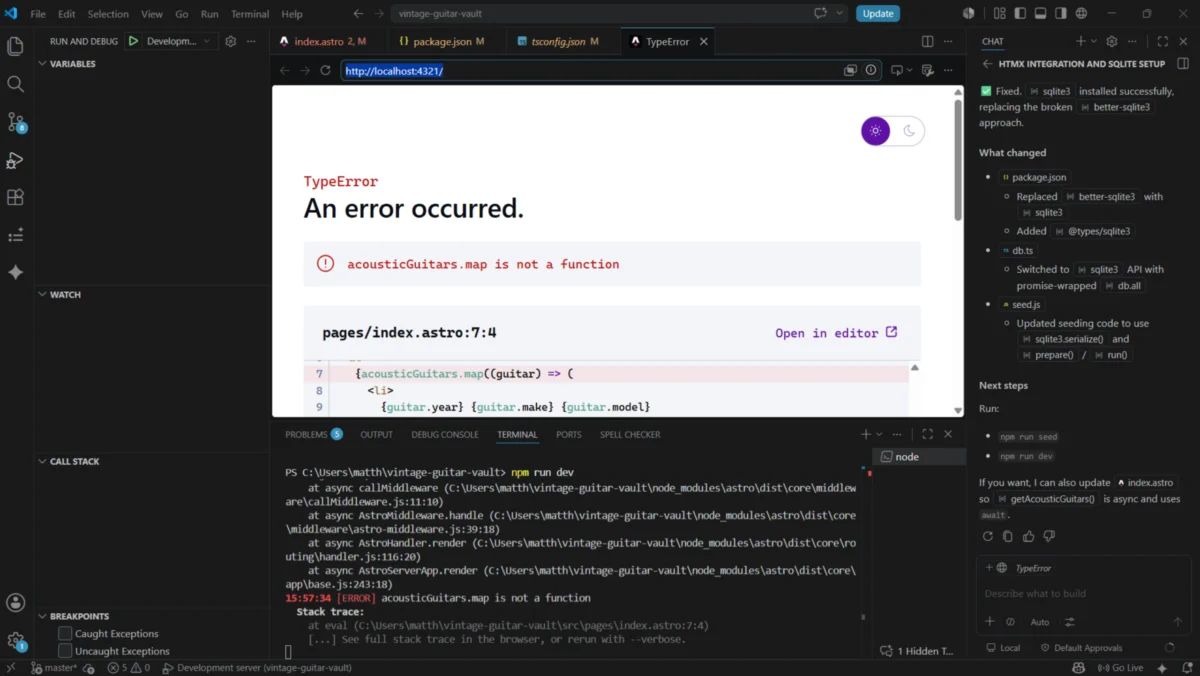
The landscape of software engineering is undergoing its most radical transformation since the advent of the graphical user interface. At the heart of this shift is the emergence of agentic development environments—platforms that do not merely suggest code completions but actively orchestrate the lifecycle of an application. Among these, the Google Antigravity IDE has emerged as a frontrunner, promising to bridge the gap between human intent and functional, production-ready software.
By integrating multi-agent orchestration with high-performance language models like Gemini and Claude, Antigravity IDE represents a departure from traditional coding. It is no longer just a text editor; it is a collaborative workspace where the AI acts as a junior developer, architect, and debugger simultaneously. However, as the barrier to entry for building web applications lowers, a fundamental question arises: Does this technology empower the "citizen developer," or does it merely automate the creation of technical debt?
The Anatomy of Antigravity IDE: A New Paradigm
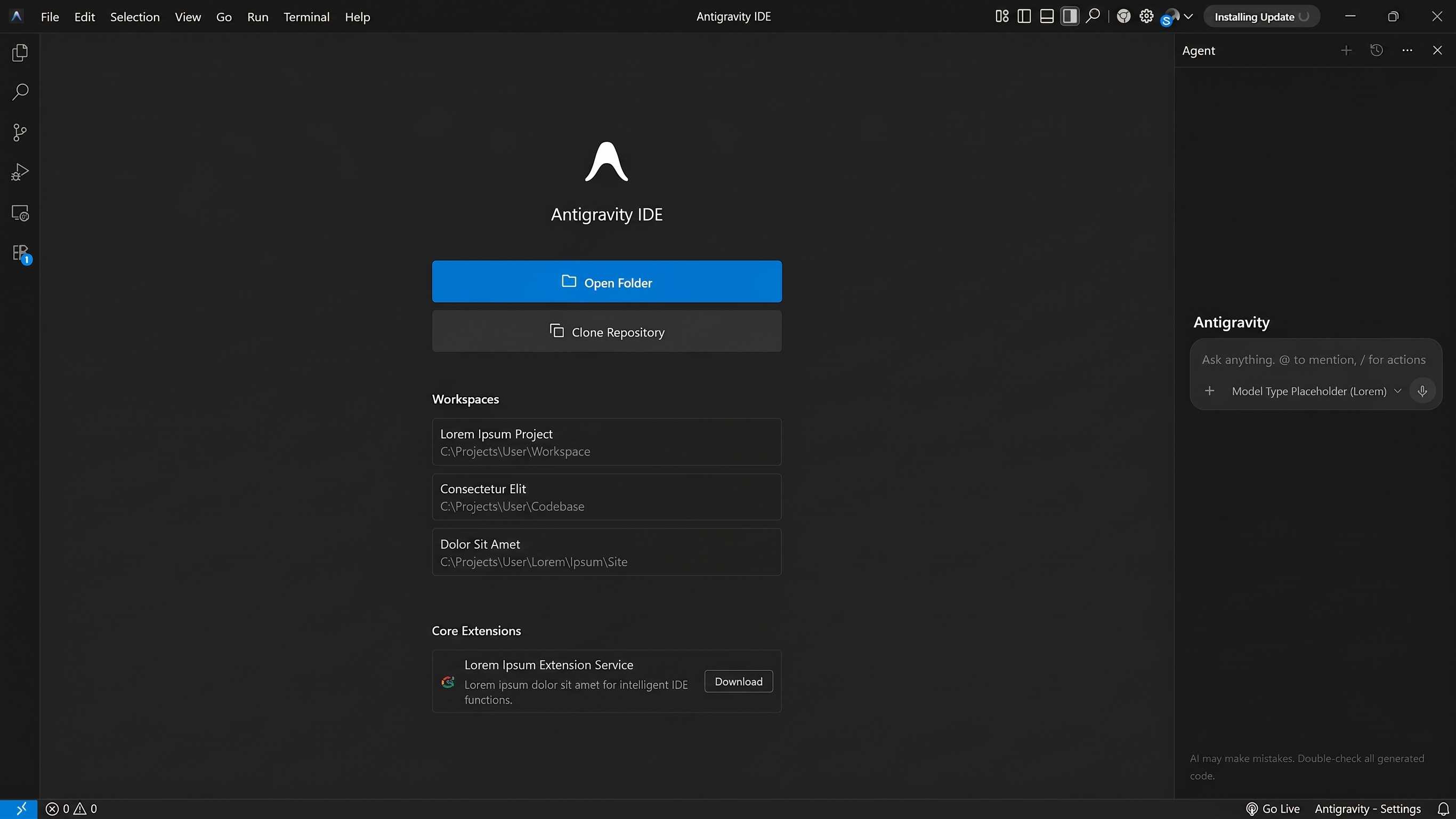
The Antigravity ecosystem is segmented into three distinct tiers. While the Antigravity 2.0 platform focuses on the high-level management of autonomous agents and the Antigravity CLI offers a streamlined, terminal-based interaction model, the Antigravity IDE provides a comprehensive, all-in-one environment.

It functions as a traditional code editor, an intelligent auto-completion engine, and a sophisticated multi-agent orchestrator. By leveraging large-scale models to understand not just syntax, but structural project requirements, the IDE can autonomously navigate complex dependencies, server routes, and database schemas. For the seasoned developer, it is a force multiplier; for the novice, it is a window into a world of previously inaccessible architectural complexity.
Chronology of an Agent-Assisted Build
To understand the practical reality of this tool, we must examine the lifecycle of a typical project. In a recent test case, we set out to build "Vintage Guitar Vault," a local-first web application utilizing the Astro framework, HTMX for dynamic interactivity, and SQLite for data persistence.
Phase 1: Bootstrapping and Scaffolding
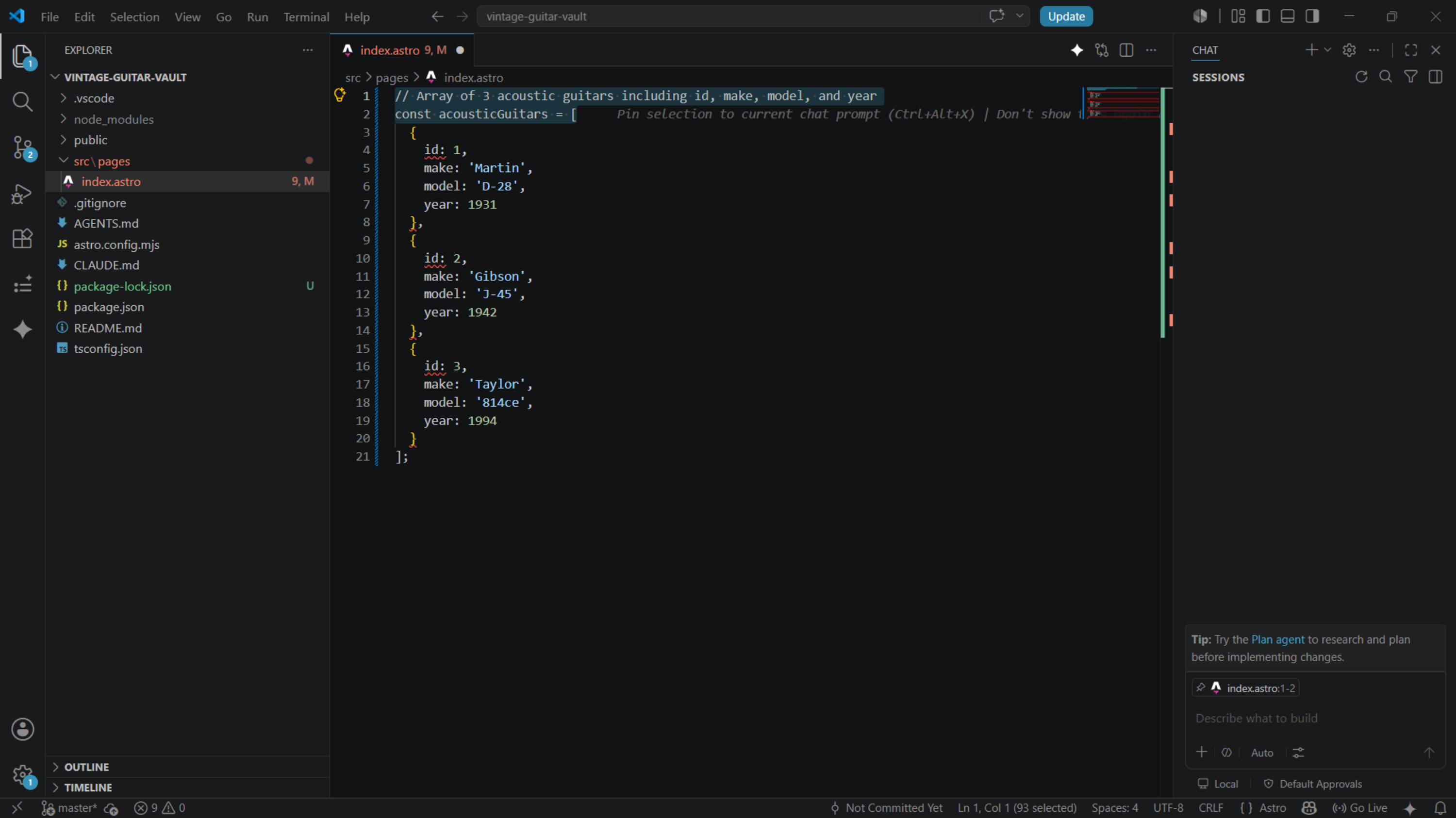
The process began with a standard terminal command: npm create astro@latest vintage-guitar-vault. Within the IDE’s integrated terminal, the scaffold was established. Here, the first distinction between human expertise and AI assistance became apparent. While the IDE provided context-aware suggestions for the index.astro file, it relied on the user to provide the correct foundational syntax—specifically the "fence" (the three dashed lines at the head of the file). A user unaware of the significance of this syntax would have been unable to trigger the IDE’s intelligent completion engine, illustrating that even in the age of AI, foundational knowledge remains the "master key" to productivity.
Phase 2: Data Modeling and UI Mapping
Using descriptive comments, we instructed the IDE to generate a schema for our guitar inventory. The AI successfully parsed a comment defining an array of three acoustic guitars, complete with ID, make, model, and year fields. With the data structure in place, we moved to the UI, mapping the array to a list in the browser. The integration was seamless, but the lack of dynamic interactivity was immediate. The "View Setup History" button was, at this stage, purely ornamental.
Phase 3: Agentic Implementation and Debugging
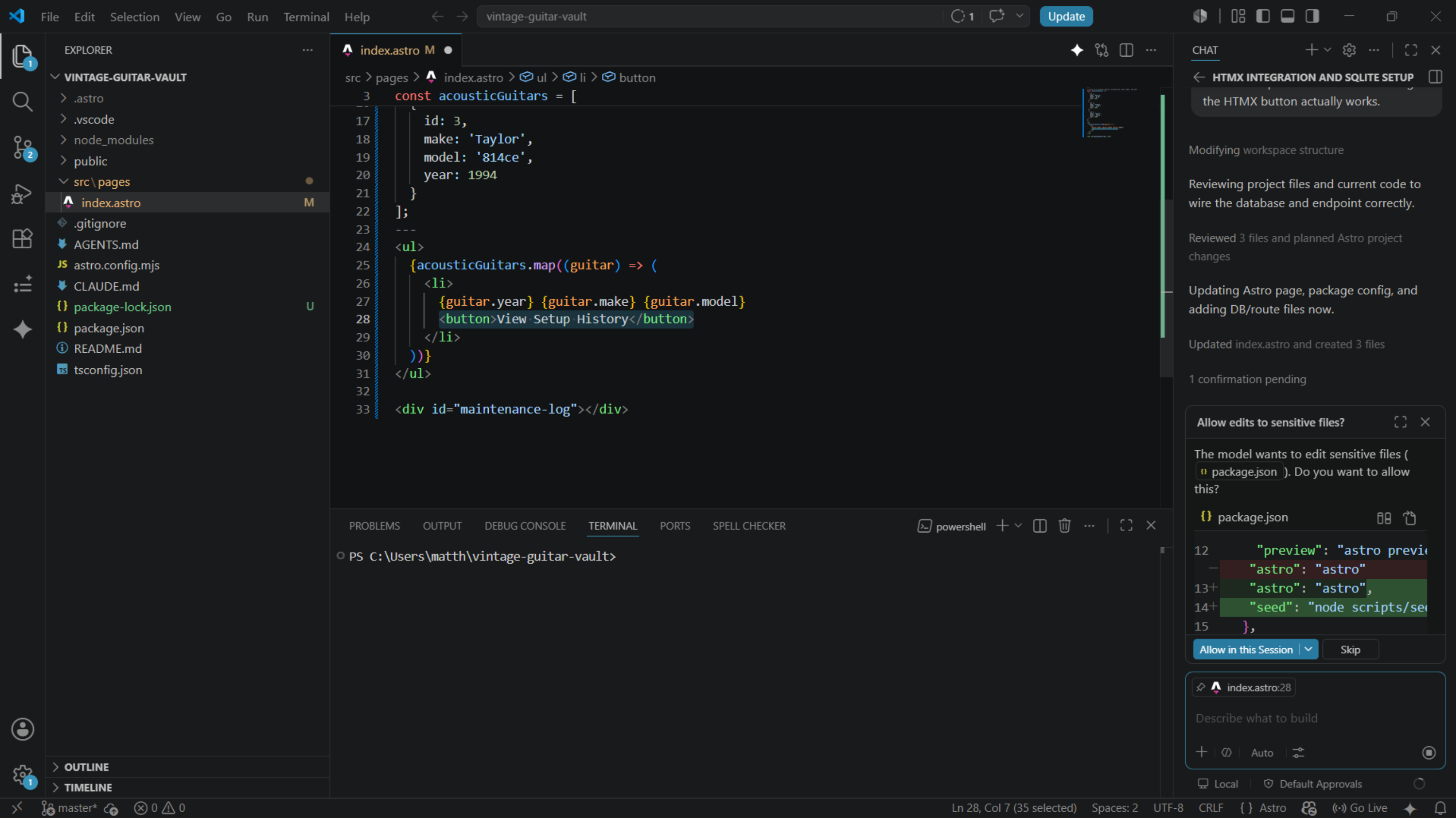
This is where the Antigravity IDE deviates from standard AI assistants. By utilizing the Agent Manager, we moved from passive code suggestion to active task delegation. We instructed the agent to:
- Integrate the HTMX library.
- Replace hard-coded data with a SQLite database using
better-sqlite3. - Create an API endpoint (
/api/maintenance/[id]) to return logs dynamically.
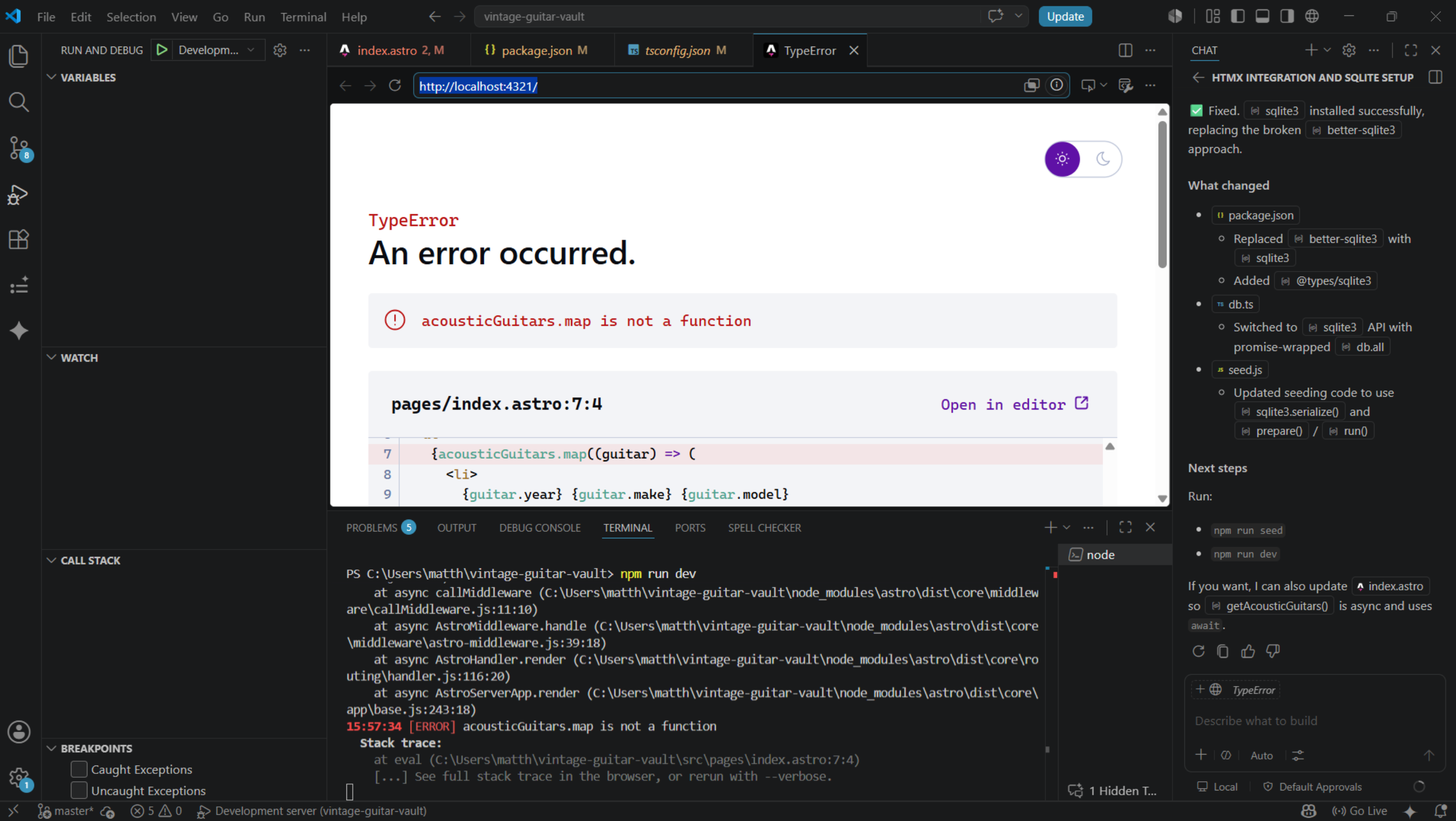
The agent’s response was not immediate. Instead, it engaged in a self-directed "implementation planning" phase. It mapped out every file it intended to create and every dependency it needed to install. When the initial build failed due to a node-gyp error—a common headache in Windows-based development—the agent identified the error autonomously, proposed a fix, and awaited human approval.
Supporting Data: The Efficiency-Comprehension Tradeoff
The primary advantage of Antigravity IDE is speed. What once took hours of documentation lookup and manual boilerplate configuration can now be accomplished in minutes. However, the data suggests a significant risk of "architectural drift."
As the AI handles more of the heavy lifting, the human developer’s mental model of the system can become disconnected from the actual implementation. In our test, the IDE successfully handled the logic for fetching data from SQLite, but had we not understood the basics of how Astro handles server-side props and client-side interactions, we would have been unable to effectively review the code the agent produced. The "Always Allow" setting, which enables the agent to act with full autonomy, creates a seductive but dangerous feedback loop where the developer becomes a passive observer of a system they may no longer understand.
Official Perspectives and Industry Implications
Industry experts are divided on the long-term implications of agentic IDEs. Proponents argue that by democratizing software development, we are entering a new era of innovation where the limitation on progress is human creativity, not technical proficiency.
Conversely, critics point to the "black box" nature of AI-generated code. A recent survey on complex codebases suggests that the ability for AI to maintain large-scale systems over long periods remains unproven. The consensus is that while coding agents are exceptional at creating "Greenfield" projects, the struggle lies in the lifecycle management—debugging, refactoring, and security patching—of legacy systems.
The Human Factor: A Persistent Bottleneck
The most profound lesson from the Vintage Guitar Vault project is that Antigravity IDE does not replace the programmer; it changes the nature of the work. The developer is shifting from a "writer of code" to a "manager of logic."
This transition requires a new set of skills. The ability to verify code, read diffs, and understand architectural patterns is becoming more valuable, not less. As we delegate the "how" (the syntax and the implementation) to the AI, the human must double down on the "why" (the requirements and the system design).
Implications for the Future
- Educational Shifts: Computer science education will likely pivot away from syntax memorization toward systems thinking and architectural oversight.
- Maintenance Debt: Companies will need to develop rigorous "AI-code-review" processes to ensure that code generated by autonomous agents is not only functional but maintainable.
- The "Expert Gap": There is a risk that a generation of developers will emerge who can build complex systems using agents but lack the underlying knowledge to fix them when the AI eventually reaches its limit.
Conclusion: Powerful, Yet Constrained
Antigravity IDE is undoubtedly a milestone in developer tooling. It has effectively removed the technical friction that once defined the early stages of software development. It enables rapid prototyping, complex backend integration, and automated debugging with a fluidity that was unimaginable only a few years ago.
However, the "citizen developer" dream remains tempered by reality. The software built by these agents is only as good as the instructions provided by the human, and the ability to steer the AI depends entirely on the developer’s underlying technical literacy. We are not yet in a world where software builds itself; we are in a world where the speed of development is limited only by our ability to comprehend the solutions the machines propose. For now, the most powerful tool in the Antigravity IDE isn’t the AI—it is the informed human who knows exactly what to ask for and, more importantly, how to evaluate the answer.


 Basiran
 Siti Muinah

 Neng Nana
 Nana Muazin
 Jia Lissa
 Laily UPN
 Asep Darmawan