
 Pevita Pearce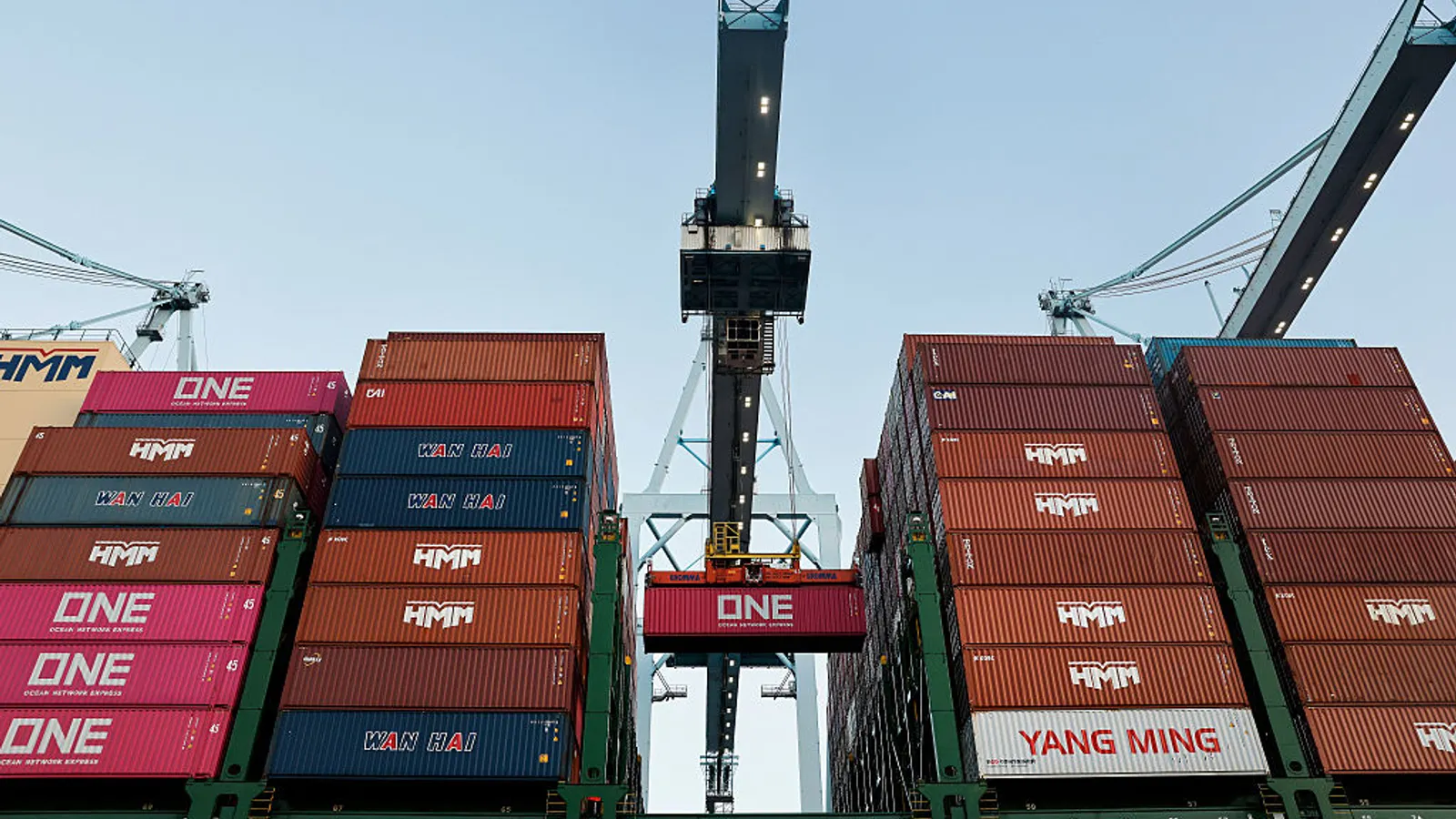
By Alejandra Carranza | Published: October 13, 2026
The global logistics landscape is undergoing a significant transformation as the Panama Canal, historically the primary artery for East-West maritime trade, faces persistent operational hurdles. As the waterway grapples with the lingering effects of climate-induced drought and infrastructure bottlenecks, a growing number of shippers are rerouting their cargo to the San Pedro Bay port complex. This strategic shift is being accelerated not only by the need for reliability but by a volatile geopolitical climate that has sent fuel prices soaring, making longer transit times an increasingly expensive liability.
Main Facts: The Great Canal Pivot
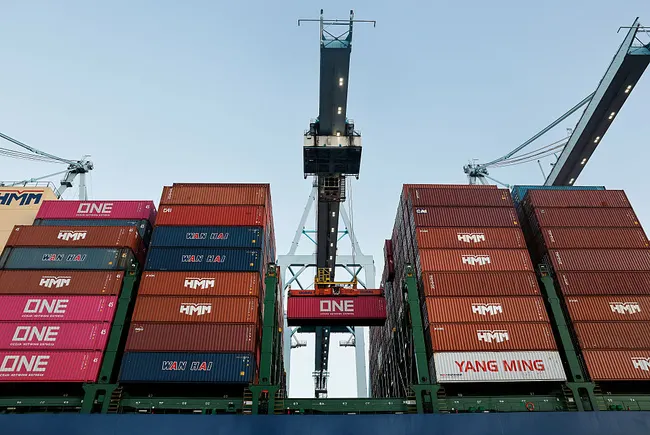
The maritime shipping industry is in a state of flux. With the Panama Canal imposing strict limitations on vessel traffic due to environmental concerns associated with El Niño, the cost-benefit analysis of trans-Pacific shipping has shifted. Shippers are increasingly abandoning the traditional canal route in favor of the Port of Los Angeles, which has seen a marked uptick in volume.
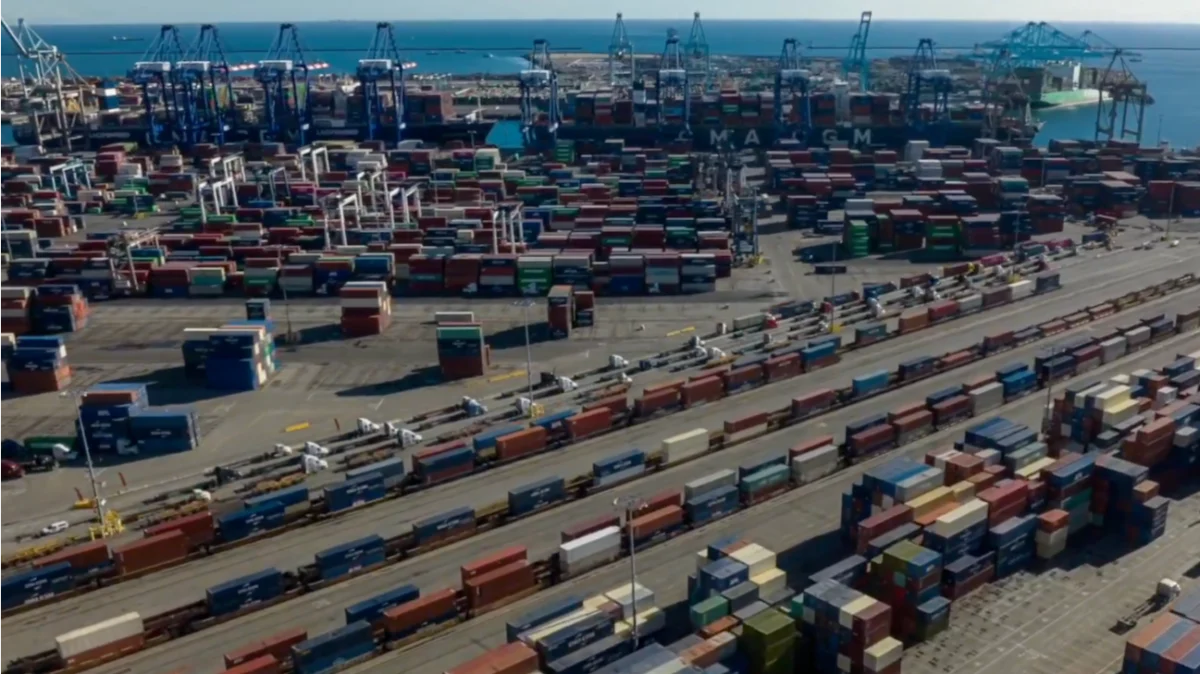
The Port of Los Angeles recently reported a milestone, handling over 1 million TEUs (Twenty-foot Equivalent Units) in September alone. This surge is directly correlated with the decision by major global carriers and third-party logistics (3PL) providers to divert cargo away from the canal. The primary catalyst for this shift is the unpredictability of transit times, coupled with the aggressive rise in bunker fuel prices—a direct consequence of the ongoing conflict in Iran, which has destabilized energy markets over the last eight months.
A Chronology of the 2026 Logistics Crisis
To understand the current congestion, one must look at the timeline of events that defined the 2026 shipping season:
- Early 2026: The onset of a severe dry season, exacerbated by El Niño, begins to lower water levels in the Panama Canal’s Gatun Lake, triggering early discussions about draft restrictions and daily slot reductions.
- April 2026: MarineTraffic data indicates a significant spike in weekly vessel wait times at the canal, marking the end of the initial dry season surge.
- August 2026: The Panama Canal Authority (ACP) takes drastic action, cutting the number of daily transit slots available to Neopanamax vessels to nine, effective September 3.
- September 2026: The Port of Los Angeles hits the 1-million-TEU threshold, signaling that the "West Coast shift" is in full effect.
- October 9, 2026: In a recent advisory, the ACP reports a slight reprieve, raising daily slots to 10 due to increased precipitation in the canal watershed. However, the industry remains wary.
- October 13, 2026: Current projections indicate that the upcoming 2027 dry season, combined with the peak of El Niño between October and December, will likely maintain high pressure on the canal.
Supporting Data: The Cost of Delay
The reliance on the Panama Canal has become statistically riskier for global supply chain managers. According to data provided by MarineTraffic, the period from January to late September 2026 witnessed a harrowing trend: 69 container vessels were forced to wait for more than 100 hours to transit the canal.
This represents 3.3% of all vessels traversing the waterway during that timeframe. For context, this is a staggering increase compared to the same period in 2025, when only 13 vessels—or 0.6% of the total traffic—experienced such delays.
This data suggests that the canal is not merely experiencing "bottlenecks" but is facing a structural decline in efficiency. The draft cuts, which prevent ships from carrying maximum cargo loads, further incentivize carriers to choose the Port of Los Angeles. When a vessel cannot be fully loaded, the cost per container rises; when that vessel also faces a multi-day wait at the canal, the logistics operation becomes economically unviable for many high-frequency importers.
Official Responses and Industry Insights
Gene Seroka, Executive Director of the Port of Los Angeles, has been at the forefront of monitoring these changes. Following a recent tour of key logistics hubs in Korea and Singapore, Seroka provided a sobering assessment of the industry’s mood.
"When I was in Korea and Singapore a couple of weeks ago, talking with not only shipping lines but 3PLs and manufacturers, they’re taking even more of their traditional allocations that normally go through the canals and shifting it to Los Angeles," Seroka told reporters during a recent briefing.

Seroka highlighted that the decision to bypass the canal is driven by a "confluence of events." He noted that vessel fuel prices have effectively doubled over the last eight months, largely driven by the conflict in Iran. In the world of ocean freight, transit time is synonymous with fuel consumption. When carriers are forced to wait in anchorages or take longer routes to avoid canal congestion, those costs are passed directly to the importers and exporters. By rerouting to the U.S. West Coast, shippers can shave weeks off their transit times, offsetting the higher cost of inland rail or trucking.
Implications: A High-Pressure Outlook
The implications of this shift are profound for the remainder of 2026 and the start of 2027. The Port of Los Angeles is bracing for a sustained period of high volume due to several looming deadlines:
- The Lunar New Year Effect: Because the Lunar New Year falls in the first week of February 2027, manufacturers in Asia are frontloading production and shipments to ensure inventory is moved before the typical holiday factory shutdowns.
- The Trade Truce Expiration: A current trade truce between the United States and China is set to expire on January 10, 2027. Shippers are aggressively moving goods in the fourth quarter to mitigate the risk of renewed tariffs or trade barriers that could disrupt Q1 imports.
- The 2027 Dry Season: Climate scientists and canal operators warn that the relief seen in October may be temporary. With El Niño expected to persist through the end of the year, the 2027 dry season could prove even more challenging than the current one, keeping canal capacity constrained for the foreseeable future.
"This confluence of events means that volume will probably stay a little bit more elevated than normal, and a couple of deadlines that may come to pass are in the minds of supply chain experts around the world," Seroka added.
The Structural Shift
For the long term, the events of 2026 suggest that "just-in-time" supply chain models are undergoing a forced evolution into "just-in-case" models. Reliability has replaced cost-efficiency as the primary driver of logistics decision-making.
As the Panama Canal struggles to manage the delicate balance between water conservation and global trade facilitation, the Port of Los Angeles and other West Coast facilities are positioning themselves as the "reliable alternative." However, this creates a new challenge: can the West Coast infrastructure maintain its current momentum without creating its own localized congestion?

For now, the industry is betting on the port’s capacity. Shippers are prioritizing the certainty of a predictable, albeit land-linked, route over the increasingly volatile maritime shortcut. Whether the Panama Canal can recover its status as the world’s most reliable shortcut depends entirely on weather patterns and future infrastructure investments, neither of which can be guaranteed in the short term.
As we move toward 2027, the lesson is clear: the global supply chain is becoming increasingly sensitive to climate, conflict, and the delicate intersection of the two. Companies that fail to adapt their routing strategies to these new realities will likely find themselves bearing the brunt of the next major disruption.

 Neng Nana
 Ammar Sabilarrohman
 Nana Wu
 Asro
Asro
 Jia Lissa

 Dwi Wanna
 Siti Muinah