
 Asro
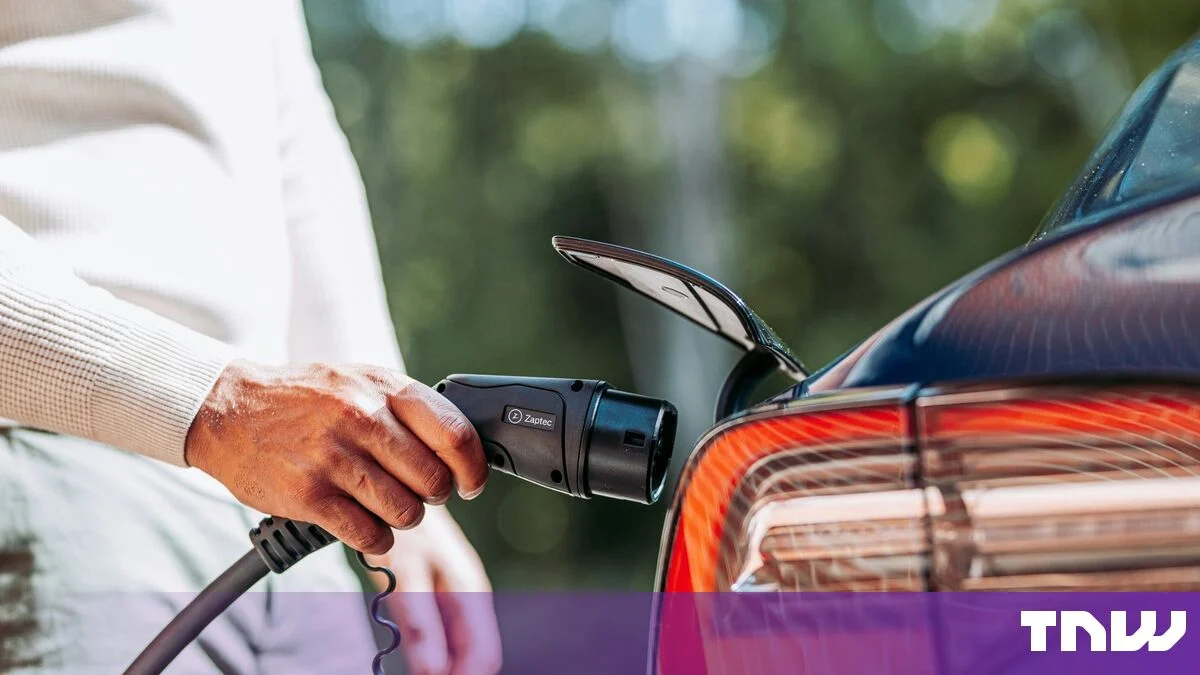
In a move to democratize electric vehicle (EV) ownership, the City of Seattle has unveiled an ambitious roadmap to install up to 200 new curbside Level 2 chargers by 2030. This initiative, funded by a $1.55 billion transportation levy approved by voters in 2024, is specifically designed to eliminate the “charging desert” faced by residents of multi-family housing and apartment complexes who lack access to private, off-street parking.
As the automotive landscape shifts toward electrification, Seattle is positioning itself at the forefront of urban infrastructure adaptation, ensuring that the transition to sustainable transport is not limited to those with private garages.
Main Facts: A Blueprint for Urban Charging
The core of the initiative is the strategic deployment of 200 Level 2 charging units, which provide roughly 30 miles of range per hour of charging at a cost of $0.21 per kilowatt-hour. The program is a collaborative effort between Seattle City Light—the city’s public utility—and the Seattle Department of Transportation (SDOT).
Key Project Specifications:
- Target Capacity: 200 new curbside chargers by 2030.
- Funding: Allocated from the $1.55 billion 2024 transportation levy, with approximately $21 million earmarked for this specific charging infrastructure.
- Accessibility: Open to the public on a first-come, first-served basis; no reservation system is currently planned.
- Application Process: Seattle residents can submit location suggestions via the official Seattle City Light website until the autumn of 2027.
The initiative aims to address the critical "parking gap." While EV adoption in the Seattle metropolitan area is booming—with one in every four new vehicle registrations being electric—the infrastructure has historically favored single-family homeowners. By installing these chargers in public rights-of-way, the city is effectively turning the curb into a public utility.
Chronology: From Pilot Success to Citywide Expansion
The journey to this 200-charger expansion began with a proof-of-concept phase that yielded promising results.
The Pilot Phase (Retrospective)
Before committing to the current expansion, the city launched a pilot program that installed 58 chargers across 31 strategic sites. The data gathered from these locations was instrumental in securing political and public support for the larger project. In the past year alone, these pilot units recorded over 45,000 charging sessions, demonstrating a robust and growing demand for public charging access.
The Roadmap Ahead
- 2026–2027 (Data Gathering): The city is currently soliciting public input. Residents, neighborhood councils, and business associations are encouraged to nominate locations that serve high-density residential zones.
- January 2027 (Site Selection): Seattle City Light and SDOT will begin the first round of site selections, grouping installations into batches of 40 to 50.
- Autumn 2027 (Construction Begins): The physical rollout commences. Each site is expected to require approximately two weeks of construction, including necessary electrical upgrades and sidewalk improvements.
- 2030 (Completion): The full fleet of 200 chargers is expected to be operational, marking a significant milestone in Seattle’s goal to reduce carbon emissions from the transportation sector.
Supporting Data: The Growing Demand
The decision to invest heavily in public charging infrastructure is backed by stark usage statistics and demographic shifts.
Usage Patterns
In major urban centers, the reliance on public infrastructure is reaching a breaking point. In New York City, for example, existing curbside chargers have reported occupancy rates as high as 99%, forcing the city to commit to an expansion of 600 units. Seattle’s pilot program metrics mirror this trend; the 45,000 sessions logged by the 58 pilot chargers suggest that each unit is being utilized heavily, validating the city’s strategy of placing them in areas where residents are "plugged in" but lack home access.
Economic and Environmental Context
The $21 million investment is a drop in the bucket compared to the $1.55 billion transportation levy, but it represents a highly efficient use of capital. By focusing on Level 2 chargers—which are significantly cheaper to install and maintain than high-voltage DC Fast Chargers—the city can maximize the number of residents served.
This contrasts with other regions in the U.S. where funding priorities remain controversial. For instance, while Seattle is prioritizing utility-grade charging, other states like Florida have moved to utilize federal NEVI (National Electric Vehicle Infrastructure) funding for experimental projects, such as air taxi landing pads, drawing criticism from urban planners who argue for immediate, ground-level transit needs.
Official Perspectives and Public Policy
The program represents a significant intersection of climate policy and social equity. Seattle officials have emphasized that the criteria for site selection are not merely based on technical feasibility but on social impact.
Prioritization Criteria
According to official documentation, the city will prioritize locations based on:
- Proximity to Multi-Family Housing: Ensuring those without private driveways have the shortest possible walking distance to a charger.
- Existing Infrastructure Gaps: Identifying “charging deserts” where no public or private options currently exist.
- Community Need: Favoring areas with higher concentrations of pollution and historical underinvestment, aiming to ensure that the transition to EVs is equitable across all socioeconomic strata.
International Comparison
The "right to plug" is becoming a global rallying cry. The European Union has recently introduced policies to guarantee that residents in flats have the legal right to install or access charging infrastructure. Seattle’s program essentially mimics this philosophy by bringing the "fuel" to the curb, rather than forcing the consumer to change their living situation to accommodate a new technology.
Implications: The Future of Urban Mobility
The implications of this rollout extend far beyond the installation of 200 metal pillars on city streets.
The Normalization of Electric Transit
As charging becomes as ubiquitous as parking meters, the psychological barrier to EV adoption for renters will diminish. When a resident can reliably find a charger within a three-block radius of their apartment, the "range anxiety" that plagues non-homeowners will dissipate. This will likely lead to an even faster acceleration in EV sales in the Seattle area, potentially outpacing current city projections.
Urban Planning and Land Use
The move forces a conversation about the “public right-of-way.” For decades, street parking has been treated as a static storage space for private vehicles. By installing chargers, the city is transitioning that space into an active utility. This could spark future debates regarding the prioritization of curb space—should it be for parking, bus lanes, bike lanes, or charging infrastructure?
A Model for Other US Cities
Seattle’s partnership between its city-owned utility (Seattle City Light) and the Department of Transportation provides a template for other municipalities. In many U.S. cities, the lack of coordination between utilities and transportation departments has stalled charging projects for years. By centralizing the planning and leveraging a voter-approved levy, Seattle has cleared the bureaucratic hurdles that often lead to "analysis paralysis."
Conclusion
As we look toward 2030, Seattle is not just installing hardware; it is signaling the end of the era where electric vehicle ownership was a luxury reserved for those with a garage. By integrating charging infrastructure into the fabric of the neighborhood, the city is ensuring that the green revolution is accessible to all, regardless of housing type. With the application window open until 2027, the success of this project will ultimately depend on the active participation of the very residents it seeks to serve. If the pilot program is any indicator, the demand is already there—and the city is finally answering the call.


 Asep Darmawan

 Layla Zulfa

 Ammar Sabilarrohman


 Nila Kartika Wati

 Muslim
