
 Laily UPN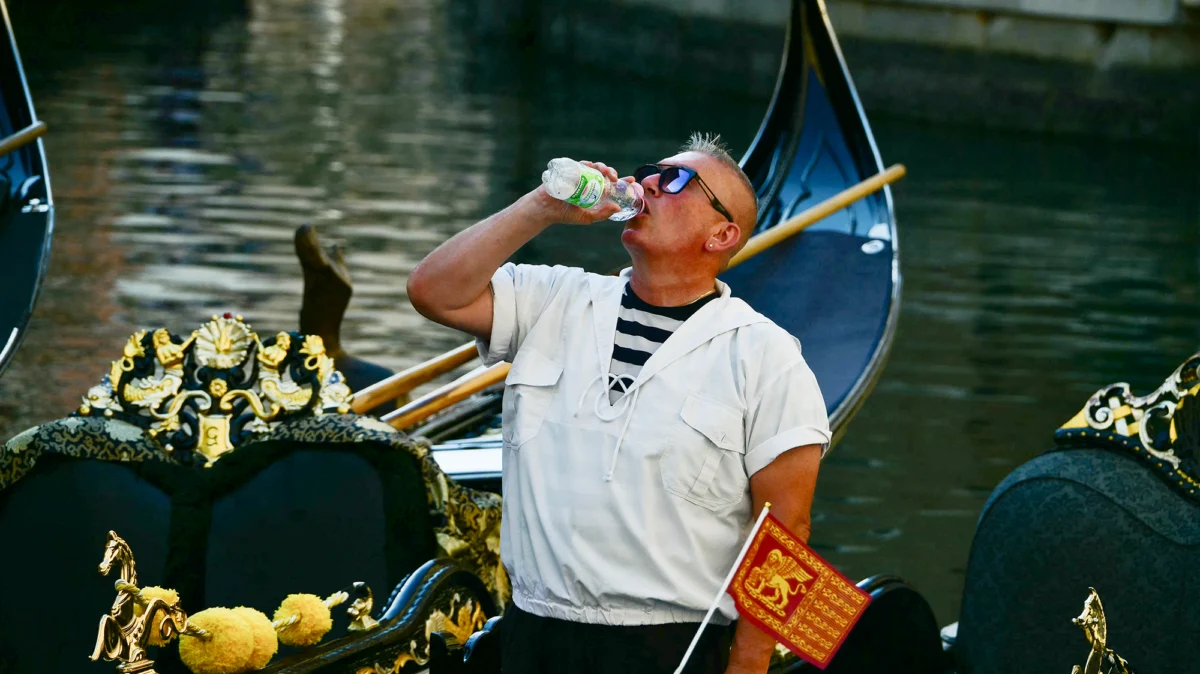
As the summer of 2026 begins, Western Europe finds itself under the crushing weight of an intense, prolonged heat dome. From the historic squares of Rome to the bustling streets of London, the continent is experiencing temperatures that shatter long-standing meteorological records, pushing infrastructure, public health systems, and the resilience of residents to the breaking point. With the mercury soaring well above 100°F (38°C) in multiple nations, authorities are sounding the alarm, shifting from routine summer precautions to emergency crisis management.
The Meteorological Reality: A Record-Breaking June
The current weather pattern, characterized by a persistent high-pressure system, has trapped hot air over the continent, creating a "heat dome" that prevents cooler air from circulating. The results have been historic. On Thursday, the United Kingdom and Switzerland both recorded their hottest June days on record, with temperatures hovering just below the 100-degree mark. In France, the situation was even more dire; Wednesday was declared the country’s warmest day ever, as localized temperatures surged toward a blistering 111°F (44°C).
The intensity of this heat is not merely an inconvenience; it is a public health emergency. In Italy, the Ministry of Health has placed 18 major cities—including Rome, Milan, Florence, and Venice—under a strict "Level 3" red alert (bollino rosso). This designation indicates that the extreme heat poses a direct, immediate threat to the health of all citizens, including those in good physical condition.
Chronology of the Crisis
The surge in temperatures began in earnest during the third week of June, quickly escalating from a typical early-summer warm spell to a life-threatening climate event.
- Mid-June: Early heat warnings were issued as meteorologists identified the incoming heat dome.
- Wednesday, June 24: France broke all-time heat records, with central and southern regions bearing the brunt of the atmospheric furnace.
- Thursday, June 25: The United Kingdom and Switzerland hit their peak temperatures, marking the hottest June days in their recorded history.
- Friday, June 26: Italy escalated its national response, issuing widespread red alerts. Reports of heat-related fatalities began to emerge from Piacenza, highlighting the vulnerability of workers and the elderly.
- Looking Ahead: Meteorologists warn that while other parts of Europe may see a slight decline in temperatures over the coming weekend, the heat in Italy is expected to persist well into early July, creating a prolonged period of danger for residents and the millions of tourists expected to arrive for the peak summer season.
Supporting Data: The Rising Cost of Heat
The statistical impact of these heat waves is grim. Data from the Spanish health ministry’s monitoring system reveals that between Sunday and Thursday alone, an estimated 327 people lost their lives due to heat-related conditions. In France, authorities have recorded at least 48 drownings as desperate citizens sought refuge in local water bodies, often without adequate preparation for the water temperatures or the physical strain of the heat. Tragically, the extreme conditions have also led to the deaths of three children left in hot vehicles.
Italy, in particular, faces a unique struggle. Despite being accustomed to Mediterranean heat—the country currently holds the record for the highest temperature ever recorded in Europe (119.8°F in Sicily, 2021)—the frequency and severity of recent summers have been devastating. Data shows that Italy has suffered the highest heat mortality in Europe for three consecutive years:
- 2022: Approximately 18,800 heat-related deaths.
- 2023: Approximately 13,800 heat-related deaths.
- 2024: Over 19,000 heat-related deaths.
These numbers illustrate a trend of increasing vulnerability, suggesting that even a country familiar with high temperatures is struggling to adapt to the accelerating pace of climate change.
Official Responses and Public Health Guidance
Government bodies across Europe are struggling to balance the economic reliance on tourism with the necessity of public safety. The Italian Ministry of Health has launched a comprehensive campaign titled "Protect Me From the Heat." The circular provides explicit, evidence-based guidance for surviving the extreme weather:
- Schedule Shifts: Avoid all outdoor activity between 11 a.m. and 4 p.m., the window of peak solar radiation.
- Dietary Adjustments: Limit the intake of alcohol and caffeine, which exacerbate dehydration.
- Hydration: Maintain a daily intake of at least 1.5 liters of water.
- Community Resources: The government has highlighted the use of public water fountains. In Rome, the 2,500 nasoni (nose-shaped fountains) offer free, safe, and cold drinking water. Digital tools like the "Acquea" app, managed by the water company Acea, now provide real-time data on over 150,000 hydration points across Italy, complete with mineral content analysis.
Implications: The "No-AC" Cultural Conflict
One of the most significant challenges in Italy is the cultural and architectural resistance to air conditioning. Many historic buildings and even modern homes lack centralized cooling systems. This is partly due to the concept of colpo d’aria (hit of air)—a pervasive belief that sudden exposure to cold air while the body is overheated causes physical ailments such as neck aches, earaches, and stomach cramps.
However, the 2026 heat wave is forcing a shift in public behavior. Market data indicates a 16 percent increase in air conditioning unit sales compared to 2025, suggesting that the "hit of air" philosophy is being reconsidered in the face of survival.
For the 172 million tourists expected in Italy this summer, the adjustment is vital. Beyond the obvious need to book accommodations with climate control, travelers are being advised to adopt a "local" rhythm. This involves embracing the pranzi freddi (cold lunch) culture—prioritizing light, non-cooked foods like caprese salad, prosciutto-wrapped melon, or insalata di riso over heavy, hot pasta dishes. Even the Italian Ministry of Health has officially suggested that in extreme heat, a gelato or milkshake can serve as a suitable, hydrating alternative to a heavy meal.
Navigating the Future: A New Way to Sightsee
The current crisis is also necessitating a rethink of European tourism. The traditional "see everything at noon" approach is no longer sustainable. Experts suggest that travelers shift their sightseeing schedules to the early morning or after-hours.
The strategy for modern, safe travel in Italy includes:
- Pre-booking: Securing tickets in advance to avoid long, dangerous queues in direct sunlight.
- Indoor Focus: Prioritizing catacombs, stone churches, and museums during the hottest hours of the day.
- Night Tourism: Taking advantage of extended evening hours at major landmarks, such as the Vatican or the Colosseum, which now offer moonlight tours.
- Geographic Flexibility: Utilizing Italy’s efficient, air-conditioned rail network to escape the "heat island" effect of dense urban centers in favor of coastal breezes or higher-altitude mountain paths.
As the climate continues to shift, Europe’s relationship with its summer will continue to evolve. Whether through the installation of modern cooling, the return to traditional, cooling food habits, or the fundamental alteration of how society functions during peak heat hours, one thing is clear: the era of the "mild" European summer has come to an end. The continent is now in a race to adapt, ensuring that the beauty of the Mediterranean remains accessible and, above all, safe, for residents and visitors alike.


 Raul Delapena Setiawan

 Reynand Wu
 Sagoh
Sagoh

 Azzam Bilal Chamdy
 Ali Ikhwan