
 Nana Muazin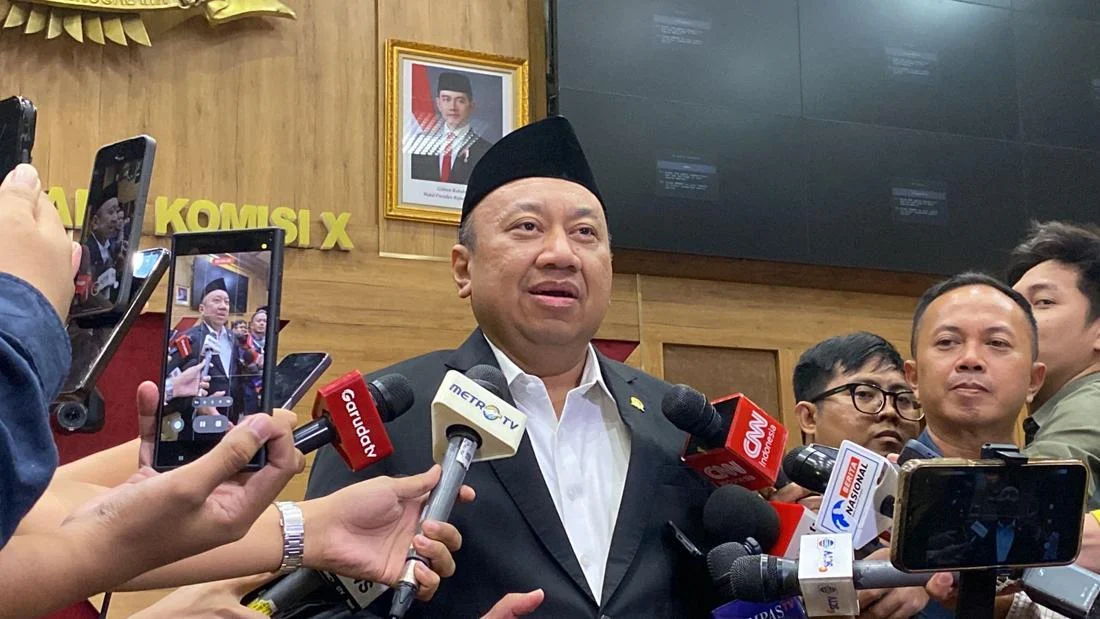
Jakarta, October 13, 2026 – Indonesia is on the cusp of a significant legislative overhaul aimed at streamlining the recognition of academic credentials obtained abroad. A revised version of Law Number 20 of 2003 concerning the National Education System (UU Sisdiknas) is set to introduce a clear, legally binding mechanism for the equivalency of foreign diplomas, a move long awaited by thousands of Indonesian graduates returning from overseas. This crucial amendment seeks to eliminate the ambiguity and potential disputes that have plagued the current system, which largely relies on internal ministerial regulations.
The push for this reform comes primarily from the House of Representatives (DPR RI), specifically its Commission X, which oversees education, youth, sports, tourism, and creative economy. Deputy Chairman of Commission X, Lalu Hadrian Irfani, has been a vocal proponent, highlighting the urgent need for a robust legal framework. "I have thoroughly reviewed existing regulations and found no specific legal basis pertaining to the mechanism by which foreign academic qualifications are officially recognized by the state," Irfani stated in an interview with Antara on Tuesday, October 13, 2026. "Therefore, in the revised UU Sisdiknas, we will establish this legal umbrella."
This proposed revision is not merely a bureaucratic adjustment; it represents a strategic effort to better integrate the knowledge and skills of globally educated Indonesians into the national workforce and academic landscape. The current system, characterized by its reliance on ad-hoc ministerial policies, has often resulted in frustration and uncertainty for graduates seeking employment or further education in Indonesia. The clarity provided by a dedicated law is expected to foster greater confidence and facilitate smoother transitions for these valuable human resources.
Main Facts: Addressing a Long-Standing Legal Void
The core of the issue lies in the absence of a comprehensive and legally mandated framework for the recognition of foreign academic credentials. For years, the process has been managed through internal directives and decrees issued by relevant ministries, primarily the Ministry of Primary and Secondary Education (Kemendikdasmen) and the Ministry of Higher Education, Science, and Technology (Kemendiktisaintek). While these ministries have established online portals for applications, the underlying legal authority for the conversion of academic values has been perceived as insufficient, leading to inconsistencies and potential for challenges.
Lalu Hadrian Irfani’s deep dive into the regulatory landscape revealed this critical gap. His assertion underscores a broader problem: without a clear legal "payung hukum" (legal umbrella), the validity of foreign diploma equivalency decisions can be questioned, leading to legal challenges and protracted bureaucratic processes. "Because there are no clear rules or regulations, we in Commission X are pushing for these regulations to exist, to be clear, so that there are no more disputes or lawsuits against other institutions," he emphasized. This directly addresses the heart of the problem – preventing "gugat-menggugat" (litigation) that arises from a lack of legal certainty.
The revised RUU Sisdiknas, however, extends beyond just foreign diploma equivalency. It is a comprehensive legislative package designed to modernize and integrate Indonesia’s entire education system. Comprising 16 chapters and 257 articles, the draft law also includes provisions for the integration of a national education data system and an expansion of compulsory education to 13 years. These broader reforms signify a holistic approach to enhancing the quality, accessibility, and relevance of Indonesian education in the 21st century. The inclusion of foreign diploma recognition within this overarching reform package highlights its strategic importance in leveraging global educational experiences for national development.
A Detailed Chronology of Legislative Action and Educational Reform
The journey towards revising the National Education System Law is a complex tapestry woven over several years, reflecting Indonesia’s evolving educational needs and aspirations. The original Law No. 20 of 2003, while foundational, was enacted in a different era, and its provisions, particularly concerning globalized education, require updating.
The Genesis of UU Sisdiknas and the Call for Revision
The original UU Sisdiknas, passed in 2003, aimed to establish a robust and equitable national education system, covering all levels from early childhood to higher education. It codified principles such as compulsory education (then 9 years), decentralization of education management, and the importance of quality teachers. However, nearly two decades later, significant shifts in the global educational landscape, technological advancements, and the increasing mobility of students have necessitated a re-evaluation of its provisions. The rise of online learning, international branch campuses, and a growing number of Indonesian students pursuing degrees abroad underscored the need for a more adaptable and forward-looking legal framework.
Discussions for a comprehensive revision of the UU Sisdiknas began several years ago, driven by various stakeholders including education experts, parliamentary commissions, and civil society organizations. The goal was to address new challenges, optimize educational outcomes, and ensure that the law remained relevant to Indonesia’s development goals. Key areas identified for reform included improving educational quality, enhancing teacher welfare, integrating technology, and, crucially, streamlining the recognition of foreign qualifications.
The Legislative Journey of the RUU Sisdiknas
The legislative process for the RUU Perubahan UU Sisdiknas (Draft Law on Amendments to the UU Sisdiknas) has followed a multi-stage trajectory within the DPR.
- Initial Drafting and Consultation: The process typically begins with the formation of an expert team and parliamentary working groups to draft the initial text of the bill. This stage often involves extensive internal discussions and preliminary consultations with ministries and other government agencies.
- Public Participation: Recognizing the profound impact of education policy on society, public consultation has been a critical component. Hetifah Sjaifudian, who served as the Chairman of Commission X DPR until July 8, 2026, underscored the importance of this phase. "Public participation does not stop at the drafting stage. During the harmonization process in Baleg (Legislation Body) and subsequent discussions, input from the community remains very important to ensure that the RUU Sisdiknas truly answers the needs of national education," Sjaifudian stated on July 8, 2026. Her remarks emphasize the democratic principle that law-making should be inclusive and responsive to societal needs. This phase involves hearings, public forums, and the collection of written submissions from various groups, including educators, parents, students, and professional organizations.
- Harmonization Stage: As of October 13, 2026, the RUU Sisdiknas is currently in the harmonization stage at the DPR’s Legislation Body (Baleg). This is a critical juncture where the draft law is meticulously reviewed to ensure its consistency with other existing laws, internal coherence, and legal soundness. Baleg’s role is to refine the language, structure, and content of the bill before it proceeds to further plenary discussions and eventual voting. The scope of the current RUU, encompassing 16 chapters and 257 articles, indicates a thorough and comprehensive revision, addressing multiple facets of the national education system.
Historical Approach to Foreign Credential Recognition
Historically, the recognition of foreign academic qualifications in Indonesia has evolved somewhat organically, often lagging behind the rapid increase in the number of Indonesian students studying abroad. In the absence of a specific overarching law, the process has largely been an administrative one, managed by various directorates within the education ministries. This ad-hoc approach has often been criticized for its lack of transparency, varying standards, and susceptibility to bureaucratic bottlenecks. Before the advent of online platforms, the process was entirely manual, requiring applicants to navigate complex paperwork and potentially lengthy waiting periods, often without clear guidance on the criteria for equivalency. The lack of a legally binding definition for "equivalency" also meant that interpretations could vary, leading to different outcomes for similar qualifications.
Supporting Data and Comparative Perspectives
The necessity of a clear legal framework for foreign diploma equivalency is underscored by the sheer volume of Indonesian students pursuing education abroad and the economic implications of efficiently integrating their skills back into the national fabric.
The Scale of the Challenge: Indonesian Students Abroad
Indonesia has a significant and growing diaspora of students pursuing higher education overseas. While exact real-time figures fluctuate, estimates suggest tens of thousands of Indonesian students are currently enrolled in universities worldwide. Popular destinations include Australia, known for its strong education links and proximity; the United Kingdom and the United States, prestigious hubs for advanced research and diverse programs; as well as Malaysia and Singapore, favored for their accessibility and regional academic excellence. Japan, Germany, and other European countries also attract a substantial number, particularly for STEM fields and specialized vocational training.
These students often specialize in critical areas such as engineering, medicine, information technology, business administration, and various scientific disciplines. Upon their return, these graduates bring with them not only specialized knowledge and skills but also diverse perspectives, international networks, and cross-cultural competencies invaluable for a developing nation. However, the existing regulatory ambiguities have often hindered their seamless re-entry into the Indonesian professional and academic landscape, preventing the full utilization of this "brain gain."
Consequences of Regulatory Ambiguity
The lack of clear, legally mandated regulations for foreign diploma equivalency has led to several tangible problems:
- Employment Barriers: Many returning graduates face delays or difficulties in securing employment in Indonesia, particularly in regulated professions, because employers are hesitant to accept qualifications without official, legally backed equivalency. This can lead to underemployment or force graduates to pursue unrelated careers.
- Professional Licensing Obstacles: For professions requiring specific licenses (e.g., medical doctors, engineers, architects), the equivalency process is paramount. Ambiguity can create significant hurdles, potentially requiring additional examinations or re-education, even for highly qualified individuals.
- Academic Progression Issues: Graduates wishing to pursue further studies (e.g., Master’s or PhD) in Indonesian universities may encounter problems with the recognition of their foreign Bachelor’s or Master’s degrees, affecting their academic progression.
- Increased Bureaucracy and Frustration: The current system, despite online portals, can still be opaque. Applicants often report lengthy waiting times, requests for additional documentation not clearly outlined, and a general lack of transparency regarding the criteria used for evaluation. This contributes to significant frustration and can deter some from even attempting the equivalency process.
- Potential for Disputes: As highlighted by Lalu Hadrian Irfani, the absence of a clear legal basis has opened the door for "gugat-menggugat" – legal challenges and disputes against institutions or employers regarding the validity of their equivalency decisions. This drains resources, creates uncertainty, and erodes trust in the system.
International Benchmarks: How Other Nations Do It
Many developed and emerging economies have robust, legally defined systems for recognizing foreign credentials. These systems often serve as benchmarks for what Indonesia aims to achieve:
- European Union (ENIC-NARIC Networks): Member states participate in a network of national academic recognition information centers (ENIC) and national academic recognition information centers (NARIC). These centers provide information and advice on the recognition of foreign diplomas and qualifications, operating under clear EU directives and national laws. The process is standardized, transparent, and legally supported.
- United States (WES, ECE): While not a single federal system, the U.S. relies on accredited credential evaluation services (e.g., World Education Services – WES, Educational Credential Evaluators – ECE) that follow established guidelines. These services provide reports that are widely accepted by universities, employers, and professional licensing boards, backed by a general understanding of accreditation and quality assurance.
- Australia (NOOSR): Australia’s National Office of Overseas Skills Recognition (NOOSR) provides advice on the comparability of overseas qualifications to the Australian Qualifications Framework (AQF). This is a government-backed service with clear guidelines, ensuring consistency and reliability.
These examples demonstrate that a clear, transparent, and legally supported system is not only feasible but essential for integrating a globally educated workforce. Such systems minimize administrative burden, prevent disputes, and ensure that the value of foreign qualifications is consistently understood and applied. Indonesia’s move to codify this process within the UU Sisdiknas aligns with these international best practices, aiming to enhance its global competitiveness and optimize its human capital.
Official Responses and Stakeholder Engagement
The legislative initiative to revise the UU Sisdiknas and particularly to formalize foreign diploma equivalency has garnered significant support from key government officials and is expected to be welcomed by various stakeholders.
Lalu Hadrian Irfani’s Stance and Rationale
Lalu Hadrian Irfani’s advocacy is central to this reform. His frustration with the current ad-hoc system is palpable, stemming from observations of its inefficiencies and the predicaments faced by returning graduates. His rationale is rooted in the principle of legal certainty and administrative justice. He argues that without a specific legal basis, the equivalency process lacks authority and can be challenged, leading to unnecessary litigation and delays. "We cannot have a situation where a graduate’s hard-earned foreign degree is questioned or subjected to arbitrary interpretations simply because there’s no clear law," Irfani stated, emphasizing the need for a definitive and undisputed framework. His vision is for a system where the equivalency process is transparent, efficient, and legally robust, providing peace of mind to graduates and clarity to institutions and employers.
Hetifah Sjaifudian on Public Participation
Former Commission X Chairman, Hetifah Sjaifudian, played a crucial role in championing inclusive law-making during her tenure. Her emphasis on continued public participation, even during the harmonization stage, reflects a commitment to ensuring that the RUU Sisdiknas is not merely a top-down directive but a responsive piece of legislation. "The strength of any law, especially one as fundamental as the National Education System Law, lies in its ability to truly reflect and address the needs of the people it serves," Sjaifudian articulated. Her remarks highlight the importance of engaging educators, students, parents, professional bodies, and even the Indonesian diaspora in shaping a law that will profoundly impact their lives. This comprehensive approach, she believes, will lead to a more effective and widely accepted law, particularly given the RUU’s extensive scope across 16 chapters and 257 articles.
Ministerial Perspectives (Inferred and Expanded)
While the initial article primarily cites parliamentary figures, the Ministries of Primary and Secondary Education (Kemendikdasmen) and Higher Education, Science, and Technology (Kemendiktisaintek) are the primary implementers of the current equivalency process. It can be inferred that these ministries would largely welcome a clearer legal framework. Under the existing system, they operate under the burden of internal regulations that, while functional, lack the full authority of a national law.
- Challenges Faced: Ministries likely encounter administrative challenges, including dealing with diverse foreign education systems, validating institutional accreditations, and managing a high volume of applications with limited statutory guidance. They may also face complaints or appeals from applicants dissatisfied with equivalency decisions, all without a definitive legal shield.
- Anticipated Benefits: A national law would provide them with a stronger mandate, standardized procedures, and a clear legal basis for their decisions, thereby increasing administrative efficiency and reducing the likelihood of legal disputes. It would also enable better data collection and integration, aligning with the RUU’s broader goal of a national education data system. The current online application systems (e-layanan.dikdasmen.kemdikbud.go.id/ and piln.kemdiktisaintek.go.id/) represent preparatory steps towards a more digitized and streamlined process that will be further solidified by the new law. The temporary inaccessibility of the Kemendikdasmen portal, as noted on October 13, suggests ongoing technical adjustments or reforms in anticipation of the new legal framework.
Academic and Professional Bodies’ Views
Indonesian universities and professional associations are also key stakeholders. Universities would benefit from clearer guidelines when assessing foreign qualifications for admissions into postgraduate programs or for faculty recruitment. Professional bodies (e.g., medical associations, engineering associations) would gain a standardized basis for evaluating foreign credentials when granting professional licenses, ensuring consistency and maintaining professional standards. This clarity would facilitate smoother integration of internationally qualified professionals into the Indonesian workforce.
Student and Alumni Organizations
Organizations representing Indonesian students abroad and alumni associations have long advocated for simplified and transparent recognition processes. They often serve as vital support networks for returning graduates, and they are likely to view the revised UU Sisdiknas as a significant victory. Their collective voice has played an indirect but important role in highlighting the practical difficulties faced by graduates, thereby adding impetus to the parliamentary initiative.
Implications and Future Outlook
The revision of the UU Sisdiknas, particularly its provisions for foreign diploma equivalency, carries profound implications for Indonesian society, its education system, and its economic future.
For Indonesian Graduates from Abroad
The most immediate and direct impact will be on Indonesian citizens who have earned their degrees overseas. The new legal framework promises:
- Streamlined Recognition: A clear, legally backed process will significantly reduce bureaucratic hurdles, making the equivalency process more predictable and efficient. Graduates can expect clearer guidelines, defined timelines, and transparent criteria.
- Improved Career Prospects: With standardized and legally recognized qualifications, foreign graduates will face fewer obstacles in the job market. Employers will have greater confidence in the validity of their credentials, leading to better employment opportunities and faster integration into the workforce.
- Enhanced Professional Mobility: For regulated professions, the new law will provide a solid basis for obtaining necessary licenses, ensuring that qualified professionals can practice without undue delays.
- Greater Confidence and Reduced Stress: The legal certainty will alleviate much of the anxiety and frustration currently experienced by returning graduates, allowing them to focus on contributing their skills rather than battling administrative complexities.
Impact on National Education and Human Capital
Beyond individual graduates, the revised law will have far-reaching benefits for Indonesia’s national development:
- Attracting Talent Back: A clear and efficient recognition system can encourage more highly skilled individuals to return to Indonesia, knowing that their international education will be valued and utilized. This is crucial for reversing potential "brain drain" and fostering "brain gain."
- Leveraging Global Expertise: Returning graduates bring cutting-edge knowledge, innovative practices, and international best practices. A streamlined recognition process ensures that this global expertise can be effectively integrated into various sectors, from academia and research to industry and public service.
- Enhancing Workforce Competitiveness: By effectively utilizing its internationally educated workforce, Indonesia can strengthen its human capital, making its labor market more competitive and adaptable to global challenges.
- Facilitating International Collaboration: A robust equivalency system can also foster greater international academic collaboration, making it easier for foreign academics and researchers to engage with Indonesian institutions, and for Indonesian institutions to benchmark against global standards.
Challenges in Implementation
While the prospects are bright, the implementation of the new law will not be without its challenges:
- Ensuring Consistent Application: The legal framework must be consistently applied across all relevant ministries, educational institutions, and professional bodies. Training and clear directives will be essential.
- Developing Robust Digital Infrastructure: The current online portals need to be upgraded and integrated to support the new legal framework, ensuring security, user-friendliness, and efficiency.
- Continuous Monitoring and Evaluation: The system will require ongoing monitoring and evaluation to identify bottlenecks, address emerging issues, and adapt to changes in global education trends.
- Public Awareness Campaigns: Extensive public awareness campaigns will be needed to inform graduates, employers, and educational institutions about the new law and its procedures.
The Path Ahead
The RUU Sisdiknas is currently in the crucial harmonization stage at the DPR’s Legislation Body. Following this, it will proceed to further committee debates, potential revisions, and eventually, plenary sessions for final approval. Public vigilance and continued input will remain vital throughout these final stages to ensure the law is comprehensive, equitable, and effective.
The long-term vision is clear: a modernized, integrated, and globally competitive Indonesian education system that not only nurtures its domestic talent but also effectively harnesses the intellectual capital acquired by its citizens abroad. By providing a solid legal foundation for foreign diploma equivalency, Indonesia is taking a decisive step towards becoming a nation that truly values and maximizes the potential of all its human resources, irrespective of where their knowledge was acquired. The successful enactment and implementation of this revised law will mark a pivotal moment in Indonesia’s journey towards educational excellence and national progress.


 Pevita Pearce
 Reynand Wu
 Ali Ikhwan
 Raul Delapena Setiawan
 Nana
Nana
 Muslim
 Asep Darmawan
 Neng Nana