
 Jia Lissa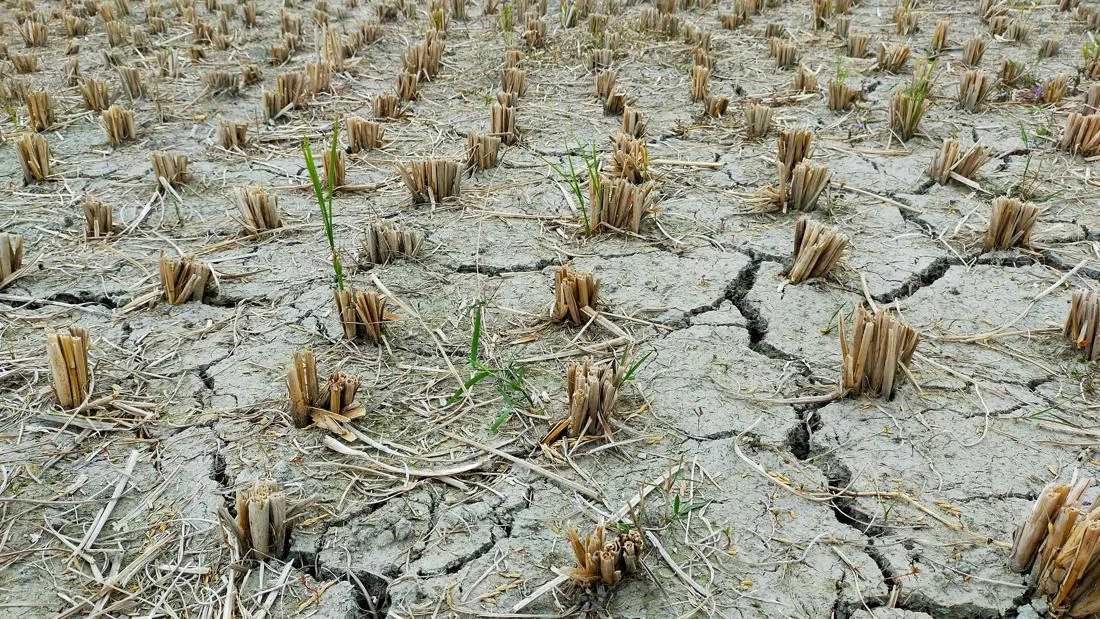
JAKARTA – October 13, 2026 – As Indonesia navigates the second week of October 2026, an unusual and concerning climatic pattern grips the archipelago. Typically, the "ber-ber" months – September, October, November, December – signal the eagerly anticipated onset of the rainy season, bringing relief from the dry spell and crucial moisture for agriculture. However, this year presents a stark deviation from the norm, with vast swathes of the country still sweltering under intense heat, pushing the boundaries of traditional seasonal expectations.
The national weather agency, the Meteorology, Climatology, and Geophysics Agency (BMKG), has consistently underscored the delayed and asynchronous arrival of the 2026/2027 rainy season. Ardhasena Sopaheluwakan, Deputy for Climatology at BMKG, earlier clarified that a significant majority of Indonesia’s regions are projected to experience the start of their rainy season much later than usual, predominantly in November 2026 for 185 Seasonal Zones (ZOM) and extending into December 2026 for another 226 ZOM. The implications of this protracted dry spell are far-reaching, impacting agriculture, water resources, public health, and the broader economy.
Unprecedented Delay: A Nation Awaits the Rains
The latest update from BMKG, based on data from Dasarian I October 2026 (the first ten days of October), paints a clear picture of the prevailing conditions. Out of Indonesia’s 699 ZOMs, a mere 53 ZOMs, accounting for only 7.6% of the national territory, have officially transitioned into the rainy season. In stark contrast, a staggering 533 ZOMs, or 76.2% of the country, remain firmly entrenched in the dry season. The remaining 113 ZOMs (16.2%) are classified as "Type 1 Season" regions, typically experiencing less distinct seasonal variations or specific microclimates. This data, disseminated via BMKG’s official Instagram on Tuesday, October 13, 2026, serves as a critical update for policymakers and the public alike.
The regions that have, against the odds, commenced their rainy season are predominantly concentrated in the northern parts of Sumatra. Notably, significant portions of Aceh have begun to receive rainfall, offering a glimmer of hope amidst the nationwide aridity. However, even within Aceh, pockets continue to endure the dry season, highlighting the non-uniformity of the seasonal shift predicted by BMKG. This regional disparity underscores the complex interplay of atmospheric and oceanic factors influencing Indonesia’s climate.
Chronology of Warnings and Shifting Seasonal Patterns
The current climatic anomaly is not an abrupt occurrence but rather the culmination of evolving weather patterns and BMKG’s sustained monitoring and predictions. Early in the year, BMKG had already signaled the likelihood of a delayed rainy season, attributing it primarily to the persistent influence of the El Niño phenomenon. Historically, Indonesia’s climate is characterized by a distinct dry season (typically May to September) and a wet season (October to April). The "ber-ber" months have traditionally been synonymous with the gradual intensification of rainfall, culminating in the peak of the wet season.
However, the 2026/2027 season’s trajectory began diverging from this established pattern months ago. Forecasts began indicating a later start, pushing the expected onset from October to November, and then for many regions, further into December. This progressive delay has been a key point of concern for agricultural planners and disaster management agencies. The predictions were further refined as El Niño’s strength and duration became clearer, prompting BMKG to issue more specific advisories regarding the delayed and staggered nature of the monsoon’s arrival across the vast archipelago. The agency’s commitment to continuous updates, as evidenced by the Dasarian I October report, has been crucial in keeping stakeholders informed of the dynamic situation.
The Dominant Shadow of El Niño: A Deeper Dive
The primary culprit behind Indonesia’s prolonged dry season and the delayed monsoon is the persistent El Niño phenomenon. El Niño, a naturally occurring climate pattern, is characterized by the warming of sea surface temperatures in the central and eastern tropical Pacific Ocean. This warming profoundly impacts global weather patterns, and for Southeast Asia, particularly Indonesia, it typically leads to a reduction in rainfall and an increase in air temperatures.
BMKG’s analysis indicates that the current El Niño event, which began earlier in 2026, has proven to be more robust and protracted than initially anticipated. Its influence disrupts the usual atmospheric circulation patterns that bring moisture-laden winds to the Indonesian archipelago. Instead of the typical westerly winds carrying moisture from the Indian Ocean and the South China Sea, El Niño tends to strengthen easterly winds, which are drier. This shift in wind patterns, coupled with higher sea surface temperatures in the Pacific, suppresses convection and cloud formation over Indonesia, leading to reduced precipitation and increased sunshine hours.
Experts from BMKG and collaborating climatological institutions have indicated that this El Niño is projected to maintain its influence well into early 2027. This extended duration means that the impacts of the dry season, including elevated temperatures and potential drought, will likely persist for several more months for a majority of the country. "The current El Niño is exhibiting characteristics of a prolonged event, significantly impacting the timing and intensity of our monsoon," explained Dr. Clara Wijaya, a senior climatologist, emphasizing the need for robust adaptation strategies. "Unlike typical El Niño events that might wane by year-end, this one shows resilience, necessitating a longer-term outlook for mitigation." The agency continues to monitor global oceanic and atmospheric indices to provide the most accurate forecasts for the coming months.
Regions Enduring the Dry Spell: A Nationwide Challenge
While pockets of Sumatra have seen some rain, the overwhelming majority of Indonesia remains gripped by the dry season. The latest BMKG data confirms that approximately 76.2% of the country’s ZOMs are still experiencing arid conditions. These include:
- Sumatra: While parts of Aceh are wet, significant portions of North Sumatra, West Sumatra, Riau, Jambi, South Sumatra, Bengkulu, Lampung, and the Riau Islands continue to face prolonged dryness.
- Java: The most populous island, Java, including West Java, Central Java, East Java, Jakarta, Banten, and Yogyakarta, is experiencing an extended dry season, raising concerns about water supply for its dense population and vast agricultural lands.
- Bali and Nusa Tenggara: These islands, already prone to drier climates, are particularly vulnerable, with Bali, West Nusa Tenggara, and East Nusa Tenggara facing significant water scarcity challenges.
- Kalimantan: Large parts of Kalimantan, including West Kalimantan, Central Kalimantan, South Kalimantan, East Kalimantan, and North Kalimantan, are still in the dry season, increasing the risk of forest and land fires.
- Sulawesi: Regions across Sulawesi, such as South Sulawesi, Central Sulawesi, Southeast Sulawesi, West Sulawesi, Gorontalo, and North Sulawesi, are also awaiting the rains.
- Maluku and Papua: While some areas might experience localized rainfall, the broader regions of Maluku, North Maluku, Papua, West Papua, Central Papua, Highland Papua, and South Papua are predominantly in the dry season phase.
The widespread nature of this dry spell amplifies the potential for cascading impacts across various sectors.
Multi-Faceted Implications of a Delayed Monsoon
The protracted dry season and the delayed arrival of the rainy season carry severe implications across multiple critical sectors, demanding urgent attention and adaptive measures.
Agriculture and Food Security
The agricultural sector, the backbone of Indonesia’s economy and livelihoods for millions, is perhaps the most vulnerable. Delayed rains directly impact planting seasons for staple crops like rice and corn. Farmers relying on rain-fed agriculture face significant risks of crop failure, reduced yields, and financial losses. The extended dry period can also lead to increased pest infestations and plant diseases, further exacerbating the problem. Food security concerns could rise if production drops significantly, potentially leading to price hikes for essential commodities. The Ministry of Agriculture has been actively promoting drought-resistant crop varieties and optimizing irrigation systems, but the sheer scale of the affected area presents a formidable challenge.
Water Resources and Drought
Water scarcity is an immediate and tangible threat. Reservoir levels are likely to drop significantly, impacting hydropower generation, industrial operations, and access to clean drinking water for communities. Urban areas might face water rationing, while rural communities could struggle to find potable water sources. This prolonged drought also stresses groundwater reserves, which take longer to replenish. The National Disaster Management Agency (BNPB) has been preparing contingency plans for water distribution, especially in critically affected regions.
Public Health Concerns
The sustained high temperatures associated with the dry season pose several public health risks. Heatstroke, dehydration, and other heat-related illnesses become more prevalent. The dry conditions, particularly in regions prone to peatlands, increase the likelihood of forest and land fires, leading to haze and poor air quality. Respiratory infections, asthma, and other health issues related to particulate matter in the air could surge, especially among vulnerable populations such like children and the elderly. Furthermore, water scarcity can lead to poor sanitation, potentially increasing the risk of waterborne diseases.
Economic Repercussions
Beyond agriculture, the economic repercussions are widespread. Industries reliant on consistent water supply, such as manufacturing and processing, could face operational challenges. The tourism sector, while potentially benefiting from sunny weather in some areas, could also suffer if water scarcity or extreme heat detracts visitors. Increased import costs for food to offset domestic shortages could strain the national budget. The overall economic growth might experience downward pressure due to reduced agricultural output and related supply chain disruptions.
Environmental Risks
The environmental toll of an extended dry season is significant. The heightened risk of forest and land fires, especially in Kalimantan and Sumatra with their vast peatlands, can lead to widespread habitat destruction, biodiversity loss, and significant greenhouse gas emissions. The fires not only damage ecosystems but also contribute to regional haze, impacting air quality across Southeast Asia. The stress on natural ecosystems, including wetlands and river systems, can have long-term ecological consequences.
Official Responses and Mitigation Strategies
In response to BMKG’s consistent warnings and the unfolding climatic reality, various government agencies are mobilizing resources and implementing mitigation strategies.
BMKG’s Continuous Monitoring: At the forefront, BMKG maintains its rigorous monitoring of atmospheric and oceanic conditions, utilizing advanced satellite imagery, weather stations, and numerical weather prediction models. Their role is pivotal in providing timely and accurate forecasts, allowing other sectors to prepare. The agency frequently issues advisories and collaborates with local governments to disseminate information effectively to vulnerable communities.
Agricultural Sector Adaptations: The Ministry of Agriculture is actively engaged in promoting adaptive agricultural practices. This includes encouraging farmers to utilize drought-resistant crop varieties, adjusting planting schedules to align with the delayed rainy season, and optimizing irrigation infrastructure. Subsidies for water pumps and initiatives for efficient water usage in farming are being rolled out. Furthermore, measures to establish food reserves and ensure market stability are being reviewed to mitigate potential food security risks.
Water Resource Management: The Ministry of Public Works and Housing (PUPR) is focusing on enhancing water infrastructure. This involves optimizing reservoir operations, repairing and building new irrigation canals, and exploring alternative water sources. Plans for potential water rationing in critically affected urban areas are being developed, alongside public awareness campaigns on water conservation. Desalination plants and rainwater harvesting systems are also being considered for long-term resilience.
Disaster Preparedness and Health: The National Disaster Management Agency (BNPB) is coordinating with regional disaster management agencies (BPBD) to prepare for potential drought-related disasters, including water scarcity and forest fires. This includes pre-positioning water tankers, setting up emergency water distribution points, and coordinating firefighting efforts. The Ministry of Health is preparing health facilities to handle heat-related illnesses and respiratory issues that may arise from haze, while also promoting public health advisories on staying hydrated and minimizing outdoor exposure during peak heat.
Inter-Agency Coordination: A key element of the national response is the enhanced coordination among various ministries and agencies. Regular meetings are being held to synchronize efforts, share data, and develop comprehensive strategies that address the multi-faceted challenges posed by the delayed monsoon. This collaborative approach aims to build national resilience against future climatic shocks.
Future Outlook and Long-Term Resilience
The immediate future for a significant portion of Indonesia points towards continued dry conditions for the remainder of October and into November for many ZOMs. The anticipated widespread onset of the rainy season is not expected until November and December 2026, with the full recovery of water resources and agricultural cycles stretching well into early 2027. BMKG’s continuous updates will be crucial in guiding national and local responses during this critical period.
Beyond the immediate crisis, this prolonged dry season underscores the increasing vulnerability of Indonesia to climate change impacts. The frequency and intensity of extreme weather events, including prolonged El Niño phases and delayed monsoons, are projected to increase. This necessitates a long-term strategic vision for climate resilience, including investments in climate-smart agriculture, robust water management infrastructure, early warning systems, and public education. The current challenges serve as a stark reminder of the imperative to adapt to a changing climate and build a more resilient future for Indonesia.
As the nation endures the unusual heat of October 2026, the question on everyone’s mind remains: when will the long-awaited rains finally arrive, bringing relief and replenishing the parched lands? For now, vigilance, preparedness, and adaptation remain the watchwords for a country navigating an unprecedented climatic shift.


 Reynand Wu
 Neng Nana
 Basiran

 Nana Muazin

 Laily UPN
 Asep Darmawan