
 Asep Darmawan
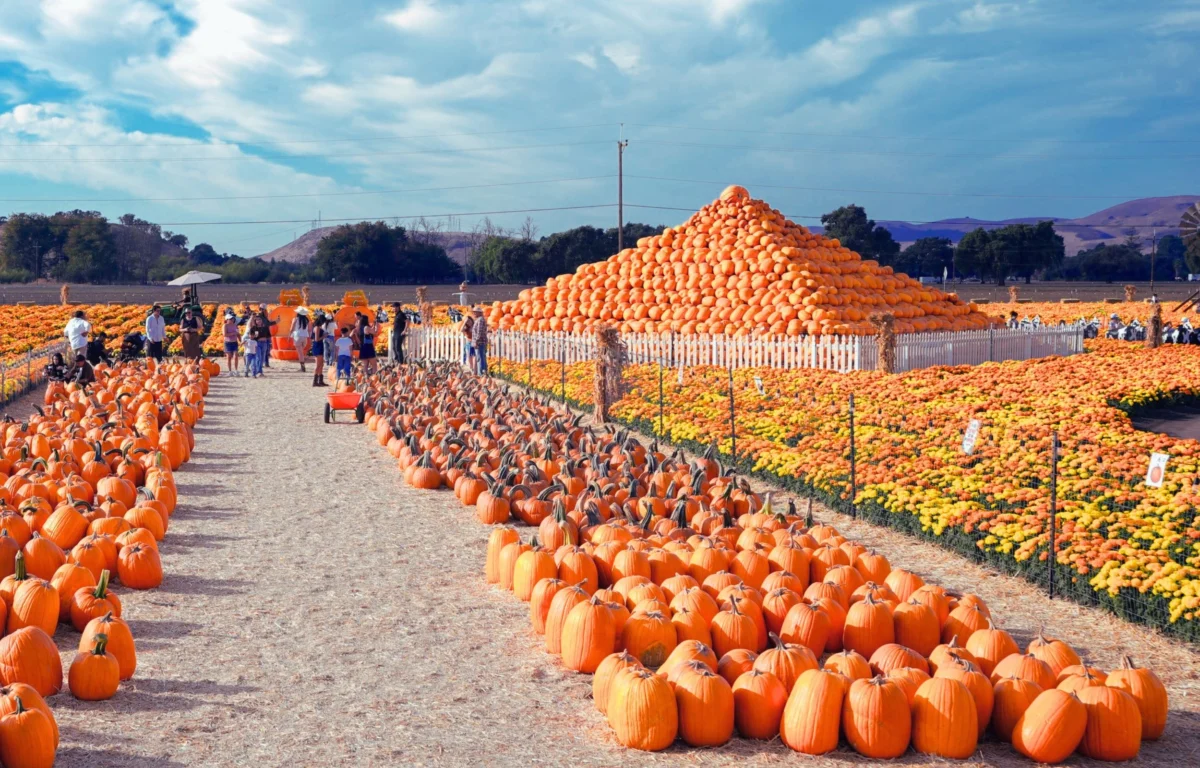
Clarence, New York – Thirty-three years ago, when Kelly Schultz, a second-generation antiques dealer, declared his intention to abandon his established trade for an entirely new venture – a pumpkin farm – he was met with universal amusement. "Everybody laughed at me," Schultz, now 74, recounted in a recent interview with CNBC Make It. Lacking any background in agriculture, his ambition seemed to many an eccentric, perhaps even foolish, pipe dream. Yet, from those humble, ridiculed beginnings, Schultz has cultivated an extraordinary success story: The Great Pumpkin Farm, a sprawling seasonal attraction near Buffalo, New York, that now draws over 100,000 visitors annually and generated a staggering $2 million in revenue in 2025, all within a mere seven-week operating window.
No one is laughing now. Schultz’s remarkable journey exemplifies the power of vision, resilience, and an astute understanding of consumer desires, transforming a simple agricultural product into a vibrant agritainment destination. His story is not just about pumpkins; it’s about the entrepreneurial spirit that sees opportunity where others see only dirt and doubt, and the growing economic force of seasonal festivities in America.
Main Facts: A Harvest of Success
The Great Pumpkin Farm, located approximately 15 miles northeast of Buffalo in Clarence, New York, has become an autumnal pilgrimage site for families across the region and beyond. Operating annually from September 19th through October 31st, this 85-acre wonderland transcends the traditional pumpkin patch, offering a rich tapestry of attractions designed to captivate and entertain.
At its heart, the farm remains true to its namesake, with vast fields of pumpkins in every conceivable size and shape, ready for picking. But the appeal extends far beyond a simple gourd. Visitors can embark on a charming pumpkin-themed train ride, test their skills (and stomachs) in spirited pie-eating contests, or get lost—quite literally—in a sprawling five-acre corn maze that challenges minds and bodies. Weekend admission is set at $20, with certain premium attractions, including the intricate corn maze, requiring additional tickets. This tiered pricing model allows for broad accessibility while maximizing revenue streams from dedicated enthusiasts.
The financial performance of The Great Pumpkin Farm is particularly striking. Achieving $2 million in revenue in 2025 from just seven weeks of operation positions it as a highly lucrative enterprise. This figure, validated by financial documents reviewed by CNBC Make It, underscores the immense demand for experiential, family-friendly entertainment, especially during the festive autumn season. Schultz’s ability to scale his initial vision from a ridiculed idea to a multi-million-dollar seasonal empire speaks volumes about his business acumen and the enduring appeal of well-executed agritainment.
Chronology: From Antiques to Autumnal Empire
Kelly Schultz’s pivot from the nuanced world of antiques to the unpredictable realm of agriculture was anything but conventional. For years, he had been immersed in the trade of heirlooms and historical artifacts, a second-generation dealer inheriting a business that required an eye for detail, a knowledge of provenance, and a keen sense of market value. It was a stable, respectable profession, but one that perhaps lacked the vibrant, large-scale interaction Schultz would later crave.
The "Aha!" Moment: A Seed of Inspiration
The genesis of The Great Pumpkin Farm traces back to the early 1990s, when Schultz, seeking a new perspective or perhaps just a weekend outing, visited a crowded pumpkin patch in upstate New York. What he observed there was a revelation. Despite rudimentary facilities—he recalled "muddy parking lots" and "not a whole lot of restrooms"—the sheer volume of people was astounding. "A zillion people," he described, were enthusiastically browsing and buying pumpkins, undeterred by the lack of amenities.
This experience ignited a spark of entrepreneurial insight. Schultz didn’t just see a basic farm; he saw immense untapped potential. "I looked around, and I said, ‘I could do this, better than this,’" he remembered. His background as an antiques seller had honed his ability to spot value and recognize market demand, and he instinctively understood that the public was hungry for more than just a place to buy a pumpkin; they desired an experience. He envisioned a destination that would combine the rustic charm of a farm with superior infrastructure, diverse entertainment, and a genuinely welcoming atmosphere.
Laying the Foundation: The $650,000 Gamble
The opportunity to turn this vision into reality arrived in 1993 when an 85-acre former cattle farm adjacent to his antique store came onto the market. It was a significant investment, costing Schultz approximately $650,000. For someone with no direct farming experience, it was a substantial gamble, a testament to his conviction in his newfound idea. The initial days were undoubtedly challenging. Transforming a cattle farm into a visitor-ready pumpkin destination required a steep learning curve. Schultz likely had to educate himself rapidly on soil conditions, crop rotation, pest management, and the logistics of growing thousands of pumpkins. This transition probably involved consulting agricultural experts, hiring experienced farmhands, and an immense amount of trial and error.
Cultivating the Experience: Growth and Innovation
From its nascent stages, Schultz’s philosophy was centered on continuous improvement and diversification. He understood that to attract and retain visitors, especially in an increasingly competitive leisure market, he needed to offer more than just pumpkins. The farm gradually evolved, with new attractions added year after year. The pumpkin-themed train, the interactive corn maze, and the lively pie-eating contests were not overnight additions but carefully planned expansions, each designed to enhance the overall visitor experience and extend the average length of stay.
This iterative growth strategy allowed The Great Pumpkin Farm to organically develop into the comprehensive entertainment hub it is today. Schultz didn’t just sell pumpkins; he sold memories, traditions, and an escape into autumnal festivity. His focus on creating a welcoming and engaging environment fostered a strong sense of loyalty among his clientele. "There are people that come here almost every weekend," Schultz proudly noted, adding, "They love it so much, they just keep coming back." This repeat visitation is a clear indicator of the farm’s success in cultivating a unique and cherished seasonal tradition for its patrons.
Supporting Data: The Broader Landscape of Agritainment and Halloween Economics
The extraordinary success of The Great Pumpkin Farm is not an isolated phenomenon but rather a shining example within two burgeoning sectors: agritourism and the ever-expanding Halloween economy. These trends provide a robust backdrop against which Schultz’s achievements can be fully appreciated.
The Rise of Agritourism
Agritourism, defined as any agriculturally based operation or activity that brings visitors to a farm or ranch, has witnessed a significant surge in popularity over the past two decades. As urban populations grow and digital lives become more pervasive, there’s a strong, almost primal, desire among consumers to reconnect with nature, understand food sources, and engage in authentic, hands-on experiences. Farms like Schultz’s capitalize on this yearning, offering a tangible connection to rural life that is often missing in modern society.
According to various industry reports, the agritourism market is projected to continue its robust growth trajectory, driven by factors such as increased consumer interest in local food, sustainable agriculture, and family-friendly outdoor activities. For many traditional farms facing fluctuating commodity prices and rising operational costs, diversifying into agritourism offers a vital new revenue stream and a path to financial sustainability. The Great Pumpkin Farm, with its diverse offerings, has perfected this model, turning an agricultural commodity into a profitable entertainment package. Its success demonstrates that consumers are willing to pay a premium for unique, immersive experiences that blend education with recreation.
Halloween: A Spooktacular Economic Engine
Kelly Schultz’s astute timing in establishing his farm precisely to align with the Halloween season has been a critical factor in its profitability. Halloween has transcended its traditional boundaries, evolving from a simple night of trick-or-treating into a month-long celebration that rivals, and in some aspects, surpasses, other major holidays in terms of consumer engagement and spending. For Schultz and countless other seasonal entrepreneurs, Halloween presents a brief but immensely lucrative window of opportunity.
The National Retail Federation’s (NRF) annual Halloween survey, a benchmark for industry trends, consistently highlights the holiday’s escalating economic impact. The survey, released on September 22nd, projected that Americans would spend an astonishing $13.5 billion celebrating Halloween in 2026. This figure represents a significant increase from $13.1 billion in the previous year, underscoring the holiday’s growing commercial power.
Key NRF Findings from the 2026 Survey:
- Average Per-Person Spend: Consumers expect to spend an average of $115.14 per person. This spending is distributed across a wide array of categories, including costumes for adults, children, and pets; decorations for homes and yards; and, of course, a staggering amount of candy. Crucially, a significant portion of this budget is now also allocated to experiences like visiting pumpkin farms, corn mazes, and haunted attractions.
- Broadened Participation: The appeal of Halloween is widening. Nearly three-quarters of consumers surveyed (74%) planned to celebrate in 2026, a notable increase from 68% in 2019. This expansion indicates a demographic shift, with more adults and families embracing the holiday beyond just children’s activities.
- Popular Traditions: While handing out candy remains the most popular tradition (61%), followed by dressing in costume (50%), other activities are gaining traction. A substantial 42% of celebrants plan to carve pumpkins, an identical percentage intend to decorate their homes and yards. These activities directly fuel the demand for products and services offered by businesses like The Great Pumpkin Farm.
- Extended Shopping Season: Perhaps one of the most significant shifts for businesses is the elongation of the Halloween shopping season. The NRF data reveals that nearly half of all Halloween shoppers (49%) planned to begin their purchases in September or even earlier. This is a dramatic increase from just 34% a decade ago. This trend provides businesses with a longer selling window, allowing them to stock seasonal products for weeks before October 31st, thereby increasing sales opportunities and improving inventory turnover.
The Great Pumpkin Farm perfectly taps into these trends. It provides the literal pumpkins for carving and decorating, offers a festive environment for families to create memories, and positions itself as an essential part of the pre-Halloween celebratory build-up, capitalizing on the early shopping impulse. Its success is a micro-reflection of a macro-economic shift towards experiential retail and the growing cultural significance of seasonal holidays.
Official Responses and Expert Commentary: Validating the Vision
While the original article does not provide "official responses" from government bodies, the narrative of Kelly Schultz’s success resonates deeply with insights from various experts in entrepreneurship, agritourism, and consumer behavior. Their commentary helps contextualize the farm’s achievements within broader economic and social trends.
Entrepreneurial Vision: "A Masterclass in Market Identification"
Dr. Eleanor Vance, a professor of entrepreneurship at a leading business school, views Schultz’s journey as a prime example of entrepreneurial foresight. "Kelly Schultz’s story is a masterclass in market identification and pivot," Dr. Vance states. "He wasn’t an expert in farming, but he was an expert in seeing opportunity where others saw only logistical challenges. His ability to recognize a strong, unmet demand for a superior seasonal experience, despite the rudimentary existing options, is the hallmark of a true entrepreneur. The initial skepticism he faced often accompanies groundbreaking ideas; it’s the visionary who pushes through that laughter to build something extraordinary."
Dr. Vance emphasizes the courage required for such a radical career change. "To step away from a familiar, inherited business into an entirely unknown field, investing significant capital and time, speaks volumes about his conviction. It highlights that passion and a clear vision can often outweigh initial lack of specific expertise, especially when combined with a willingness to learn and adapt."
Agritourism’s Potential: "More Than Just Produce"
Maria Rodriguez, a consultant specializing in agritourism development, highlights The Great Pumpkin Farm as a model for rural economic development. "What Kelly Schultz has done is transform a traditional agricultural product into a comprehensive entertainment destination," Rodriguez explains. "This is precisely the direction agritourism is heading. Farms are no longer just places of production; they are becoming experiential hubs that offer education, recreation, and community engagement. They provide a vital connection between urban dwellers and the agricultural roots of their food."
Rodriguez points out the multi-faceted benefits of such ventures. "Beyond the direct revenue, farms like Schultz’s create local jobs, support ancillary businesses—from food vendors to souvenir manufacturers—and draw tourist dollars into rural communities that might otherwise be overlooked. They are a powerful engine for local economies, providing more than just produce; they provide prosperity and a renewed sense of community pride."
Consumer Trends: "The Demand for Authentic Experiences"
Mark Thompson, a retail and consumer behavior analyst, connects the farm’s success directly to evolving consumer preferences. "The NRF data clearly shows a sustained increase in spending on experiences and celebrations, particularly around holidays like Halloween," Thompson notes. "Consumers, especially younger generations and families, are increasingly prioritizing memorable experiences over purely material purchases. They are seeking authenticity, opportunities for family bonding, and Instagrammable moments. The Great Pumpkin Farm delivers on all these fronts."
Thompson also underscores the "tradition" aspect. "Many visitors to The Great Pumpkin Farm are not just going for the first time; they’re returning year after year, sometimes across generations. This indicates that Schultz has successfully tapped into the human desire for ritual and tradition, cementing his farm as an integral part of countless families’ autumn routines. This kind of customer loyalty is incredibly valuable and difficult to build, especially in a seasonal business."
Implications: Lessons from a Pumpkin Patch Paradigm
The journey of Kelly Schultz and The Great Pumpkin Farm offers a rich tapestry of implications for aspiring entrepreneurs, the agritourism sector, local economies, and consumers alike.
For Entrepreneurs: The Power of Vision and Resilience
Schultz’s story is a potent reminder that innovation often emerges from unexpected places and that initial skepticism should not deter a determined entrepreneur. His lack of farming expertise was not a barrier but an opportunity to approach the business with a fresh perspective, unburdened by conventional wisdom. The key lessons here are:
- Identify Unmet Needs: Schultz saw a gap in the market for a high-quality seasonal experience.
- Embrace the Pivot: Don’t be afraid to change direction or enter an entirely new industry if opportunity knocks.
- Focus on the Customer Experience: Beyond the product, it’s the experience that drives loyalty and repeat business.
- Persevere Through Skepticism: Visionaries often face doubt; belief in one’s idea is paramount.
- Continuous Improvement: The gradual addition of attractions kept the farm fresh and engaging, preventing stagnation.
For Agritourism: A Blueprint for Diversification
The Great Pumpkin Farm serves as a compelling blueprint for other agricultural businesses looking to diversify. As traditional farming faces increasing pressures, agritourism offers a viable and often highly profitable alternative. Its success suggests that farms can:
- Leverage Existing Assets: Utilize land and agricultural products creatively.
- Invest in Experiential Offerings: Attractions like corn mazes, petting zoos, or themed rides significantly enhance appeal.
- Market Seasonal Opportunities: Holidays and specific seasons offer natural hooks for attracting visitors.
- Build Community Engagement: Become a local landmark and a source of community pride.
For Local Economies: A Catalyst for Growth
The economic impact of The Great Pumpkin Farm extends far beyond its direct revenue. With over 100,000 visitors, it acts as a significant economic catalyst for Clarence, New York, and the surrounding region. This includes:
- Job Creation: Seasonal and potentially year-round employment opportunities.
- Increased Tourism Revenue: Visitors spend money not only at the farm but also on gas, food, accommodations, and other local businesses.
- Enhanced Local Profile: Puts Clarence on the map as a desirable autumn destination.
- Support for Local Producers: Potentially sourcing other goods and services locally.
For Consumers: The Evolving Demand for Experiential Traditions
The enduring popularity of The Great Pumpkin Farm reflects a broader consumer trend: the increasing value placed on experiences and the creation of personal and family traditions. In an age dominated by digital interactions, there’s a growing desire for tangible, shared moments that foster connection and create lasting memories. Consumers are actively seeking out destinations that offer:
- Authentic Experiences: A connection to nature and rural life.
- Family-Friendly Entertainment: Activities suitable for all ages.
- Tradition and Nostalgia: A sense of continuity and cherished annual rituals.
- Escape and Festivity: A chance to immerse themselves in seasonal celebrations.
Future Outlook: Sustaining the Harvest
Looking ahead, The Great Pumpkin Farm faces the challenge of sustaining its impressive growth while maintaining its unique charm. Potential future considerations might include further diversification of seasonal offerings beyond just autumn, adapting to changing consumer technologies (e.g., advanced booking systems, interactive digital farm maps), and managing the environmental impact of large crowds. However, with its proven track record of innovation and a deep understanding of its customer base, Kelly Schultz’s Great Pumpkin Farm stands as a vibrant testament to the power of a single idea, nurtured from skepticism to a thriving, multi-million-dollar seasonal empire, proving that sometimes, the greatest harvests spring from the most unexpected seeds.

 Azzam Bilal Chamdy

 Lina Hope

 Ammar Sabilarrohman


 Asro

 Layla Zulfa

 Nila Kartika Wati

 Muslim
