
 Asep Darmawan

In the high-stakes world of private equity and sustainability consulting, 28-year-old Georgia Young was no stranger to the grind. For four years, she navigated the demanding landscape of high-level financial strategy, advising global firms on multi-billion-dollar portfolios. However, it wasn’t the complex spreadsheets or the global impact initiatives that would define her career trajectory—it was a simple, recurring problem: the need for a clean, convenient, and effective caffeine boost during an exhausting workday.
That frustration birthed Rallee, a line of caffeinated gummies designed for the modern, on-the-go professional. In just over a year since its inception, Young has transformed a self-funded side project into a retail powerhouse, securing shelf space in nearly 2,000 Walmart locations and projecting $1.8 million in revenue by 2027.
The Genesis of an Idea: Solving the “Barista Bottleneck”
Young’s transition from consultant to CPG (Consumer Packaged Goods) founder was not a calculated leap, but a necessary evolution. Working in an environment where every minute was accounted for, she found that her reliance on traditional coffee and matcha was becoming both logistically difficult and financially inefficient.
"I didn’t have time to stand in line for a barista every time I needed a boost," Young recalls. "Spending $5 or $6 on coffee several times a day added up quickly. I wanted something more affordable, convenient, and thoughtfully formulated than traditional energy drinks."

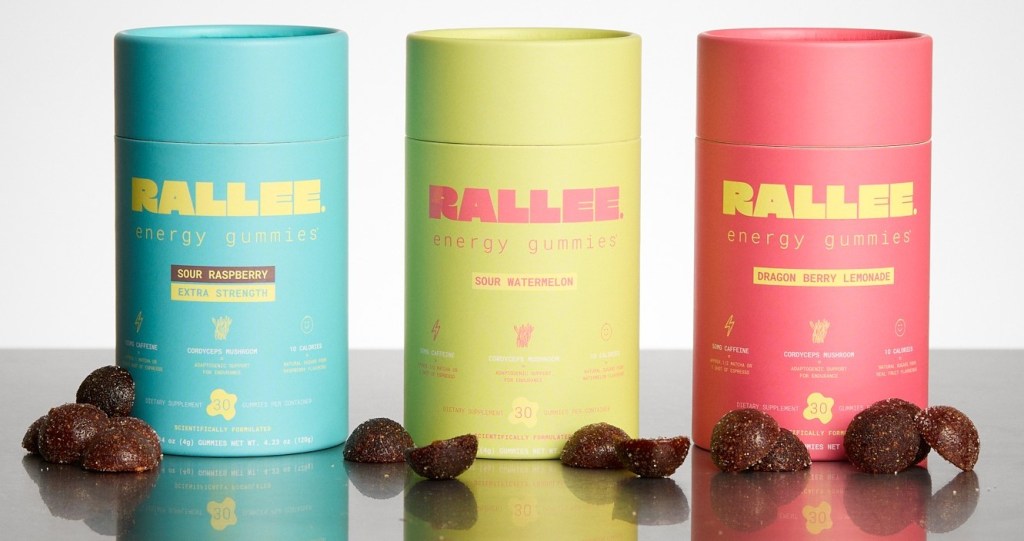
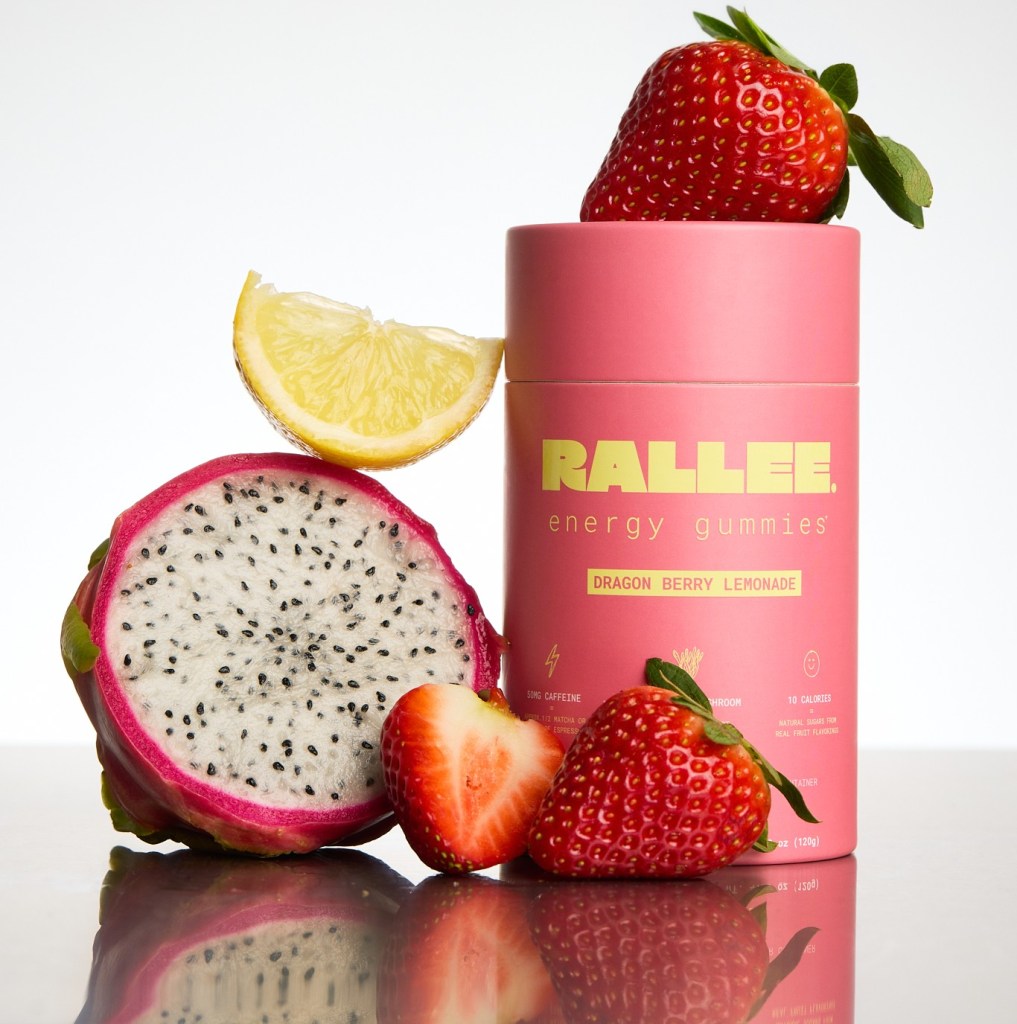
Driven by a desire for a cleaner energy source, Young began researching the science of caffeine. She aimed to create a product that bypassed the "jitters" often associated with high-caffeine consumption. By collaborating with nutritional scientists, she formulated a gummy that combined caffeine with L-theanine for calm focus, incorporated slow-release caffeine for sustained energy, and added cordyceps mushrooms—all within a 10-calorie, vegan-friendly package.
Chronology of a Startup: From Side Hustle to Scale
The development of Rallee followed a rigorous, albeit exhausting, timeline. Young spent her evenings and weekends balancing her high-pressure consulting role with the complexities of manufacturing, regulatory compliance, and branding.
The Foundation (2024 – Early 2025)
Young invested her own savings—approximately $45,000—into the initial research and development phase. With no prior experience in food manufacturing, the learning curve was steep. She had to navigate the intricacies of minimum order quantities (MOQs), ingredient sourcing, and safety testing.
The Launch (January 2025)
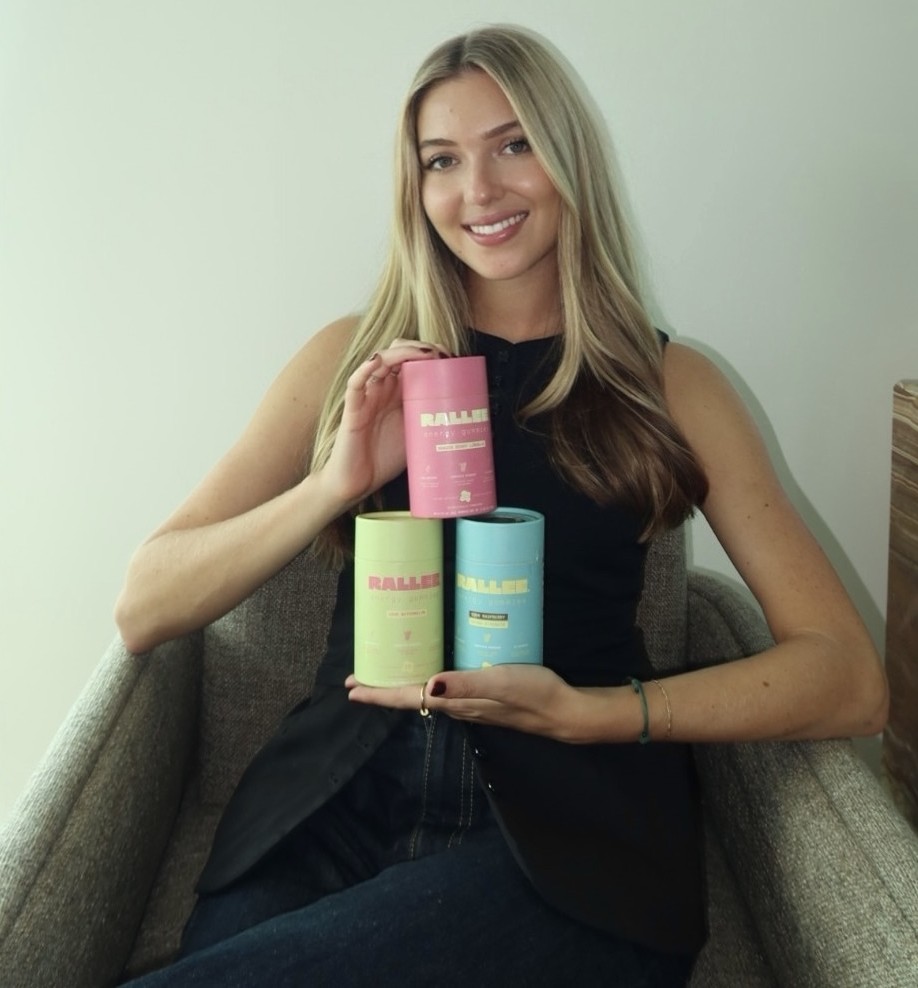
Rallee officially launched in January 2025. For the first few months, Young maintained her consulting job, effectively working two full-time positions until April 2025, when she finally committed to the business full-time.
The Pivot (February 2026)
While the company saw sales from the first month, they remained inconsistent throughout the first year. The major turning point occurred in February 2026, when Young executed a strategic relaunch. By shifting the focus toward subscription models, bundled offerings, and single-serve sampling pouches, she saw a 7.6x increase in direct-to-consumer (DTC) sales within just four months.
The Retail Expansion (Late 2026 – Present)
Leveraging communities like Startup CPG, Young secured a pivotal opportunity to pitch to Walmart. The result was a massive retail footprint: Rallee entered 1,940 stores in eight months, a feat rarely achieved by such a young, founder-owned company.
Data-Driven Growth: The Economics of Physical Products
Young is candid about the financial realities of the CPG industry. Unlike digital services, physical products are capital-intensive. "The thing that surprised me most is how much cash a physical product ties up before you ever see a sale," she explains. "Every production run means paying upfront for ingredients, packaging, and freight—often months before that inventory turns into revenue."
Key Financial Benchmarks:
- Initial Capital: $45,000 (Founder-funded, 100% equity retained).
- Retail Footprint: 1,940 Walmart stores.
- Growth Trajectory: 7.6x increase in DTC sales post-February 2026.
- Revenue Projection: $1.8 million by 2027.
Young emphasizes the distinction between revenue and profit. Because the business is in a hyper-growth phase, nearly every dollar earned is reinvested into inventory, marketing, and expanding the product line.
Overcoming Adversity: The "Perfectionism" Trap
In her interview, Young highlights two major lessons for aspiring entrepreneurs: the danger of perfectionism and the necessity of adaptability.
The Perils of Perfectionism
Coming from a consulting background, Young was conditioned to ensure every document underwent multiple rounds of peer review before reaching a client. She initially applied this mindset to Rallee, wanting every design and formulation detail to be flawless. She soon realized that in the consumer market, "good enough" is often the enemy of "fast enough."
"You can spend months debating something internally, only to discover that customers care about something entirely different," she notes. "Getting to 90% and learning from the market is often far more valuable than spending another six months chasing the final 10%."
Crisis Management: The Walmart Deadline
The unpredictability of supply chains was best illustrated during the lead-up to the Walmart launch. A vital piece of sealing equipment failed to arrive, threatening the entire retail deadline. Rather than delaying the launch, Young pivoted, hiring additional labor and switching to manual, handheld sealing equipment. It was a costly and labor-intensive solution, but it ensured the product reached the shelves on time—a testament to her "founder-first" grit.
Implications for the Future of Energy
Rallee’s success suggests a shifting preference among consumers. The modern professional is moving away from the "coffee shop culture" toward functional, portable, and transparently sourced energy solutions.
For those looking to follow in Young’s footsteps, her advice is rooted in market research rather than mere intuition. She urges founders to interview at least 20 potential customers before spending a dime on development. "Ask them what they’re currently using, what frustrates them, and what would actually make them switch," she says. "Their answers should shape your product, pricing, and messaging before you’ve committed to your first production run."
Conclusion: The Road Ahead
As Rallee continues to expand its retail presence, the brand stands as a case study in how to leverage professional discipline to disrupt a crowded market. For Young, the journey is only beginning. The transition from managing multi-billion-dollar portfolios to managing the shelf-life and logistics of a caffeinated gummy has been a challenging, yet deeply rewarding, pivot.
By staying lean, listening to the customer, and refusing to let the search for perfection stall the engine of growth, Young has proven that a well-executed side hustle can, with the right strategy, evolve into a dominant market player. As the brand eyes the $1.8 million revenue mark, the focus remains on the same core principle that started it all: providing a cleaner, more efficient way to power the workday.


 Nila Kartika Wati


 Ammar Sabilarrohman


 Asro

 Layla Zulfa
 Muslim
