
 Dwi Wanna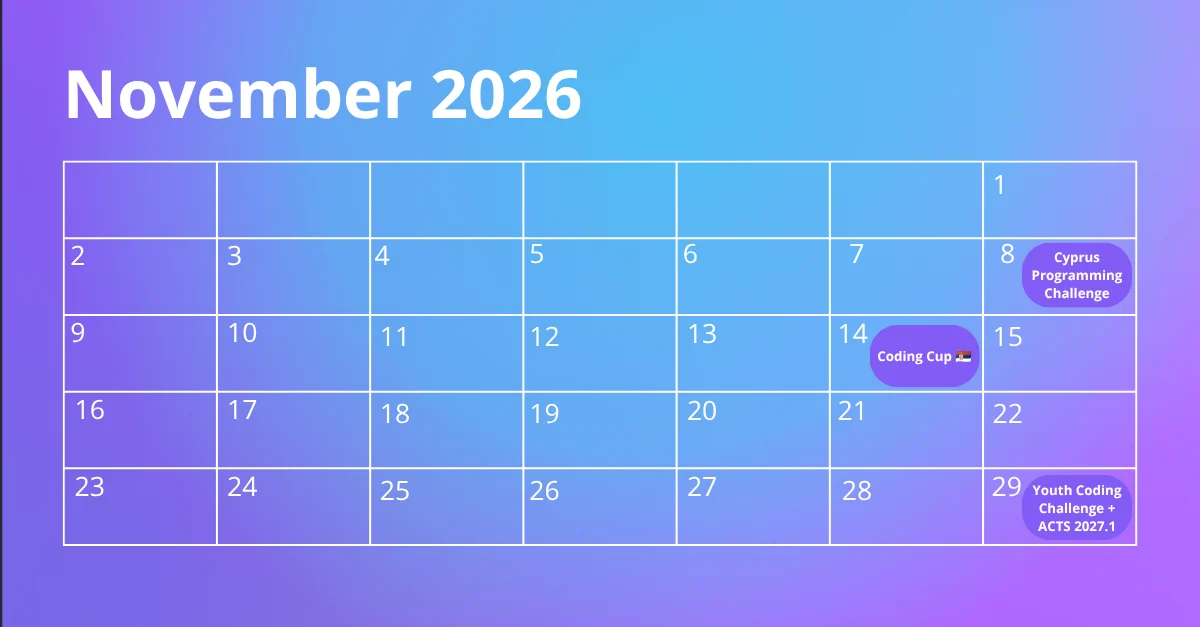
As the global demand for sophisticated computational thinking and artificial intelligence expertise continues to accelerate, JetBrains has officially launched its comprehensive 2026–2027 educational initiative. Aimed at school students aged 13 to 19, the program is designed to bridge the gap between classroom theory and real-world application, offering a structured pathway that spans from foundational math and coding clubs to intensive, high-level competitive training camps.
The initiative, managed under the JetBrains Academy umbrella, reflects a strategic shift toward fostering community-driven learning, providing young developers with the tools to master everything from machine learning models to complex algorithmic design.
Main Facts: A Holistic Approach to Youth Development
The JetBrains 2026–2027 program is categorized into three core pillars: virtual Youth Clubs for skill building, regional Coding Cups for competitive exposure, and the flagship Algorithm and Code Training Schools (ACTS) for elite-level intensive training.
The programs are built on the pedagogical belief that technical mastery is a marathon, not a sprint. By integrating math, AI, and coding, JetBrains intends to cultivate a "well-rounded programmer"—someone who not only writes clean code but understands the underlying logic and mathematical structures that make modern software possible. With registration for core clubs closing on October 31, 2026, the company is urging students to act quickly to secure their spots in this academic cycle.
Chronology of the 2026–2027 Academic Year
To assist students in mapping out their academic year, JetBrains has released a clear timeline of key events and deadlines:
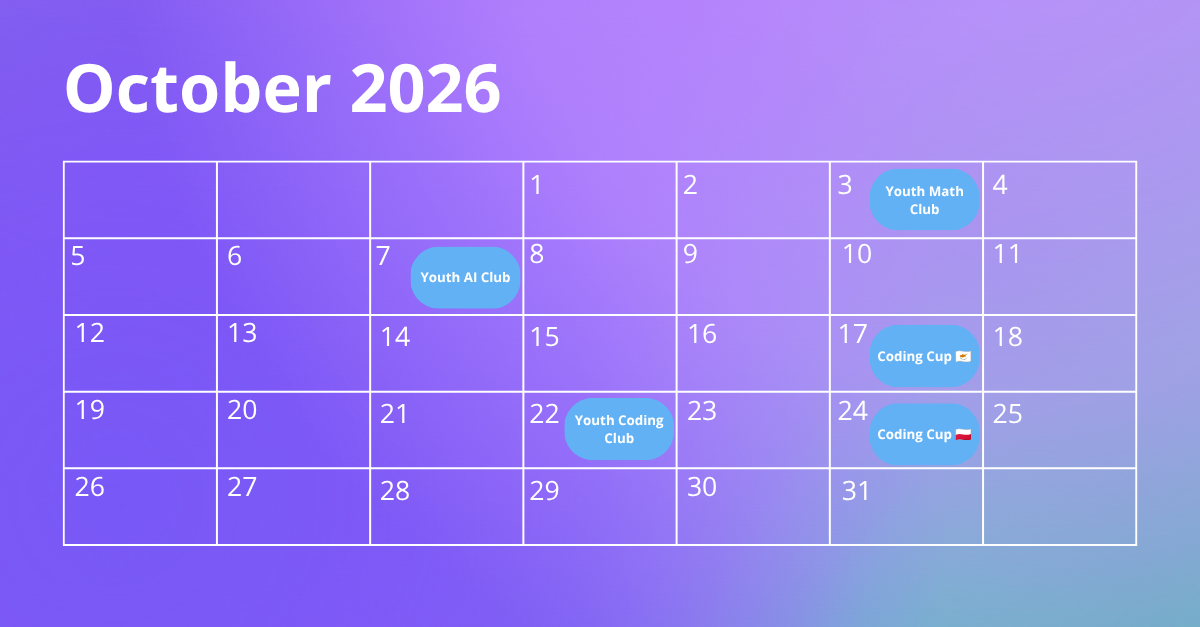
- October 2026:
- October 22: Commencement of the Youth Coding Club.
- October 24: JetBrains Coding Cup, Poland.
- October 31: Final registration deadline for the Youth Math, AI, and Coding Clubs.
- November 2026:
- November 8: The fourth edition of the Cyprus Programming Challenge.
- November 14: JetBrains Coding Cup, Serbia.
- November 29: The annual Youth Coding Challenge, serving as a primary selection event for the spring ACTS program.
- March 2027:
- March 15–26: The ACTS 2027.1 Intensive Programming Camp in Cyprus.
Supporting Data and Club Structure
The educational infrastructure is built to support varying levels of expertise, ensuring that students can find a "home" regardless of their current proficiency.
The Youth Clubs: Foundational Pillars
These virtual clubs represent the entry point for most students. They are designed to be accessible yet rigorous.
- Youth Math Club: Focuses on pattern recognition, logical deduction, and complex problem-solving. JetBrains emphasizes that mathematical literacy is the bedrock of advanced software engineering.
- Youth AI Club: A deep dive into the architecture of neural networks and machine learning. Students are tasked with practical assignments that simulate real-world data science challenges.
- Youth Coding Club: Geared toward students looking to refine their efficiency in programming. The focus here is on algorithmic complexity and writing clean, maintainable code.
The Competitive Circuit
The JetBrains Coding Cups and the Cyprus Programming Challenge serve as "testing grounds." These in-person events are designed to mimic the pressure of professional hackathons. By hosting these events in Cyprus, Poland, and Serbia, JetBrains is actively decentralizing its educational footprint, bringing world-class competitive resources to regions where young talent is burgeoning.
Official Perspectives: The Value of "Learning by Doing"
In discussions surrounding these initiatives, JetBrains representatives have emphasized that the goal is not merely to produce "coders," but to build a generation of problem-solvers.
"The landscape of technology is shifting toward AI-integrated systems," says an educational coordinator at JetBrains. "We believe that if a student understands the math behind an algorithm, they become significantly more capable of adapting to future technological shifts. Our programs, particularly the ACTS camp, are designed to put students in rooms with peers and mentors who push them to think beyond the syntax of a specific programming language."

The inclusion of the IOAI (International Olympiad in Artificial Intelligence) track within the ACTS program demonstrates JetBrains’ commitment to high-level competition. By facilitating training for national teams, the organization is positioning itself as a vital stakeholder in the global AI talent pipeline.
Implications for Students and the Industry
The implications of the 2026–2027 initiative are twofold:
For the Student
Participation offers more than just knowledge. The "Junior League" and "Senior League" structure of the Youth Coding Challenge provides a clear path toward professional development. Successful students in the Senior League gain a direct pathway to the ACTS camp, effectively turning a local competition into an international networking opportunity. This access to expert teaching assistants and like-minded peers is invaluable in an age where self-taught developers often lack structured peer review.
For the Tech Industry
By investing in the youth of 2026, JetBrains is addressing the long-term "talent gap" in the technology sector. The industry is currently struggling to find engineers who are comfortable with the intersection of AI and traditional software engineering. By standardizing training and exposing students to complex challenges at an early age, JetBrains is essentially "future-proofing" the next generation of hires.
Preparing for the Road Ahead: A Call to Action
As the registration windows for the Youth Clubs begin to narrow, the emphasis for interested students should be on preparation. The content within these programs is not intended to be passive; it requires active engagement.
Students looking to participate in the upcoming ACTS 2027.1 camp should view the November 29 Youth Coding Challenge as a critical milestone. Scoring well in this event is the most reliable way to ensure a seat at the table in Cyprus.
Furthermore, the integration of social media channels like Instagram and LinkedIn for real-time updates suggests that JetBrains is fostering a digital community that extends beyond the classroom. For those seeking to join this network, staying connected to these platforms is essential, as registration for major events like the Cyprus Programming Challenge is slated to open in the coming weeks.
Conclusion: Investing in Curiosity
The 2026–2027 educational roadmap from JetBrains is a testament to the company’s ongoing mission to support the developer ecosystem from the ground up. By providing high-quality, free, or accessible resources, JetBrains is ensuring that a student’s potential is limited by their ambition rather than their access to information.
Whether a student’s goal is to compete in the IOAI, build their first neural network, or simply sharpen their logic skills, the opportunities offered this year are expansive. The path to becoming an industry leader in 2030 begins with the choices students make in October 2026. As the academic year gains momentum, the global community of young programmers will be watching—and learning—from what is set to be one of the most comprehensive educational programs in the tech sector.
For those ready to commit, the tools are ready. The challenge is set. The only remaining variable is the dedication of the next generation of innovators.

 Reynand Wu
 Jia Lissa
 Basiran
 Neng Nana
 Nana Muazin

 Laily UPN
 Asep Darmawan