
 Rifan Muazin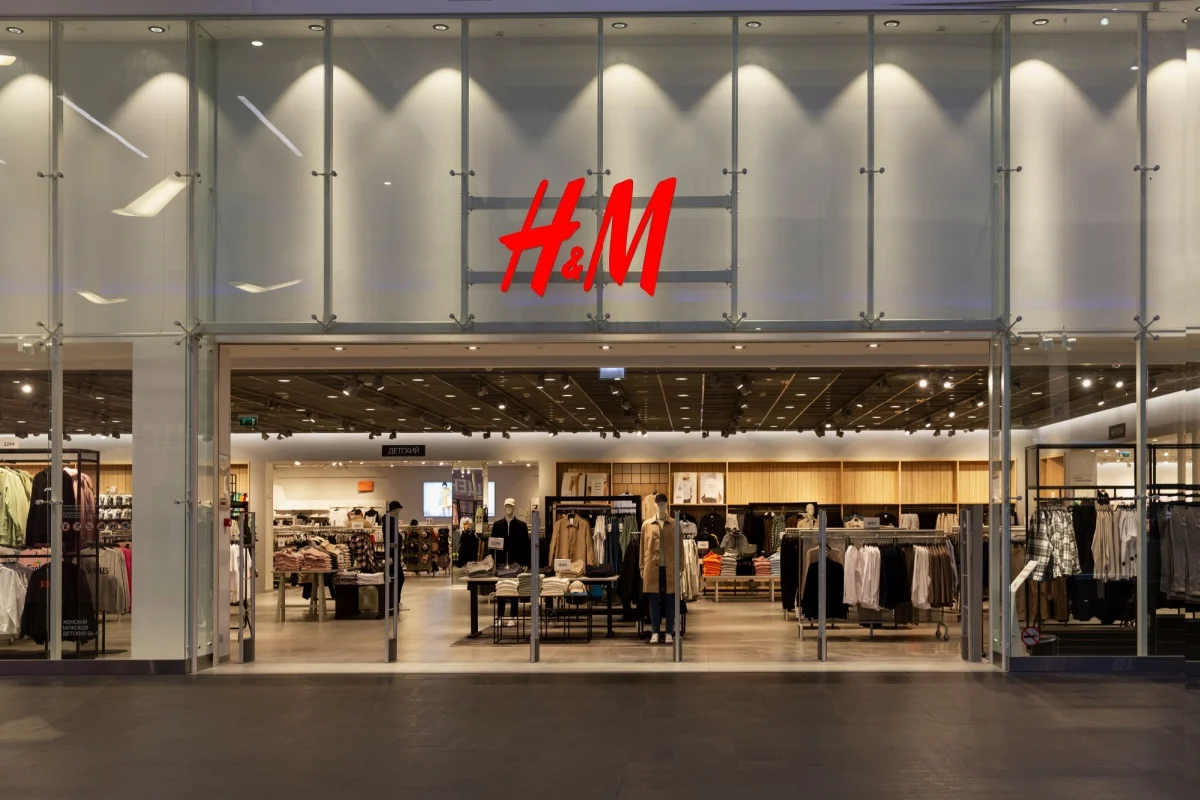
The global fashion retail sector, an industry built on supply chain precision and massive consumer data troves, is currently grappling with a wave of sophisticated digital intrusions. In the latest development, Swedish retail behemoth H&M Group—the parent company of iconic brands including Cos, Arket, and Monki—has launched an urgent internal investigation following reports that it may have been targeted by cybercriminals. This incident, while currently unconfirmed, has reignited fears regarding the vulnerability of multinational retailers to data breaches and extortion tactics.
The news comes on the heels of a separate, confirmed security breach at the digital fashion platform ASOS, suggesting a broader, systemic campaign targeting major players in the retail space. As cyber-threat actors grow more adept at bypassing traditional defenses, the retail sector finds itself on the front lines of an escalating digital conflict.
The H&M Investigation: What We Know
H&M Group, a titan of the high-street fashion world, confirmed this week that it is actively examining claims of a potential cybersecurity incident. Reports circulating in the intelligence community suggest that a "limited amount" of corporate data may have been compromised.
Despite the alarming nature of these reports, H&M remains cautious. In a statement provided to The Times, a company spokesperson emphasized the rigor of their response: "We are aware of the claims circulating online regarding a potential cybersecurity incident involving a limited scope of H&M Group data. Protecting the security of our systems and data is of utmost importance to us."
Crucially, the retailer has stated that, at this stage, it has found no definitive evidence that its core systems have been breached or compromised. The investigation remains ongoing, and the company has refrained from commenting further as it works with internal security teams and external forensics experts to determine the veracity of the claims.
The Specter of ShinyHunters
Much of the concern surrounding the H&M incident is tied to the alleged involvement of "ShinyHunters," a notorious cybercriminal syndicate. Unlike state-sponsored actors who might seek to disrupt infrastructure, ShinyHunters is primarily motivated by financial gain. They are widely recognized for their proficiency in social engineering, sophisticated phishing campaigns, and the exploitation of vulnerabilities within cloud-based storage services. If this group is indeed behind the H&M claims, it marks a significant escalation in their targeting of the retail industry.
Chronology of a Sector-Wide Crisis
The threat to fashion retail is not a sudden phenomenon but a trend that has been accelerating throughout late 2026. The current climate is defined by a rapid succession of security incidents that have forced industry leaders to re-evaluate their digital perimeters.
- September 2026: H&M reports a positive financial outlook, with profits jumping despite flat sales. This uptick in performance often draws the attention of malicious actors, who view high-revenue corporations as prime targets for ransomware or data extortion.
- Early October 2026: The digital landscape shifts as ASOS customers begin receiving alarming, threatening notifications, signaling that the platform’s security has been compromised.
- October 6, 2026: ASOS publicly acknowledges that an unauthorized party gained access to an internal employee account. This admission marks the beginning of a high-profile investigation into how the breach occurred and what data was exposed.
- Mid-October 2026: Following the ASOS incident, rumors emerge regarding H&M Group. Security researchers identify links between the chatter surrounding H&M and the methods previously employed by criminal groups like ShinyHunters.
- Present Day: Both companies remain in active investigation modes, with the retail industry bracing for further disclosures as regulators and security firms monitor the situation.
The ASOS Breach: A Case Study in Social Engineering
The ASOS incident serves as a stark reminder of the "human element" in cybersecurity. Unlike high-tech exploits that tear through firewalls, the ASOS breach was facilitated through human manipulation.
According to the official statement from ASOS, the unauthorized party did not hack the system directly; instead, they impersonated a "trusted contact" to trick an employee into surrendering their login credentials. Once inside, the attackers used these credentials to pivot into third-party platforms that the retailer uses for internal operations.
Remediation and Findings
Once the breach was detected, ASOS acted with decisive speed. The company immediately locked down the affected platforms to prevent further unauthorized access.
"Our investigation found that the unauthorized party had access to some personal information, including names and contact details, and certain non-personal account-related information," the company stated. Importantly, ASOS was able to confirm that the breach did not extend to the "crown jewels" of retail data: payment-card information and customer account passwords remained secure throughout the incident.

Implications for the Fashion Retail Industry
The dual incidents involving H&M and ASOS highlight three critical vulnerabilities that the retail sector must now confront with renewed urgency.
1. The Vulnerability of the Supply Chain
Fashion retailers rely on a complex web of third-party platforms for logistics, marketing, and inventory management. As seen in the ASOS incident, these third-party integrations are often the "weak link." Attackers no longer need to break into the main corporate network; they simply need to compromise a peripheral service provider or an employee with access to one.
2. The Rise of "Human-Centric" Attacks
Social engineering—the art of manipulating people into performing actions or divulging confidential information—has become the primary tool for modern cybercriminals. As companies spend millions on AI-driven firewalls and encryption, criminals have pivoted back to the easiest point of entry: the employee. Training staff to recognize phishing attempts and unauthorized impersonations is now just as important as maintaining technical security infrastructure.
3. The Cost of Reputation
For brands like H&M and ASOS, consumer trust is the most valuable asset. Even if a breach is "limited" in scope and does not involve financial data, the reputational damage can be severe. Consumers who feel their personal contact details have been exposed are less likely to engage with digital loyalty programs, newsletters, or online shopping portals, leading to long-term revenue loss.
Regulatory and Security Responses
Both H&M and ASOS have emphasized their cooperation with law enforcement and regulatory authorities. In the current global regulatory environment, such as the GDPR in Europe, the requirements for reporting data breaches are stringent. Companies are not only expected to mitigate the damage but also to demonstrate transparency to their customer base.
Industry experts suggest that we are likely to see a shift toward "Zero Trust" architectures across the retail sector. In a Zero Trust model, no user or device is trusted by default, regardless of their location inside the corporate network. This approach mandates constant verification, which could have prevented the unauthorized access to the ASOS employee account by ensuring that even a valid login required secondary, perhaps biometric, authentication.
Furthermore, retailers are expected to increase their investment in Threat Intelligence services. By partnering with cybersecurity firms that monitor the "dark web," retailers can identify if their data is being traded or if their corporate credentials have appeared in stolen databases before an actual attack occurs.
Conclusion: A New Era of Vigilance
The events surrounding H&M and ASOS serve as a wake-up call for the entire retail industry. As fashion moves increasingly into the digital sphere, the boundaries between the physical storefront and the digital database have blurred. The threat posed by groups like ShinyHunters is not merely an IT problem; it is a fundamental business risk that impacts stakeholders, shareholders, and, most importantly, the millions of customers who shop with these brands every day.
As H&M continues its investigation, the global retail community watches closely. The outcome of these incidents will likely dictate the security strategies of fashion houses for years to come. In an age where data is the currency of commerce, the ability to protect that data is no longer an optional service—it is the foundation of modern retail viability.
For more updates on this developing story and further insights into the retail sector, sign up for the Retail Gazette’s free daily email newsletter.


 Evan Lee Salim
 Suro Senen
 Lina Irawan
 Nana
Nana

 Ali Ikhwan
