
 Nila Kartika Wati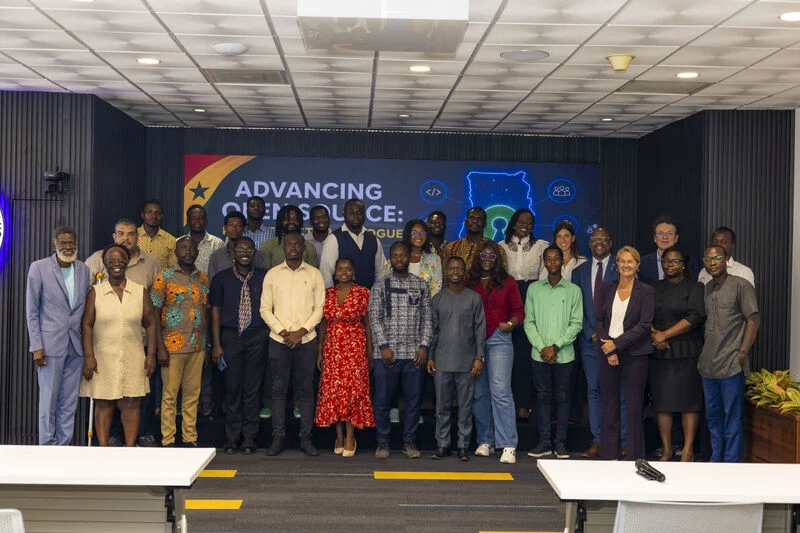
In an era where national infrastructure is increasingly defined by software, the Republic of Ghana is positioning itself at the vanguard of a global movement. By partnering with the United Nations Development Programme (UNDP) and leveraging expertise from the global developer community, Ghana is transitioning from a consumer of technology to an architect of its own digital destiny. At the heart of this transformation is a commitment to open source software—not merely as a technical preference, but as a foundational pillar of national policy and digital sovereignty.
The Architecture of Reform: Ghana’s Digital Reset
The Ministry of Communications, Digital Technology, and Innovation (MoCDTI) is currently overseeing what can only be described as a "deliberate digital reset." This ambitious legislative overhaul aims to modernize the nation’s ICT framework to foster job creation, accelerate enterprise growth, and empower the country’s burgeoning youth population.
This reform encompasses over a dozen legislative updates simultaneously, touching upon critical sectors including cybersecurity, data protection, electronic communications, and emerging technologies. By replacing outdated statutes with modern, agile frameworks, the government is creating an environment where technology can thrive. However, the true challenge lies in the implementation: will these systems be built on open, auditable foundations, or will they be locked behind the proprietary walls of legacy vendors?
The answer to this question determines the long-term sustainability of Ghana’s digital infrastructure. Open source, by its nature, allows for transparency, community auditing, and a reduced dependency on single-vendor lock-in, providing the flexibility necessary for a developing economy to scale efficiently.
Chronology of an Institutional Shift
The collaboration between GitHub, the UNDP, and the Ghanaian government represents a structured, diagnostic approach to institutional change. The timeline of this engagement highlights the methodical nature of the digital transformation:
- Early 2024–2025 (Foundation Building): The Ghanaian government identifies the need for a comprehensive digital framework, leading to the initiation of the "One Million Coders" program and the expansion of Digital Public Goods (DPGs).
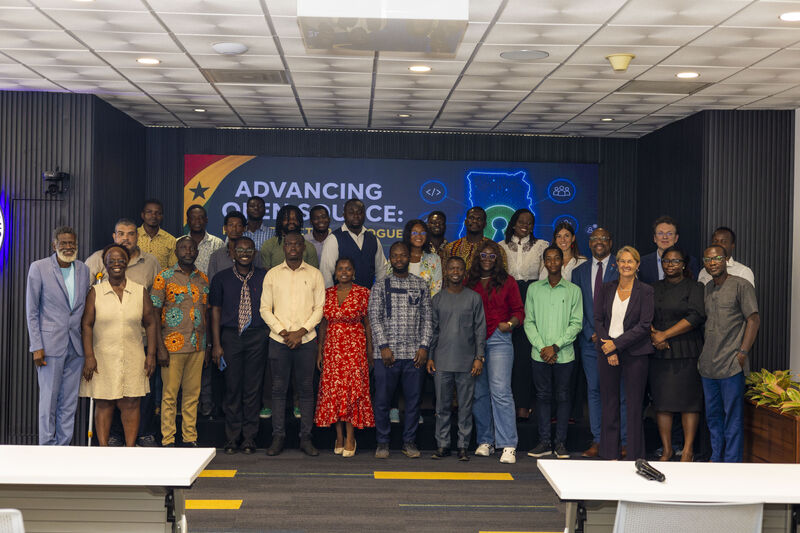
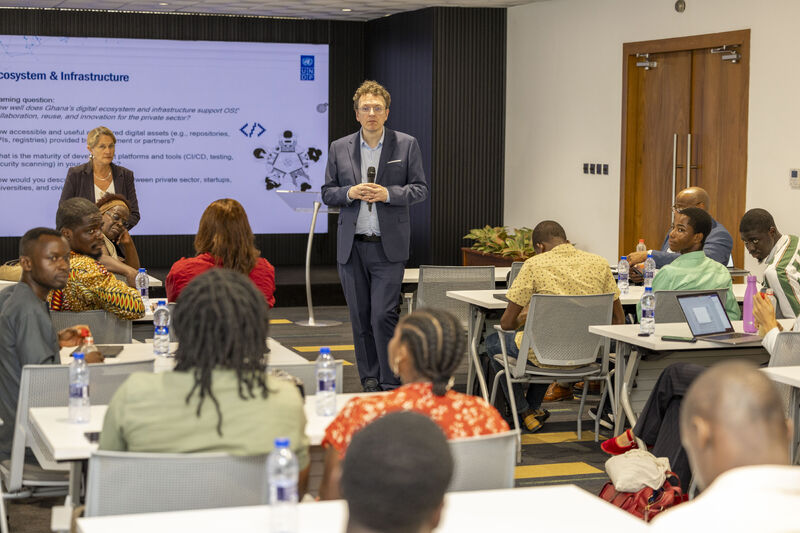
- Mid-2026 (Diagnostic Phase): GitHub’s policy team joins forces with the UNDP to launch the Open Source Programme Office Readiness Assessment (OSPORA). This week-long series of workshops and high-level interviews brings together stakeholders from the National Information Technology Authority (NITA), ministry officials, and private sector leaders.
- The Assessment Period: The teams evaluate existing institutional policies, technical capacity, and procurement hurdles. The methodology utilized is based on Public Digital’s framework, which measures the maturity of government organizations regarding open-source adoption.
- Late 2026 (Strategy Formulation): With the findings from the OSPORA process, the government begins mapping out a roadmap to integrate open source into the institutional default, moving away from fragmented, siloed deployments toward a unified national strategy.
Supporting Data and the Digital Landscape
Ghana’s digital credentials in West Africa are robust. The country boasts one of the fastest-growing tech communities in the region and holds the second-highest number of GitHub developer accounts in West Africa. This technical talent pool is supported by the "One Million Coders" initiative, which aims to produce a massive, skilled workforce by 2028.
However, the OSPORA assessment revealed a complex reality. While political will is high and the technical talent is present, significant institutional barriers remain:
- Procurement Inertia: Current procurement patterns are heavily skewed toward proprietary, entrenched vendor relationships, which often inadvertently stifle the adoption of open-source alternatives.
- Siloed Operations: Lack of coordination between NITA and individual ministries often results in duplicated efforts and inconsistent standards.
- Regional Disparities: While urban hubs are thriving, rural IT teams remain under-resourced, creating a digital divide that threatens to undermine national-scale implementation.
Despite these hurdles, the consensus among stakeholders is clear: open source is seen not as a technical luxury but as an economic imperative to reduce long-term operational costs and maintain control over critical national data.
Perspectives from the Frontline: Official and Institutional Responses
The success of this initiative rests on the "champions" within the government—officials who recognize that the future of Ghana’s economy is inextricably linked to the democratization of technology.
The Role of OSPORA
The OSPORA model is essential because it treats institutional architecture with the same rigor as technical architecture. By asking uncomfortable questions—such as "Does our procurement policy actively discriminate against open-source solutions?" or "Do we have the internal capacity to maintain these tools?"—the assessment forces a shift from reactive problem-solving to proactive governance.
GitHub’s Strategic Commitment
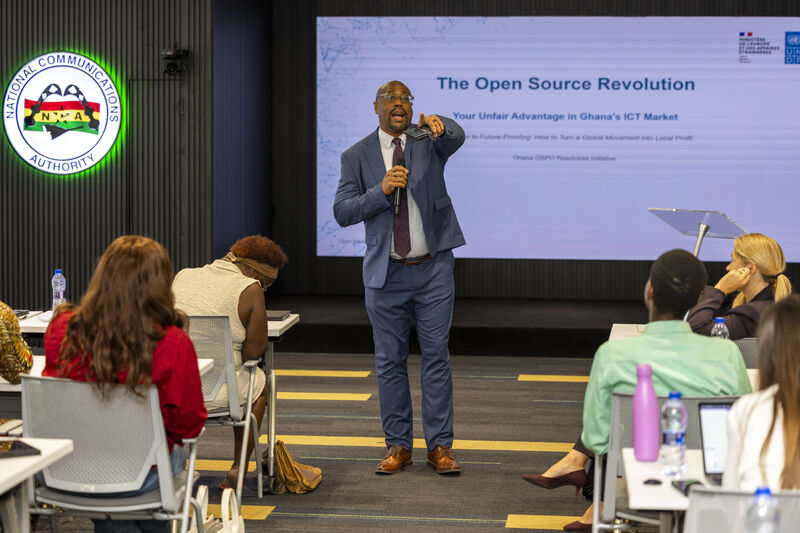
The GitHub Policy team views this partnership as a template for other nations. "Partnerships like this don’t happen in the abstract," notes the GitHub team. "They happen because people show up, do the hard work of building trust across institutions, and stay committed to the long game." By providing the tools and the governance framework, GitHub helps the government move beyond "vendor-provided" solutions toward community-driven, sustainable infrastructure.
The UNDP Vision
For the UNDP, the collaboration is about more than just software; it is about building Digital Public Goods (DPGs) that can be deployed at scale. The use of tools like the National Carbon Registry—a project maintained on GitHub and deployed by various governments—serves as a proof-of-concept for how open source can address global challenges like climate change while simultaneously building local capacity.
Implications for Global Digital Development
The Ghanaian experiment holds significant implications for the global south and the broader development community.
Digital Sovereignty
By adopting open source as a default, Ghana is asserting its digital sovereignty. In an environment where data residency and cybersecurity are paramount, relying on proprietary black-box software is a strategic risk. Open source allows for third-party auditing, ensuring that the software governing critical services—from tax collection to identity management—is secure and transparent.
The Institutional "Default"
The transition from an occasional user of open source to an "open source-first" government requires a fundamental change in culture. It requires the establishment of an Open Source Programme Office (OSPO) within the government—a central body responsible for licensing, compliance, and fostering an internal culture of contribution. This office acts as a bridge between the government, the local developer community, and international contributors.
Addressing the Talent Pipeline
As Ghana continues to invest in its youth through initiatives like "One Million Coders," the presence of a robust open-source ecosystem provides a real-world training ground. When students contribute to government projects, they are not just learning to code; they are contributing to the national infrastructure. This creates a virtuous cycle where the public sector benefits from the community, and the community gains the skills required to drive the economy.
Conclusion: A Path Toward Sustainable Innovation
Ghana’s pivot to open source is a testament to the fact that digital transformation is as much about human capital and governance as it is about hardware and software. The obstacles—institutional inertia, outdated procurement, and siloed departments—are significant, but they are not insurmountable.
As the government continues to refine its legislative framework and build the capacity of its IT workforce, it serves as a beacon for other nations in the region. The lessons learned in Accra are being shared on the global stage, including at the United Nations Open Source Week in New York, proving that the future of government technology is open, collaborative, and, above all, sovereign.
By embracing this path, Ghana is ensuring that the digital tools of tomorrow are not merely purchased, but built, sustained, and owned by the very people they serve. As the global community watches, Ghana is proving that when it comes to building a modern nation, open source offers a structurally different—and fundamentally better—path forward.


 Jia Lissa

 Raul Delapena Setiawan
 Reynand Wu
 Sagoh
Sagoh

 Azzam Bilal Chamdy
 Ali Ikhwan