
 Lina Irawan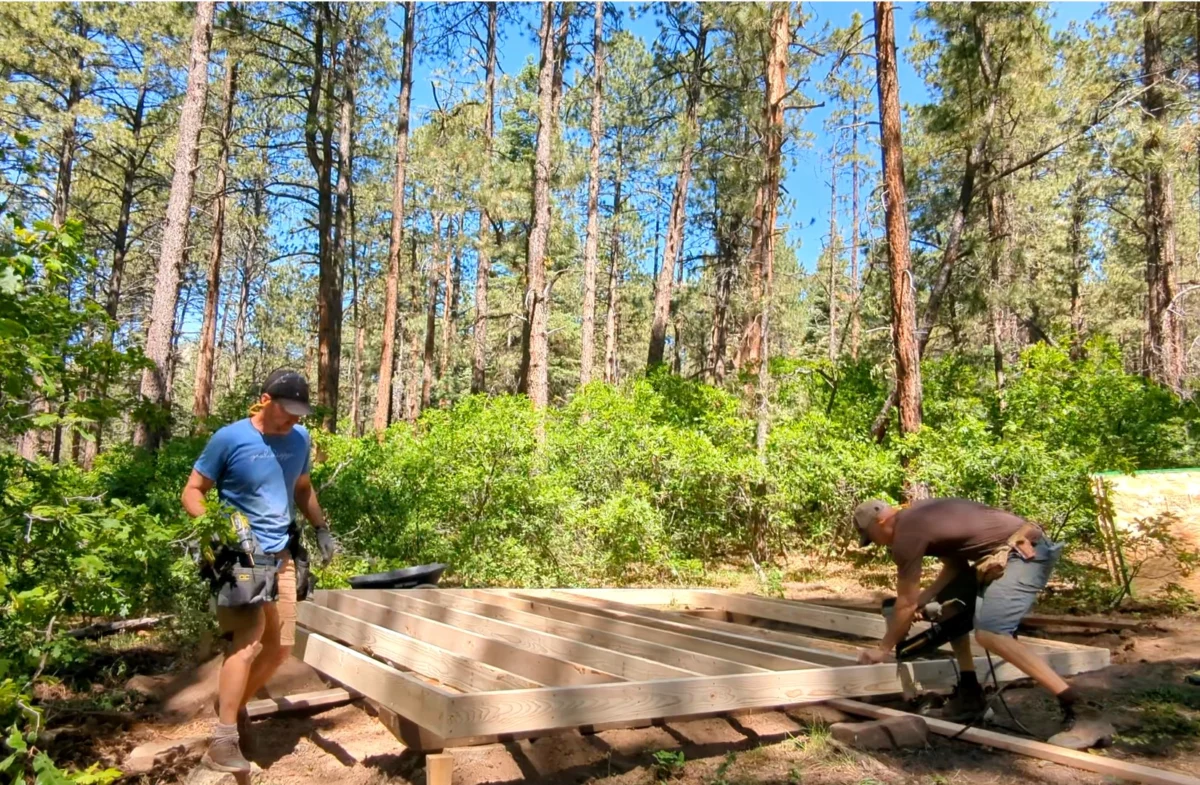
In an era defined by hyper-convenience, instant gratification, and the systematic removal of friction from daily existence, a growing body of research suggests that we have inadvertently engineered our own decline. From the ubiquity of climate-controlled environments to the digital pacification of our leisure time, the modern American experience is characterized by a "comfort crisis."
This phenomenon, popularized by author and journalist Michael Easter, argues that our biological wiring—perfected over millennia for survival in harsh, unpredictable environments—is currently malfunctioning in a world that is "too safe." By examining the intersection of evolutionary biology, psychology, and personal lifestyle design, we find that the pursuit of ease is not the path to happiness, but rather a catalyst for chronic discontent and physical atrophy.
The Evolutionary Mismatch: Why We Are Wired for Struggle
The core premise of the comfort crisis is a concept known as "evolutionary mismatch." Human beings evolved in an environment where calories were scarce, physical exertion was mandatory for survival, and danger was a constant, tangible presence. Today, we exist in a world of sedentary abundance.
The Science of "Problem Creep"
One of the most compelling insights into human behavior is the phenomenon of "problem creep," a concept highlighted by psychological research. When humans are placed in an environment where genuine threats are minimized, the brain does not simply settle into a state of satisfaction. Instead, it begins to lower its threshold for what constitutes a "problem."
Studies have shown that when researchers instruct subjects to identify threats in an environment that is becoming increasingly safe, the subjects do not stop looking for threats. Rather, they expand their definition of a threat to include increasingly trivial matters. This explains the modern obsession with low-stakes grievances, the proliferation of "wedge" issues in political discourse, and the tendency of individuals in affluent societies to manufacture existential angst where none exists. We are biologically conditioned to scan for problems; when the physical world provides none, the mind creates them.
Resilience and the "Hardship Dividend"
Conversely, populations that endure significant hardship often exhibit higher levels of resilience. In war-torn regions, for example, researchers have found that residents frequently rate their quality of life and safety far higher than observers would expect. This suggests that the human spirit is not designed for a frictionless existence, but rather for adaptation. When we remove the "noise" of modern convenience and replace it with physical challenge, we reclaim a sense of agency and groundedness that is lost in the suburban monotony of the 21st century.
Chronology: A Case Study in "Feral" Living
To understand how these principles manifest in practice, one must look at the recent journey of financial independence advocate "Mr. Money Mustache" (Peter Adeney). His recent venture into the mountains of Colorado serves as a microcosm for the "Comfort Crisis" thesis.
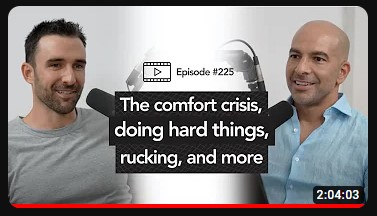
- The Catalyst: After listening to a deep-dive podcast interview with Michael Easter, Adeney realized that his own life, despite his commitment to frugality, had drifted into a state of excessive ease.
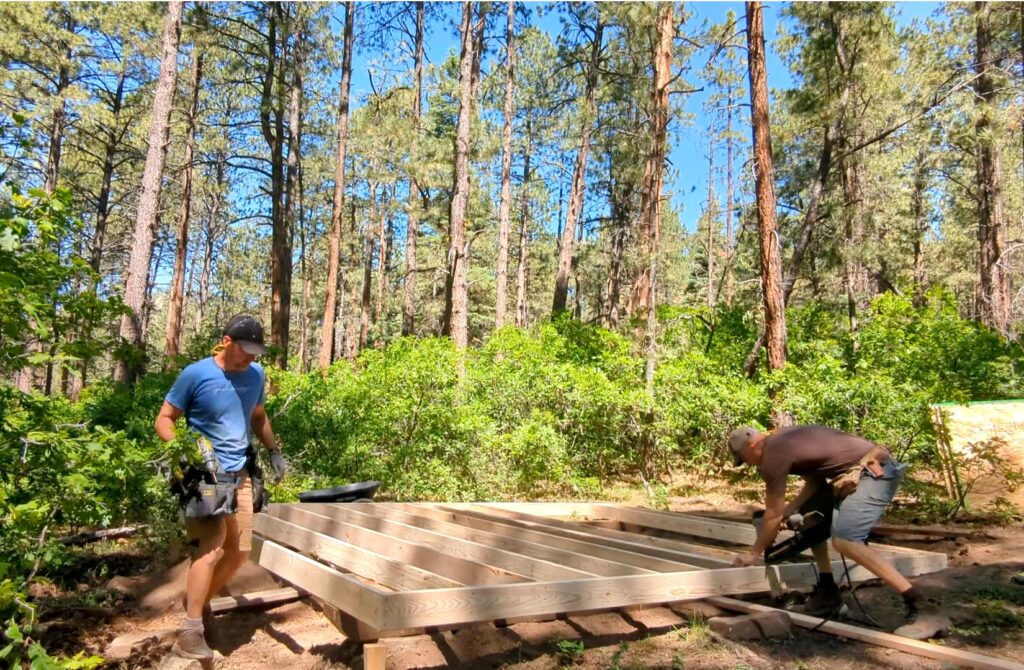
- The Departure: Embarking on a "Carpentourism" trip to Southwestern Colorado, he sought to intentionally reintroduce physical friction into his life.
- The Incidents: The journey began with a series of minor stressors—a torrential rainstorm, a traffic fine, and a cracked windshield. In a standard domestic environment, these would be considered "ruined days." However, through the lens of the comfort crisis, they were viewed as unavoidable realities of life.
- The Immersion: Spending days in a high-desert environment, working on cabin construction without indoor plumbing or modern climate control, shifted his mental state. The exhaustion and heat were not viewed as negatives, but as the baseline for a more "feral" and authentic human experience.
- The Peak Experience: The trip culminated in a paddleboarding excursion on the remote Lemon Reservoir. Without phones or modern amenities, and facing harsh headwinds, the experience provided a sense of clarity and presence that is impossible to achieve in a digital, indoor environment.
Supporting Data: The Cost of Sedentary Living
The statistics surrounding modern inactivity are as alarming as they are clear. The human body is a machine built for movement, yet the modern economy is built to stop it.

- The Escalator Effect: Data indicates that when given the choice between stairs and an escalator, a mere 2% of people choose the stairs. This 98% avoidance rate is not merely a quirk of laziness; it is a profound biological warning sign of a species in energy-saving mode.
- The Nature Deficit: Research into environmental psychology consistently demonstrates that exposure to natural elements—even something as simple as a plant in a hospital room—accelerates recovery and reduces stress. The "Nature Deficit" we suffer from by spending our days in artificial light, recycled air, and digital cubicles is a primary driver of modern burnout.
- The Paradox of Effort: Studies confirm that the "reward-to-effort" ratio is a key determinant of human happiness. We derive a deeper sense of satisfaction from tasks that require significant exertion. When we outsource all of our physical needs to machines and services, we are not just saving time; we are starving our brains of the dopamine and serotonin associated with earned achievement.
Official Perspectives: The Medical and Psychological Consensus
While not an "official" government policy, the growing consensus among health professionals, including high-profile figures like Dr. Peter Attia, aligns with the philosophy of purposeful hardship. The medical community is increasingly acknowledging that "diseases of civilization"—such as Type 2 diabetes, chronic anxiety, and metabolic syndrome—are fundamentally linked to the removal of natural stressors.
The recommendation is not to abandon modern medicine, but to adopt a "first principles" approach to health. Before turning to synthetic solutions for ailments, the medical establishment is slowly beginning to prescribe "lifestyle inputs" that mirror our evolutionary needs:

- Maximum Daily Exposure to Nature: Moving beyond the "walk in the park" to genuine immersion.
- High-Intensity Load-Bearing Activity: Moving beyond casual exercise to functional, difficult physical work.
- Metabolic Flexibility: Embracing periods of hunger and caloric variance rather than constant, scheduled snacking.
Implications: Reclaiming the Human Condition
The implications for the average individual are profound. If we accept that our current struggle is a "comfort crisis," then the solution is not to seek more luxury, but to seek more "productive struggle."
The "Better Tools, Not Softer Chairs" Mantra
For the FIRE (Financial Independence, Retire Early) community and beyond, this represents a pivot in how we spend our resources. The danger is not that we spend money; the danger is that we spend money to remove the very challenges that keep us sharp. Instead of investing in comfort-enhancing products (luxurious furniture, automated food delivery, noise-canceling isolation), we should invest in tools that facilitate engagement with the world.
Redefining Normalcy
The ultimate goal is to shift our baseline. When we spend our lives in air-conditioned comfort, a 75-degree day feels "hot." When we spend our lives exposed to the elements, a 75-degree day feels like a gift. By intentionally choosing the stairs, by choosing to walk instead of drive, and by choosing to engage with the natural world in its unvarnished state, we recalibrate our senses.
Conclusion
The "Comfort Crisis" is not a call to live in the Stone Age. It is a call to recognize that the human body and mind were forged in the fire of necessity. When we extinguish that fire, we don’t become happier; we become brittle. The path to a meaningful life in the 21st century involves finding a balance where we leverage the advancements of our time, while simultaneously ensuring that we do not trade away the fundamental hardships that make us human. To thrive, we must stop seeking the easiest path and start seeking the path that demands our best.


 Nila Kartika Wati
 Basiran

 Neng Nana
 Nana Muazin
 Jia Lissa
 Laily UPN
 Asep Darmawan