
 Rifan Muazin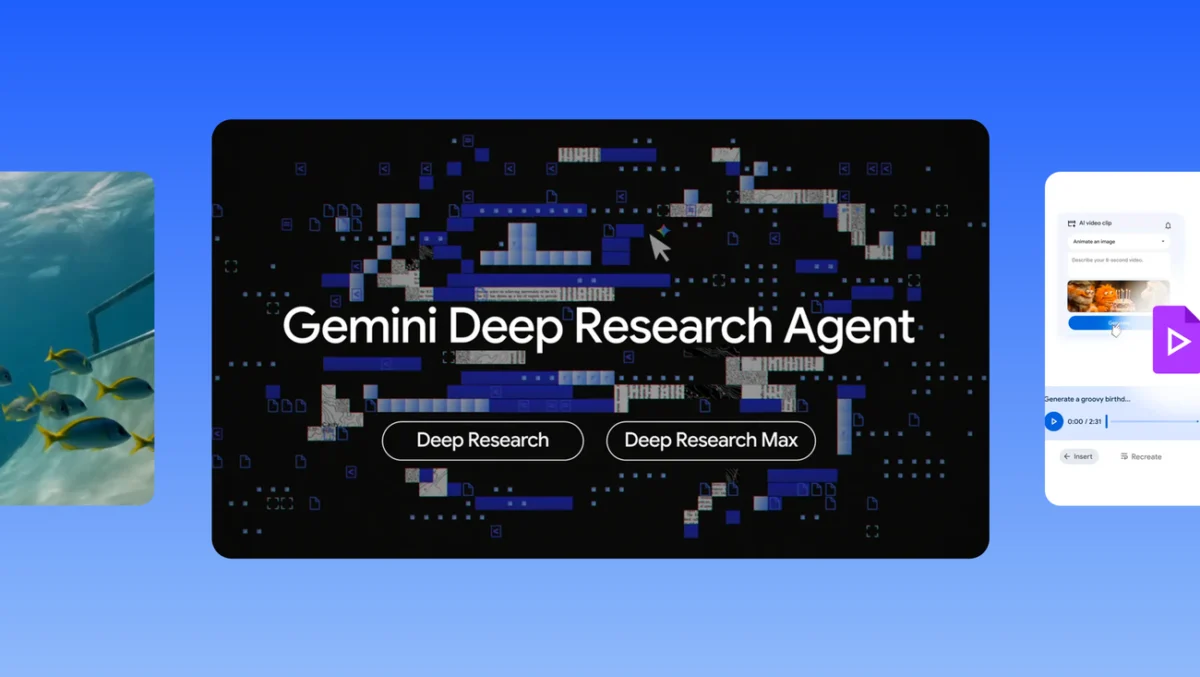
For over two decades, Google has been at the forefront of machine learning and artificial intelligence, treating these technologies not merely as products, but as foundational infrastructure designed to enhance the human experience. As we reflect on the milestones of April 2026, it is clear that the focus has shifted from simple generative interactions to a more sophisticated, autonomous paradigm: the "Agentic Era." From the massive stage of Cloud Next ’26 to the quiet, iterative improvements in coding and health, Google’s April updates signal a profound transformation in how individuals, developers, and global enterprises interact with digital intelligence.
The Core Pillars of the April 2026 Shift
April was a defining month for Google’s AI trajectory. The overarching theme across all product launches was "agentic capability"—the transition from AI that simply answers prompts to AI that can autonomously manage complex, multi-step workflows.
The centerpiece of this strategy was the Gemini Enterprise Agent Platform, a sophisticated toolset designed to give businesses the governance and control needed to deploy autonomous agents at scale. Coupled with the release of Gemma 4, which Google describes as "byte-for-byte the most capable open model" currently available, the company has effectively tightened its grip on both the enterprise cloud market and the open-source developer ecosystem.

Chronology of Key Announcements
Week 1: The Cloud Next ’26 Revolution
The month began with the industry-defining Cloud Next ’26 conference. With over 32,000 attendees, Google utilized the event to drop more than 260 product announcements.
- Infrastructure Mastery: Google unveiled its eighth-generation Tensor Processing Units (TPUs). These chips are not just faster; they are purpose-built for the energy-intensive demands of agentic AI, reflecting a strategic push toward sustainable, high-performance computing.
- Security for the AI Age: In a strategic partnership with Wiz, Google Cloud introduced new security protocols designed to protect organizations from the emerging threat vectors associated with autonomous agent workflows.
Week 2: Democratizing Creativity and Research
By mid-month, the focus pivoted from infrastructure to utility.
- Google Vids: The platform underwent a significant expansion, allowing all users with a Google account to generate up to 10 videos per month at no cost. This move aims to bridge the gap between professional-grade video production and the everyday creator.
- Deep Research Max: This new capability represents a "step-change" in autonomous research. By handling the heavy lifting of data synthesis and information retrieval, it removes the "grunt work" from high-level analytical tasks.
Week 3: Empowering the Next Generation of Developers
Google turned its attention to the developer community, releasing tools designed to make AI integration seamless.

- Colab’s Learn Mode: This feature transforms the traditional notebook environment into a personalized, interactive tutor that explains the "why" and "how" behind code, rather than simply auto-completing it.
- Vibe Coding Course: In partnership with Kaggle, Google opened registration for a specialized course focused on building software using AI agents, effectively lowering the barrier to entry for software development.
Week 4: Global Well-being and Milestone Celebrations
The month concluded with a focus on social impact and historical milestones.
- Google Translate at 20: Marking two decades of breaking down linguistic barriers, Google celebrated the platform’s growth to 1 billion users and introduced a new pronunciation practice tool for Android.
- Rural Healthcare Initiative: In a $10 million collaboration with the Johnson & Johnson Foundation, Google.org launched a training initiative to bring AI-powered diagnostics and support to rural U.S. clinics.
Supporting Data: The Scale of Adoption
The sheer volume of usage data shared in April underscores the ubiquity of Google’s AI ecosystem.
- Cloud Penetration: Nearly 75% of Google Cloud customers are now utilizing Google Cloud AI services.
- Token Volume: In a testament to the scale of the "agentic era," 330 organizations processed over a trillion tokens each in the last year alone.
- Developer Engagement: Since the launch of the Gemma line, the models have been downloaded over 500 million times, cementing their status as a cornerstone of the open-source AI landscape.
- Language Reach: Google Translate continues to process approximately one trillion words per month, with "Thank you" remaining the most translated phrase across the platform’s 20-year history.
Official Perspectives: The Vision for the Future
During his keynote at Cloud Next ’26, CEO Sundar Pichai articulated a clear vision: the goal is to weave AI into the fabric of every organization’s workflow. Pichai emphasized that the investments in hardware—specifically the eighth-generation TPUs—are a prerequisite for the next wave of innovation. "By co-designing our silicon with our hardware, we are not just increasing speed; we are fundamentally redefining the energy efficiency of the modern data center," Pichai noted.

The leadership at Google also stressed the importance of "responsible autonomy." Through the Gemini Enterprise Agent Platform, the company is prioritizing governance, ensuring that while agents are autonomous, they remain within the guardrails set by human operators.
Implications for the Industry and Society
1. The Death of "Grunt Work"
The introduction of tools like Deep Research Max and the new features in Colab signals a shift in the nature of work. When AI can handle high-level research and debugging, the value of the human worker shifts toward strategy, ethical oversight, and creative direction. The "agentic era" promises to liberate professionals from repetitive technical tasks, though it also necessitates a rapid reskilling of the global workforce.
2. The Rise of the "Vibe Coder"
By promoting "vibe coding"—building software through natural language and intent rather than syntax—Google is effectively expanding the definition of a "developer." This move could trigger a massive influx of non-technical talent into the software industry, potentially accelerating digital transformation across non-tech industries like retail, agriculture, and local government.

3. Bridging the Healthcare Divide
The partnership with the Johnson & Johnson Foundation is perhaps the most significant indicator of AI’s potential for equity. By providing AI training to rural healthcare workers, Google is addressing the "big-city hospital" bias that has historically limited the reach of medical breakthroughs. If successful, this model could be replicated in other sectors to reduce systemic inequality.
4. Enterprise Efficiency vs. Security
As businesses race to adopt autonomous agents, the collaboration between Google Cloud and Wiz highlights an urgent industry priority: security. The "agentic era" introduces new vulnerabilities, specifically regarding how agents interact with sensitive data. The focus on governance in the Gemini Enterprise Agent Platform suggests that Google is attempting to be the "trusted platform" for companies that are otherwise wary of the risks associated with fully autonomous systems.
Conclusion: Looking Ahead
The announcements of April 2026 demonstrate that Google has moved past the experimental phase of Generative AI. The company is now in the "integration phase," where AI is being embedded into the fundamental infrastructure of commerce, education, and health.

As we look toward the remainder of 2026, the success of these initiatives will be measured not just by the capability of the models—such as the impressive reasoning of Gemma 4—but by how effectively these tools are adopted by non-experts. Whether it is a student using Colab to learn Python, a small business owner using Google Vids to market their brand, or a rural nurse using AI to diagnose a patient, the true measure of the "Agentic Era" will be its ability to make the complex accessible.
Google’s April recap serves as a progress report on a singular, ambitious goal: to create a world where intelligence is a universal utility, as reliable and pervasive as electricity. With 500 million downloads for its open models and a trillion tokens processed by its cloud customers, the momentum is undeniable. The era of the agent is here, and it is poised to change the way we work, create, and communicate for decades to come.


 Pevita Pearce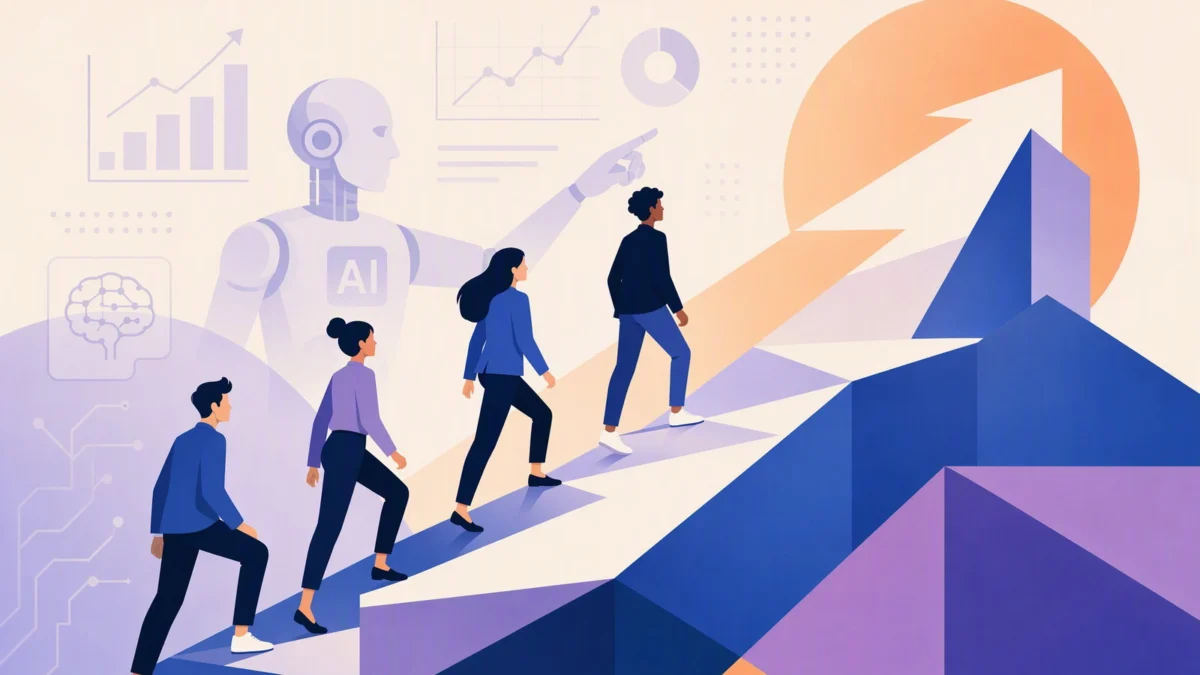
 Lina Hope
 Basiran
 Neng Nana
 Nana Muazin
 Jia Lissa
 Laily UPN
 Asep Darmawan