
 Sagoh
Sagoh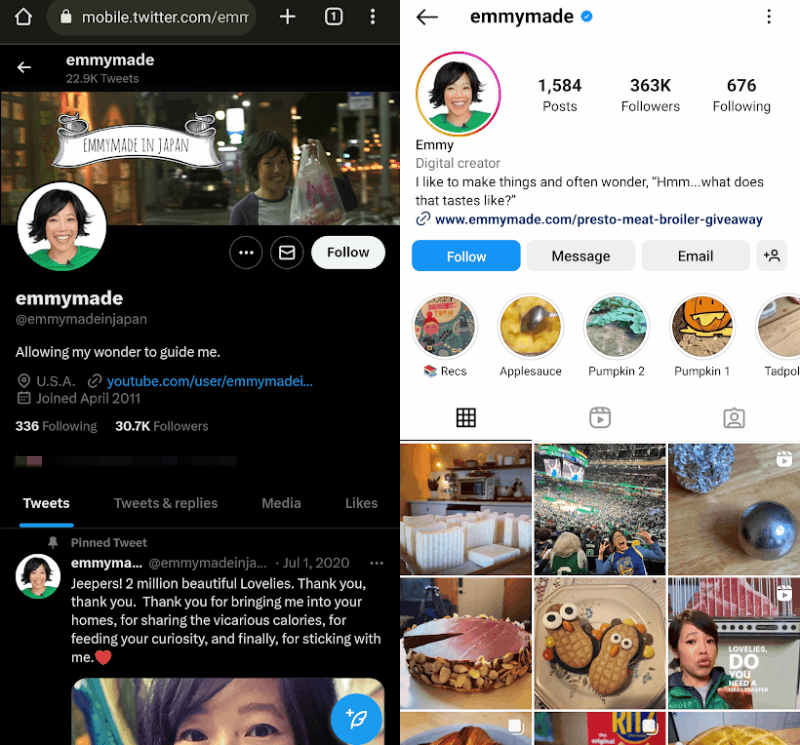
In the modern professional landscape, the concept of a "personal brand" has migrated from a buzzword reserved for Silicon Valley disruptors and high-profile influencers to a fundamental career asset for everyone from software engineers to small business owners. Whether you are actively cultivating your online persona or ignoring it entirely, a public perception of your professional identity is being formed.
As the digital economy matures, the ability to curate this perception is no longer a vanity project; it is a strategic necessity. By taking control of your personal brand, you transition from a passive participant in your career to the architect of your own opportunities.
The Evolution of the "Brand Called You"
The foundations of personal branding were laid in 1997 when management consultant Tom Peters published his seminal Fast Company essay, "The Brand Called You." Peters argued that individuals must view themselves as the CEO of their own company, a "Me Inc." entity.
While the theory was revolutionary at the time, its execution was restricted by limited media channels. The advent of social media in the early 2000s democratized this concept, providing anyone with a smartphone the infrastructure to broadcast their expertise to a global audience. Today, personal branding is the digital equivalent of a professional handshake, a portfolio, and a reputation rolled into one.
Unlike corporate branding, which is managed by a centralized marketing team and constrained by rigid style guides, personal branding is fluid and individual. It is the intersection of your unique expertise, your core values, and your personality. When executed correctly, it generates trust and influence, allowing professionals to secure job offers, attract clients, and build communities before they ever initiate a formal introduction.
Personal vs. Corporate Branding: A Comparative Analysis
| Feature | Personal Branding | Corporate Branding |
|---|---|---|
| Primary Focus | The individual professional | The product or organization |
| Ownership | The individual | Marketing and leadership teams |
| Voice | First-person, authentic, opinionated | Cohesive, brand-aligned, professional |
| Core Goal | Influence, trust, career growth | Revenue, customer acquisition |
| Primary Medium | Personal social profiles, blogs, talks | Official brand accounts, paid media |
The Modern Case for Personal Branding: Why It Matters
The shift toward personal branding is driven by a fundamental change in consumer behavior. Modern audiences are increasingly skeptical of polished, corporate-led advertising. Instead, they seek human connection.
Standing Out in the Attention Economy
We are currently living in an era where everyone is, effectively, a content creator. Whether you are an accountant sharing tax tips or an artist showcasing your process, the noise floor is higher than ever. Without a defined brand, your work risks being lost in the digital static. By consistently demonstrating your value, you transform your audience from casual observers into a dedicated community.

Authenticity as a Currency
According to the 2025 Sprout Social Index, authenticity and relatability are among the top three most important traits consumers look for in online content. In an age where "influence" is often perceived as manufactured or superficial, your human edge—your specific history, your unique opinions, and your sense of humor—becomes your most valuable differentiator.
The Career Multiplier
The 2025 Edelman-LinkedIn B2B Thought Leadership Impact Report highlights a critical trend: thought leadership is now a primary driver of trust. Professionals who articulate their expertise publicly are finding that doors open for them unsolicited. Recruiters, potential partners, and high-value clients no longer wait for a cold email; they find the experts they want to work with by vetting their digital footprints.
Seven Strategic Steps to Building Your Brand
Building a robust personal brand is not a sprint; it is a deliberate, iterative process. It requires moving away from the "influencer" trap and toward a model of consistent, value-driven communication.
1. The Audit: Where Are You Now?
Before you can build, you must understand your current baseline. Conduct a "personal brand audit" by searching your name across all platforms. Are the results consistent with the professional reputation you wish to cultivate? Identify the gap between your current online presence and your desired future state.
2. Define Your Audience and Platform
You cannot be everything to everyone. Determine exactly who your target audience is—are you speaking to prospective employers, industry peers, or potential customers? Once you have identified them, move to where they gather. For instance, LinkedIn remains the gold standard for B2B professionals and executives, while TikTok or Instagram may be better suited for visual creators and those reaching younger demographics.
3. Provide Tangible Value
Clout is fleeting; value is enduring. What problems are you solving for your audience? Your content should focus on:
- Educational resources: How-to guides, tutorials, or industry deep-dives.
- Curated insights: Summaries of complex industry news.
- Original analysis: Your unique take on emerging trends.
4. The Power of Consistency
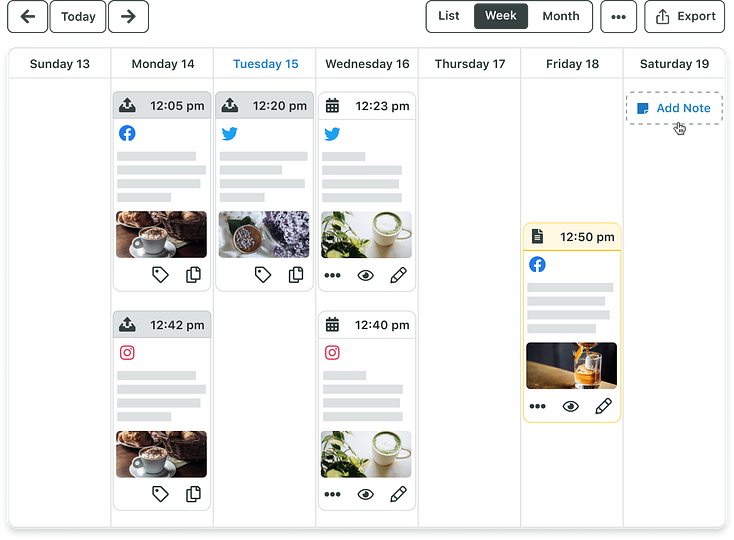
A personal brand is a habit, not a campaign. Sporadic posting will not build trust. You must maintain a steady cadence. If you find the logistics of cross-platform posting overwhelming, utilize management tools that allow for centralized scheduling. Consistency also extends to your visual identity—ensure that your headshots, color schemes, and tone remain cohesive across your various channels.
5. Prioritizing Authenticity Over Perfection
The most effective brands are not the most polished; they are the most relatable. Before hitting "publish," ask yourself: Is this helpful? Is it true to my values? Does it highlight my expertise? If you can answer these three questions affirmatively, you are likely on the right track.
6. Data-Driven Evolution
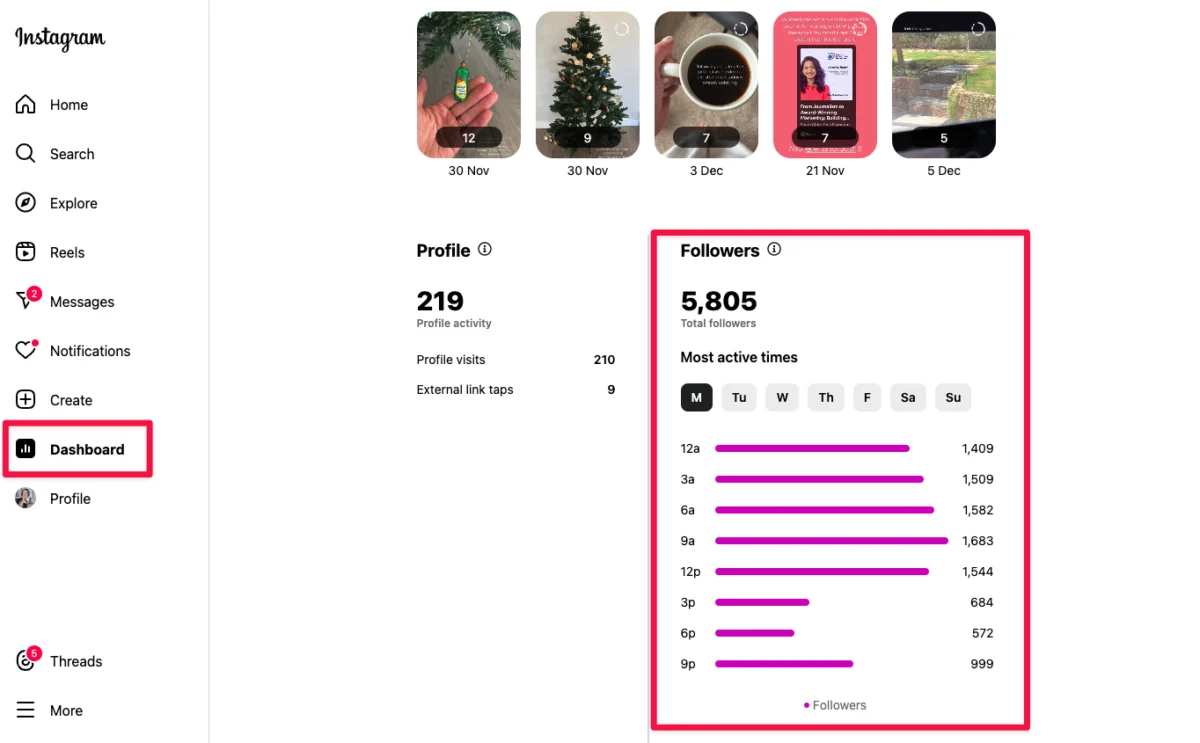
Measure your performance monthly. Focus on signals that correlate with your goals, such as high-quality comments, shares, and inbound inquiries. Use social listening tools to monitor conversations happening in your niche, even those where you aren’t directly tagged. This allows you to insert yourself into relevant discussions naturally.
7. Guarding Against Burnout
Personal branding is a long game. To sustain it, you must protect your energy. Set boundaries regarding how much of your personal life you are willing to share and adopt a sustainable content workflow that prevents the "always-on" fatigue.
Implications for Corporate Strategy
The influence of personal branding extends beyond the individual. Organizations that encourage their employees to build their own professional brands often see a massive return on investment.
The 2026 Sprout Social Influencer Marketing Report found that 40% of consumers discover new products through employee-generated content. These audiences view frontline workers as more authentic than official brand accounts. Companies like Infor have successfully scaled this by implementing employee advocacy programs, which can generate significant earned media value by empowering staff to act as brand ambassadors.
Conclusion: You Are the CEO of Your Career
The era of relying solely on a resume or a corporate title to define your professional worth is over. A personal brand is the bridge between who you are and the opportunities you deserve. By intentionally crafting your narrative, engaging authentically with your community, and providing consistent value, you gain a level of professional autonomy that no organization can take away.
As you embark on this journey, remember that there is no "right" way to build a brand—only the way that is right for you. Start small, stay consistent, and let your work speak for itself. Your future opportunities are waiting to be claimed.

 Azzam Bilal Chamdy
 Pevita Pearce
 Basiran
 Neng Nana
 Nana Muazin
 Jia Lissa
 Laily UPN
 Asep Darmawan