
 Pevita Pearce
In a stark escalation of the digital and physical conflict surrounding the ongoing war in Ukraine, Yandex—the technology titan often referred to as "Russia’s Google"—is grappling with a catastrophic service outage. The disruption follows a series of precise drone strikes targeting the company’s data center infrastructure across central Russia. The incident has left thousands of corporate and individual users unable to access critical cloud-stored data, highlighting the vulnerability of centralized digital infrastructure in a wartime environment.
As of mid-October 2026, the company, which serves as the backbone for much of Russia’s private and government digital services, has officially classified its operational status as "emergency." With two major facilities completely offline and a third suffering from severe degradation, the company is urging its vast client base to activate disaster recovery protocols, signaling that a return to normalcy is not currently on the horizon.
A Chronology of Destruction: The October Strikes
The disruption began on October 8 and evolved into a multi-day crisis as Yandex facilities were systematically targeted. The geographic spread of the attacks suggests a calculated effort to cripple the digital nervous system of the Russian technology sector.
October 8: The Sasovo Strike
The initial breach occurred at a Yandex data center located in Sasovo. Reports confirmed that a drone strike caused significant physical damage to the facility’s infrastructure. Within hours, the site was rendered completely inoperable, forcing an immediate, emergency shutdown. This marked the first instance in which a major Russian commercial cloud provider was taken offline by kinetic warfare.
October 9: The Kaluga Facility
Less than 24 hours later, a second facility in Kaluga came under fire. While the damage to the Kaluga data center was not as immediately total as the Sasovo site, the impact on operations was severe. The facility entered a state of degraded functionality, leading to widespread latency issues, database connection failures, and intermittent access for users across the region.
October 11: The Vladimir Incident
The final blow in this initial wave occurred on October 11, when the data center in Vladimir was targeted. Like the Sasovo facility, the Vladimir site suffered damage extensive enough to necessitate a complete cessation of operations. By the end of the week, Yandex found itself managing a three-pronged crisis that compromised the integrity of its distributed cloud architecture.

The Scope of the Digital Blackout
Yandex is far more than a search engine. It is an integrated ecosystem that provides the underlying infrastructure for Russian e-commerce, ride-hailing, public navigation, and government administrative portals. The current outage has sent shockwaves through the Russian digital economy.
Impact on Core Services
Yandex’s official status page confirms a fractured service landscape. While some foundational elements—such as the Yandex Console, API, and IAM (Identity and Access Management)—remain technically active, they are plagued by persistent performance instability. More complex services, such as the company’s AI Studio and various security-focused cloud tools, are only partially functional. Meanwhile, the Monium service remains entirely offline, with no clear path to restoration.
User Experience and Data Accessibility
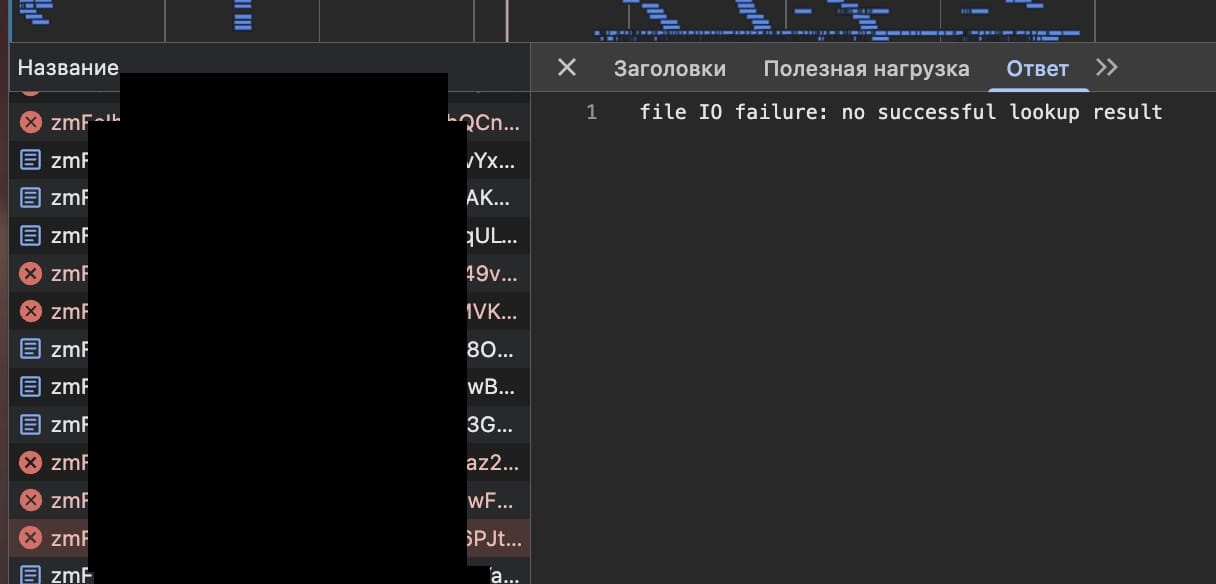
The impact on the end-user has been immediate and frustrating. Numerous customers have reported an inability to retrieve files from Yandex Disk, the company’s flagship cloud storage service. Common errors reported by users include HTTP 302 redirects, which point to broken file paths, and HTTP 504 Gateway Timeouts, indicating that the servers are failing to communicate with the frontend interface. In some cases, users attempting to access backups are met with HTTP 500 internal server errors, suggesting deep-seated failures in the database architecture that manages file indexing and retrieval.
One prominent tech community member on Habr noted that their backups were missing thumbnails and that the system was returning "failure to fetch" errors, raising the terrifying prospect of permanent data loss for thousands of organizations that rely on Yandex for their primary storage.
Official Responses and the "Emergency" Posture
Yandex’s communication strategy has been one of transparency regarding the severity of the situation, if not the timeline for recovery. In a series of urgent updates posted to their status dashboard, the company admitted that its remaining resource configuration is "unstable."
"The platform’s operating mode is emergency," the company stated in a bulletin released yesterday. "We recommend using any other alternative disaster recovery plans. Technical-supported communication channels can be unstable."
.png)
While the company confirmed that there were no human casualties at the data centers during the attacks, the lack of information regarding the status of stored data has become a point of contention. Yandex has yet to issue a formal statement on whether the data housed in the destroyed Sasovo and Vladimir facilities has been backed up in redundant, unaffected regions, or if the physical destruction of the hardware resulted in the permanent loss of client data.
Geopolitical Implications: Beyond the Servers
The attacks on Yandex have not occurred in a vacuum. As the conflict between Russia and Ukraine continues to evolve, the distinction between military targets and civilian-commercial infrastructure has become increasingly blurred.
The Ukrainian Connection
International analysts and news outlets, including the BBC, have attributed the strikes to Ukrainian forces. The tactical nature of the attacks—targeting specific, high-value data centers—suggests a strategic effort to cause "widespread operational disruption." By targeting the digital backbone of the Russian state, the strikes aim to hamper bureaucratic efficiency, logistics, and the internal digital economy that sustains the Russian war effort.
The "Far-Right" Disruption Theory
The geopolitical fallout extends to the digital information space. EU Member of the European Parliament (MEP) Tomáš Zdechovský recently pointed to a striking correlation between the Yandex outages and a sudden, precipitous drop in the activity of online accounts known for promoting far-right, pro-Kremlin, or anti-EU narratives within Germany.
While Zdechovský did not explicitly confirm a causal link, the timing of the Yandex outage and the silence of these influence-operation botnets suggest that the data centers may have been hosting the servers responsible for managing these automated disinformation campaigns. If true, the drone strikes may have served a dual purpose: damaging domestic Russian logistics while simultaneously severing the command-and-control infrastructure for international influence operations.
The Future of Cloud Resilience
The events of the past week have sparked a global conversation regarding the "fragility of the cloud." While companies like Yandex, Google, and AWS often promise "five-nines" availability (99.999% uptime), these guarantees are predicated on the assumption of a stable physical environment. The reality of modern kinetic warfare poses a unique threat that few cloud providers are equipped to handle.
Lessons for the Industry
For businesses and governments, the Yandex outage serves as a wake-up call regarding "geographic concentration risk." If an organization’s data is siloed within a specific region that becomes a theater of war, the traditional disaster recovery plan—which often involves switching to a secondary data center in the same country—may be insufficient.
Security experts are now advising firms to consider:
- Cross-Border Redundancy: Storing backups in jurisdictions outside the immediate reach of regional conflicts.
- Multi-Cloud Strategies: Avoiding reliance on a single provider for all infrastructure needs.
- Immutable Backups: Maintaining offline, air-gapped copies of critical data that cannot be destroyed by a remote cloud failure.
A New Era of Digital Warfare
As the Yandex crisis unfolds, it is clear that we have entered a new era of digital warfare. In the past, cyber warfare meant DDoS attacks, phishing, and malware. Today, it involves the physical destruction of the hardware that powers the virtual world. The "Cloud" is no longer an ethereal, safe space; it is composed of physical servers, cooling systems, and power grids that are increasingly becoming the front lines of global conflict.
For Yandex, the road ahead is arduous. Even after the physical repairs are made and the fires are extinguished, the company faces a monumental task in rebuilding the trust of its customers. Whether the company can restore the lost data, or whether this event will mark a permanent decline in its dominance, remains to be seen. What is certain, however, is that the events of October 2026 have fundamentally changed the way we perceive the safety and security of the global internet infrastructure.
As of the latest update, Yandex remains in a state of high alert. Their engineers are working around the clock, but with the "emergency" designation still in place, the company’s warning to customers to seek alternatives remains the only reliable advice for those whose businesses depend on the availability of their data. The digital world in Russia has been brought to its knees, and the recovery will be measured not in hours, but likely in months of forensic investigation and infrastructure reconstruction.

 Iffa Jayyana

 Basiran
 Neng Nana
 Nana Muazin
 Jia Lissa
 Laily UPN
 Asep Darmawan