
 Lina Hope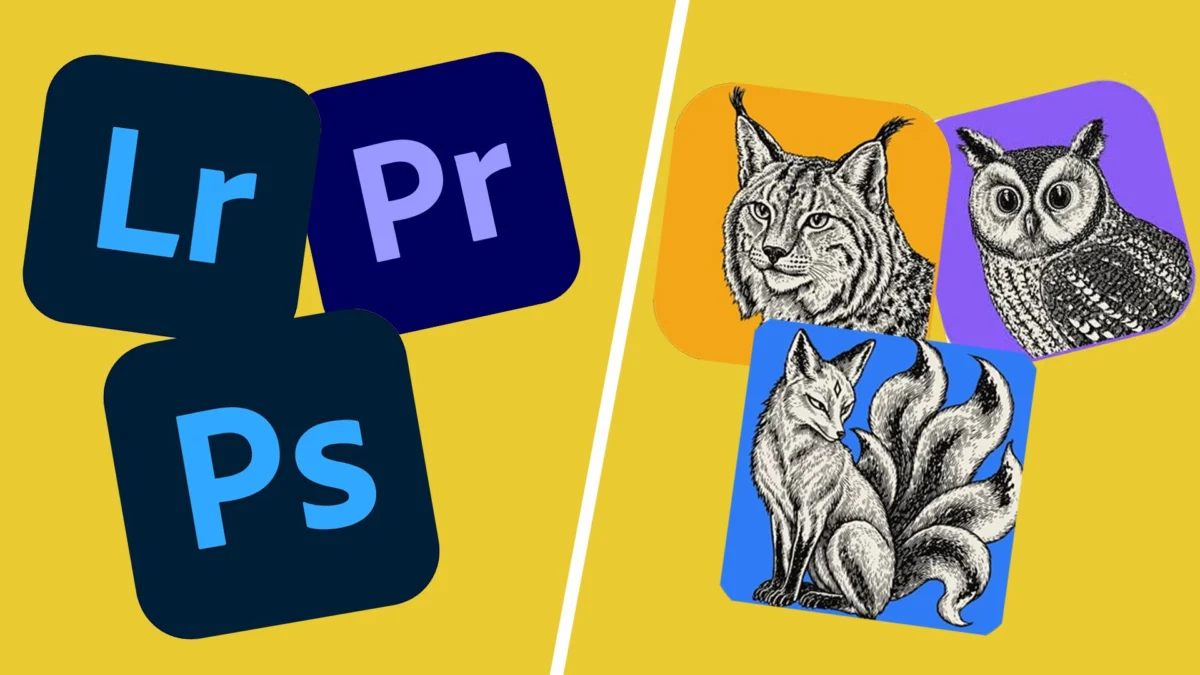
In the rapidly evolving landscape of 2026, the dominance of Adobe’s Creative Cloud is facing an unprecedented challenge. For decades, the subscription-based model has been the industry standard, but a growing chorus of creative professionals has begun to sour on recurring costs and restrictive cancellation policies. While established alternatives like Canva’s Affinity suite and the powerful, one-time-purchase DaVinci Resolve have carved out significant market share, a new, radical contender has emerged from the fringes of the open-source community: ArtCraft.
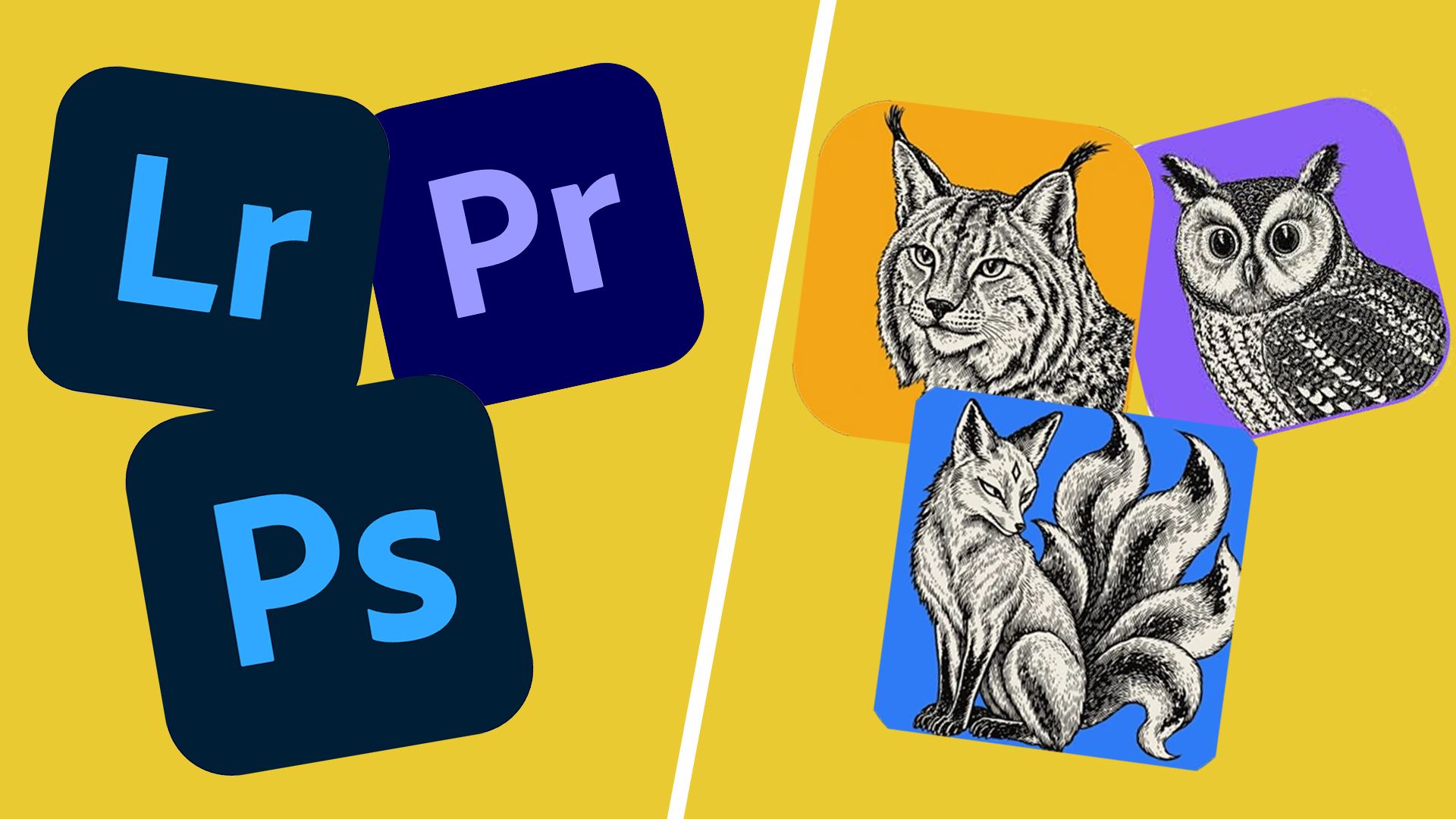
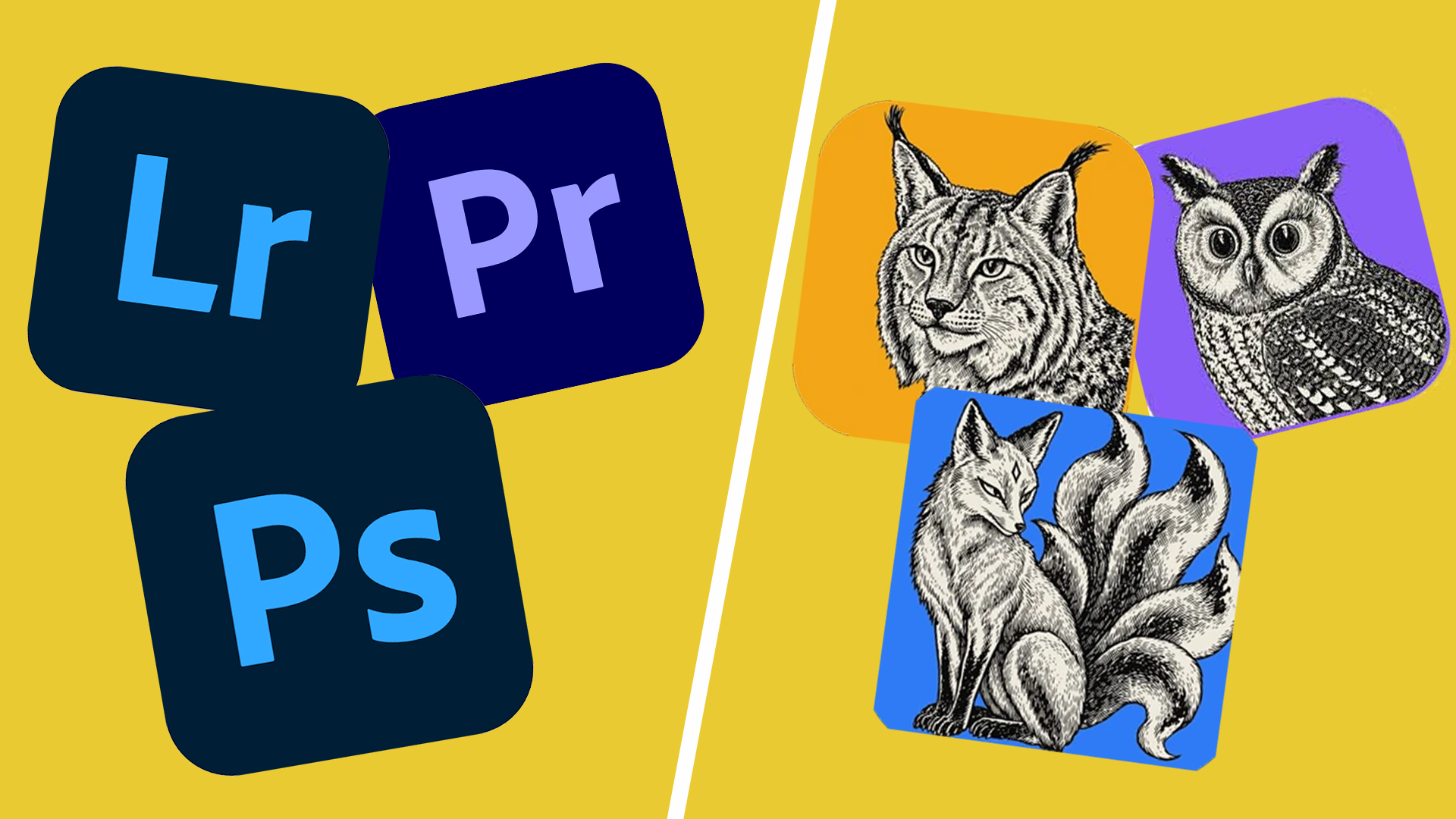
ArtCraft represents a fascinating, albeit controversial, experiment in software development. Billed as an AI-generated replica of the Adobe Creative Cloud ecosystem, this suite of tools was "vibe-coded" in the memory-safe programming language Rust using Anthropic’s Claude Opus 5.5. The goal? To provide a free, lightweight, and comprehensive creative platform that mirrors the functionality of industry staples like Photoshop, Premiere, and InDesign. However, as the industry watches closely, the question remains: is this a genuine revolution, or merely a proof-of-concept destined to fade?
The Genesis of a Digital Uprising
The ArtCraft project is the brainchild of software engineer Brandon Thomas. Driven by a visceral frustration regarding Adobe’s pricing structures and the perceived "hostage-taking" nature of their cancellation fees, Thomas set out to build an alternative that puts the power back in the hands of the user.
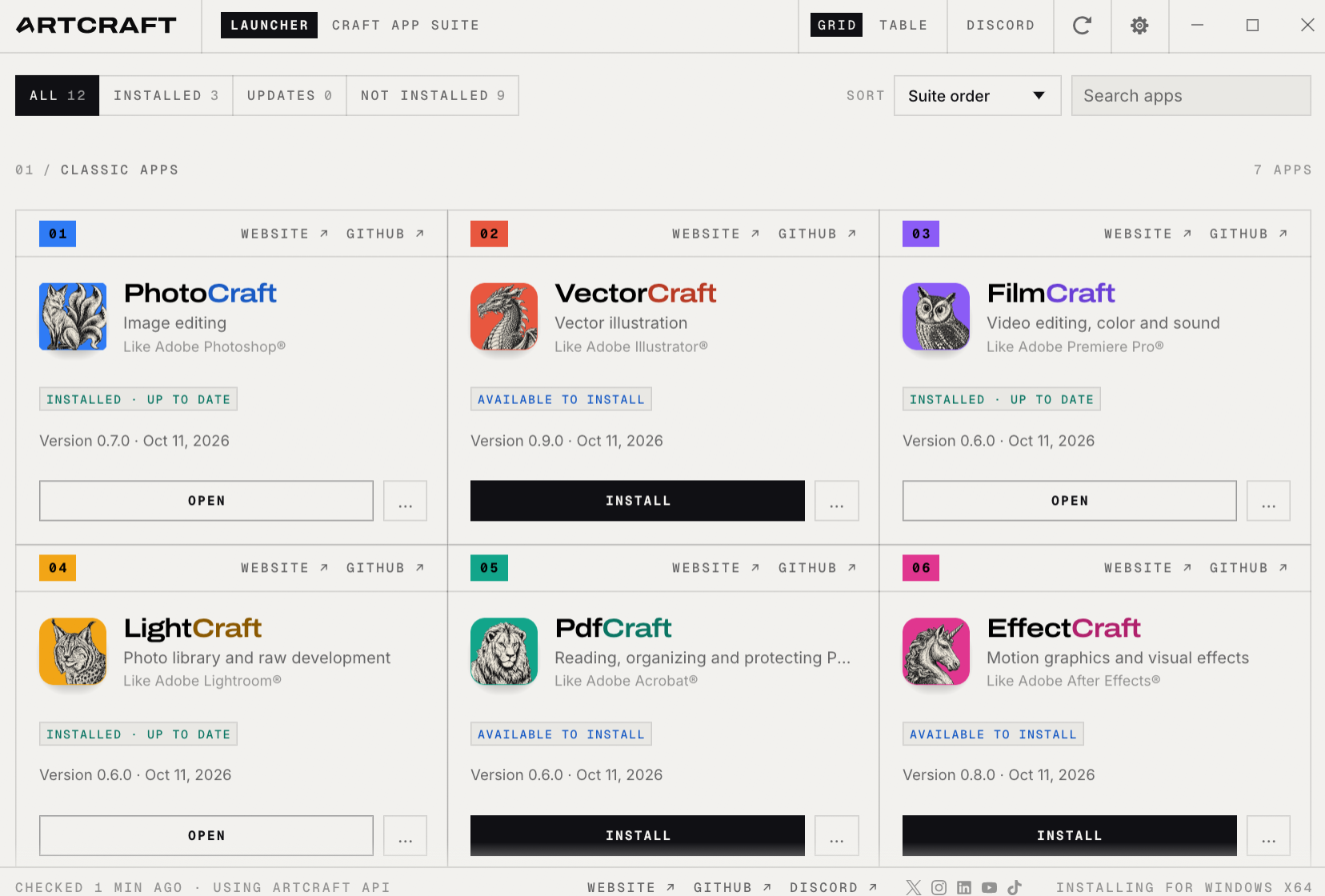
The scope of the project is staggering. The suite includes:
- LightCraft: A direct answer to Lightroom.
- PhotoCraft: An image manipulation tool modeled after Photoshop.
- FilmCraft: A video editing environment reminiscent of Premiere Pro.
- EffectCraft & DesignCraft: Replicas of After Effects and InDesign, respectively.
- VectorCraft & PrintCraft: Designed to rival Illustrator and Acrobat.
Furthermore, Thomas has expanded the reach of his project by introducing WordCraft, GridCraft, and DeckCraft—AI-coded alternatives to Microsoft’s Office powerhouses. The entire ecosystem is currently available in early alpha for PC, Mac, and Linux users.
Chronology of the "Vibe-Coded" Development
The development of ArtCraft marks a departure from traditional software engineering. Instead of decades of manual coding, Thomas utilized advanced Large Language Models (LLMs) to generate the codebase.
- Late 2025: Conceptualization of a "clean-room" implementation of creative tools.
- Early 2026: Prototyping begins using Rust, chosen for its performance and safety, alongside Claude Opus 5.5 to expedite the generation of complex UI and functional logic.
- Mid-2026: Initial alpha releases are pushed to public repositories.
- Present Day: The suite is undergoing rapid, iterative testing, with Thomas focusing on community feedback to prioritize feature parity with Adobe’s most-used functions.
The most striking aspect of these apps is their footprint. While Adobe’s bloated suites often require gigabytes of storage and constant background synchronization, ArtCraft applications weigh in at roughly 50MB each. This efficiency is attributed to the "clean-room" approach—by building from scratch in Rust, the developer avoided the technical debt and legacy C++ bloat that have hampered Adobe’s performance for years.
Testing the Limits: A Hands-On Reality Check
To understand the viability of the software, we put the suite through its paces on a high-end Windows machine equipped with an Intel Core i7 processor and an Nvidia RTX 5070 GPU. The test material consisted of high-resolution RAW footage and stills captured on a Canon EOS R5.
LightCraft: The Workflow Bottleneck
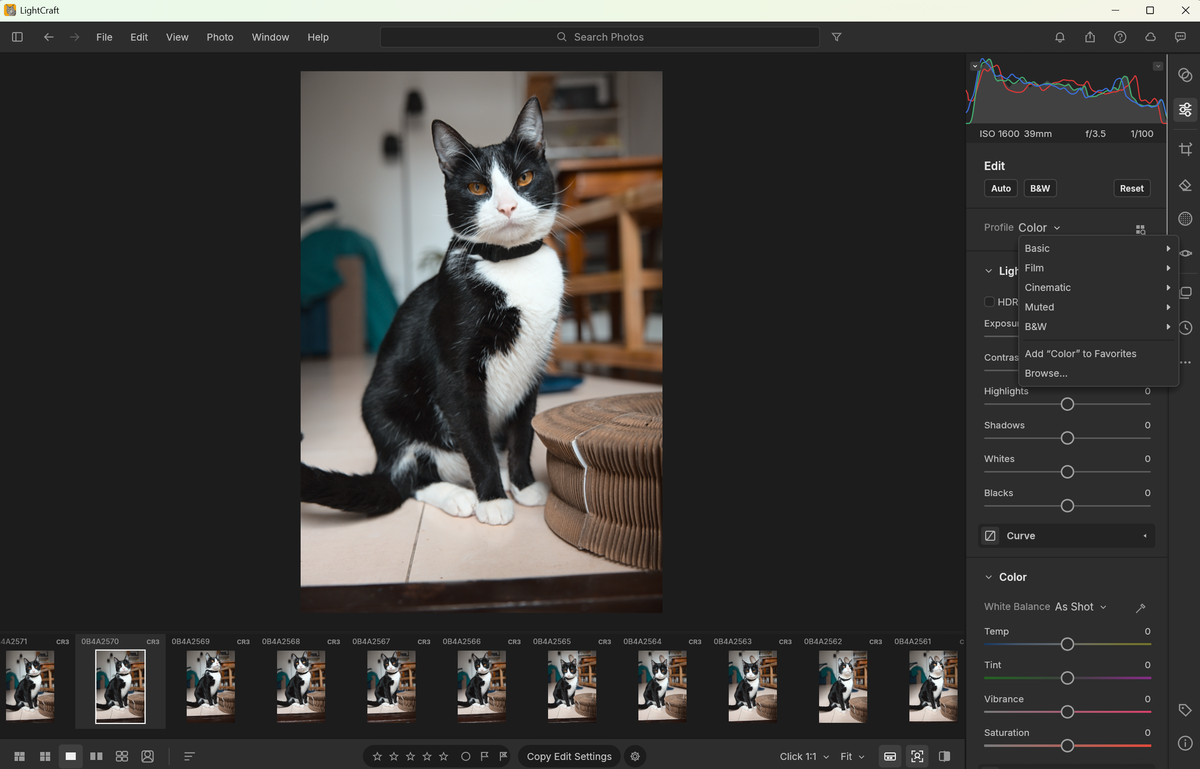
LightCraft offers an interface that feels immediately familiar to Lightroom veterans. However, the experience quickly reveals the limitations of a project in its infancy. The lack of native support for CR3 camera files—forcing a manual file conversion before import—is a significant friction point for professional photographers. Furthermore, the absence of camera-matched color profiles means users lose the "starting base" that Lightroom provides. While basic sliders for exposure and tone curves function effectively, the sharpening tools are currently too aggressive, introducing distracting artifacts that suggest the underlying image processing algorithms still require substantial refinement.
PhotoCraft: Familiarity vs. Precision
PhotoCraft feels the most polished of the bunch. It successfully handles PSD, TIFF, and PNG files, making it the most "drop-in" ready replacement in the suite. Yet, the precision that professionals demand is missing. Automatic selection tools and content-aware fills, which Adobe has perfected over years of machine learning training, are hit-or-miss here. The reliance on manual adjustment or external integration (such as needing to install Meta’s SAM 3 model for decent subject masking) highlights a gap between "working" and "workflow-ready."
FilmCraft: The 10-bit Hurdle
Video editing is arguably the most demanding task in the creative suite, and here, FilmCraft struggles significantly. The inability to play back 10-bit 4:2:2 footage natively is a dealbreaker for most modern cinematographers. Without the ability to create optimized media (proxies), editing 4K content is an exercise in patience. Once the footage is transcoded to a manageable format, the interface works well for basic cuts and transitions, but the lack of project file compatibility (.prproj) makes it an island, unable to communicate with the rest of the industry.
Supporting Data and Technical Implications
The success of ArtCraft rests on a fundamental paradox: can AI generate code that is truly stable enough for professional use?
The technical architecture of the suite is undeniably impressive. By avoiding the legacy frameworks that Adobe has accumulated since the 1990s, the software achieves near-instant load times and minimal RAM consumption. However, professional software is defined by its "hidden" features: the color management pipelines, the hardware acceleration for specific GPUs, and the deep integrations with third-party plugins.
ArtCraft’s developer claims no copyright infringement, asserting that the code was generated from scratch. However, Adobe and Microsoft are famously protective of their intellectual property. If ArtCraft begins to siphon significant users, legal scrutiny regarding the "training" of the AI models used to build the software may become the defining hurdle of the project.
Official Responses and Industry Skepticism
Adobe has not issued a formal statement regarding ArtCraft, a move that aligns with their strategy of ignoring niche open-source threats while focusing on their own AI integrations, such as Firefly. Internally, industry insiders suggest that Adobe views these replicas as a validation of their own path. By integrating generative AI, Adobe aims to make the "human" part of the job easier, essentially doing what ArtCraft is trying to do, but with the backing of a massive support network and enterprise-level reliability.
Implications: The Future of Creative Software
The existence of ArtCraft serves as a warning shot to legacy software giants. It highlights that the "subscription tax" is becoming an increasingly unpopular model. If a single developer, using AI, can replicate the core functionality of a multi-billion dollar suite, it suggests that the barriers to entry for software development are collapsing.
For the average user, the implications are twofold:
- Commoditization of Tools: Creative tools are becoming less of a "walled garden" and more of a commodity. As AI continues to write and debug code, we will likely see an explosion of specialized, lightweight creative apps.
- The Reliability Gap: Despite the innovation, professional work requires reliability. An app that crashes during a render or lacks color-accurate export pipelines remains a toy, not a tool.
Conclusion
ArtCraft is an ambitious, provocative, and highly visible milestone in the history of open-source software. It demonstrates that the future of creative tools will be leaner, faster, and more accessible. However, it is not currently a replacement for the Creative Cloud. For those who rely on Adobe for their livelihood, the transition to such a tool would be a professional risk that few are ready to take.
Nevertheless, the irony is not lost on the community: the very technology that Adobe has used to redefine its future—Artificial Intelligence—is now the technology being used to challenge its dominance. Whether ArtCraft reaches parity with industry standards or remains a fascinating footnote in tech history, it has successfully forced a conversation about value, ownership, and the true cost of the tools we use to create.

 Ammar Sabilarrohman
 Azzam Bilal Chamdy
 Basiran
 Neng Nana
 Nana Muazin
 Jia Lissa
 Laily UPN
 Asep Darmawan