
 Nana
Nana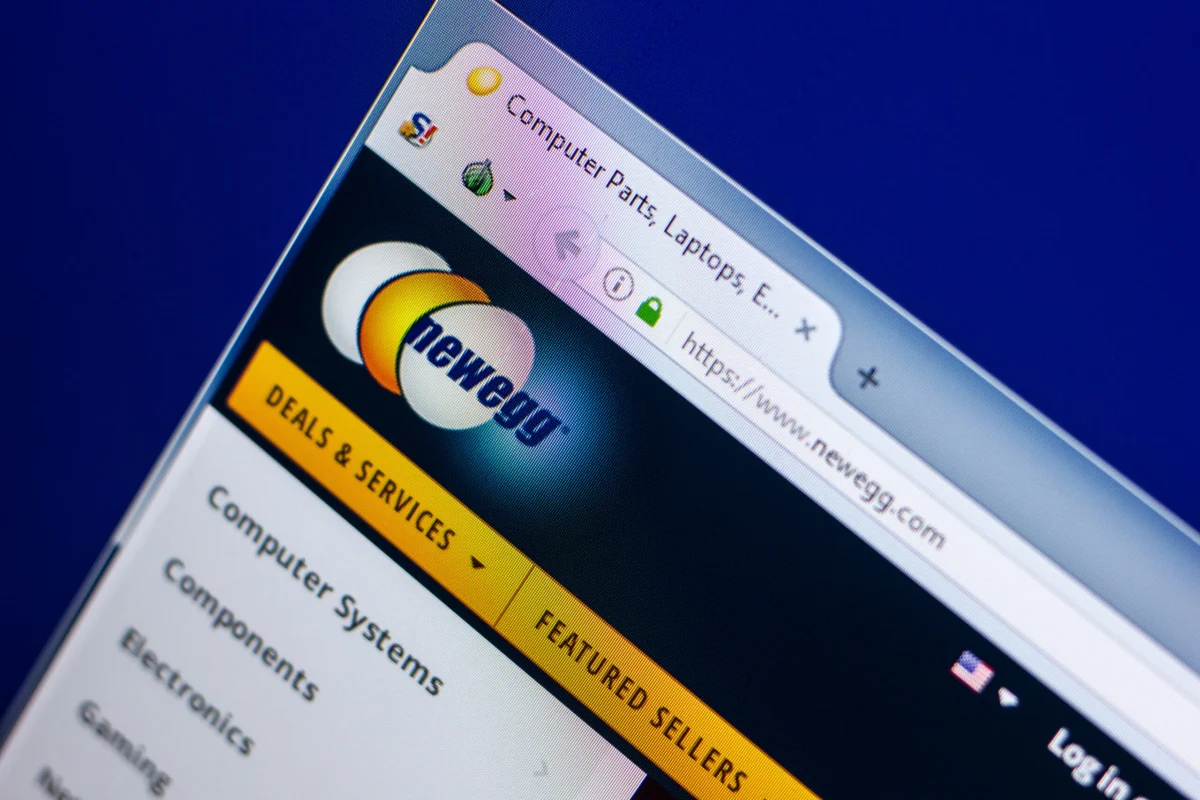
In a strategic maneuver that underscores the rapid evolution of digital retail, Newegg Commerce Inc. has officially announced its integration of Google’s Universal Commerce Protocol (UCP). This development marks a significant milestone in the electronics retailer’s ongoing digital transformation, positioning the company to meet consumers exactly where they interact with generative AI. By embedding the UCP into its backend, Newegg is enabling seamless, frictionless transactions directly within Google’s AI-powered ecosystem, including Google Search, Gemini, and Google’s specialized AI shopping modes.
For Newegg, which holds the No. 86 spot in the prestigious Digital Commerce 360 Top 1000 database, this move is not merely a technical update; it is an aggressive push into the world of “agentic commerce”—a paradigm shift where AI agents act on behalf of consumers to research, compare, and ultimately purchase products without the user needing to navigate to a traditional storefront.
The Core Mechanics of the Integration
At its heart, the Universal Commerce Protocol is a standardized framework developed by Google in collaboration with major retail stakeholders, including Etsy, Shopify, Target, Walmart, and Wayfair. The protocol functions as a digital bridge, allowing merchants to pipe their product catalog data directly into Google’s AI infrastructure.
When a consumer queries an AI about a specific tech component or electronic device, the UCP allows the AI to pull real-time pricing, availability, and product specifications from the merchant. Crucially, the protocol enables the user to complete the checkout process using Google Pay without ever leaving the AI interface.
For Newegg, the technical integration means that while the transaction occurs within the Google environment, Newegg retains its status as the “merchant of record.” This ensures that the retailer maintains control over the customer relationship, data security, and fulfillment logistics, while Google handles the interface of the purchase journey.
A Chronology of Newegg’s AI-Forward Strategy
Newegg’s decision to adopt UCP is the latest chapter in a multi-year strategy aimed at future-proofing the company against the decline of traditional search-and-click e-commerce.
- 2025 – Early Adoption: Recognizing the shift toward conversational search, Newegg began testing integrations with third-party AI search engines. A notable milestone occurred in late 2025, when the company secured support for its listings within Perplexity’s AI-enabled search experience, signaling an early intent to be present where AI research happens.
- Early 2026 – The Rise of Agentic Commerce: As Google formally launched the Universal Commerce Protocol in January 2026, the industry saw a sudden rush of major retailers aligning their checkout systems with the protocol. Newegg’s internal team closely monitored this transition.
- Mid-2026 – Conversational Maturity: In June 2026, Newegg bolstered its own digital presence by launching “Celeste,” an internal conversational AI assistant. This tool was designed to provide personalized shopping guidance on the Newegg website, helping users navigate complex electronics specs.
- Late 2026 – The UCP Integration: The current integration of Google’s UCP represents the culmination of these efforts, moving from providing information to facilitating transactions across external platforms.
Supporting Data and Market Positioning
Newegg’s commitment to this technology is reflected in its rankings. Beyond its position in the Top 1000, the company is ranked No. 429 in Digital Commerce 360’s specialized AI Commerce Rankings. These rankings identify companies that are successfully leveraging artificial intelligence to drive revenue, personalize customer experiences, and streamline operational efficiencies.
The shift toward AI-integrated shopping is a response to changing consumer behavior. Market research suggests that as generative AI becomes the primary interface for the internet, consumers are increasingly averse to the “tab-switching” fatigue associated with traditional shopping. By shortening the path to purchase—moving from a query to a payment confirmation in a single session—retailers like Newegg are aiming to capture high-intent shoppers who might otherwise abandon their search if the path to purchase becomes too cumbersome.
Official Perspectives: Bridging the Gap
The executive leadership at both Newegg and Google have framed this partnership as a collaborative effort to redefine the consumer experience.
Montaque Hou, Chief Information Officer at Newegg, emphasized that the company’s goal is ubiquity. “AI is changing how the world buys technology, and Newegg intends to be at the forefront of that change,” Hou stated during the announcement. “We moved early to make our catalog shoppable inside AI experiences, and integrating Universal Commerce Protocol-powered checkout across Google brings that vision to life in one of the most widely used platforms in the world. Wherever someone asks an AI what to buy, we want Newegg ready to answer.”
Google, meanwhile, views the inclusion of specialized retailers like Newegg as essential to the robustness of its AI ecosystem. Ashish Gupta, vice president and general manager for merchant shopping at Google, noted that the UCP is designed to benefit the entire industry. “Newegg enabling UCP-powered checkout on Google marks a new milestone as we scale agentic commerce,” Gupta said. “We’re building the future of AI-driven shopping together as an industry, and this is another strong example of businesses delivering delightful, diverse experiences and products for their shoppers.”
Strategic Implications for the Retail Landscape
The integration of Newegg into the UCP network carries significant implications for the future of online retail.
1. The Disintermediation of the Storefront
For decades, the "homepage" has been the primary destination for online retailers. As agentic commerce gains traction, the storefront risks becoming secondary to the AI interface. Retailers that refuse to integrate with these protocols may find themselves invisible to the next generation of shoppers who prefer asking an AI for a recommendation over manually browsing a retailer’s website.
2. The Rise of "Contextual Commerce"
The UCP allows Newegg to show up in specific contexts. For example, if a user asks an AI, "What is the best GPU for under $500 for video editing?" the AI can now, through the UCP, suggest a Newegg-listed product and immediately allow the user to purchase it. This creates a highly contextual sales environment that is far more effective than generic banner ads.
3. Frictionless Conversion
By leveraging Google Pay, Newegg is capitalizing on the massive, pre-existing user base that has stored payment credentials within the Google ecosystem. This removes one of the biggest hurdles in e-commerce: the account creation and payment entry process. For mobile users, this speed is often the deciding factor in whether a purchase is completed.
4. Data Ownership and Retailer Control
A potential concern for retailers in this new model is the loss of direct consumer data. However, by remaining the merchant of record, Newegg ensures it still owns the fulfillment data. The challenge for the company moving forward will be balancing the need for presence in third-party AI environments with the need to maintain brand loyalty and drive traffic back to their own domain.
Looking Ahead: The Future of AI-Driven Shopping
As Newegg continues to refine its AI strategy, the focus will likely shift toward personalization. With tools like “Celeste” already in operation, the company is well-positioned to feed its own internal AI insights into its external UCP listings. This could eventually lead to a model where the AI knows not just what the consumer wants to buy, but what they need based on their previous technical purchases.
The landscape of e-commerce is clearly moving away from static catalogs and toward dynamic, AI-curated shopping experiences. For Newegg, the integration of Google’s Universal Commerce Protocol is a foundational move. By aligning its operations with the dominant search and AI platforms of the modern age, the retailer is ensuring that it remains a relevant player in a market that is increasingly defined by the efficiency of AI agents.
As we look toward the next fiscal year, the success of this integration will likely be measured by conversion rates within Google’s AI interfaces. If the results match the industry’s high expectations for agentic commerce, expect to see more retailers—both within and outside the electronics sector—scrambling to adopt similar protocols to avoid being left behind in the silent, automated race for the digital consumer’s wallet.
The era of the "click-and-shop" model is slowly giving way to the "ask-and-receive" model. Newegg has staked its claim in this new frontier, and the industry will be watching closely to see how effectively they can translate search-based AI traffic into long-term customer loyalty.


 Evan Lee Salim
 Suro Senen
 Lina Irawan

 Rifan Muazin
 Ali Ikhwan
