
 Dwi Wanna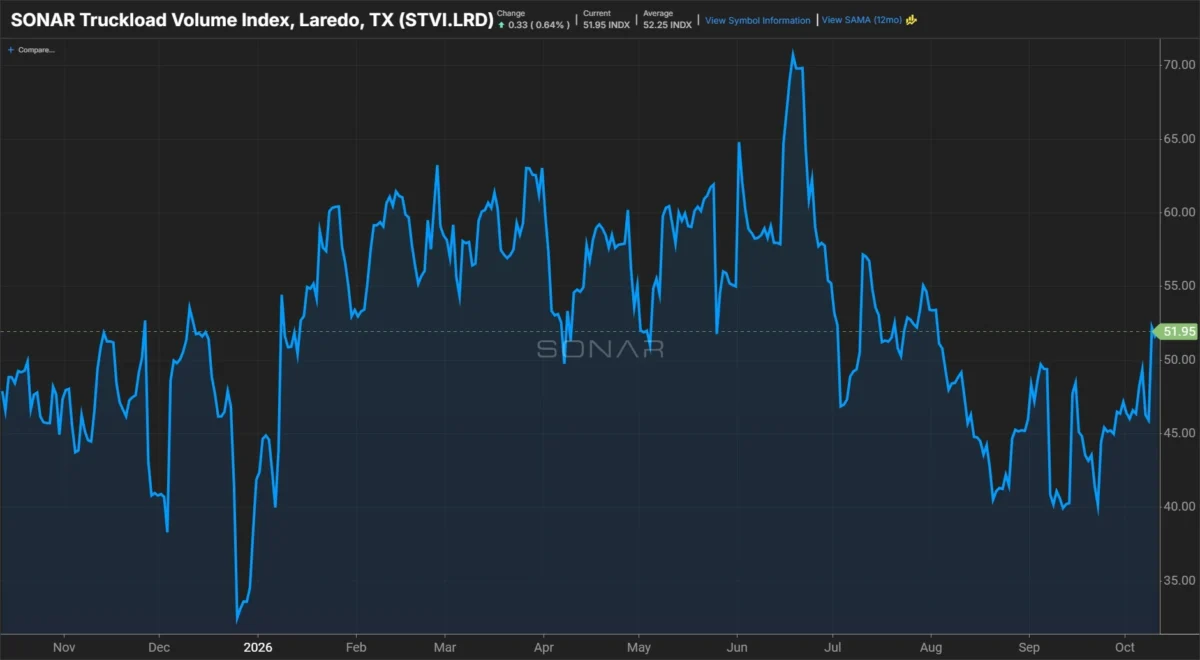
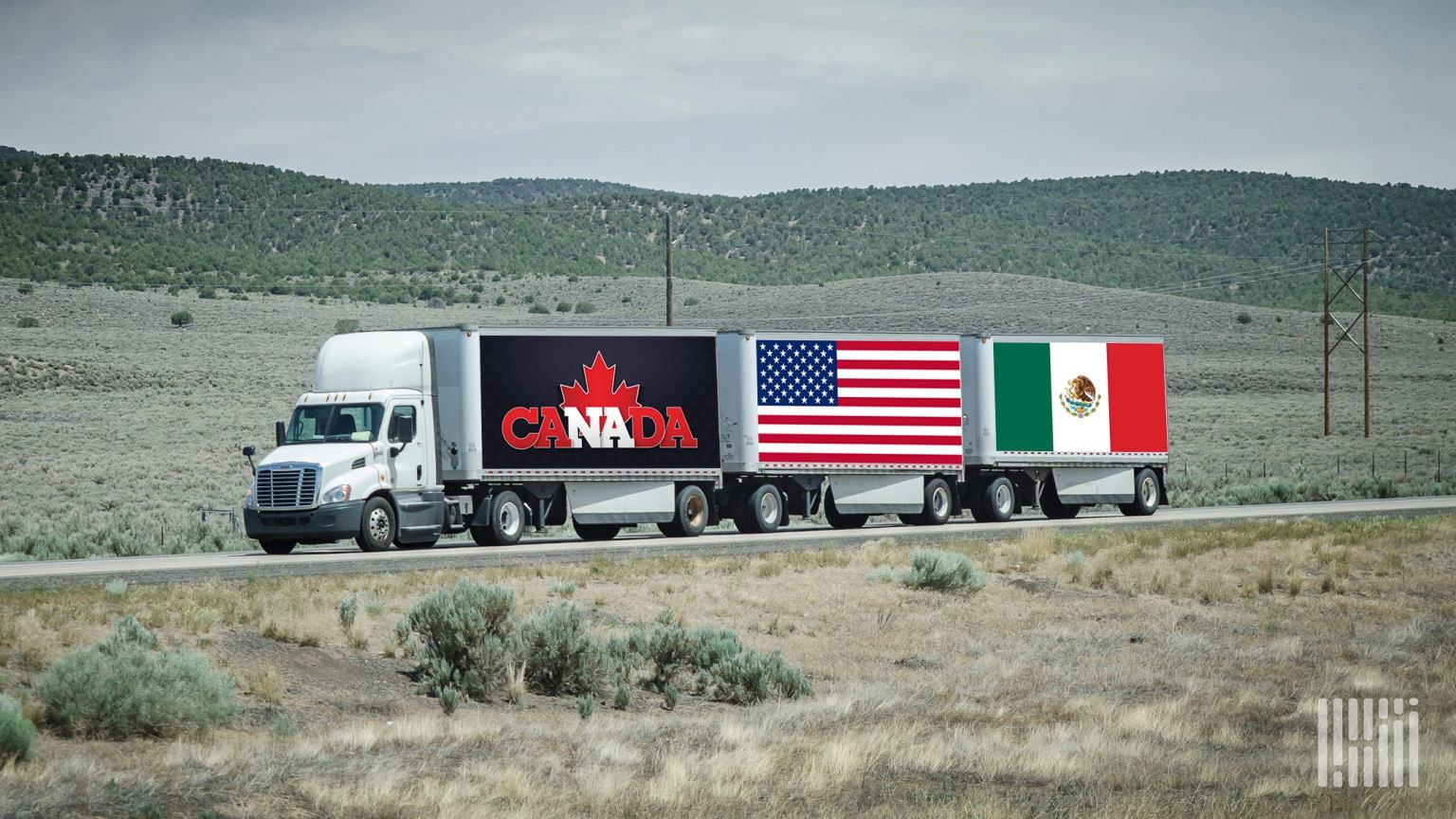
The North American supply chain is facing a structural impasse that defies traditional economic cycles. Despite soft freight demand that would typically trigger a surplus of capacity and a subsequent cooling of rates, the cross-border trucking sector between the United States, Mexico, and Canada is signaling a prolonged period of tightening. Industry analysts and executives at the logistics provider TRAFFIX warn that a convergence of regulatory crackdowns, severe driver shortages, and prohibitive capital costs will likely keep trucking capacity constrained well into 2027.
This current landscape stands in stark contrast to the post-pandemic boom. During the COVID-19 era, a surge in freight rates incentivized a massive influx of new carriers and owner-operators who were buoyed by government stimulus and cheap credit. Today, that engine of expansion has stalled, leaving shippers with fewer reliable options and higher operational costs.
The Perfect Storm: Regulatory and Financial Headwinds
The primary drivers of this capacity bottleneck are twofold: an increasingly hostile regulatory environment and a tightening of financial liquidity. Alex Fuller, vice president of commercial intelligence at TRAFFIX, notes that the industry is experiencing a fundamental shift in its ability to scale.
"We’re only four or five years removed from the pandemic-era freight surge, yet we are not seeing the same capacity response," Fuller explained. "The variables have changed. It is no longer just about demand; it is about the barrier to entry."
The Death of Cheap Credit
During the height of the pandemic, prospective owner-operators could secure equipment financing at historically low interest rates. Today, with financing costs hovering between 8% and 9%, the cost of entry for new carriers—or the cost of fleet expansion for established ones—has become prohibitive. This creates a "locked" market where existing fleets are struggling to maintain their current levels of service without the ability to invest in new, more efficient, or more reliable equipment. Consequently, rates are expected to stay elevated for the long term, as the market lacks the "immediate relief" that usually follows a drop in demand.
A Chronology of Constraint: From Pandemic Boom to Structural Stagnation
To understand the current crisis, one must look at the timeline of the North American freight market:
- 2020–2022 (The Pandemic Surge): Unprecedented consumer demand and supply chain disruptions led to record-high freight rates. Easy access to capital fueled a rapid expansion of the trucking population, as many individuals entered the owner-operator space.
- 2023–2024 (The Cooling Period): Freight demand began to soften as consumer spending shifted from goods to services. However, instead of a market correction leading to widespread capacity expansion, the industry saw a "shakeout" of the less-capitalized carriers who entered during the boom.
- Late 2024–2025 (The Regulatory Crackdown): Increased focus on cross-border compliance—particularly regarding B-1 visa usage for Mexican drivers and stricter enforcement at U.S. border crossings—began to strip capacity from the market.
- 2026 and Beyond (The Structural Deficit): The current phase, characterized by persistent inflation in operating costs (insurance, fuel, wages) and the inability to replace aging equipment, is setting the stage for a multi-year period of constrained supply that analysts predict will persist into 2027.
Supporting Data: The TRAFFIX Cross-Border Index
The latest data from the TRAFFIX North American Cross-Border Index underscores these pressures. The index, which monitors transportation costs, capacity, demand, and trade policy, currently shows readings of 57 for Canada and 54 for Mexico. Any reading above 50 indicates a tightening market.
These numbers are corroborated by high-frequency data from FreightWaves’ SONAR platform. For instance, the Outbound Tender Volume Index (STVI.LRD) for Laredo, Texas—the heartbeat of U.S.-Mexico trade—jumped from 39.95 in mid-September to 51.95 in October. The corresponding Weighted Rejection Index (SWRI) turning positive confirms that carriers are increasingly selective, choosing to reject loads that do not meet their rising profitability thresholds.
The Mexico Corridor: Visa Restrictions and Labor Shortages
Patricio Gutierrez, carrier sales manager for TRAFFIX in Manzanillo, Mexico, highlights that the Mexican trucking sector is grappling with a "human capital" crisis.
"The main issue is a lack of qualified drivers," Gutierrez says. This is compounded by the mass revocation of B-1 visas by U.S. authorities. According to the C.H. Robinson Edge Report, approximately 25,000 Mexican freight drivers have had their visas withdrawn, effectively removing them from the pool of labor qualified to haul goods into the U.S.
Furthermore, the aging demographic of the Mexican trucking workforce is a critical failure point. Younger generations are increasingly avoiding the profession, deterred by security concerns and compensation that has failed to keep pace with the rising costs of living and equipment maintenance. When border bottlenecks—such as the recent empty-truck crossing restrictions at Eagle Pass and Brownsville—are added to this labor shortage, the result is a massive decline in equipment velocity. Trucks are spending more time idling at the border, which effectively removes capacity from the system even when demand appears stable.
The Canada Corridor: The "No-Go" Zone Problem
North of the border, the challenges are structural and geographical. Lance Halliday, regional director of carrier sales for TRAFFIX in Toronto, describes a massive imbalance in freight flows. While Canadian exports to the U.S. remain relatively robust, the return flow of freight from the U.S. into Canada has withered.
This imbalance forces carriers to make difficult decisions. If a driver takes a load into a region like Florida, they are often faced with a "no-go zone" scenario. "Guys just won’t go because they’re getting stuck down there for days," Halliday notes. The lack of inbound freight means carriers must either deadhead (travel empty) for hundreds of miles to find a load or wait in low-demand zones, both of which are ruinous to profit margins. Consequently, shippers are seeing rate hikes of 25% to 35% on specific, imbalanced lanes as carriers attempt to bake the cost of these empty return miles into their pricing.
Implications for the Shipper
The most significant implication of this data is the breakdown of the traditional contract market. As operating costs rise, carriers are increasingly rejecting contracted freight that was negotiated months ago at rates that no longer cover current expenses. This has forced a shift toward the spot market, where shippers must pay a premium for capacity that they once believed was secured under contract.
Strategic Considerations for Businesses:
- Shift in Procurement Strategy: Shippers must move away from rigid, long-term contracts and toward more flexible, collaborative partnerships. Treating carriers as essential assets rather than commodities will be key to maintaining service levels.
- Increased Visibility: With capacity becoming more volatile, real-time data integration is no longer optional. Using platforms like SONAR to monitor lane-specific pressures is essential for preemptive routing.
- Regional Inventory Buffers: Given the unpredictability of cross-border transit times, companies may need to reconsider "just-in-time" inventory models in favor of strategic near-shoring or buffer stocks to mitigate the risk of border-related delays.
Conclusion: A New Normal?
As we look toward 2027, the evidence suggests that the North American trucking industry has entered a phase of structural transformation. The "easy" growth of the past is over, replaced by a reality where regulations, financing, and labor scarcity act as permanent governors on capacity.
For the shipping community, the message from industry leaders is clear: do not wait for a return to the low-rate, high-capacity environment of the past. Instead, the focus must shift to operational efficiency, building strong carrier relationships, and preparing for a landscape where supply chain reliability is bought, not just negotiated. As Alex Fuller concluded, the market has entered a "higher for longer" era—one that will test the resilience of every participant in the North American supply chain.

 Nila Kartika Wati
 Asro
Asro
 Lina Irawan
 Nana
Nana
 Rifan Muazin
 Ali Ikhwan
 Evan Lee Salim
