
 Iffa Jayyana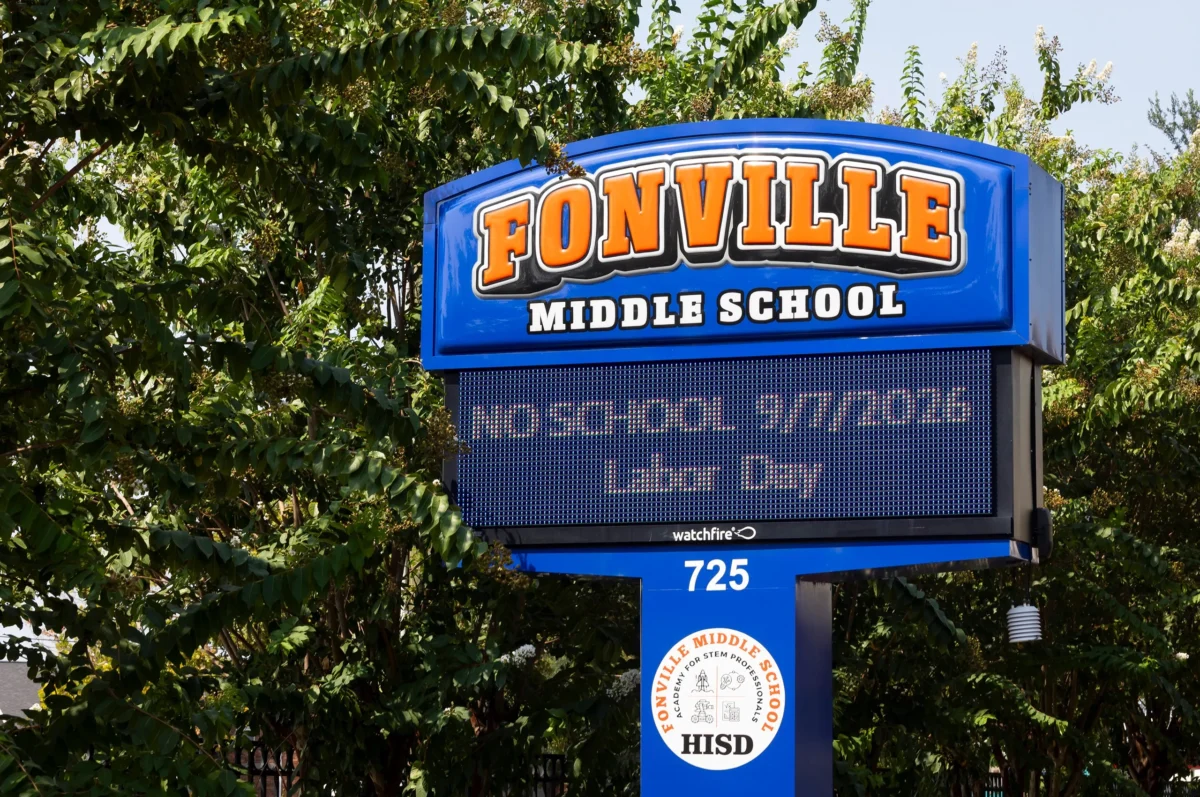
By Staff Reporter
At Fonville Middle School in north Houston, the atmosphere is one of relentless precision. Learning coaches roam the halls, smart boards glow with synchronized lesson plans, and the school day stretches longer than it did three years ago. This aggressive structural overhaul—the hallmark of the New Education System (NES)—recently earned the campus its first-ever "A" rating from the state.
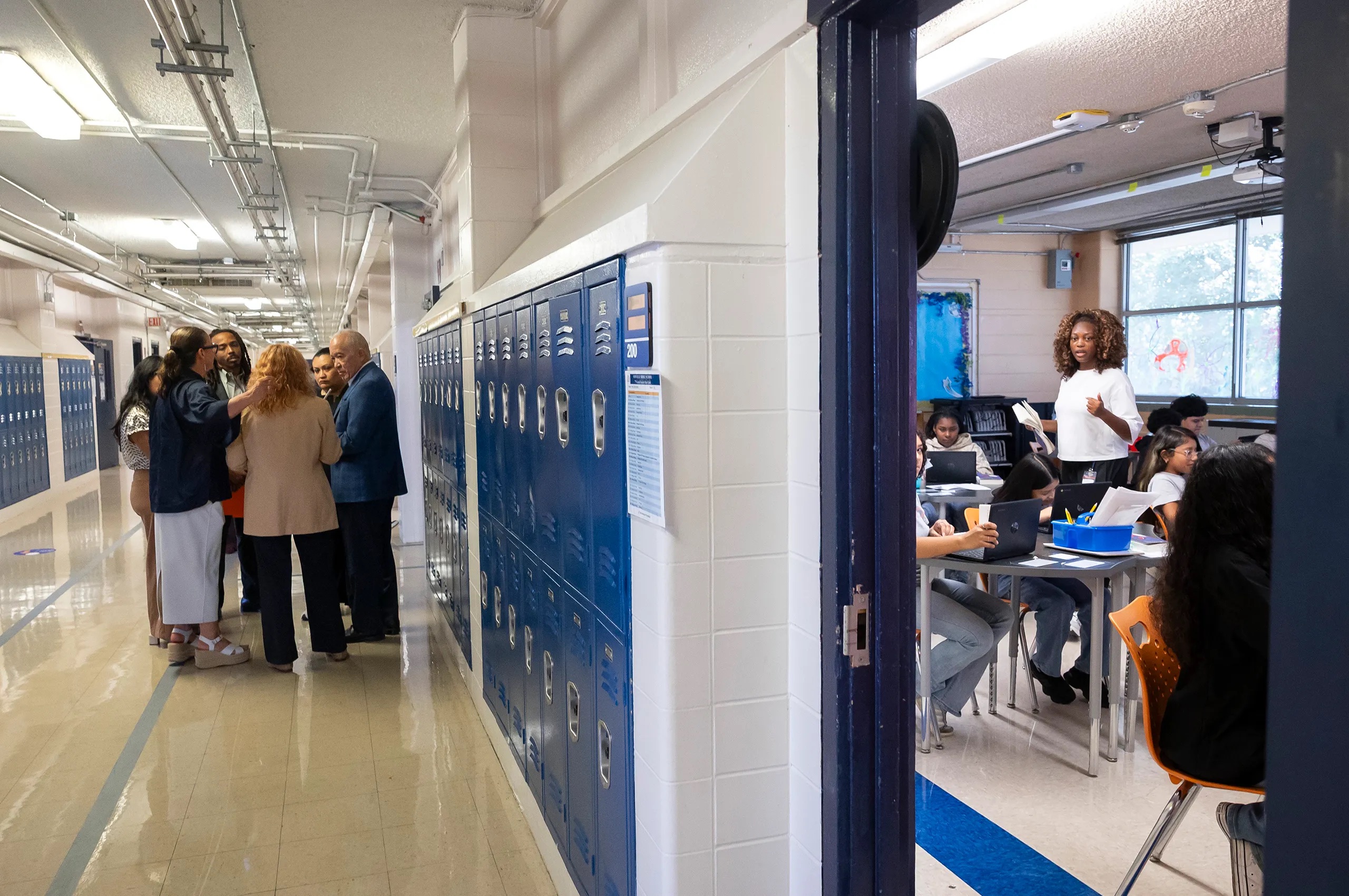
For state leaders, the transformation at Fonville is a vindication of their decision to seize control of the Houston Independent School District (HISD) in 2023. By ousting the locally elected school board and installing Superintendent Mike Miles, the state aimed to reverse a trend of chronic underperformance that had left dozens of schools with the scarlet "F" on their report cards.
However, as the state prepares to relinquish control, the "Houston Model" faces a sobering reality. The academic gains, while significant, have come with a massive, potentially unsustainable price tag. The district has burned through hundreds of millions in reserves, sold off historic real estate, and shed thousands of students. The question now looming over the Texas education system is whether this model is a repeatable blueprint for success, or a high-stakes gamble that has left the district’s financial foundation crumbling.

A Chronology of Control
The takeover of HISD began in 2023, following years of legal battles and academic stagnation. The Texas Education Agency (TEA) argued that the district’s governance was dysfunctional and its student outcomes unacceptable.
- 2023: The state installs Mike Miles as superintendent. The New Education System (NES) is launched, prioritizing standardized test scores through rigid instructional cycles, higher teacher pay, and increased support staff.
- 2024: Enrollment numbers begin a sharp, unprecedented decline. The district faces mounting pressure as parents protest the loss of wraparound services, social workers, and local autonomy.
- 2025: HISD reports its first budget shortfall in a decade, totaling over $300 million. A historic $4.4 billion bond proposal, intended to fund facility upgrades, is soundly rejected by voters.
- 2026: As the takeover enters its final phase, the district’s financial cushion—the "rainy day" reserves—has been depleted from seven months of operating expenses to three.
The Data Behind the Spending
The financial mechanics of the NES model are stark. According to district budget documents, the estimated cost to implement the reforms is approximately $700,000 per school in the first year, with a recurring annual cost of roughly $2,200 more per student than in non-NES campuses.

While Miles argues that these expenditures are necessary to "supercharge" learning, the funding source has become a point of contention. Because the state provided no additional funds for the intervention, HISD was forced to cannibalize its own budget. The district has:
- Drained Reserves: Nearly $450 million of the operating fund balance has been exhausted to cover recurring costs like teacher salaries and technology upgrades.
- Sold Assets: Dozens of district-owned properties, including land and historic buildings, have been listed for sale.
- Cut Centralized Support: The district eliminated 1,500 central office jobs, 200 wraparound specialist positions, and 85 bus routes to redirect capital to the classroom.
The "cost of the experiment" is further exacerbated by declining enrollment. Since the takeover, the district has lost 21,000 students. Because Texas school funding is tied to attendance, this exodus has cost the district an estimated $190 million in state revenue.

The Enrollment Crisis: A Feedback Loop
Critics argue that the NES model itself is driving families away. For parents like Brooke Longoria, the "joy of learning" was replaced by "constant testing."
"Any test score increase that you’ve gained by destroying a school community, by banning books, by firing beloved principals, that’s too high a cost," Longoria said. Her sentiment is echoed by hundreds of parents who have moved their children to charter schools or neighboring districts, such as Klein ISD.

University of Houston researcher Toni Templeton notes that the enrollment drop is not merely a result of demographic shifts or birth rates. "They’re not moving across the state," she observed. "They’re going to a very nearby school that’s not part of HISD. You’ve just made a decision to change the school."
Official Responses and Justifications
Superintendent Mike Miles remains steadfast in his defense of the model. He views the financial strain as the necessary byproduct of "right-sizing" a bloated system.

"Budgets are tough and going to remain tough when you have declining enrollment," Miles said. "We will have declining enrollment. The question is how big. That’s a lot of money."
Texas Education Commissioner Mike Morath has consistently supported the intervention, claiming the evidence shows that state oversight raises the quality of learning. When asked about the financial disparity between Houston and other districts, Morath argued that Houston is operating under the same finance system as everyone else, implying that the issue is one of prioritization rather than a lack of resources.

Economist Eric Hanushek of Stanford University agrees with the results-oriented approach. "You can’t just add on a new system and do everything you’re doing before," Hanushek noted, suggesting that the trade-offs—such as the loss of libraries or social work staff—are the inevitable price of focusing on core academic proficiency.
Broader Implications for Texas
The "Houston Model" is no longer confined to Houston. The state has already exported leadership from Miles’ administration to oversee takeovers in Beaumont, Lake Worth, and Fort Worth.

In Fort Worth, the district has rebranded the NES model as "ELEVATE." The early results are echoing Houston’s trajectory: an historic exodus of 800 teachers in just three months and a budget squeeze that has the local superintendent, Peter Licata, openly admitting that the current math is "not a good place to be."
Education policy researchers warn that this could be a recurring pattern. Lam Pham of North Carolina State University notes that interventions often show initial success that dissipates once the "intense focus" or the funding source runs dry. He points to historical examples in Tennessee and Denver, where rapid expansions of school-choice or turnaround models eventually stalled when faced with community pushback and the reality of long-term maintenance costs.

The Path Forward: A "Death Spiral" or a New Normal?
As the state prepares to hand control back to the locally elected school board, the district stands at a precarious juncture. The trustees will soon have to decide whether to maintain the expensive, centralized reforms or attempt to rebuild the support systems that were dismantled.
"It is going to take years to dig out of the financial hole he’s creating, unless the Legislature makes some huge investments," says Heather Golden, a parent of two HISD graduates. "It feels a little bit like a death spiral right now."

While proponents like former Sen. Brandon Creighton see a "playbook" for the state to replicate, the financial data suggests a different story. The district has managed to lift many campuses out of the "F" category, but in doing so, it has depleted its savings and alienated a significant portion of its community.
Whether the Houston experiment is a masterpiece of efficiency or a short-term correction that traded long-term stability for immediate test scores remains the defining question of modern Texas education. For now, Houston stands as a high-stakes warning to other districts: the cost of turnaround is not just found in the budget documents, but in the trust of the families it serves.


 Nana Wu
 Layla Zulfa
 Raul Delapena Setiawan
 Dwi Wanna
 Muslim


 Rifan Muazin