
 Lina Hope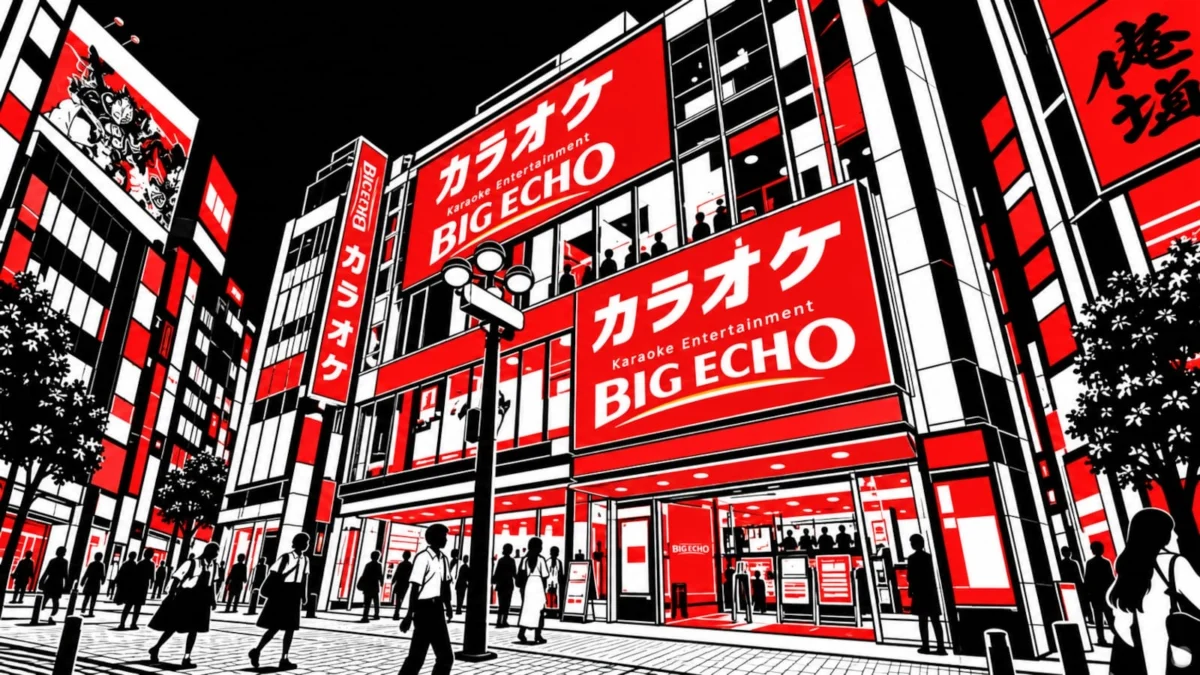
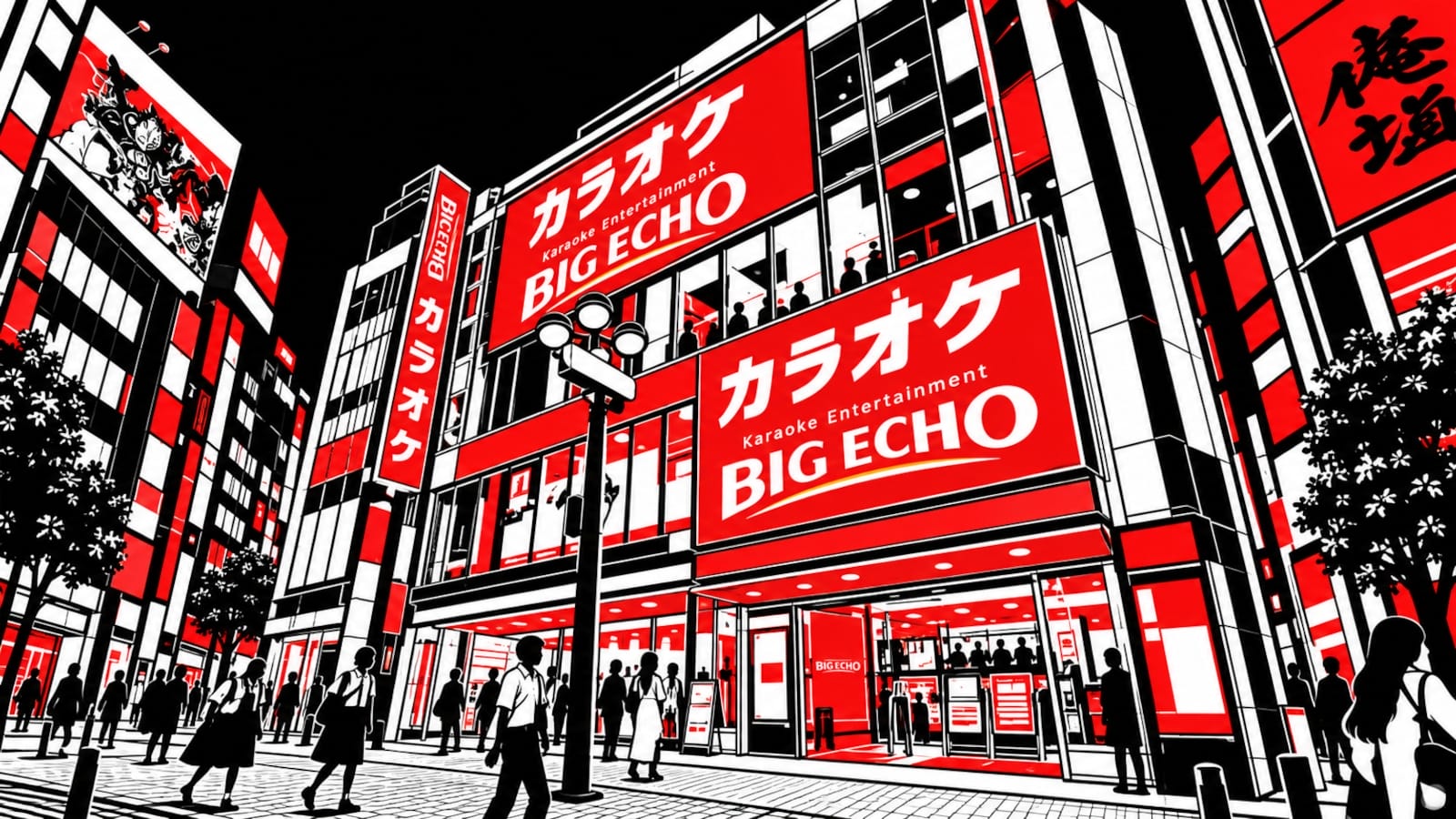
In a significant security development affecting millions of consumers across Japan, Daiichi Kosho—the nation’s preeminent entertainment system manufacturer and operator of the ubiquitous "Big Echo" karaoke chain—has disclosed a major data exposure incident. The breach, which originated within the internal infrastructure of its contractor, Nippon Columbia Group (NCG), has potentially compromised the personal information of over 8.7 million individuals, including both customers and employees.
The incident underscores the growing vulnerabilities inherent in third-party supply chain relationships, where a single compromised endpoint at a service provider can have cascading effects on the data security of massive corporate partners.
The Scope of the Incident: A Network of Exposure
Daiichi Kosho is a dominant force in the Japanese leisure industry. Beyond its manufacturing prowess in karaoke hardware and software, the company operates a sprawling network of 521 entertainment venues nationwide. These include some of the most recognizable brands in Japanese nightlife, such as the Big Echo chain, MEGA BIG, Karaoke CLUB DAM, Banana Club, B-GARAGE, and the DK Dining restaurant group.
The company outsources significant portions of its data management and administrative processing to Nippon Columbia Group (NCG). NCG is a storied player in the Japanese entertainment sector, managing a diverse portfolio that spans music production, video distribution, game software development, and high-profile artist management.
According to the disclosures provided by Daiichi Kosho, the breach impacts a staggering 8,631,000 customers and 93,000 employees. While the company has stated that it has found no definitive proof of exfiltration or unauthorized access to the data, the sheer volume of records involved has prompted a nationwide security alert for its user base.
Chronology of the Breach: Discovery and Containment
The timeline of the incident reflects a rapid response once the threat was identified, though the latency between the initial infection and discovery remains a point of concern for cybersecurity analysts.
- Initial Infection: Nippon Columbia Group (NCG) detected the presence of malicious software on a single employee’s workstation. While the specific nature of the malware—whether it was a credential stealer, a backdoor, or ransomware—has not been fully detailed, its presence indicated a breach of NCG’s perimeter security.
- October 5, 2026: NCG notified Daiichi Kosho of the security incident. Upon receiving this intelligence, Daiichi Kosho’s internal IT security teams and external forensics partners began an exhaustive audit of the shared data pathways.
- October 6, 2026: NCG moved to isolate the affected systems, severing the compromised computer from the network to prevent further lateral movement of the malware.
- October 8, 2026: Daiichi Kosho issued its first formal communication to its customer base, advising them of the potential risk and outlining the nature of the data handled by the contractor.
- October 9, 2026: A secondary update was provided by the firm. Despite the urgency of the situation, the follow-up statement failed to provide additional clarity regarding the potential for actual data exfiltration, leaving the scope of the "leaked" information in a state of limbo.
Technical Analysis: What Data Is at Risk?
The exposure involves a vast repository of personally identifiable information (PII). In the modern digital economy, this type of data is the "holy grail" for threat actors, who use it to facilitate identity theft, phishing campaigns, and account takeover (ATO) attacks.
While Daiichi Kosho has explicitly stated that user passwords were not included in the exposed records and that there is currently no evidence of unauthorized loyalty point redemption, the potential for harm remains high. The data sets likely include:
- Full Names and Contact Information: Physical addresses, email addresses, and telephone numbers.
- Employment Records: PII pertaining to 93,000 staff members, which often includes more sensitive data such as tax information or internal identification numbers.
- Transaction Metadata: Records that link specific customers to venue visits, providing a behavioral profile that can be used to craft highly targeted social engineering lures.
Security experts suggest that even without passwords, the combination of name, address, and phone number is sufficient for malicious actors to conduct "vishing" (voice phishing) attacks. By posing as customer support agents from Daiichi Kosho or Big Echo, attackers can trick individuals into providing financial credentials or multi-factor authentication (MFA) codes.
Official Responses and Corporate Accountability
The response from Daiichi Kosho has been one of transparency regarding the incident’s origin, yet caution regarding the current status of the data. The firm has emphasized that its own internal systems were not the point of entry. By distancing itself from the technical failure at NCG, Daiichi Kosho is attempting to maintain brand trust while acknowledging the reality of the exposure.
"We have not confirmed any data theft or leaks," a spokesperson for the company stated in a public release. However, the firm’s directive to its customers remains clear: "Remain cautious."
Nippon Columbia Group (NCG) has remained notably quiet in the public sphere. As of the time of this report, BleepingComputer’s attempts to secure a formal statement from NCG regarding the specific security lapses or the status of their internal forensic investigation have gone unanswered. This lack of public engagement from the contractor has fueled speculation regarding the severity of the infection and the potential negligence that allowed malware to persist on an employee’s machine.
The Implications of Third-Party Vulnerability
This incident serves as a stark reminder of the "Supply Chain Security Paradox." Large corporations invest millions in their own cybersecurity infrastructure—firewalls, endpoint detection and response (EDR) systems, and air-gapped backups—yet they remain only as secure as their smallest, least-protected contractor.
The Risks of Digital Integration
When a company like Daiichi Kosho outsources data processing, they essentially extend their digital perimeter to include the contractor’s network. If the contractor does not maintain equivalent security standards, the primary firm inherits that risk. In this case, the malware on a single employee’s workstation at NCG potentially compromised the records of millions of people who have never even heard of Nippon Columbia.
The Threat Landscape: AI-Powered Attacks
As noted by security leaders at the recent industry summits, the threat landscape is shifting toward AI-powered, high-speed attacks. Threat actors are no longer relying on manual intervention; they are using automated scripts to scan for vulnerabilities, deploy malware, and exfiltrate data in seconds. The fact that the NCG incident involved malware suggests a classic "initial access" phase, where attackers gain a foothold and then wait for the right moment to move laterally through the organization’s databases.
Recommended Protective Measures for Affected Customers
For those who frequent the Big Echo chain or other Daiichi Kosho venues, the risk of secondary attacks is now elevated. The company and security analysts recommend the following steps:
- Monitor for Suspicious Communication: Be highly skeptical of unsolicited emails, SMS messages, or phone calls, especially those referencing a "security incident" or asking for "account verification." These are classic hallmarks of phishing attempts capitalizing on the news of the breach.
- Password Hygiene: While the company claims passwords were not exposed, it is a best practice to rotate passwords for any accounts associated with Daiichi Kosho, especially if those passwords are reused on other platforms.
- Financial Vigilance: Keep a close watch on bank statements and credit card activity. Although financial information was not explicitly mentioned as being compromised, identity thieves often use basic PII to open fraudulent lines of credit.
- Enable Multi-Factor Authentication (MFA): If your account with any karaoke or entertainment service offers MFA, enable it immediately. This provides a critical layer of defense even if your credentials are leaked elsewhere.
Looking Ahead: A Call for Better Governance
The Daiichi Kosho incident will likely become a case study for corporate legal and IT teams on the necessity of "Vendor Security Assessments." It is no longer enough to sign a service-level agreement (SLA); corporations must mandate rigorous, ongoing security audits of their contractors.
As the investigation continues, the industry will be watching to see if NCG releases a detailed "Post-Mortem" report. Such transparency is vital, not only for the millions of affected customers but for the broader entertainment sector, which relies on the stability and security of shared data ecosystems.
For now, the customers of Japan’s most popular karaoke chains are left to navigate the aftermath of a breach that they had no hand in causing, highlighting the increasingly fragile nature of data privacy in an interconnected world. Whether this leads to stricter regulations regarding data handling in Japan remains to be seen, but one thing is certain: the era of assuming third-party security is long over.


 Asep Darmawan
 Nana Muazin
 Pevita Pearce
 Dwi Wanna

 Layla Zulfa

 Azzam Bilal Chamdy