
 Ali Ikhwan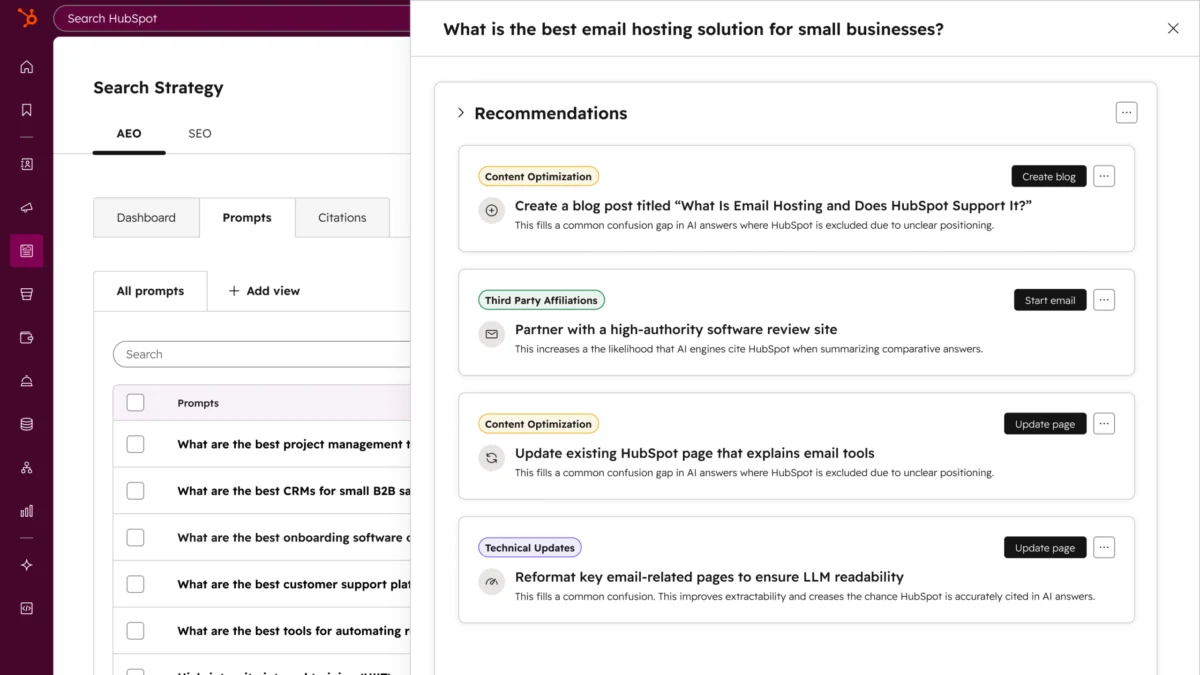
For over a decade, digital marketing teams have operated under a golden rule: if you can measure it, you can manage it. Through meticulous integration of paid search, organic SEO, social media, and email marketing, organizations have successfully mapped the modern buyer’s journey. From the first click on an ad to the final conversion, the funnel has been transparent, trackable, and optimized.
However, a massive, invisible gap has opened in this ecosystem. A significant—and growing—share of buyer discovery is no longer happening on traditional search engine results pages (SERPs). Instead, it is migrating to AI-driven interfaces like ChatGPT, Gemini, and Perplexity. These "answer engines" provide synthesized, direct responses, bypassing the traditional list of blue links. For the modern marketer, this shift represents a fundamental disruption: buyers are shortlisting vendors within black-box AI environments that do not show up cleanly in any existing channel report.
The Identity Crisis: Who Owns AEO?
The emergence of Answer Engine Optimization (AEO) has created an organizational identity crisis. In many firms, the responsibility for AEO has fallen into a "no man’s land." SEO teams often view it as a content issue; content teams argue it belongs under the umbrella of search technicalities; and demand generation leaders are left staring at rising customer acquisition costs (CAC) while organic traffic stagnates.
This fragmentation is costly. While departments debate ownership, buyers are already using AI to make high-stakes purchasing decisions. The teams that successfully navigate this transition are not creating new, siloed departments. Instead, they are integrating AEO directly into the workflows they have already perfected. By treating AI visibility as a core component of existing channel dashboards and content calendars, high-performing teams are turning a potential blind spot into a competitive advantage.
Chronology of a Disruption: From Keywords to Conversations
The evolution of search has been a decades-long trajectory, but the transition to AEO has been rapid and transformative.

- 2010–2020: The Era of SEO Dominance. The industry focused on optimizing for Google’s algorithms, prioritizing keyword density, backlink profiles, and technical site health. The goal was simple: get to the top of the page.
- 2022: The Generative AI Inflection Point. The public release of advanced LLMs signaled the end of the "ten blue links" monopoly. Users began preferring direct, conversational answers over browsing multiple websites.
- 2023–2024: The Attribution Gap. As traffic patterns shifted, marketers noticed a decline in "organic" attribution. Search volume held steady, but referral traffic from traditional engines dipped, leaving leadership to question the ROI of their content efforts.
- 2025–Present: The Integration Phase. Leading platforms, including HubSpot, have begun rolling out dedicated AEO tools designed to unify AI visibility with traditional marketing metrics.
This timeline highlights a critical reality: the shift to AI-driven discovery is not a fleeting trend. It is a fundamental change in how information is indexed and consumed.
Supporting Data: The Cost of Blind Spots
The pressure on digital marketing teams is mounting. According to recent industry benchmarks, the cost of customer acquisition has risen by over 60% in the last five years. When organic traffic flattens, firms often compensate by pouring more budget into paid channels, further inflating CAC.
The "AEO Gap" exacerbates this. If a brand is not present in the synthesized answers provided by AI, they are effectively invisible during the crucial "shortlisting" phase of the buyer’s journey. Data indicates that when buyers use AI to compare vendors, they are less likely to click through to individual websites unless the AI specifically recommends them.
For leadership, the challenge is clear: if you cannot measure your brand’s presence in AI answers, you are flying blind. Organizations that have begun tracking "Brand Visibility Scores"—a metric that quantifies how often a brand is mentioned or cited by AI tools—report a 20% improvement in top-of-funnel conversion rates within six months of aligning their content strategy with AEO insights.
The Case for Unified Reporting
Most marketing teams are already suffering from "dashboard fatigue," juggling a dozen different tools to monitor various channels. Adding another siloed tool for AEO only increases complexity and reduces adoption.

The industry is moving toward a centralized model where AEO data lives in the same stack as CRM and automation tools. When AI visibility shifts are displayed alongside CPL (Cost Per Lead) and conversion rates, it moves AEO from a "special project" to an everyday decision-making metric.
Why Unified Reporting Matters:
- Reduced Manual Labor: No more manual data pulls or spreadsheet consolidation. Automated dashboards provide real-time updates on how a brand is trending across ChatGPT, Gemini, and Perplexity.
- Contextualized Insights: By viewing AI visibility next to pipeline data, teams can identify which content pieces are actually driving leads from AI sources, rather than just chasing "vanity" rankings.
- Leadership Buy-in: Executives are more likely to approve investment in AEO when they can see the direct correlation between AI visibility and pipeline growth in their standard quarterly reports.
Coordinating AEO with Editorial Excellence
The most common mistake firms make is treating AEO as a technical SEO task. In reality, it is an editorial challenge. Answer engines prioritize high-quality, authoritative, and concise information. If a content calendar is built solely on keyword volume, it will likely fail in the AI era.
Integrating AEO recommendations into the content planning process allows teams to optimize for both traditional search and AI simultaneously. Instead of the "prioritization tug-of-war," where SEO and content teams fight over resources, integrated workflows ensure that every piece of content serves a dual purpose.
Tools such as HubSpot’s AEO suite now allow marketers to identify content gaps directly within the drafting environment. By leveraging AI to suggest improvements, content teams can refine their messaging to better align with the specific queries being fielded by answer engines. This keeps production in lockstep with the editorial process, ensuring that the brand’s voice remains consistent across all interfaces.
Implications for the Future of Attribution
The final hurdle for most organizations is proving the ROI of AEO. Marketing leaders are accountable to hard numbers—MQL volume, pipeline contribution, and revenue. Because answer engines don’t always provide the same referral data as traditional browsers, "AI-driven leads" have historically been lumped into "Direct" or "Unknown" traffic buckets.

This is changing with the advent of AI-specific tracking. Platforms like the HubSpot Smart CRM now classify "AI Referrals" as a distinct traffic source. This is a game-changer for attribution. When a contact arrives via an AI answer, that source is carried onto their record and associated with future deals.
What This Means for Marketing Strategy:
- The End of Fuzzy Returns: AEO will no longer be treated as a vague "brand investment." It will be measured with the same rigor as paid search or email marketing.
- Compounding Advantages: The sooner a company establishes its baseline for AI visibility, the faster it will gain a competitive advantage. Early adopters are currently building the authority and trust scores that AI models rely on to generate recommendations.
- Operational Maturity: Companies that successfully integrate AEO into their core KPIs will be the ones to dominate their categories as AI-assisted discovery becomes the primary way buyers evaluate vendors.
Conclusion: The Time for Integration is Now
The rise of answer engines is not a signal to abandon traditional marketing; it is a call to evolve. The teams that thrive in this new landscape will be those that break down the artificial walls between SEO, content, and demand generation.
By centralizing data, aligning editorial calendars with AI recommendations, and rigorously measuring the impact of AI referrals on the bottom line, marketers can regain control of the buyer’s journey. The "gap" in the funnel is not an insurmountable problem—it is an opportunity to redefine how brands connect with their customers in an AI-first world.
For those ready to move forward, the strategy is simple: stop treating AEO as a separate project. Make it the heartbeat of your digital strategy, and you will find that the visibility you gain today becomes the revenue you claim tomorrow.


 Lina Hope
 Nana Wu
 Pevita Pearce
 Dwi Wanna

 Layla Zulfa
 Asep Darmawan
 Azzam Bilal Chamdy