
 Dwi Wanna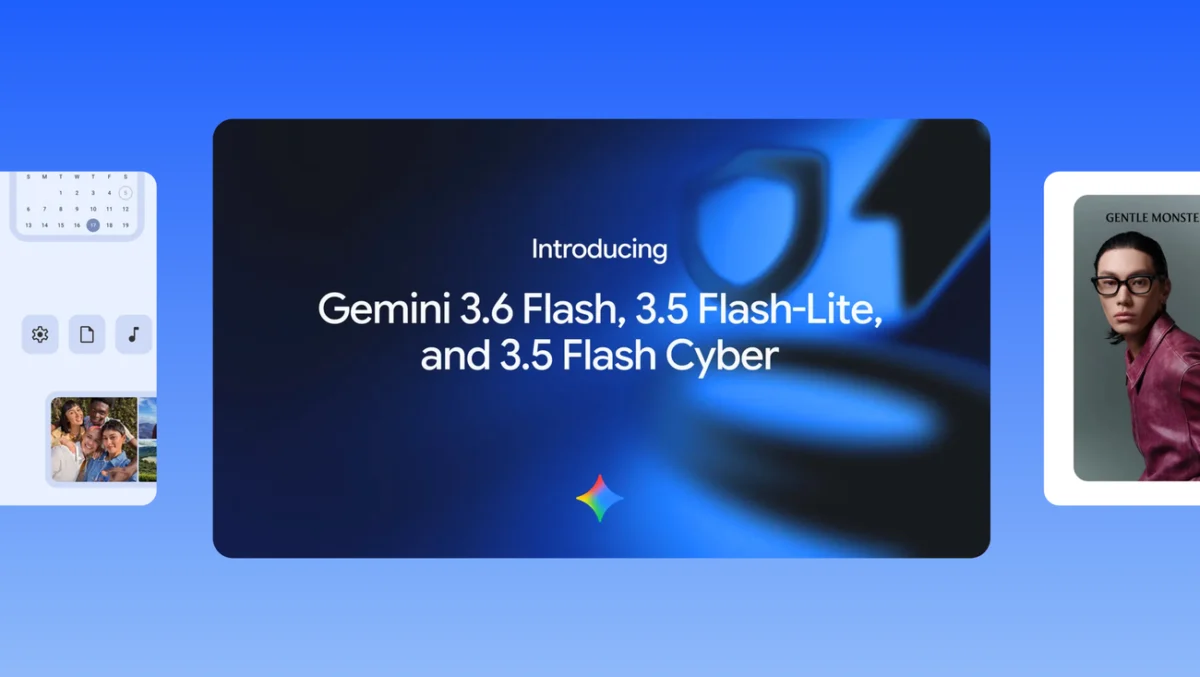
For over two decades, Google has served as the bedrock of modern machine learning and artificial intelligence research. From foundational infrastructure to consumer-facing applications, the company’s trajectory has consistently focused on translating complex computational power into tangible benefits for healthcare, education, and global crisis response. As we move through the second half of 2026, July stands out as a watershed month—a period characterized by an aggressive expansion of the Gemini ecosystem, significant strides in robotics, and a renewed commitment to societal resilience.
This report synthesizes the primary advancements, technical milestones, and strategic initiatives announced by Google throughout July 2026, offering a window into how these technologies are beginning to reshape our daily lives and the global digital economy.
1. The Core Infrastructure: Gemini’s New Generation
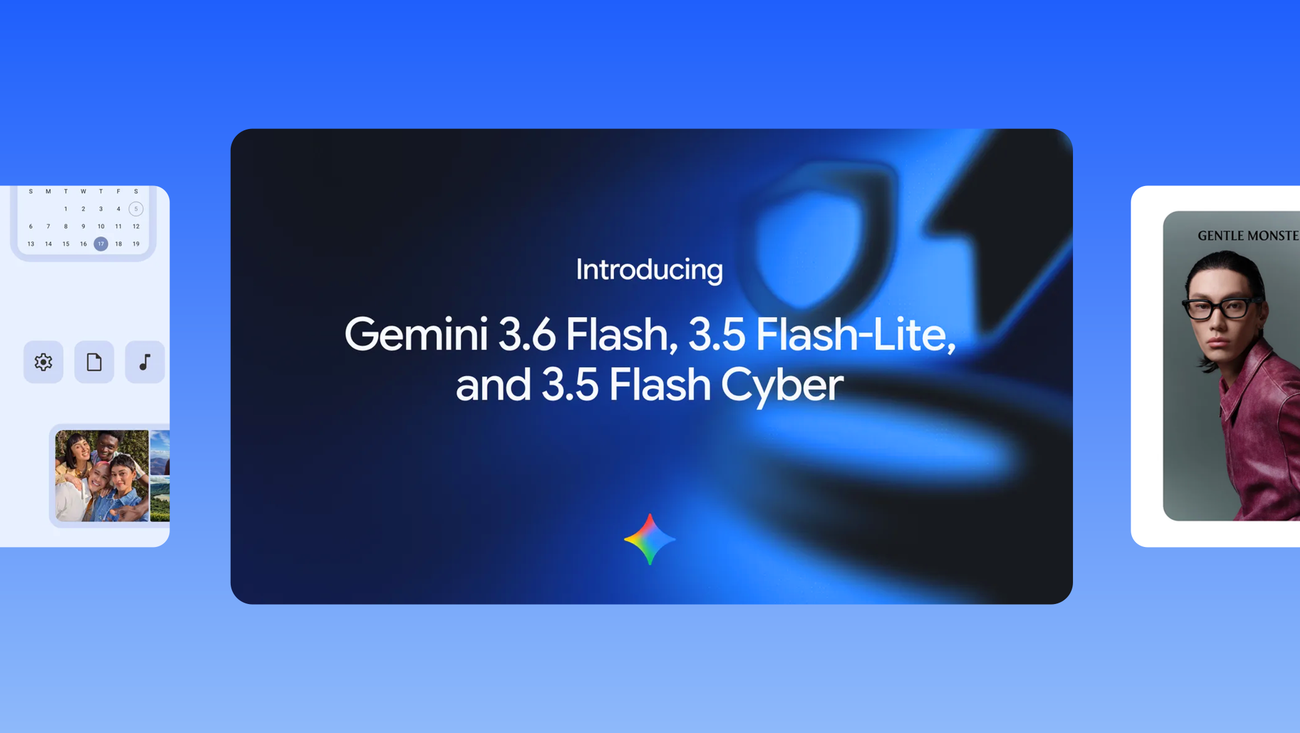
At the heart of Google’s July announcements was the debut of three new Gemini models: Gemini 3.6 Flash, 3.5 Flash-Lite, and 3.5 Flash Cyber. These models represent a strategic pivot toward "agentic workflows"—a paradigm where AI does not merely generate text, but actively performs tasks on behalf of the user.
Technical Superiority for Scaling
The industry has long struggled with the trade-off between model intelligence and latency. By introducing these specific variants, Google is addressing the needs of enterprise developers who require high token efficiency and low-latency responses.
- Gemini 3.6 Flash: Optimized for high-throughput, real-time data processing.
- 3.5 Flash-Lite: Engineered for extreme cost-efficiency, enabling developers to run agents on edge devices.
- 3.5 Flash Cyber: A specialized model focusing on robust, secure performance for enterprise environments where reliability is non-negotiable.
These models are designed to enable businesses to scale production-grade AI agents that can reliably handle multi-step tasks without the high overhead typically associated with frontier-class LLMs.
2. Bridging the Digital and Physical: Gemini Robotics ER 2
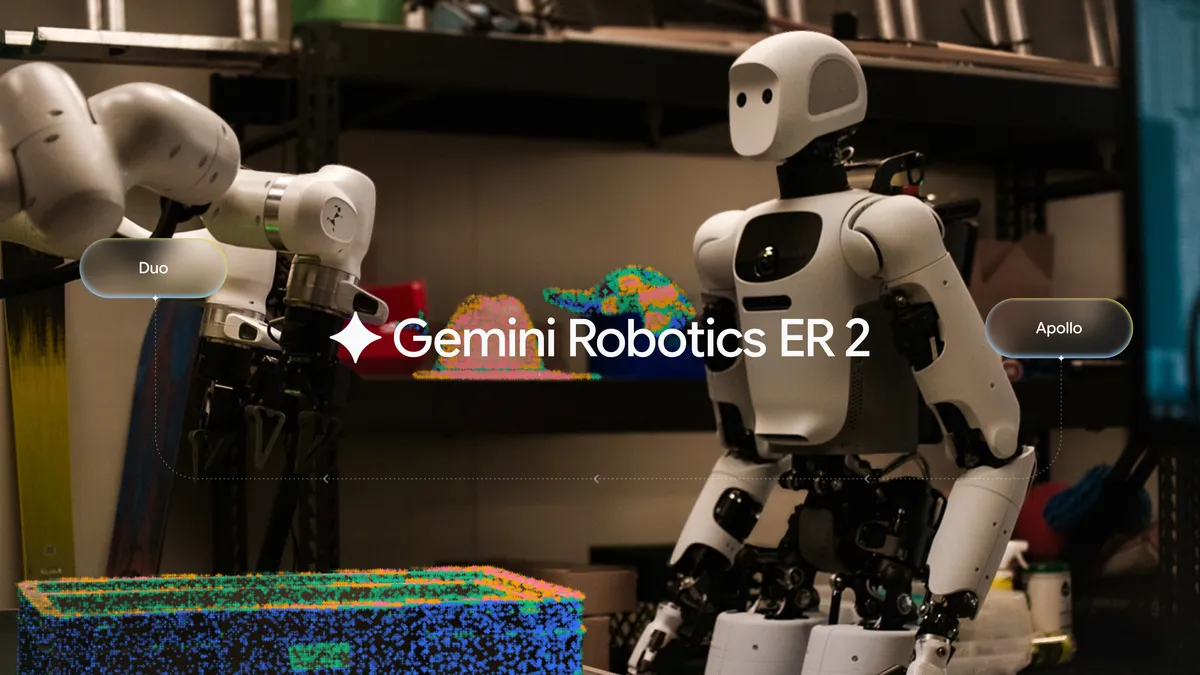
Perhaps the most visually and functionally striking announcement of the month was the launch of Gemini Robotics ER 2. If the previous generation of robotics AI was limited to repetitive, pre-programmed motions, ER 2 introduces "embodied reasoning."

This model allows robotic systems to:
- Interpret surroundings: Use real-time vision processing to navigate complex, changing environments.
- Natural Language Interaction: Engage in fluid, context-aware dialogue with humans while performing manual tasks.
- Multi-step Problem Solving: Break down ambiguous instructions (e.g., "Clean up the workshop") into actionable, logical sequences of physical movements.
By bridging the gap between digital "smarts" and physical reality, Google is signaling that the era of the autonomous, helpful assistant—physically present in our homes and workplaces—is moving from science fiction to practical engineering reality.
3. Enhancing the Personal Experience
July 2026 also saw the integration of these advanced models into the consumer hardware and software ecosystem, most notably with the Samsung Galaxy Unpacked 2026 event.

The Rise of Personal Intelligence
The launch of the Samsung Galaxy Z Fold8 Ultra, Fold8, and Flip8 served as the launchpad for the first wave of Gemini Intelligence. This is not just a chatbot; it is a context-aware layer that resides on the device. When coupled with the updated native migration experience in Android 17, users can now transition from an iPhone to a high-end Android device with unprecedented ease, bringing their data and digital preferences with them wirelessly—without needing third-party applications.
Gemini Spark: The "Errand Runner"
Gemini Spark has been expanded globally, with a powerful new capability: the ability to handle tedious web errands. With user permission, Spark can now access logged-in accounts and saved passwords to manage tasks like booking flights, researching apartment viewings, or navigating complicated scheduling interfaces. This marks a shift in Search functionality from a query-based tool to an action-based agent.
4. Creativity and Collaboration: Google Vids and Lyria 3.5
The creative sector received significant upgrades as well. Google Vids now features Gemini Omni and personal digital avatars. These tools allow users to generate and edit high-quality video content using simple, everyday language. The ability to create a digital twin to "star" in corporate or educational videos drastically reduces the cost and technical barriers to video production.
Simultaneously, the Lyria 3.5 music generation model has pushed the boundaries of AI-assisted artistry. With improved vocal quality and enhanced lyrical nuance, Google Flow Music is providing creators with a sophisticated, highly controllable instrument for song composition.
5. Societal Impact and Global Resilience
Beyond the commercial applications, July’s news cycle emphasized Google’s role as a steward of global safety and economic stability.
The AI & Economy ATLAS
Recognizing that AI is shifting the job market, Google launched the AI & Economy ATLAS. This large-scale, de-identified study is tracking how AI is used in the workplace. It serves as a diagnostic tool for policymakers to understand the evolution of labor and the emergence of new skill sets in an AI-driven economy.

Alliance for America’s Skilled Trades
To complement the digital shift, Google, in partnership with BlackRock, Carhartt, and Ford, formed the Alliance for America’s Skilled Trades. This coalition aims to bridge the gap between AI automation and the physical workforce, ensuring that the next generation of technicians and tradespeople have the training necessary to thrive alongside advanced technology.
Environmental and Crisis Response
Google’s commitment to safety was underscored by three major developments:
- NOAA Collaboration: The National Oceanic and Atmospheric Administration is now using Google Cloud’s H4D virtual machines to run atmospheric simulations, enabling faster and more accurate weather forecasting.
- FireSat Satellites: In partnership with the Earth Fire Alliance, Google successfully launched three new satellites. These orbiters utilize AI-powered detection to identify wildfire outbreaks in their infancy, before they can become catastrophic events.
- Bioresilience: A joint initiative between Google DeepMind and Isomorphic Labs was announced to ensure that powerful AI models are protected from misuse by malicious actors, while simultaneously being harnessed to solve complex biological challenges.
6. Official Perspectives: A Vision for the Frontier
Demis Hassabis, CEO of Google DeepMind, took to the public forum in July to frame these developments. He emphasized that we are at a "critical moment in history." According to Hassabis, the objective is to move beyond the novelty of AI and focus on "Frontier AI"—the deployment of models that can solve the "hardest problems" in science and medicine while maintaining strict safety and ethical guardrails.

The reconstruction of Pelé’s "lost" goal—a project using archival footage and AI simulation to recreate a legendary 1959 goal—served as a poignant metaphor for Google’s broader mission: using technology to recover, understand, and build upon the human experience.
7. Implications: What Lies Ahead?
The July 2026 announcements reveal a clear, three-part strategy for the remainder of the decade:
- Agentic Expansion: The focus is shifting from "chat" to "action." By integrating apps like YouTube Music directly into the Gemini Search interface, Google is attempting to create an ecosystem where the user never has to leave the "AI mode" to complete a task.
- The "Cloud-to-Physical" Pipeline: Whether it is through robotics, weather satellites, or the new Skilled Trades Alliance, Google is aggressively moving its research out of the server rack and into the physical environment.
- Governance as a Service: By publishing the ATLAS study and establishing the bioresilience program, Google is attempting to lead the conversation on AI regulation and societal safety, positioning itself as a responsible leader rather than just a software provider.
As these technologies permeate the market, the traditional boundaries between the digital and the physical will continue to blur. For developers, businesses, and everyday users, the message from July is clear: the age of the passive AI tool is over. We have entered the age of the active, integrated, and physically aware artificial intelligence agent.

This report reflects announcements made by Google through July 31, 2026. For more in-depth data on specific model performance or partnership details, please refer to the official Google Blog and the DeepMind research repository.


 Pevita Pearce
 Suro Senen
 Laily UPN
 Iffa Jayyana
 Rifan Muazin

 Lina Hope
 Lina Irawan