
 Laily UPN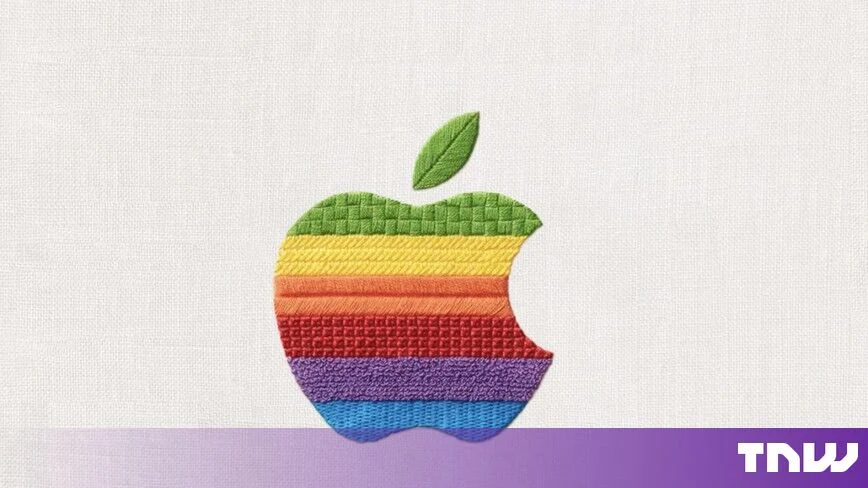
The technology landscape is bracing for a significant shift as Apple officially pulls back the curtain on its next strategic frontier. Following a cryptic social media teaser from Greg Joswiak, Apple’s senior vice president of worldwide marketing, the company has confirmed an exclusive "Apple Experience" event scheduled for Tuesday, October 13. With the nostalgic flair of the classic rainbow-embroidered Apple logo, the invitation—simply titled "Welcome Home"—signals a definitive pivot toward the domestic ecosystem.
As industry analysts and tech enthusiasts converge on Tribeca, New York, for the 9:00 AM ET keynote, the air is thick with anticipation. This event represents more than just a routine hardware launch; it is an aggressive recalibration of Apple’s footprint within the modern smart home.
The Main Facts: What We Know
The event, held in a boutique, intimate format reminiscent of the company’s MacBook Neo launch earlier this year, suggests a hands-on experience rather than a sprawling product keynote. While Apple has remained characteristically tight-lipped regarding specific SKUs, the convergence of leaks, supply chain intelligence, and Bloomberg’s authoritative reporting has painted a vivid picture of what to expect.
At the core of the October 13 announcement is a trinity of proprietary devices designed to anchor the Apple smart home ecosystem:
- The Next-Generation Smart Home Hub: A high-fidelity, display-equipped central controller intended to serve as the "brain" of the home.
- The HomePod Mini Refresh: A significant hardware iteration featuring an upgraded processor to handle localized AI tasks.
- The Apple TV Update: A revamped streaming box optimized for advanced connectivity and home automation integration.
Chronology: A Path to the Smart Home
The journey to this "Welcome Home" event has been a calculated, multi-year progression. Apple has long held a stake in the smart home market through HomeKit and the original HomePod, yet it has frequently trailed competitors like Amazon and Google in terms of market penetration and device diversity.
- Late 2024: Original internal projections suggested a 2024 launch for these devices. However, leadership opted for a strategic delay.
- September 2026: The release of iOS 27 marked a watershed moment for the company, as it introduced the sophisticated "Siri AI" framework. This served as the foundational software layer required to make the new hardware viable.
- October 2026: Bloomberg reported the specific date for the event, confirming the shift in strategy.
- October 8, 2026: Greg Joswiak posts the teaser on X, officially putting the rumor mill to rest and setting the stage for the Tribeca reveal.
The delay was not a sign of failure, but rather a realization that hardware is only as good as the intelligence driving it. According to Mark Gurman, writing for Bloomberg and discussing the move on his Power On podcast, the delay was deliberate: “They’re only coming out now for a very clear reason. They’ll rely on Siri AI.”
Supporting Data: The LG Partnership and Hardware Expansion
Perhaps the most surprising revelation surrounding this event is the collaborative effort with LG. The partnership represents a tactical shift in how Apple approaches peripheral hardware. Rather than reinventing the wheel for mundane smart home components, Apple is leveraging LG’s manufacturing prowess to deliver a robust ecosystem of specialized sensors and security hardware.
Industry insiders expect the following LG-manufactured, Apple-branded devices to round out the "Apple Home" experience:
- Smart Security: A high-definition smart doorbell and a series of indoor, outdoor, and floodlight cameras, all integrated seamlessly into the Home app.
- Access Control: A smart door lock designed for high-security integration with Apple Wallet and digital key technology.
- Climate Control: A sleek, minimalist thermostat designed to compete with the likes of Nest and Ecobee.
- Future Expansion: A temperature sensor is currently in the late stages of development, with a projected release date in early 2027.
This strategy allows Apple to focus on its core competencies—software, AI integration, and user interface—while offloading the complexities of specialized hardware manufacturing to a seasoned partner.
Official Responses and Strategic Messaging
Apple’s communication strategy remains surgical. By opting for a boutique venue in Tribeca rather than a massive auditorium in Cupertino, Apple is sending a message: this is about the experience of living with these products.
While the company has not confirmed whether the event will be live-streamed, the "Apple Experience" branding suggests a curated look at a lifestyle, not just a spec sheet. The use of the rainbow logo is also a poignant callback to Apple’s roots, potentially suggesting that the company is aiming for the same level of ubiquity and simplicity that defined its early consumer-computing success.
In his teaser video, Joswiak’s use of the phrase "Welcome Home" serves as both a literal invitation and a metaphorical statement. For years, Apple users have been forced to piece together a "Frankenstein" smart home using third-party bridges and workarounds. The upcoming October 13 launch promises a cohesive, "just works" experience that finally feels native to the Apple ecosystem.
Implications: The Siri AI Revolution
The most profound implication of this launch is the role of Siri AI. For years, critics have noted that Siri often lagged behind ChatGPT, Claude, and Gemini in conversational reasoning. With the rollout of iOS 27 last month, those gaps have narrowed significantly.
By embedding this new, more capable Siri directly into a dedicated smart home hub, Apple is attempting to solve the "input" problem. Rather than relying on voice commands alone, the new display-equipped hub will use the device’s localized AI to anticipate user needs. For instance, the system might detect that a user is walking toward the front door and automatically display a live feed of the LG-connected doorbell, or it might adjust lighting and temperature based on the time of day and the detected presence of individuals in a room.
Furthermore, by keeping the processing local—a hallmark of Apple’s privacy-centric philosophy—the company is positioning itself as the "safe" alternative to the data-mining practices of its primary competitors. This focus on privacy as a premium feature will likely be a core pillar of the October 13 presentation.
Market Dynamics and Future Outlook
As Apple prepares to dominate the smart home, the industry is bracing for a consolidation phase. Smaller players in the smart home space may find it difficult to compete with a fully integrated, AI-driven ecosystem that commands the same level of brand loyalty as the iPhone.
For the consumer, the implications are largely positive. The standardisation of protocols like Matter has already made it easier for devices to talk to one another, but Apple’s move to provide a premium, unified hardware experience will likely set a new benchmark for quality.
The success of this launch will depend on one critical factor: execution. Can the new HomePod and the smart home hub deliver on the promise of a truly intelligent, seamless home? If the history of the MacBook Neo is any indication, Apple is no longer interested in competing for the "budget" segment of the market. They are moving to own the "premium" segment, where the value proposition is rooted in privacy, reliability, and an intuitive user experience.
As we look toward October 13, the tech world is holding its breath. The "Welcome Home" event is more than a product launch; it is the culmination of a decade of hardware and software integration. Whether it succeeds in turning the smart home into a truly "intelligent" space remains to be seen, but one thing is certain: Apple is coming home, and they are bringing the future with them.
Key Takeaways for Investors and Tech Enthusiasts:
- The Hub is the Hero: Watch for how the new smart display integrates with existing Apple devices (iPhone/Mac/iPad).
- The LG Factor: This partnership could revolutionize how Apple handles hardware accessories.
- Privacy as a Moat: Expect Apple to double down on local processing for its AI, contrasting sharply with cloud-based competitors.
- Timeline: While the event is October 13, expect staggered rollouts for the peripheral LG-manufactured devices throughout the winter of 2026.

 Lina Irawan
 Suro Senen

 Iffa Jayyana
 Rifan Muazin

 Lina Hope