
 Muslim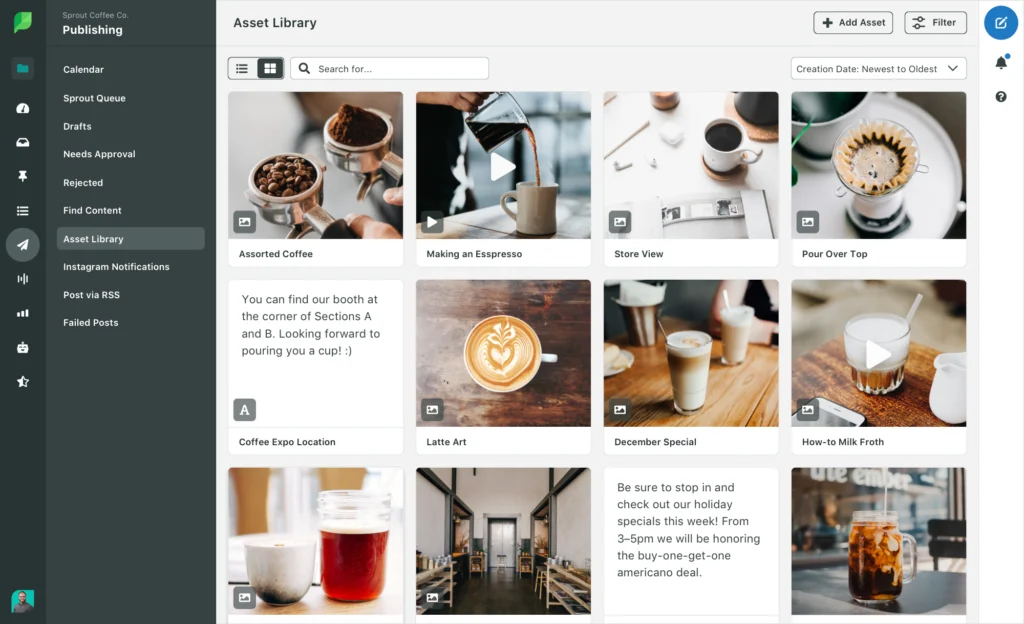
The image of holiday shopping—once defined by frantic crowds, long lines at big-box retailers, and the physical wrestle for discounted merchandise—has undergone a permanent metamorphosis. In 2026, the "doorbuster" deal has been replaced by the "viral find." Today’s consumers are not waiting in line; they are scrolling, searching, and purchasing within the apps they use to connect with friends.
However, this shift toward social-first shopping has created a new, high-stakes frontier for brands: social media customer service. As holiday demand intensifies, the digital storefront has become a double-edged sword. While it offers unparalleled reach, it also provides a public stage for customer frustration. According to the Sprout Social Q3 2026 Pulse Survey, 86% of consumers plan to use social media for customer service this holiday season as much or more than they did in 2025. For brands, the question is no longer whether they should provide support on social channels, but how they can scale that support to meet the expectations of an increasingly impatient and tech-savvy audience.

The Evolution of the Consumer Journey
The modern holiday shopping journey is a non-linear process that begins and ends in the social feed. "TikTok made me buy it" is no longer just a viral hashtag; it is an economic reality. Social platforms have evolved into virtual malls, acting as engines for product discovery, social proof, and direct purchasing.
Data from the Q3 2026 Sprout Social Pulse Survey underscores this shift: social media is now tied with physical retail stores as the primary resource for gift discovery. Approximately 46% of consumers explicitly state they will rely on social platforms to hunt for holiday gifts this year. This behavior is most pronounced among younger demographics, with 85% of Millennials and 88% of Gen Z consumers confirming they will use social media to research potential purchases.

Because the discovery and the inquiry often happen on the same platform, customers expect the resolution to happen there as well. When a user sees a product on Instagram and has a question about sizing or stock, they expect a response within the app. If the brand forces the customer to navigate away to a web form or a phone queue, the likelihood of a lost sale increases exponentially.
Chronology of the Holiday Surge
The holiday shopping window is no longer confined to the period between Thanksgiving and Christmas. It has expanded into a multi-month marathon. For customer care teams, this creates a distinct timeline of pressure points that requires strategic resource allocation:

- The Pre-Season (September–October): The focus is on proactive communication. Brands that update their FAQs, audit their chatbot flows, and finalize influencer partnerships during these months avoid the "firefighting" mentality of November and December.
- The Peak Surge (Late November): Triggered by Black Friday and Cyber Monday, this is the first major spike. Customer queries during this window are often transactional, involving shipping deadlines, promotional code issues, and stock availability.
- The Fulfillment Window (Early–Mid December): As the final shipping dates for holiday delivery approach, sentiment shifts from excitement to anxiety. Queries here are often high-stress, focusing on order tracking and potential delivery delays.
- The Post-Holiday Aftermath (Late December–January): The focus shifts to returns, exchanges, and "after-sales" support. This period is a critical window for turning one-time holiday shoppers into long-term, loyal customers.
Supporting Data: The Need for Speed and Personalization
The 2025 Sprout Social Index™ highlights a critical gap between brand performance and consumer expectation: 70% of consumers demand personalized responses. However, personalization is often sacrificed at the altar of speed, especially when volumes surge during the holidays.
The Q3 2026 Pulse Survey provides a sobering look at consumer patience:

- 32% of users expect a response on the same day.
- 24% expect a response within 1–2 hours.
- 14% expect a reply within minutes.
This demand for near-instantaneous interaction is driving a cautious but growing acceptance of AI. When asked about the use of AI-driven chatbots for service, 70% of consumers indicated they felt "somewhat" or "very" comfortable with the technology, provided it leads to faster resolutions.
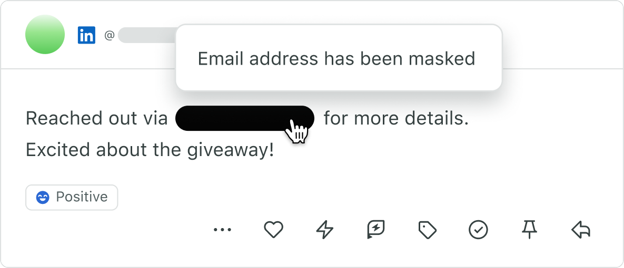
Furthermore, the complexity of these interactions is increasing. Roughly 33% of consumers now expect a hybrid support experience: a public acknowledgment (such as a reply to a comment) followed by a transition to a private channel (DMs) to resolve the specific issue. This public-to-private workflow is essential for maintaining brand reputation while protecting consumer privacy.
Official Strategies: How Brands Are Scaling
Leading brands are not just hiring more staff; they are re-engineering their operational workflows to survive the "ber-months" (the final four months of the year).
1. The Proactive FAQ Strategy
The most effective customer service is the kind that renders the inquiry unnecessary. Organizations like the Educational Testing Service (ETS) have demonstrated that by monitoring recurring themes in social queries—such as registration or technical requirements—brands can build robust, accessible FAQ hubs. By leveraging tools like the Sprout Social Asset Library, agents can maintain a "single source of truth," ensuring that every pre-drafted response is consistent, on-brand, and instantly accessible.

2. Automation as a Force Multiplier
AI is not a replacement for human empathy, but it is an essential tool for administrative heavy-lifting. Using Sprout’s "Enhance by AI Assist," agents can generate responses that are tailored to the specific tone of the customer—whether professional, empathetic, or casual—saving significant time. Rule-based chatbots, configured through the Sprout Bot Builder, are also becoming standard for handling high-volume, low-complexity tasks like order tracking or return policy inquiries.
3. CRM Integration and Unified Data
A major friction point in customer care is the "tool-switching" fatigue. When agents must bounce between a social media dashboard, an email inbox, and a separate CRM, response times lag, and context is lost. Integrations—such as Sprout Social’s connection with Salesforce—allow agents to view a customer’s entire history in a single interface. This allows for a "world-class, omnichannel experience" where an agent can see if a customer has previously called about an issue, preventing the customer from having to repeat their story.

Implications: The Long-Term Value of "Holiday Care"
The implications of a failed social customer service strategy extend far beyond the holiday season. A negative interaction during the holidays can result in public complaints that remain visible on a brand’s profile for months, potentially deterring future customers. Conversely, excellent service serves as a powerful differentiator.
"We had historically struggled to prove the true value of our team’s work," notes Christopher Kuzara, CX Supervisor at Whisker. By using real-time reporting metrics like "Average Handle Time" and "Tag Tracking," brands can move beyond anecdotal evidence and prove to stakeholders that social customer care is a revenue-generating function rather than a cost center.
For brands looking to secure their footing in the 2026 season, the strategy is clear:
- Centralize: Consolidate all social channels into one inbox.
- Automate: Use AI to handle the routine, allowing humans to handle the complex.
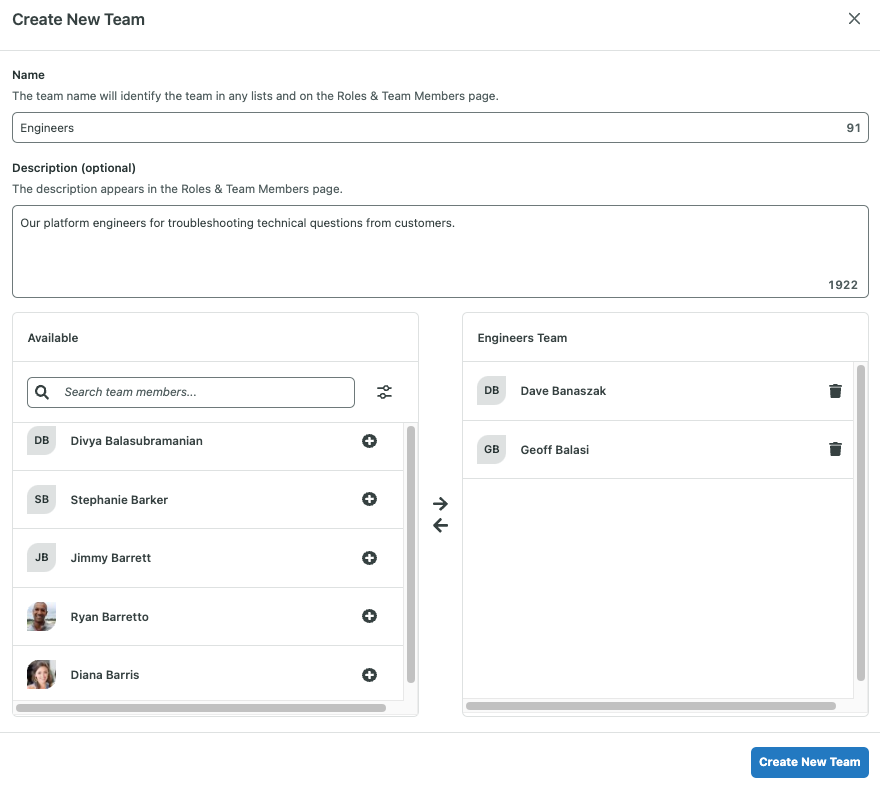
- Protect: Use secure, PCI-compliant tools to manage sensitive data, as phishing attempts and scams spike during the holiday months.
- Analyze: Use real-time reporting to identify bottlenecks before they become systemic failures.
Conclusion: The Gift of Efficiency
As the holiday shopping season approaches, the pressure on social media teams is unprecedented. However, the tools to manage this complexity have evolved alongside the challenge. By viewing social media not just as a marketing channel, but as a primary pillar of customer support, brands can transform their social presence into a competitive advantage.
Equipping your team with the right technology—one that integrates seamlessly with your existing tech stack and offers robust AI and analytical capabilities—is the most important investment a company can make. As Sprout Social’s data shows, the brands that win this holiday season will be those that provide fast, personalized, and secure service exactly where their customers live: in the social feed.
For those looking to prepare, a 30-day trial of professional-grade social management tools can provide the head start needed to turn potential holiday chaos into a streamlined, high-loyalty experience that lasts well into the new year.


 Nana Wu
 Suro Senen
 Nila Kartika Wati
 Raul Delapena Setiawan
 Dwi Wanna


