
 Nana Muazin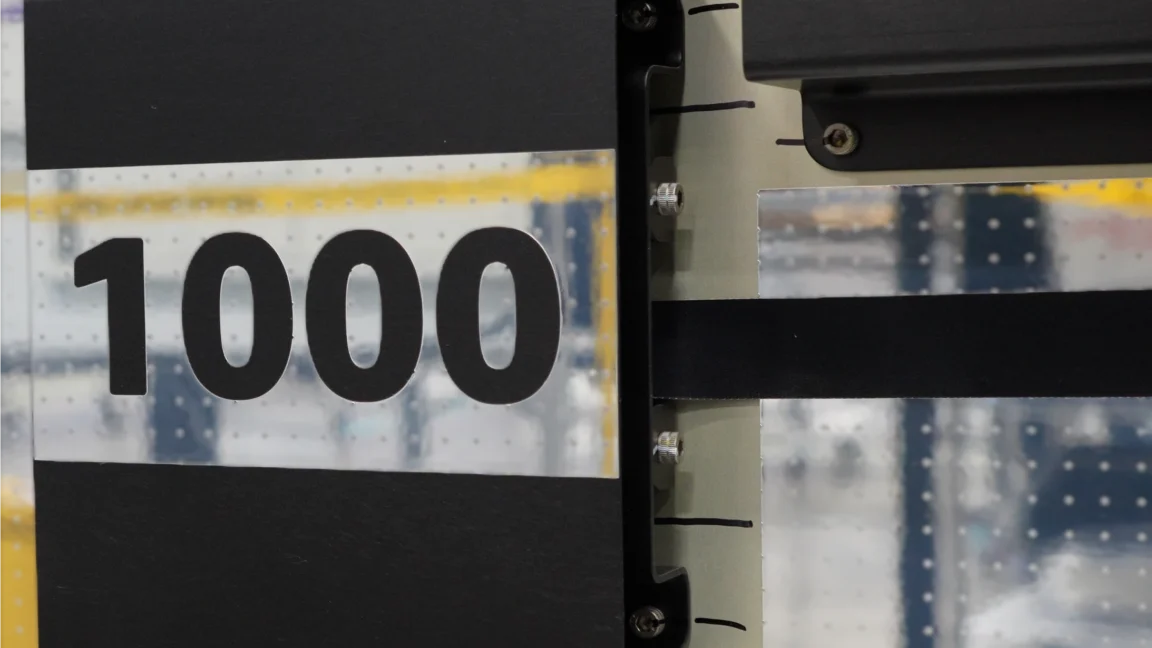
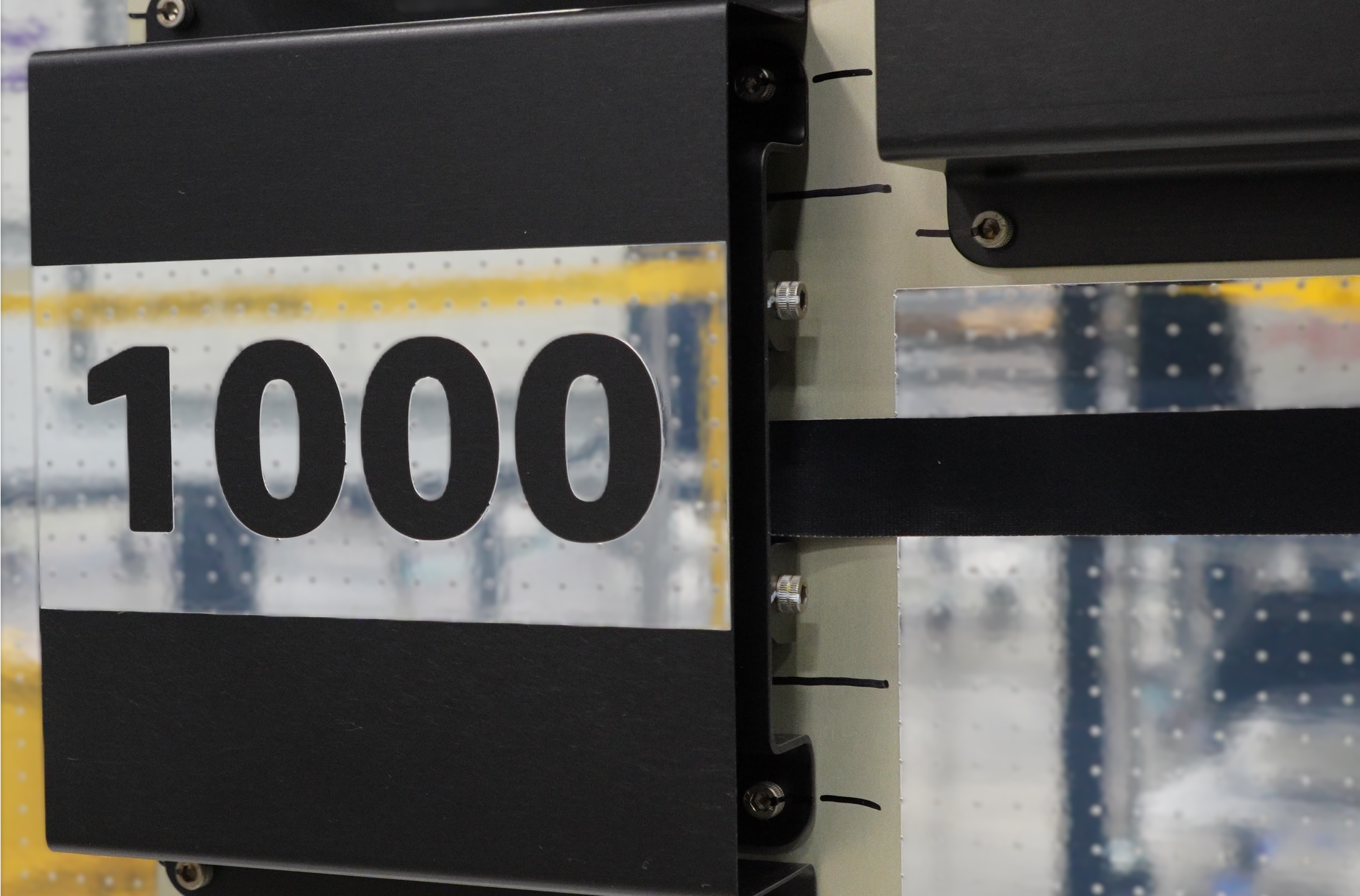
For the better part of a decade, Amazon has operated with a quiet, methodical intensity, developing a constellation of satellites designed to weave a blanket of high-speed internet across the globe from low-Earth orbit (LEO). Now, the world’s largest retailer is finally preparing to pull back the curtain. With the recent completion of its 1,000th satellite at its state-of-the-art facility in Kirkland, Washington, Amazon’s “Project Kuiper” is transitioning from a high-stakes research project into a functional, commercial reality.
The move marks a seismic shift in the space industry, ending the de facto monopoly held by Elon Musk’s SpaceX and its Starlink constellation. As Amazon prepares for its inaugural commercial service rollout—slated for 2026—the company finds itself at a pivotal intersection of massive capital investment, complex manufacturing logistics, and high-level geopolitical competition.
The Architecture of a Challenger
Amazon’s foray into satellite broadband is not merely an attempt to compete with Starlink; it is an attempt to redefine the utility of satellite internet for enterprise and government clients. At the helm of this effort is Rajeev Badyal, an industry veteran who previously served as a key figure at SpaceX before departing eight years ago. Badyal’s mandate at Amazon has been to build a system that prioritizes reliability, security, and performance at scale.
"Building a couple of satellites is pretty straightforward, but building at scale is exponentially harder," Badyal explained in a recent interview. "We pushed really hard for a culture where we could do both: get a design that works and ensure it is manufacturable from day one."
The result of this philosophy is a production line capable of outputting 27 satellites per week—a significant leap from the six months it took to produce the first 27 units. This manufacturing velocity is essential to maintaining the pace required to deploy a 3,232-satellite constellation.
A Chronology of “Production Hell”
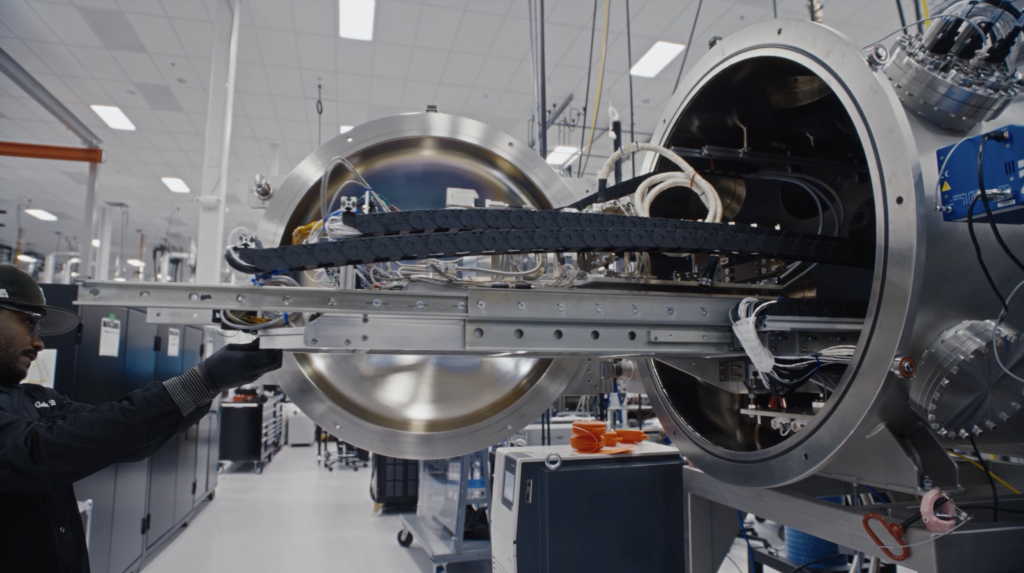
The road to this milestone was paved with significant hurdles. In December 2022, Amazon occupied an empty 170,000-square-foot facility. Over the next 15 months, the company transformed this space into a high-tech satellite factory while simultaneously refining the design of the satellites themselves.
- 2018–2021: Early conceptualization and architecture definition. The team set the baseline for capacity and performance.
- December 2022: Acquisition of the Kirkland factory space.
- 2023: Massive scaling efforts, shifting from R&D prototypes to assembly-line manufacturing.
- Early 2024: Confirmation that silicon, antenna, and gateway designs meet the original 2018 performance benchmarks.
- Late 2024/Early 2025: Operational testing of the network, including live demonstrations of high-bandwidth streaming.
- Late 2025/2026: Scheduled commencement of commercial service.
The primary bottleneck, according to Paul Palcisco, Amazon’s director of production, was not just building the satellites, but testing them at speed. "We had to blend traditional, rigorous NASA-standard testing procedures with high-volume methodologies from consumer electronics," Palcisco noted. By condensing testing cycles from weeks into hours without sacrificing quality, Amazon has successfully created a repeatable, industrial process.
Supporting Data: Performance vs. Market Leaders
For Amazon, the strategy is clear: compete on performance and enterprise-grade integration. According to Chris Weber, vice president of business at Amazon, the company is positioning itself as a premium alternative to current offerings.
Technical Performance Comparison
| Metric | Amazon Leo (Target) | Current Competitors |
|---|---|---|
| Downlink Speed | 1 Gbps | ~350 Mbps |
| Uplink Speed | 400 Mbps | ~40 Mbps |
| Encryption | AES-256 (Native) | Standard |
This performance delta is particularly significant for government and enterprise clients. Amazon’s ability to offer a "private networking" option—allowing traffic to move from the antenna to a ground gateway and directly into an AWS data center without touching the public internet—is a major differentiator. For high-security clients, this "air-gapped" capability is the difference between a viable product and a security risk.
Official Responses and Strategic Alliances
The launch of Amazon’s satellites is intrinsically tied to the performance of the commercial launch sector. Amazon has taken a diversified approach, signing contracts with United Launch Alliance (ULA), Blue Origin, Arianespace, and SpaceX.
"We knew there was risk, but we had to get heavy-lift vehicles," Badyal said. "Without that kind of plan, we probably would be in a far worse situation."
The partnership with ULA’s Vulcan rocket is the most immediate concern. Despite past delays, Badyal confirmed that Vulcan is on track to carry Amazon’s satellites in the coming weeks. The company has gone so far as to build the infrastructure to process two rockets simultaneously in separate vehicle integration facilities, ensuring that when the launch cadence accelerates, Amazon is ready to provide the cargo.
Implications for Consumers and Business
The entry of Amazon into the satellite market has broader economic implications. For the consumer, the "Amazonian way" promises a focus on value and ecosystem integration. While details remain sparse, the company has hinted at bundling Leo connectivity with existing services like Prime, eero routers, and Fire TV, creating a seamless "better together" value proposition.
However, the competition is not merely a corporate rivalry; it is a battle for global connectivity infrastructure. With 396 satellites currently in orbit and a first-generation target of over 3,200, the constellation is designed to provide global coverage, resiliency, and low-latency access to the most remote corners of the planet.
Security and Infrastructure
The focus on AES-256 encryption and AWS integration suggests that Amazon is targeting the high-end market—airlines, shipping logistics, and defense contractors—where data sovereignty and security are paramount. The feud between Amazon and SpaceX over the Delta Airlines contract highlights just how high the stakes have become. For major carriers, the choice of internet provider is no longer just about connectivity; it is about the reliability of the entire digital backbone of their operations.
The Path Forward: Beyond Gen 1
As Amazon prepares to flip the switch on its initial service, the engineering team is already looking toward the future. Badyal confirmed that the company has already filed with the FCC for its second-generation constellation and is in the design phase for those units.
"We start off with 3,232 satellites, and we expect to delight the customers," Badyal said. "But as with any network, you continuously have to improve. You continuously have to add more capability."
The perception of Project Kuiper will likely shift dramatically over the next 12 months. What was once seen as a theoretical, long-term project will become a tangible service. For the average user in an underserved area, this represents a new competitive landscape where price, speed, and reliability will be driven by the presence of a new, well-capitalized incumbent.

Conclusion: A New Challenger’s Maturity
The "production hell" phase that Badyal and his team faced is a hallmark of any massive industrial undertaking. By successfully transitioning to a high-volume manufacturing environment in Kirkland, Amazon has signaled that its ambitions in space are no longer speculative.
While SpaceX currently holds the advantage of time and established market presence, Amazon brings the weight of the AWS infrastructure and a, quite literal, "sky-high" strategy for enterprise integration. As the Vulcan rocket readies its engines for the upcoming deployment, the message from the factory floor is clear: Amazon is no longer just a retailer—it is a space infrastructure company, and it is ready to compete on a global scale.
The next 12 months will be the true test. If the performance metrics promised by the engineers hold up in real-world conditions, the global satellite internet market will undergo its most significant transformation since the launch of Starlink. For consumers and businesses alike, the approaching "Amazonian" era of connectivity promises to be both disruptive and, for those long-awaiting reliable high-speed internet, potentially revolutionary.


 Evan Lee Salim
 Suro Senen
 Lina Hope
 Jia Lissa
 Ali Ikhwan
 Pevita Pearce
 Siti Muinah