
 Sagoh
Sagoh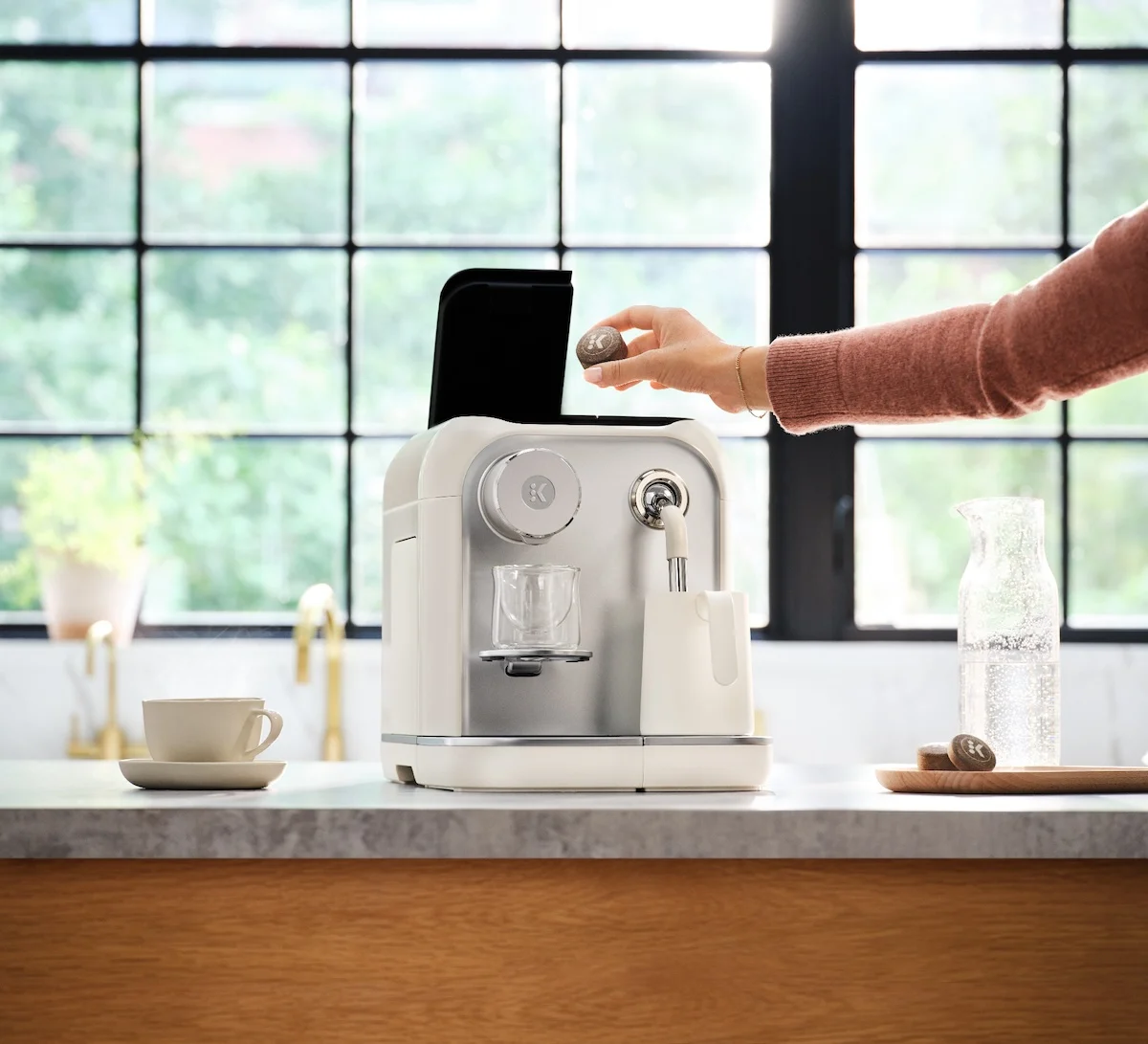
The modern kitchen is undergoing a quiet but significant transformation. For decades, the convenience of single-serve coffee pods—a category dominated by the plastic-heavy K-Cup and aluminum-clad capsules—has been the gold standard for American households. However, a seismic shift in consumer values, driven by environmental consciousness and a demand for higher-quality, barista-grade coffee, has forced a pivot. From established titans like Keurig and Lavazza to design-conscious newcomers like Caraway, the coffee industry is rapidly coalescing around a single, powerful pitch: the plastic-free brew.
This shift isn’t merely a cosmetic change; it represents a fundamental re-engineering of how we extract flavor. By eliminating plastic from the brew path or transitioning to compressed coffee "pucks" that require no external packaging, these companies are attempting to marry the convenience of the digital age with the artisanal quality of the espresso bar.
The State of the Market: A New Era of Brewing
The brewing landscape is currently divided into two primary camps: those reinventing the single-serve experience and those reimagining the traditional drip machine.
In the single-serve sector, the focus is on "compressed coffee." This technology moves away from pods that utilize plastic cups or aluminum lids, replacing them with a dense, stand-alone disc of coffee grounds. These discs are engineered to hold their shape during transport and dissolve or compost entirely after use. On the other end of the spectrum, brands like Caraway are tackling the drip coffee maker—a staple appliance that has historically relied on internal plastic tubing and components—and stripping them away in favor of glass, ceramic, and stainless steel.
For consumers, this evolution addresses a long-standing friction point: the environmental guilt associated with daily pod waste. For manufacturers, it represents a lucrative opportunity to capture the "premium" consumer—a demographic that values aesthetics, sustainability, and café-quality results in their own home.
A Chronology of the Shift
The movement toward plastic-free coffee has been a slow burn, culminating in a flurry of activity throughout 2024.
- 2020: The Genesis of Modern Needs: Keurig executives began internal discussions regarding the limitations of the classic K-Cup. Recognizing that pandemic-era consumers were experimenting with lattes and cappuccinos, the company identified a gap in the market: the desire for barista-style variety and higher-quality extraction that traditional pods could not provide.
- June 2024: Lavazza’s U.S. Push: Italian coffee giant Lavazza introduced its "Tabli" brewing system to the American market. Positioned as a direct challenger to the entrenched dominance of domestic pod systems, the Tabli launched with five varieties of compressed coffee tabs, garnering significant visibility through a high-profile activation at the U.S. Open tennis tournament in New York.
- September 22, 2024: Caraway’s Appliance Debut: Home goods startup Caraway, previously known for its viral, non-toxic ceramic cookware, launched its first coffee appliance. The result of five years of research and development, the machine emphasized a "no-plastic-contact" design.
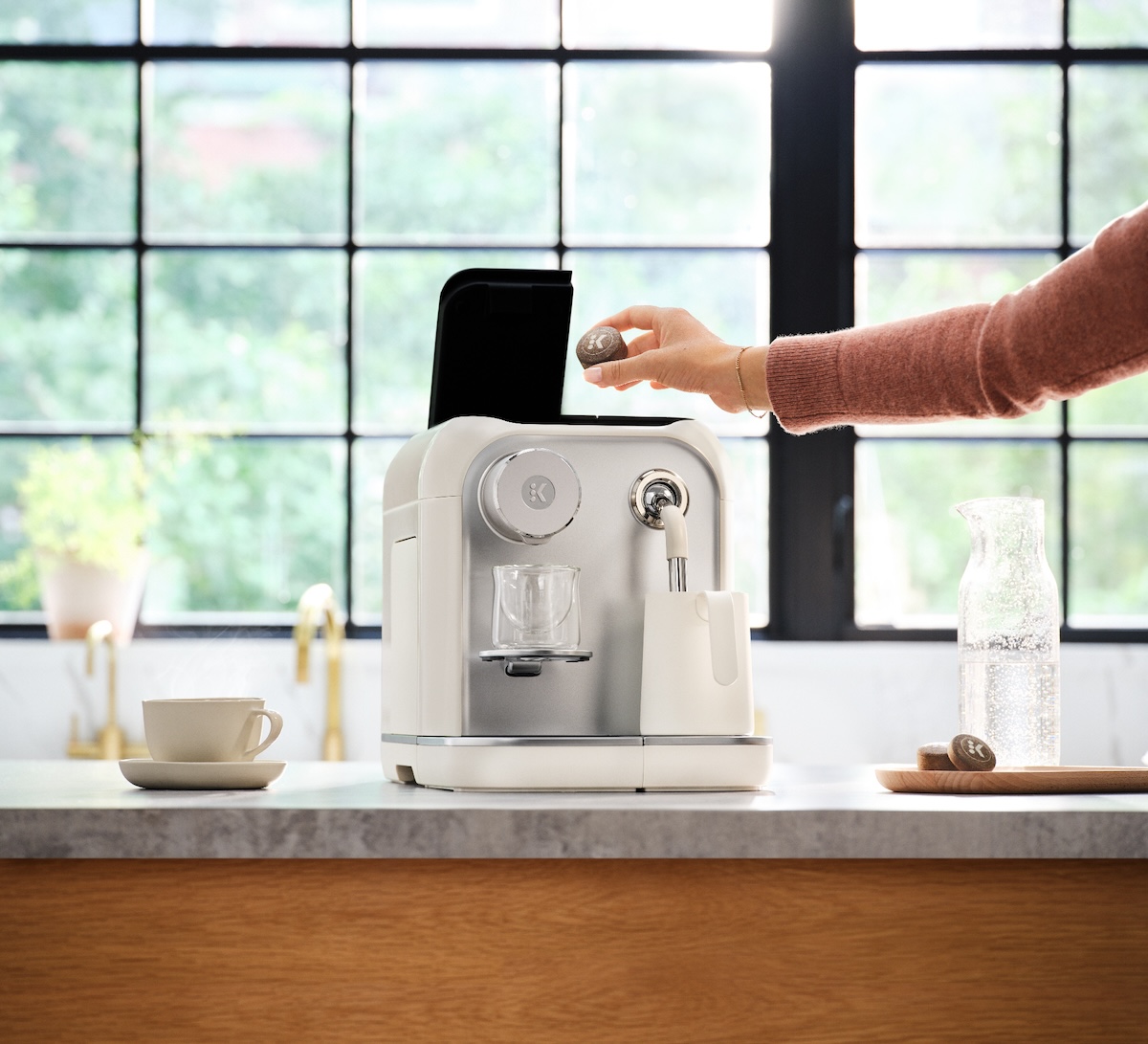
- October 1, 2024: The Keurig Alta Arrives: After years of development, Keurig opened pre-orders for the "Alta." Designed specifically to address sustainability concerns and the need for authentic espresso pressure, the Alta utilizes proprietary "AltaRounds"—pressed coffee discs that are entirely free of plastic and aluminum.
Supporting Data: Demand Outstrips Supply
The early market response to these plastic-free innovations suggests that consumers are not only interested in sustainable brewing—they are willing to pay a significant premium for it.
The financial performance of these recent launches provides a clear signal of the market’s trajectory:
- Caraway’s Sell-Out Success: Within just one week of its launch, Caraway’s new drip coffee maker sold out completely. The company reported generating seven figures in revenue, a testament to the brand loyalty built through its cookware line and the consumer appetite for design-forward, sustainable appliances.
- The Keurig Alta Pre-order Rush: Similarly, Keurig’s limited-access pre-order for the Alta machine sold out in a matter of days. This indicates that even the most loyal users of the traditional K-Cup system are hungry for an alternative that aligns with modern environmental standards.
- Pricing Signals: These products occupy the high end of the market. Caraway’s machine commands a $495 price point, while the Keurig Alta early-access bundle is priced at $499.99. Even Lavazza’s system, while more accessible at $129.99, is clearly positioned as an upgrade over basic entry-level brewers.
Official Perspectives: The Quest for Quality and Sustainability
The pivot toward plastic-free brewing is not merely an environmental PR strategy; it is rooted in technical improvements to the flavor extraction process.
Keurig’s Technical Rationale
Neha Malik, Senior Director of Product Management at Keurig, describes the transition as a direct response to the "connoisseur" shift. "Today’s coffee connoisseurs want rich coffee, and they want it in a more sustainable way," Malik noted.
Keurig’s development team drew inspiration from professional baristas, specifically the process of "tamping" coffee grounds into a portafilter. By compressing coffee into a puck, the company addresses the common issue of "channeling," where water bypasses the grounds through paths of least resistance, resulting in weak, under-extracted coffee. Furthermore, the compression allows for the higher pressure required to create an authentic espresso-style shot.
To keep these pucks shelf-stable without plastic packaging, Keurig opted for an alginate coating—a seaweed-derived, biodegradable substance that keeps the coffee fresh and the puck intact during transport. "Plastic waste has been a concern for people and a reason why certain consumers would not enter the K-Cup or Keurig system," Malik explained.
Caraway’s Design-First Philosophy
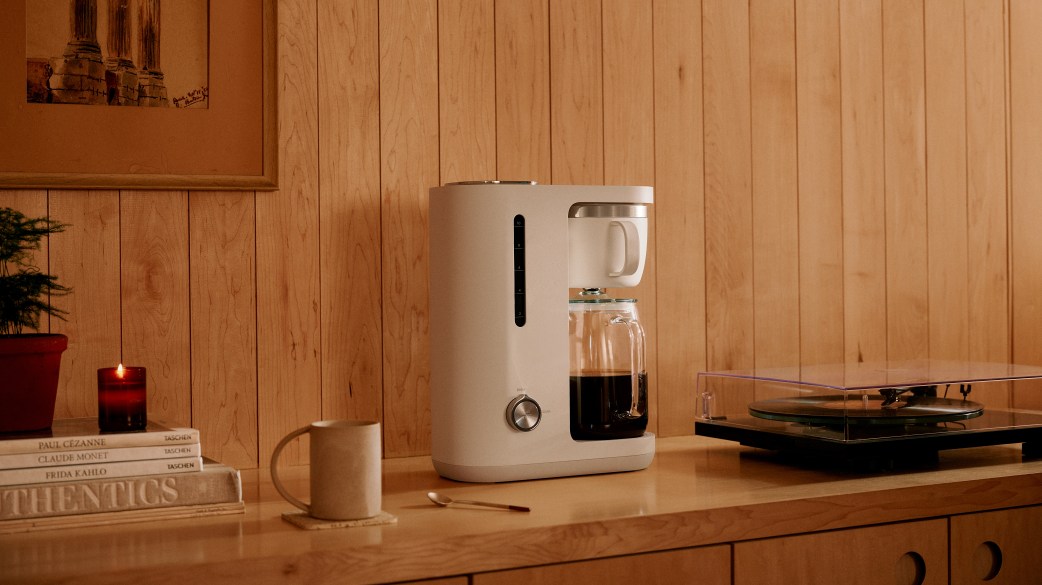
For Jordan Nathan, CEO of Caraway, the move into coffee appliances was a natural extension of his company’s "clean" mission. By utilizing a glass water reservoir, a stainless steel showerhead, and a reusable filter, Caraway ensures that no plastic touches the water or the grounds. "Consumers are spending on the premium side of the market, and we’re really excited to reinvent a product that everyone has in their home," Nathan said. The focus on aesthetics, with four distinct, modern colorways (cream, stone, clay, and midnight), underscores that these machines are intended to be centerpiece items in a curated home.
Implications for the Future of the Coffee Industry
The success of these launches suggests that the "plastic-free" movement is the new frontier for the home appliance industry. However, this is only the beginning.
The Barista-at-Home Expectation
The feedback from Keurig’s 200-person beta test group reveals a high bar for future iterations. Consumers are no longer satisfied with simple black coffee; they expect the ability to craft lattes, cappuccinos, and other café-style drinks at home. The demand for built-in milk frothers and "premium" aesthetics is now a baseline requirement for any company looking to capture the modern coffee drinker.
Iteration as a Strategy
As Malik of Keurig aptly stated, "This is absolutely a starting line, not a finish line." The industry is moving away from the stagnant, mass-produced appliances of the last two decades toward a cycle of constant iteration. We can expect to see:
- Material Innovation: Further research into natural, compostable coatings for coffee pucks to extend shelf life without compromising environmental goals.
- Design Convergence: A blurring of the lines between high-end kitchen decor and appliance functionality.
- Sustainability Metrics: As "plastic-free" becomes a standard, companies will likely begin to compete on the carbon footprint of their supply chains and the longevity of their machines.
Ultimately, the shift toward plastic-free coffee brewing represents a maturation of the consumer market. We have moved from the "convenience at any cost" era to a more nuanced period where consumers demand that their daily rituals—and the tools they use to perform them—reflect their broader values. As these brands continue to refine their offerings, the morning cup of coffee is becoming less of a commodity and more of an expression of both taste and environmental stewardship. The race to define the next generation of brewing is officially on, and the winners will be those who can prove that sustainability doesn’t require a compromise on quality.


 Rifan Muazin
 Asro
Asro
 Dwi Wanna
 Muslim
 Nana Wu
