
 Reynand Wu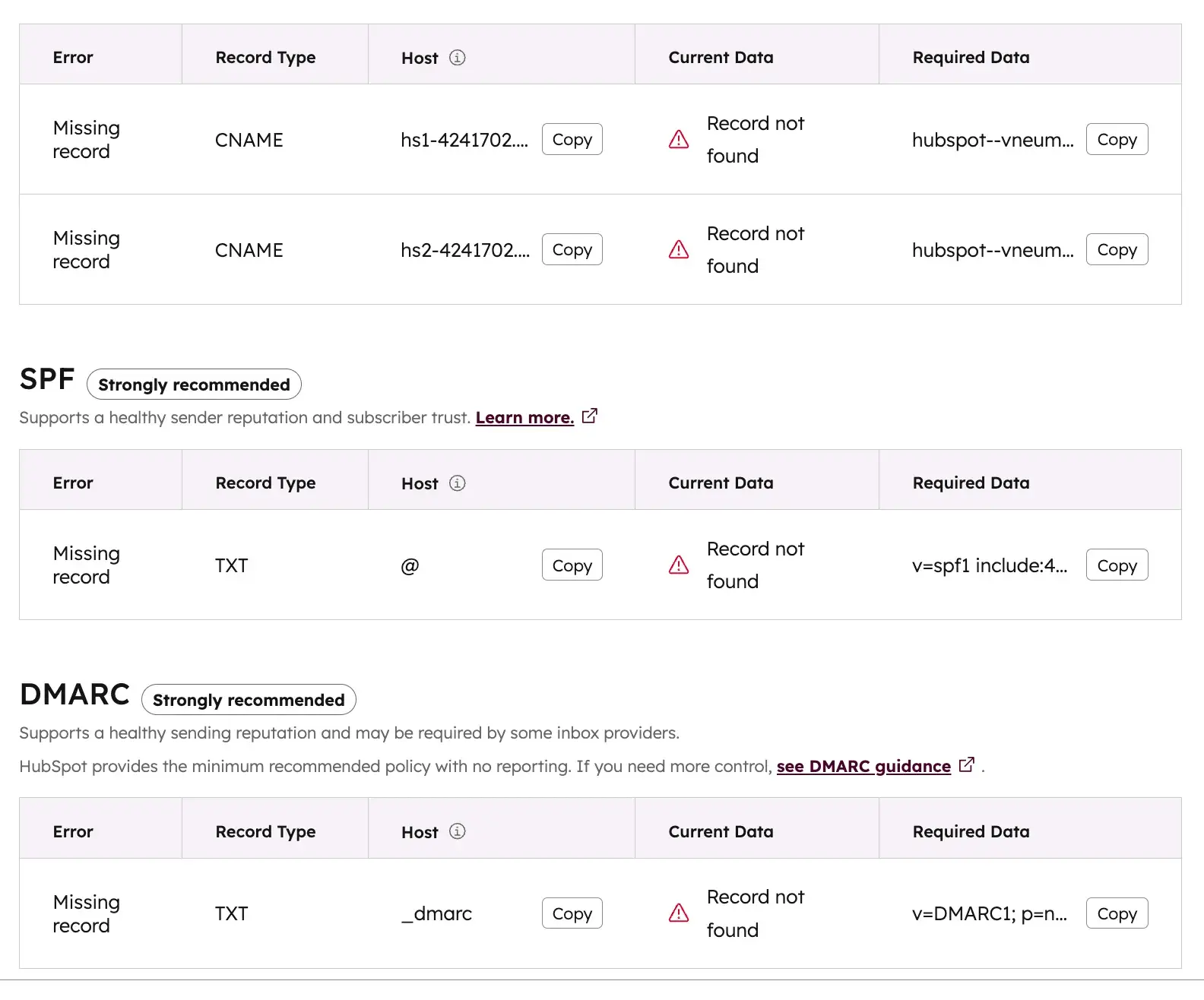
In the modern digital landscape, email marketing has evolved far beyond simple newsletters. For enterprise organizations, email is a mission-critical infrastructure component that spans multiple global teams, diverse brands, and complex regulatory environments. While a basic email tool might suffice for a small business, enterprise-level operations demand a robust platform capable of handling high-volume programs without compromising security, data integrity, or revenue attribution.
When an organization scales, the primary challenge shifts from "how do we send this?" to "how do we manage the complexity surrounding the send?" A weak platform forces marketing teams to manually reconcile data, manage governance, and patch together attribution models. A strong enterprise platform, however, absorbs this friction, allowing marketers to launch faster, trust their data, and definitively prove their impact on the bottom line.

The Pillars of Enterprise Email Architecture
Enterprise-ready software is defined by its ability to support multi-team programs while maintaining rigid control. To distinguish between a high-volume email tool and a true enterprise solution, organizations must evaluate six core capabilities:
1. Governance and Security Controls
At the enterprise level, consent management is not just a checkbox—it is a legal necessity. Platforms must maintain granular records showing exactly when, where, and how a contact subscribed. Failure to track this can result in catastrophic financial and reputational damage. For instance, recent regulatory actions in the UK saw two companies fined £150,000 for distributing 7.5 million unsolicited messages—a situation that could have been avoided with robust consent-tracking software. Enterprise platforms must support regional data hosting, encryption, and automated data retention policies to remain compliant.

2. CRM-Native Revenue Attribution
Email metrics are vanity data if they cannot be tied to revenue. When campaign data exists in a silo, marketing and sales teams are effectively working from two different playbooks. A CRM-native platform ensures that email engagement, lifecycle stages, and deal data live on the same record. This allows teams to map every click directly to won revenue, bridging the gap between "marketing qualified leads" and actual pipeline growth.
3. Orchestrating ABM and Multi-Brand Operations
Account-Based Marketing (ABM) requires a nuanced approach: targeting companies while reaching out to specific stakeholders. Enterprise software must bridge the gap between company-level data and individual engagement. Furthermore, large conglomerates often manage multiple brands under one corporate umbrella. Enterprise solutions, such as HubSpot’s multi-account management, allow leadership to maintain shared reporting and data standards while keeping business accounts, domains, and sender reputations distinct.

4. AI-Driven Workflow Automation
Personalization at scale is impossible without AI. Modern enterprise platforms leverage AI to handle the "heavy lifting"—audience segmentation, CRM data classification, campaign QA, and send-time optimization. By utilizing plain-language prompts to build complex workflows, teams can bypass the technical bottlenecks that historically slowed down large-scale deployments.
5. Deliverability and Infrastructure
Deliverability is the backbone of any email program. With major inbox providers like Yahoo and Google tightening requirements around SPF, DKIM, and DMARC, enterprise platforms must provide sophisticated infrastructure. This includes dedicated IP addresses, automated warm-up sequences, and the ability to separate transactional and marketing streams to protect overall sender reputation.

6. Seamless Data Architecture
An enterprise email platform is only as good as its data sources. It must integrate fluidly with data warehouses, e-commerce stacks, and CRM systems. High-performance platforms like HubSpot utilize advanced data synchronization, allowing teams to configure field mappings and sync directions without the need for custom coding or constant manual intervention.
The Landscape: Top Enterprise Email Marketing Solutions
The market for enterprise email software is competitive, with each player offering unique strengths based on the organization’s primary focus.

1. HubSpot Marketing Hub Enterprise
Best for: B2B enterprises seeking unified revenue data.
Marketing Hub stands out by operating entirely on a "Smart CRM" foundation. This means that every email interaction is automatically tied to deal records and revenue attribution. With robust multi-account management and native AI, it is the premier choice for organizations that want to eliminate the divide between marketing and sales.
2. Salesforce Marketing Cloud Engagement
Best for: Organizations with existing, deep Salesforce architecture.
For companies already embedded in the Salesforce ecosystem, Marketing Cloud offers unparalleled integration. It leverages the Salesforce "Data 360" to trigger highly personalized journeys. However, it requires a high degree of internal technical expertise to manage the complexity of its toolset.

3. Adobe Journey Optimizer
Best for: Global B2C enterprises using the Adobe Experience Platform.
Adobe excels at large-scale, real-time consumer journeys. It provides enterprise-grade content controls, sophisticated frequency capping, and the ability to handle massive volumes across multiple global regions. It is the gold standard for brands where the "customer experience" is the product itself.
4. Braze
Best for: Mobile-first and high-volume consumer brands.
Braze is built for speed and responsiveness. It thrives on live data, allowing brands to trigger emails based on immediate in-app behavior, product interactions, or abandoned carts. Its support for interactive AMP emails makes it a leader in the B2C engagement space.

5. Klaviyo
Best for: E-commerce and retail giants.
Klaviyo is designed to turn purchase data into profit. By focusing on predictive customer lifetime value and deep e-commerce integration, it enables retailers to create hyper-targeted flows that directly impact the bottom line.
Migration and Change Management: A Five-Stage Approach
Migrating from one enterprise platform to another is a high-stakes operation. To mitigate risk, teams should follow a structured, phased approach rather than attempting a "big bang" cutover.

- The Audit: Before migrating, conduct a ruthless audit of existing data. Export only what is necessary; importing years of "junk" data will only increase costs and clutter your new system.
- The CRM Structure: Build the foundation in your new platform—properties, lifecycle stages, and object associations—before a single contact is imported.
- Consent and Suppression: Move your opt-out lists and consent timestamps first. This is a vital protective measure to ensure you do not inadvertently email contacts who have already unsubscribed.
- Infrastructure Warm-up: Authenticate all sending domains. If using a dedicated IP, respect the automated warm-up period (typically 30–40 days) to establish a positive sender reputation with ISPs.
- The Phased Cutover: Start by moving low-risk campaigns. Keep the legacy platform in read-only mode, and only decommission it once you have verified that your attribution reports and deliverability rates are stable in the new environment.
Strategic Implications: Choosing the Right Fit
The decision-making process for enterprise email software should be grounded in reality, not marketing demos. A platform that looks sleek in a presentation may fail when confronted with your specific data architecture or approval workflows.
Summary of Considerations
- Operational Complexity: Are you prepared for the training required for platforms like Salesforce or Adobe?
- Data Residency: Do you have specific compliance needs for data hosting in the EU, Australia, or Canada?
- Integration Needs: Does your chosen platform offer "out-of-the-box" connectivity to your current tech stack, or will you need an army of developers to make it work?
- Revenue Attribution: Does the platform allow you to see the direct impact of an email campaign on a deal, or are you still relying on disconnected proxy metrics?
The Path Forward
For many B2B organizations, the move toward a CRM-native platform is driven by the need for efficiency and defensibility. As marketing budgets face increased scrutiny, the ability to show exactly how an email influenced a high-value contract is no longer optional—it is a competitive requirement.

Whether you choose the ecosystem depth of Salesforce, the consumer-journey prowess of Adobe, or the CRM-unified approach of HubSpot, the success of your enterprise email program will ultimately depend on your ability to treat the platform as a piece of infrastructure rather than a mere messaging tool. By focusing on governance, integration, and revenue-centric reporting, enterprises can transform their email programs from a cost center into a primary engine of business growth.


 Nana Wu
 Suro Senen
 Raul Delapena Setiawan
 Dwi Wanna
 Muslim


 Rifan Muazin