
 Raul Delapena Setiawan
In the current financial landscape, the stock market has become a source of both record-breaking prosperity and profound existential dread. As indices push into unprecedented territory, a familiar cycle of anxiety has taken hold among investors: the fear that the "AI Bubble" is merely a prelude to a catastrophic market correction. This sentiment mirrors the historic trepidations of the early 2000s, yet the underlying reality of the global economy suggests that while market volatility is inevitable, the long-term trajectory of human progress remains tethered to something more stable than stock tickers: productivity.

The Anatomy of an Economic "Bubble"
The current fascination with Artificial Intelligence (AI) has sparked a debate reminiscent of the dot-com era. Critics argue that the mania surrounding generative AI, large language models, and automated infrastructure is "too much, too fast." The concern is that valuations are decoupled from fundamental earnings, setting the stage for a burst that could mirror the early 2000s tech crash.

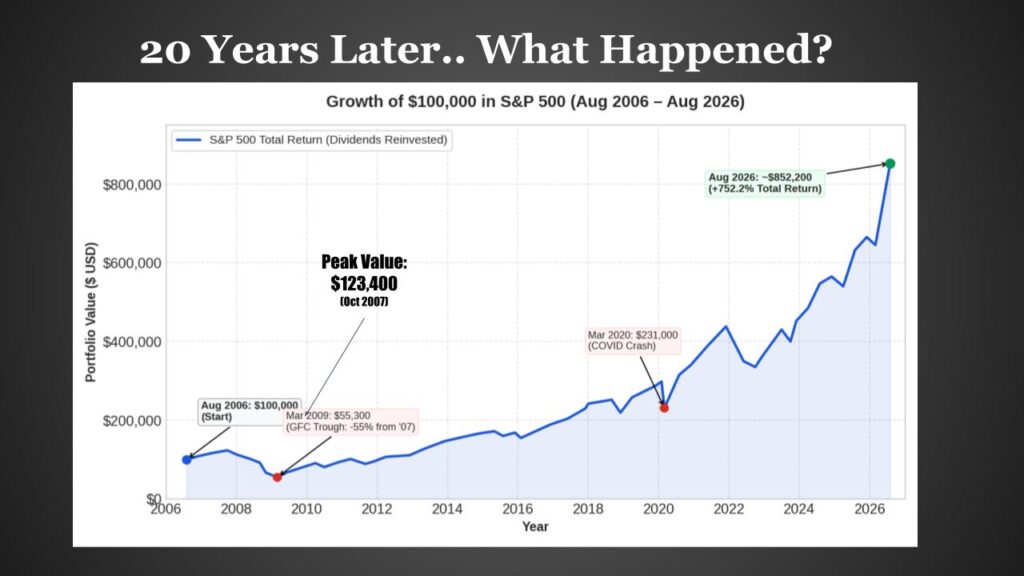
However, historical perspective provides a critical counter-narrative. For those who view these market fluctuations as harbingers of doom, it is worth examining the last twenty years. In 2006, the investor consciousness was dominated by fears of the housing bubble, the outsourcing of jobs to emerging markets, and the specter of "Peak Oil." Despite these anxieties—and the subsequent reality of the 2008 Great Financial Crisis—a long-term investment approach has historically yielded substantial growth. A hypothetical $100,000 investment made at the height of 2006’s anxiety would have, despite several market corrections, ballooned significantly by 2026.

Chronology of Concern: 2006 vs. 2026
To understand why the current fear of the "AI Bubble" feels so acute, one must look at the recurring nature of financial worry.
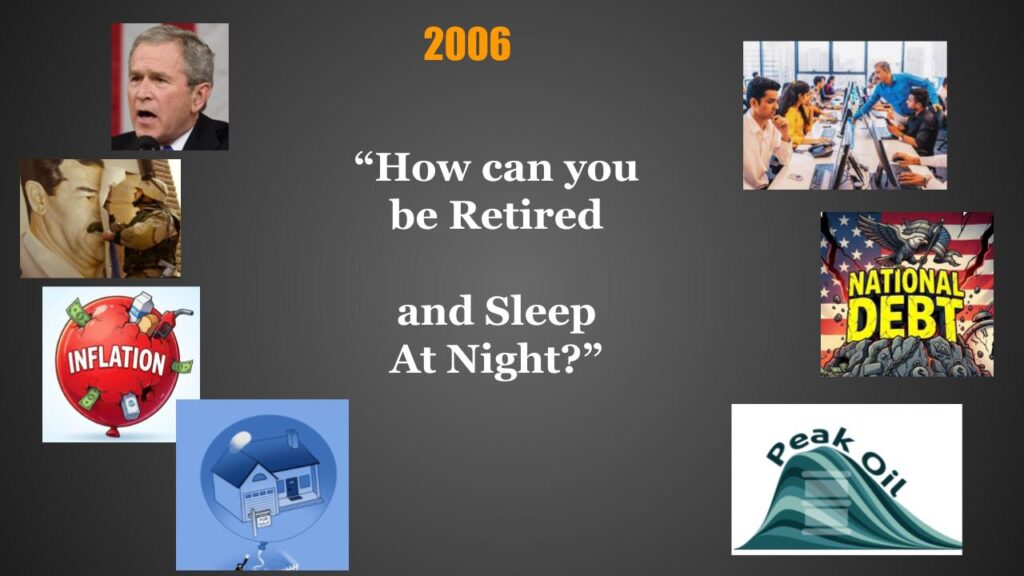
- The 2006 Landscape: Two decades ago, the public discourse was saturated with fear regarding geopolitical instability (Iraq War, Bin Laden), inflation, and the threat of a housing market collapse. Observers feared that the globalization of labor would hollow out the domestic workforce, and that resource scarcity—specifically oil—would limit economic growth.
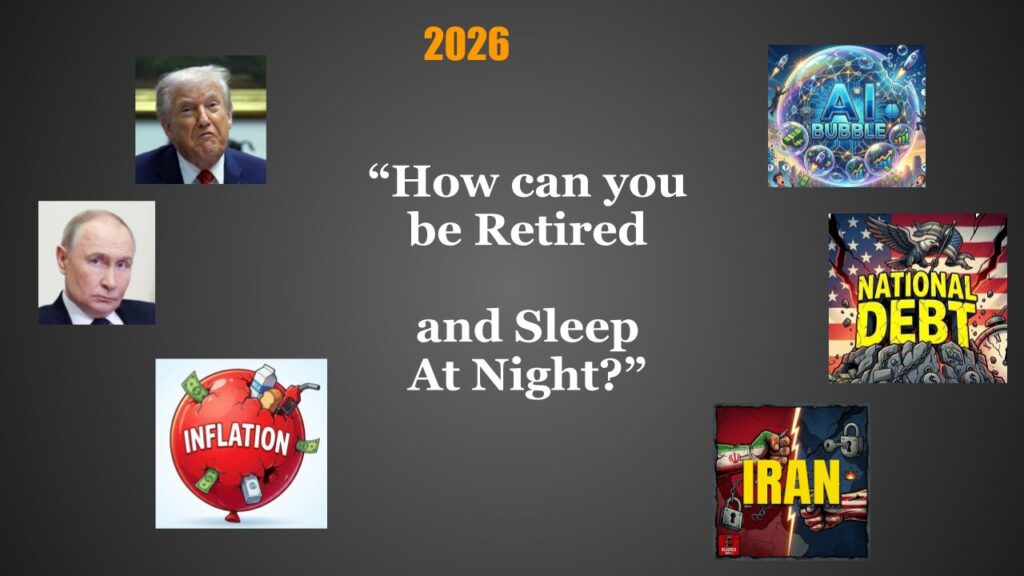
- The 2026 Reality: Today, the anxiety has shifted. The focus has turned to the AI revolution, the US National Debt, and modern geopolitical tensions. Yet, the outcome of the 2006 fears provides a blueprint for today: the "Peak Oil" theory was effectively debunked by technological advancements in energy production, and while the 2008 crash was painful, it did not signal the end of the global economic system.
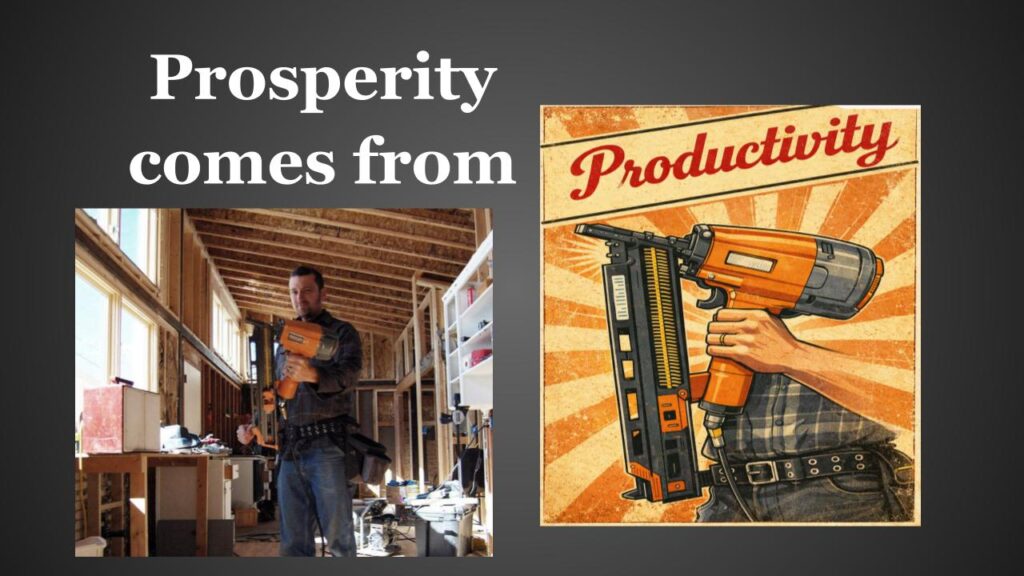
The primary difference today is the nature of the technological disruption. AI is not merely a tool for efficiency; it is a "cognitive nail gun." Much like the internet and the smartphone, it acts as a force multiplier for human labor, creating the potential for massive leaps in output.
Supporting Data: The Global Progress Metric
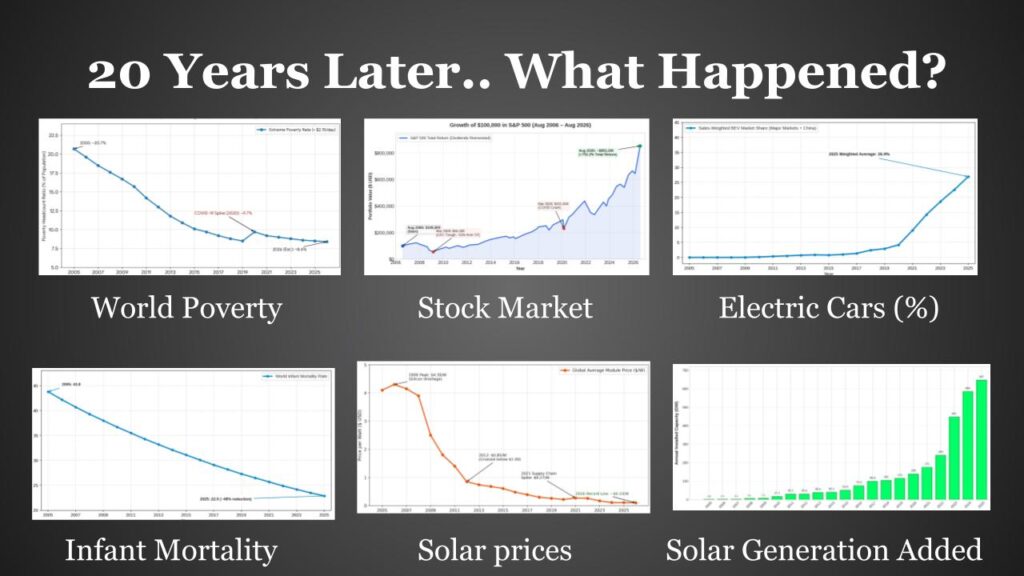
While financial media thrives on narratives of collapse, empirical data tells a different story regarding human advancement. Over the past twenty years, the following indicators suggest that global systems are not failing, but evolving:
- Poverty Reduction: The percentage of the global population living in extreme poverty has dropped from roughly 20% in 2005 to approximately 8% today.
- Health Outcomes: Infant mortality rates have been cut in half globally over the same period, signaling unprecedented improvements in basic healthcare and infrastructure.
- Energy Transition: Solar power generation has become significantly more cost-effective. Recent annual additions of solar capacity have eclipsed the output equivalent of hundreds of traditional nuclear power plants.
- The Shift to Electrification: Pure electric vehicle (EV) sales have moved from negligible market share to roughly 25% of global new car sales, with countries like Norway already approaching 100% saturation.
These figures illustrate that the "economy" is not merely a series of digital numbers on a screen; it is the sum of human productivity and innovation. When systems face shocks, human ingenuity creates "new numbers" and new methodologies to maintain and grow prosperity.
The Psychology of Fear: A Biological Mismatch
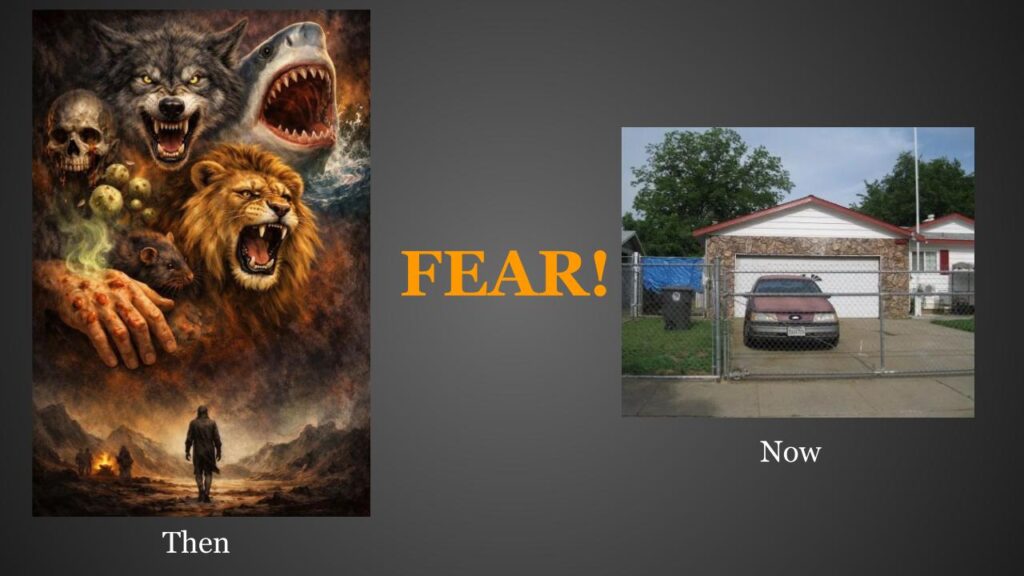
Why do we remain fearful despite overwhelming historical evidence of progress? The answer lies in human evolutionary biology. Humans are essentially "Danger Detection Machines." In our ancestral environments, hyper-vigilance was necessary for survival. In the modern era, that same mechanism persists, but it is now directed toward abstract threats like market volatility, tax policy, or the long-term implications of AI.
This "fear-seeking" behavior leads to a shifting of goalposts. Once basic safety is secured, individuals begin to worry about social standing, then wealth, then estate planning, and eventually, minutiae like Required Minimum Distributions (RMDs). This cycle of anxiety is rarely cured by market performance; it is only addressed through an understanding of one’s own psychology.
Implications for the Modern Investor
The implications of the current AI boom are twofold. First, from an investment standpoint, the concentration of rewards tends to favor those who own the underlying technology. Shareholders in major tech firms are participating in the value generated by AI-driven efficiency. Second, from a labor perspective, the displacement of entry-level office and service roles is a historical certainty. Just as the printing press or the steam engine displaced specific classes of labor, AI will shift the demand for human skills.
The most effective way to navigate this, according to long-term financial planners and proponents of the Financial Independence (FI) movement, is to reframe these challenges as "experiments."
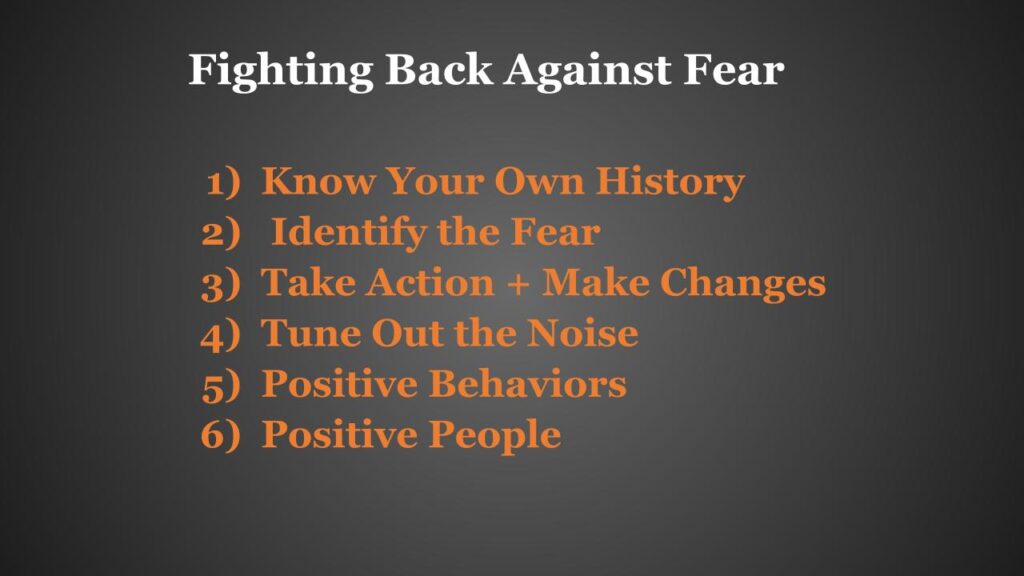
How to Mitigate Financial Anxiety
- Understand Your History: Recognize that personal fears regarding money often stem from childhood environments or past traumas rather than the objective reality of the present market.
- Action Cures Fear: The most effective antidote to anxiety is the transition from passive consumption of news to active, productive behavior. Learning new skills and engaging in physical, outdoor activities helps reset the brain’s "Danger Detection" system.
- Audit Your Information Diet: The daily news cycle is incentivized to report on the most alarming developments of the day. By disconnecting from the constant barrage of negative headlines and focusing on long-term data, investors can maintain the discipline required to stay the course.
- Embrace the "Everything is an Experiment" Mindset: Whether it is career pivots, early retirement, or investing in new technologies, viewing life as a series of experiments reduces the paralyzing fear of failure. It transforms a "crash" from a life-ending event into a data point.
Conclusion: The Horizon Beyond Fear
The AI era is undoubtedly a significant shift in how the world functions. It will bring disruption, market volatility, and wealth redistribution. However, those who fear it often fail to recognize that prosperity is an output of productivity, not a static condition protected by the status quo.

As the adage goes, everything one wants in life lies on the other side of fear. For the modern investor, the challenge is not to avoid the AI bubble, but to recognize it as a technological evolution. By cultivating resilience, focusing on long-term productivity, and managing the biological impulse toward irrational fear, individuals can find stability in an otherwise volatile world. The goal is not to predict the future of the market, but to build a life that is robust enough to thrive regardless of what the charts say tomorrow.


 Jia Lissa
 Nana Muazin
 Nila Kartika Wati

 Basiran
 Sagoh
Sagoh
 Lina Hope