
 Asep Darmawan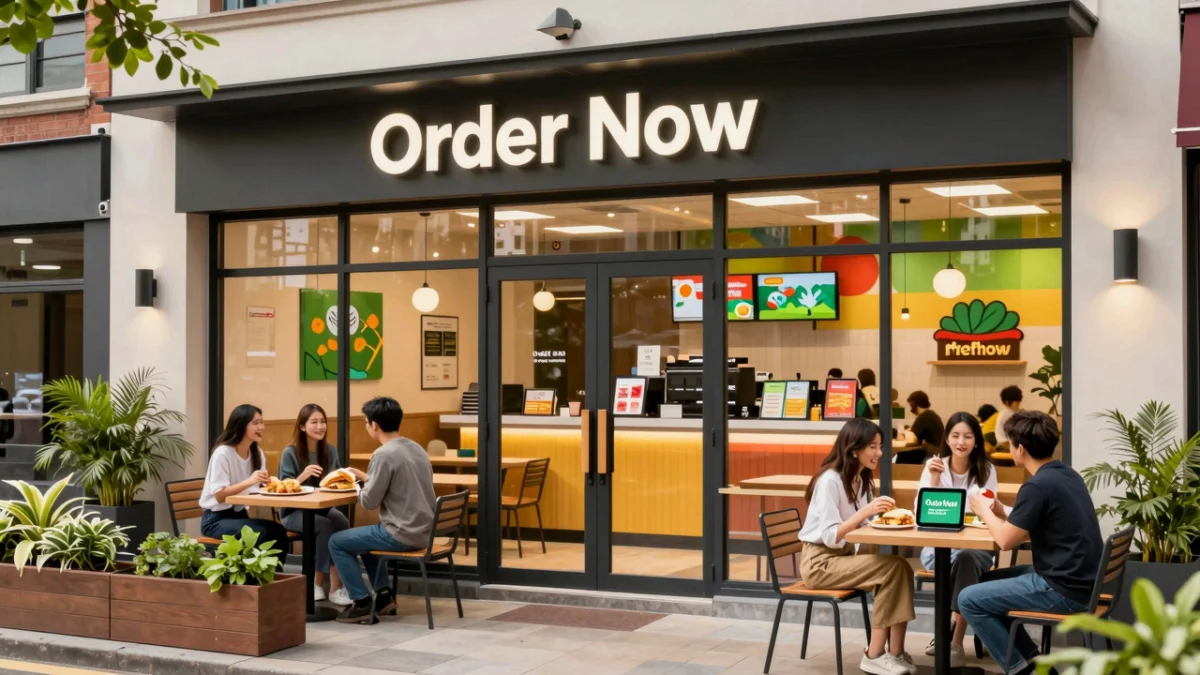
The fast food industry is undergoing a seismic shift. No longer defined solely by traditional quick-service models, the sector is currently being reshaped by technological integration, a pivot toward health-conscious consumption, and a sophisticated approach to global expansion. For investors, the landscape of 2025 offers a unique paradox: while the market is undeniably crowded, the emergence of niche-focused franchises provides a fertile ground for those capable of identifying sustainable growth models.
The State of the Industry: Main Facts and Market Dynamics
As of 2025, the fast food sector has transcended the "one-size-fits-all" approach. Successful franchises are now characterized by high Average Unit Volumes (AUV), diversified menu offerings, and a heavy reliance on data-driven operations.
Data indicates that the most resilient brands are those achieving an AUV of at least $3 million. While lower-margin models once dominated, current market leaders like Chick-fil-A—boasting an AUV of approximately $7.5 million—demonstrate that intense customer engagement and operational discipline are the primary drivers of long-term profitability.

Investors are increasingly moving away from generic fast-food concepts and toward brands that solve specific consumer problems. Whether it is the demand for strictly Halal-certified proteins, as seen with the rapid expansion of Tariq Halal, or the desire for premium, indulgent dessert experiences offered by Heavenly Desserts, the modern consumer is seeking specialization.
A Chronology of Expansion: Key Players and Strategic Moves
The current expansion landscape is marked by both aggressive geographical scaling and innovative brand architecture.
2024–2025: The Era of Strategic Growth
- The Aggressive Scalers: Papa John’s has signaled its intent to saturate underserved markets across the United States, utilizing a hub-and-spoke model to ensure consistency and speed.
- The Global Specialists: Tariq Halal has moved beyond its local roots, with a roadmap to grow from 30 to 100 locations, targeting the European, U.S., and U.A.E. markets. This expansion is a direct response to the underserved demographic of consumers seeking Halal-certified options.
- The Efficiency Innovators: Dine Brands International has pioneered a "dual-branding" strategy. By pairing Applebee’s and IHOP under one roof, they are optimizing labor costs and real estate footprints—a masterclass in operational efficiency.
- The Comeback Stories: Wienerschnitzel, long a staple of American quick-service, is finding new life in international markets, specifically South America. Plans for 15 new locations in Chile and Ecuador signify a broader trend: established domestic brands finding untapped growth in emerging international economies.
Supporting Data: The Metrics of Success
To evaluate the viability of a franchise, investors must look beyond the branding and focus on the cold, hard metrics.

Key Performance Indicators (KPIs)
- Profitability Thresholds: Aiming for an AUV of $3M+ is the industry benchmark for long-term viability, even when initial operational margins appear slim.
- Labor and Efficiency: Brands like Crumbl Cookies have set a new standard by simplifying menu complexity to reduce labor costs, thereby increasing the margin per unit.
- The "Healthy Pivot": Market analysis shows that chains introducing plant-based, sustainable, or health-conscious menu items have reported a 20% average increase in sales. This is not merely a trend; it is a fundamental shift in consumer demand.
- Entry Costs: Financial requirements vary wildly. For instance, The Great Greek Mediterranean Grill requires a minimum cash investment of $300,000, while the unique, highly selective Chick-fil-A model requires only $10,000—though this is offset by a rigorous selection process and a lack of equity in the physical property.
Official Responses and Strategic Perspectives
Industry leaders, when asked about the future of the franchise model, consistently highlight the "Tech-Human Balance."
"Technology is no longer an optional add-on," says an industry analyst familiar with the 2025 report findings. "It is the infrastructure of the business. From AI-driven inventory management to predictive analytics for customer acquisition, if you aren’t integrating these tools, you are effectively operating in the previous decade."
Regarding the "Chick-fil-A Phenomenon," official brand literature emphasizes that their low entry cost is a filter, not a bargain. The brand seeks operators who view the franchise as a full-time commitment rather than a passive investment. This reflects a broader industry move where franchisors are increasingly acting as "business partners" rather than just brand licensors.

Consumer Trends: What Drives the 2025 Diner?
Understanding the Gen Z and Millennial consumer is paramount. These demographics are the primary drivers of current fast-food success, and their habits are distinct:
- Social Proof and Engagement: If a brand cannot be discovered on social media, it effectively does not exist. Digital presence is as critical as food quality.
- Customization: Consumers demand the ability to curate their meals. Fast-casual chains like Panera Bread and Raising Cane’s succeed because they offer a perception of "made-to-order" quality that satisfies the desire for individuality.
- Ethical Consumption: Transparency regarding sourcing and sustainability is no longer just for high-end dining. Fast food franchises that fail to disclose their supply chain practices risk alienation from younger, environmentally conscious consumers.
Implications for Prospective Investors
For the entrepreneur looking to enter the fast-food space, the implications of these trends are clear:
1. Due Diligence is Non-Negotiable
Before signing a franchise agreement, one must evaluate the franchisor’s support structure. Does the brand provide comprehensive training? Do they have a proven track record in technology adoption? Franchises like Poké House, which place heavy emphasis on operational support, generally yield higher success rates for first-time franchisees.

2. The Power of "Dual-Branding"
Investors should watch for opportunities that maximize physical space. The Dine Brands International model of combining complementary concepts suggests that in the future, we will see fewer standalone restaurants and more "concept hubs."
3. Focus on Underserved Niches
The success of Tariq Halal and the expansion of Mediterranean concepts like The Great Greek indicate that mass-market burgers and pizza are reaching saturation. The growth lies in the "specialty" sector. Whether it is Korean street food (Bunsik) or specialized protein offerings, there is significant whitespace for those who can execute well.
4. Financial Preparedness
Beyond the initial franchise fee, investors must prepare for the "hidden costs" of modern operations: the need for digital infrastructure, increased labor competition, and the rising cost of high-quality, sustainable ingredients. A robust capital reserve is essential to bridge the gap between opening day and reaching the necessary AUV.

Conclusion: The Path Forward
The fast food landscape of 2025 is not for the faint of heart. It is a sector defined by rapid innovation, high-tech integration, and a sophisticated, health-aware consumer base. The brands that are thriving—from Dave’s Hot Chicken’s rapid growth to the global aspirations of Heavenly Desserts—are those that have managed to marry scale with specific, high-demand niches.
As you evaluate your investment strategy, look for brands that prioritize operational efficiency, embrace digital transformation, and clearly understand their unique selling proposition in a crowded market. By balancing these factors with a realistic assessment of capital and a commitment to rigorous, hands-on management, investors can successfully navigate the complexities of the modern franchise landscape and build a sustainable, profitable future. The key to 2025 is not just feeding the masses—it is feeding them exactly what they want, exactly when they want it, and doing so with the efficiency of a high-tech machine.


 Nila Kartika Wati
 Neng Nana
 Jia Lissa
 Basiran
 Sagoh
Sagoh

 Lina Hope