
 Pevita Pearce
Last Updated: August 20, 2026
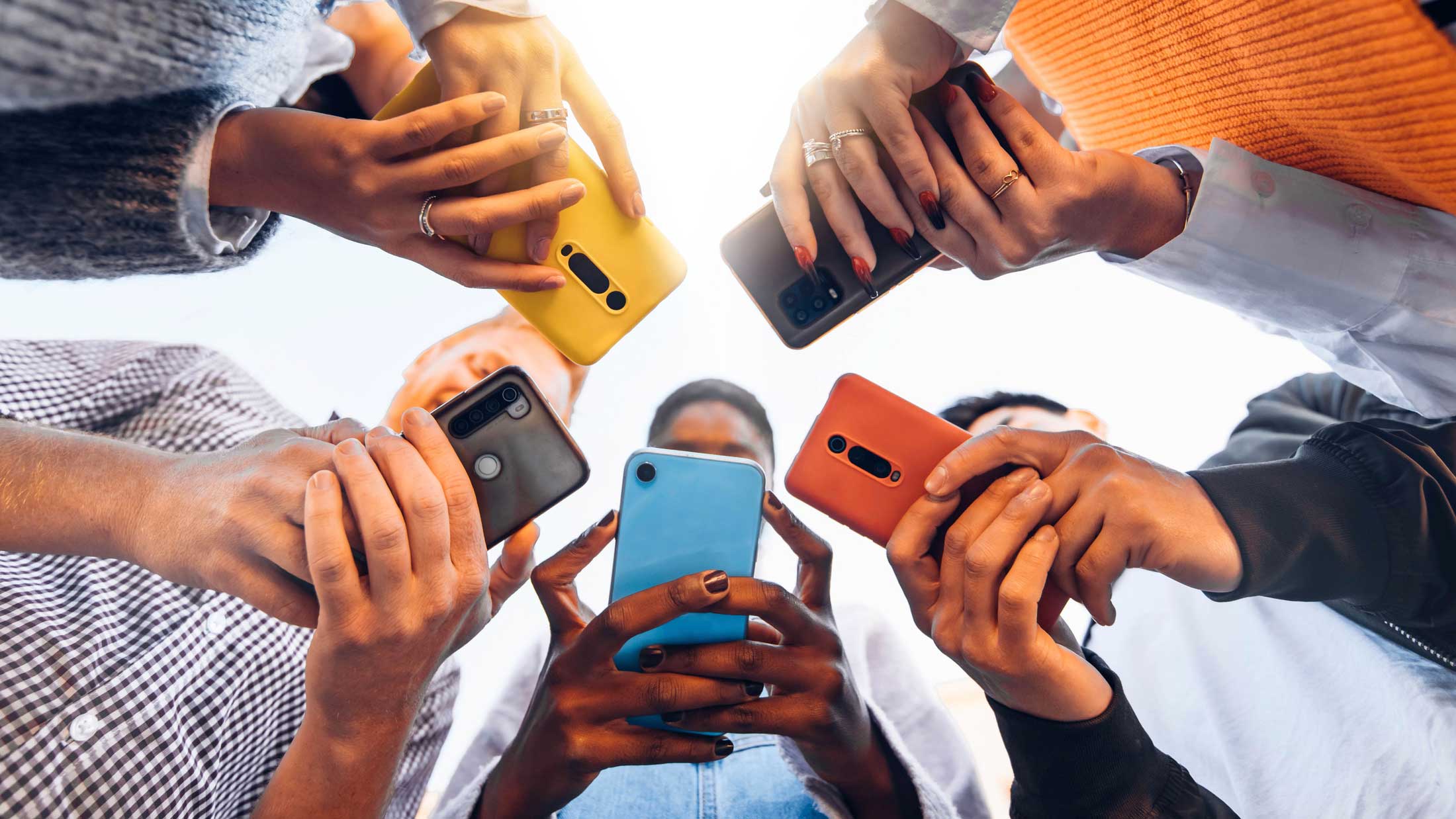
The digital landscape has undergone a seismic shift over the past 18 months. From the rise of AI-driven creative tools to the emergence of niche event-based applications and the radical restructuring of legacy platforms, the social media ecosystem is currently in a state of rapid transformation. For creators, advertisers, and businesses, keeping pace with these updates is no longer just a matter of convenience—it is essential for survival.
This report synthesizes the most significant updates from the major platforms, ranging from early 2025 to August 2026, offering a detailed analysis of the trends defining our current digital age.
1. The Monetization Renaissance: Instagram and Meta’s Strategic Shifts
The primary trend characterizing 2026 is the direct incentivization of content. Meta has significantly pivoted to reward high-performing creators, moving away from simple engagement metrics toward tangible financial rewards.
Performance-Based Rewards
Instagram has launched a series of invitation-only seasonal bonuses for creators in the United States and South Korea. These bonuses are bifurcated, targeting specific formats: one stream for Reels and another for traditional posts (carousels and single images). This shift suggests a desire by the platform to re-balance the weight between ephemeral video content and traditional static photography.
Furthermore, the introduction of the "Breakthrough Bonus" program allows new users on Facebook and Instagram to monetize their reach through Facebook’s Content Monetization program, effectively lowering the barrier to entry for emerging influencers.
Meta One and Subscription Incentives
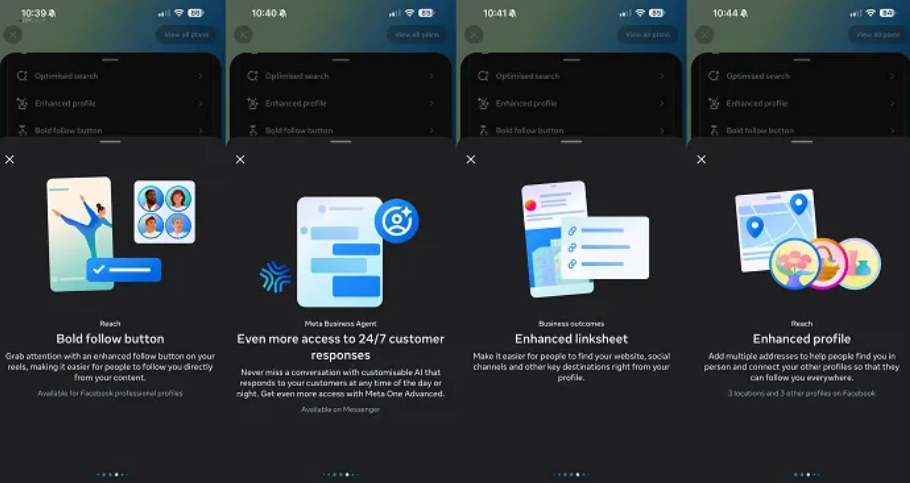
For the professional tier, Meta has bolstered its "Meta One" subscription. Paying users now receive upgraded profile listings and access to AI-powered response tools within Messenger. On the consumer-facing side, Facebook Professional Profiles now feature a bolder "Follow" button on Reels, a calculated design change intended to accelerate audience building.
2. The AI Creative Revolution: TikTok and Beyond
If 2025 was the year of generative AI, 2026 is the year of scaling those models for professional advertising.

TikTok Symphony and Dreamina Seedance 2.5
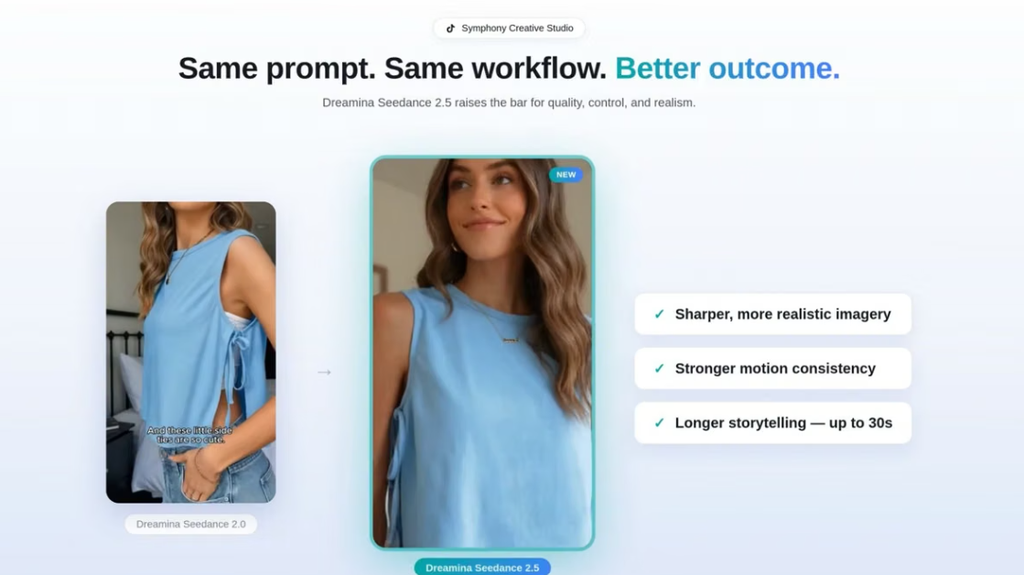
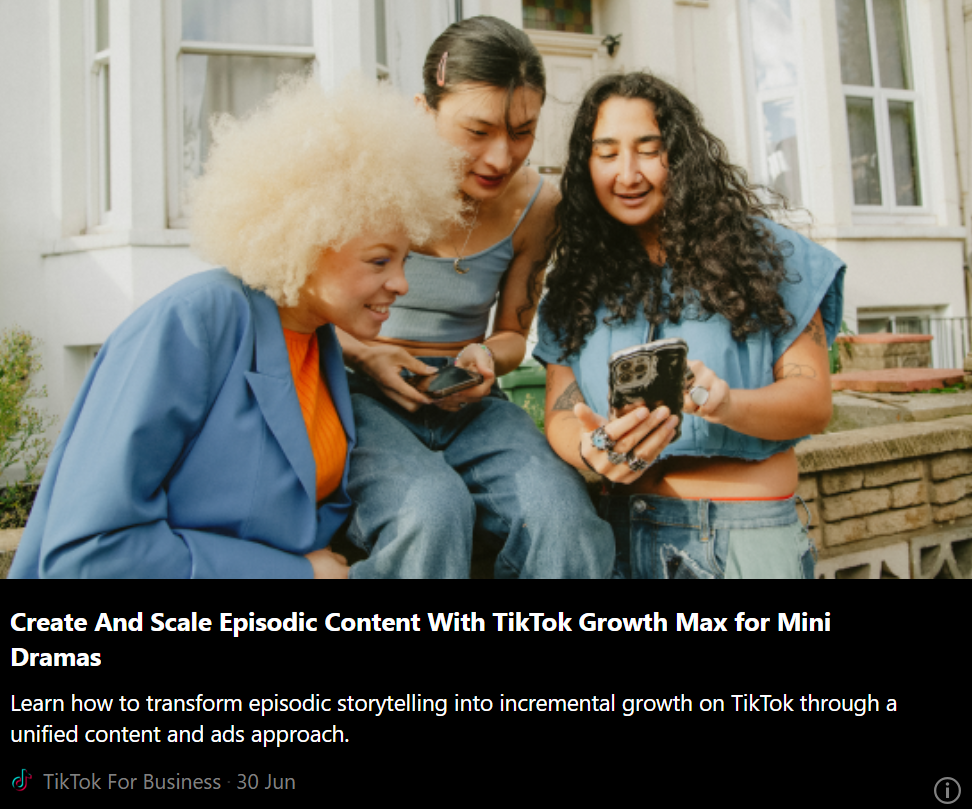
TikTok’s Symphony suite has seen a significant upgrade with the integration of the Dreamina Seedance 2.5 model. Advertisers now possess the capacity to generate up to 30 seconds of video content—doubling the previous 15-second threshold. Moreover, the ability to upload up to 50 multi-modal references (a substantial jump from the previous limit of nine) provides brands with unprecedented creative control.
LinkedIn’s Campaign Manager AI
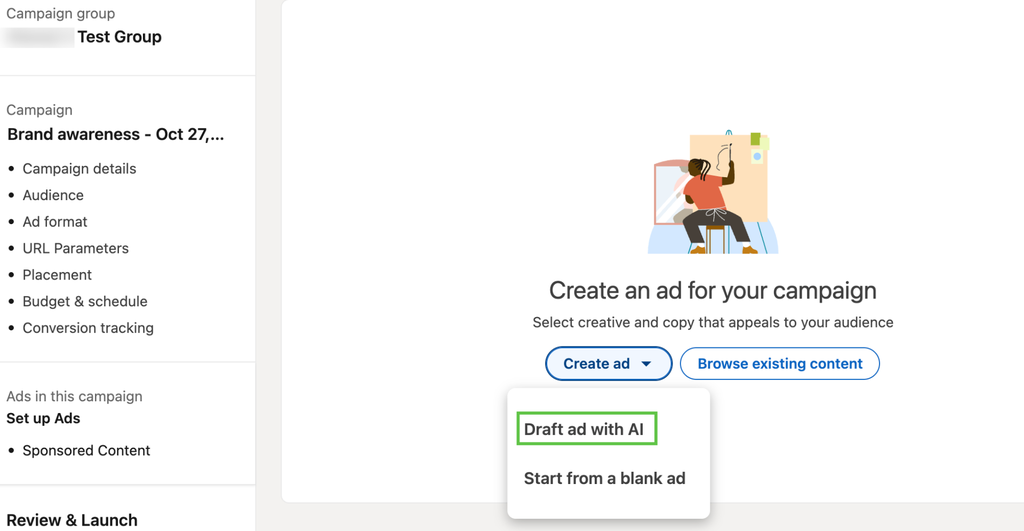
LinkedIn has simultaneously addressed the creative bottleneck for B2B marketers. By introducing "Brand Kit," "Draft with AI," and "Ads Personalization," the platform has enabled lean teams to generate multiple variants of a single campaign. Data provided by LinkedIn suggests that campaigns utilizing five or more variants see a 20% increase in click-through rates, validating the move toward AI-assisted A/B testing.
3. The Return to Human Connection: Niche Apps and Community Features
Despite the encroachment of AI, several platforms are doubling down on human-centric, chronological, and community-focused experiences.
The MySpace Tease and the "Anti-Algorithm" Movement
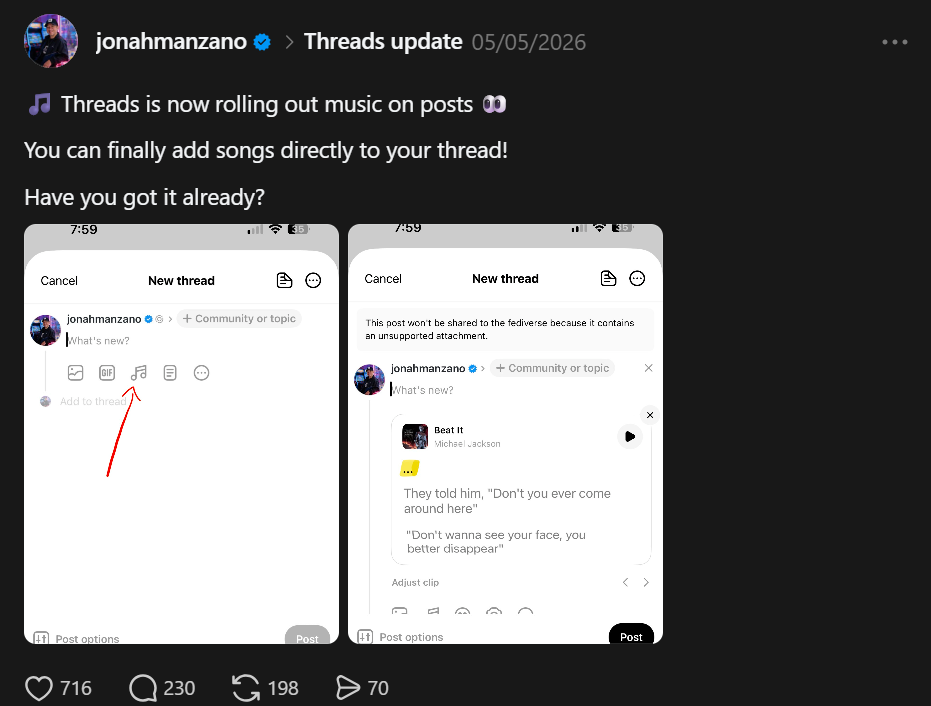
Perhaps the most surprising development of mid-2026 is the confirmed interest of MySpace owners in a platform relaunch. Tim and Chris Vanderhook have teased a return to the "Top 8" model, chronological feeds, and profile music. While the market is currently dominated by entrenched giants like Instagram and TikTok, the owners are betting on a growing user fatigue toward algorithmic curation.
TikTok Pro and Event-Based Apps
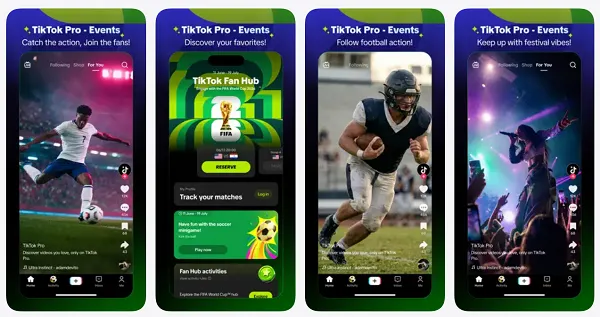
TikTok has experimented with "TikTok Pro," a standalone app designed for cultural unity. The FIFA World Cup served as the pilot for this, allowing users to earn stars and merchandise through daily challenges. This represents a strategic shift from the "infinite scroll" of the main app to a "moment-based" interaction model.
LinkedIn’s Comment Surfacing
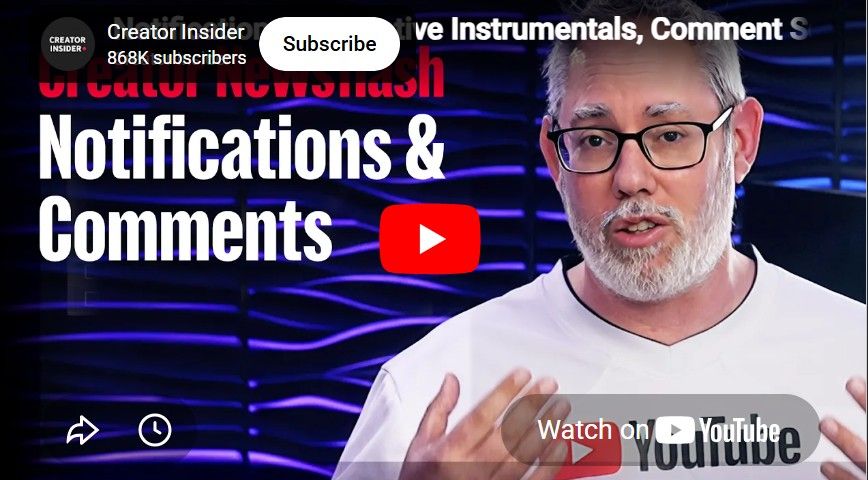
LinkedIn has updated its feed to prioritize relevance in comments, citing an 18% year-over-year increase in time spent in comment sections. By surfacing relevant discussions directly in the feed, LinkedIn is attempting to turn its platform into a town square for professional discourse rather than a static resume site.
4. Chronology of Major Platform Updates (2025–2026)
To understand the current state of the industry, we must look at the timeline of key feature rollouts that have defined the past eighteen months:
- January 2025: LinkedIn introduces vertical video formats; Threads launches a post scheduler; TikTok faces a potential U.S. ban with a divestiture deadline.
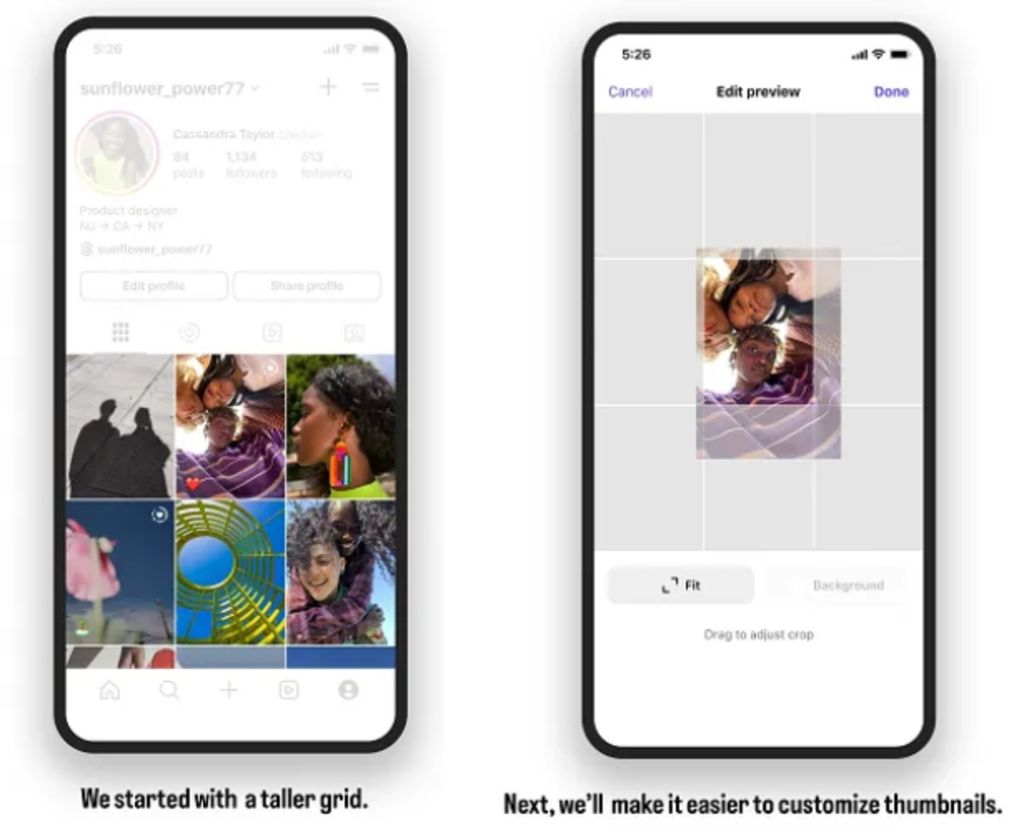
- February 2025: Meta announces "Edits," a standalone video creation app; Instagram updates profile grids to vertical thumbnails.
- March 2025: Facebook introduces a "Friends" tab to strip away algorithmic content; LinkedIn expands newsletter analytics.
- April 2025: Meta launches a standalone app for its AI assistant; Instagram experiments with password-protected Reels.
- May 2025: X launches XChat beta; Grok AI introduces visual recognition.
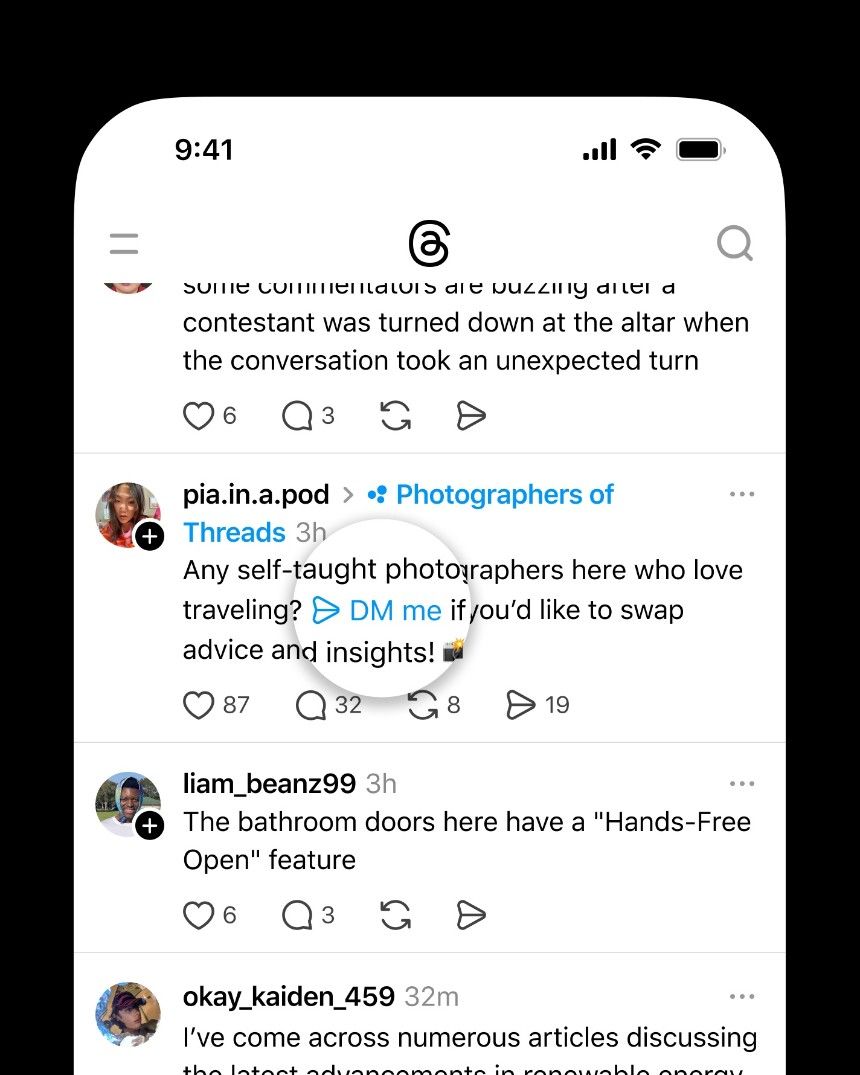
- June 2025: Facebook begins rebranding all video content as "Reels"; Threads launches native DMs.
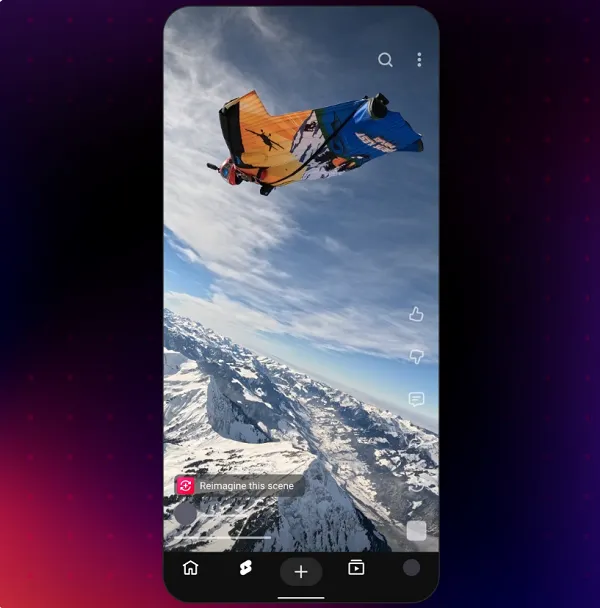
- July 2025: Instagram introduces "Reposts"; YouTube rolls out image-to-video AI features.
- August 2025: Instagram adds retention charts for Reels.
- October 2025: Sora (OpenAI) enters the app store; Pinterest adds AI content filters.
- November 2025: YouTube introduces likeness detection tools; X implements parody account labels.
- December 2025: X rolls out "About This Account" transparency panels; Vine (diVine) returns to the App Store.
- January 2026: Instagram expands Story sharing; YouTube revives private messaging.
- May 2026: TikTok launches "Nearby Feed" in Europe.
- August 2026: Meta rolls out seasonal bonuses for Reels and posts in South Korea and the U.S.
5. Official Responses and Industry Implications
Privacy and Algorithmic Control
A recurring theme across these updates is the struggle for user control. Instagram’s expansion of "Your Algorithm" controls and the introduction of "Private Likes" on Threads demonstrate a response to public pressure regarding privacy and digital wellbeing. Users are no longer content to be passive recipients of content; they are demanding the ability to curate their digital environments.
The Economic Impact of Platform Bans
The potential U.S. ban of TikTok, which dominated headlines in late 2024 and early 2025, served as a catalyst for other platforms to mimic TikTok’s features. The industry-wide adoption of vertical video, short-form creative tools, and ephemeral content suggests that even if one platform faces regulatory headwinds, the "TikTok model" has become the standard for the entire social media sector.
Monetization as a Retention Strategy
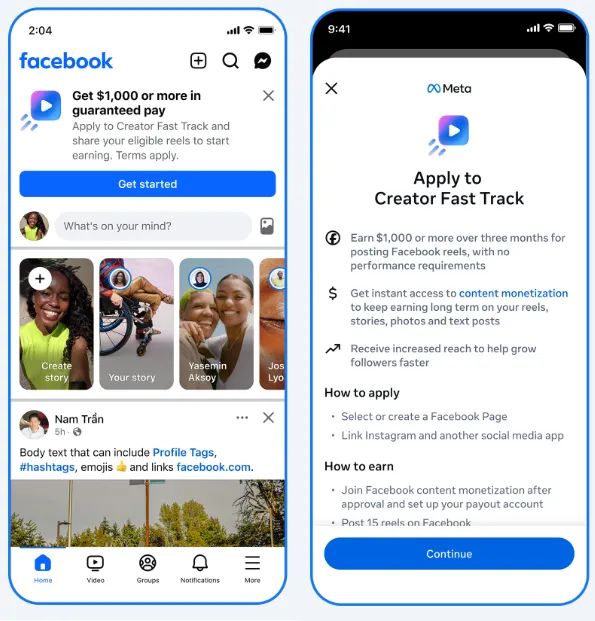
The shift toward creator-focused monetization—as seen in the "Creator Fast Track" program—highlights a pivot in platform strategy. Meta and TikTok are now competing for creator loyalty by offering guaranteed payouts. This is a departure from the "ad-revenue share" model of the early 2020s, signaling a move toward a more predictable, salary-like income structure for top-tier creators.
6. Future Outlook: What to Expect in Late 2026 and Beyond
As we move toward the end of 2026, three key areas will likely dominate the conversation:
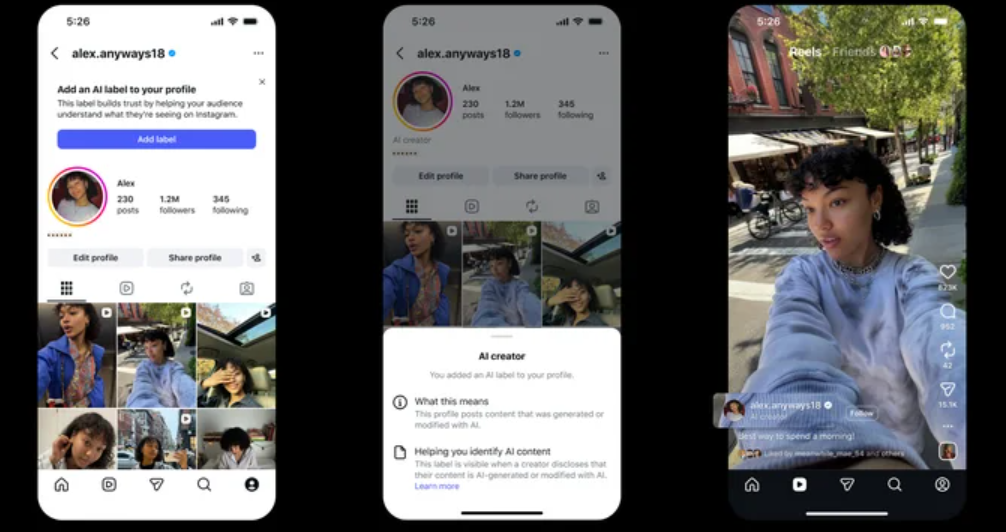
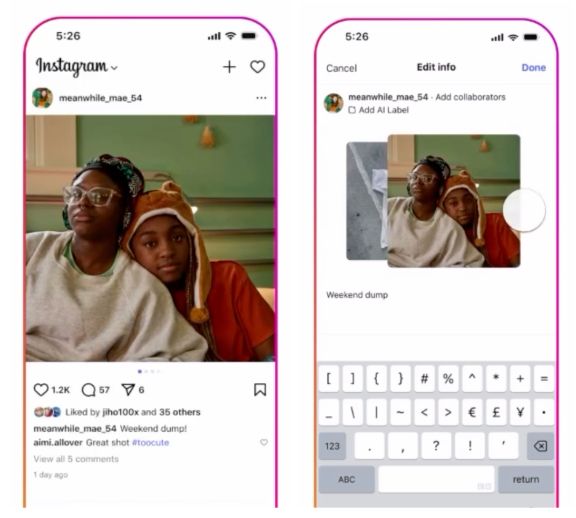
- AI Transparency: With Pinterest and TikTok implementing watermarking and AI filters, the industry is moving toward a standard of "AI provenance." Future updates will almost certainly focus on distinguishing human-made content from synthetic output.
- Messaging Convergence: With Threads launching native DMs, YouTube reviving private messaging, and X pushing XChat, the social web is becoming increasingly conversational. The goal is to keep users within the app for social interactions, effectively ending the reliance on third-party messaging apps for inter-platform communication.
- The "Local" Pivot: With TikTok’s "Nearby Feed" and Instagram’s "Map," the next frontier is hyper-local discovery. Platforms are attempting to bridge the gap between digital content and the physical world, positioning themselves as the new search engines for local businesses and events.
In conclusion, the social media landscape of 2026 is one defined by fragmentation and specialization. Users are increasingly moving away from "one-size-fits-all" platforms, opting instead for tools that offer specific utilities—whether that be for professional networking, creative expression, or local discovery. For businesses, the message is clear: diversify your presence, embrace AI-assisted workflows, and prepare for a future where content is measured not just by clicks, but by its ability to foster genuine, monetizable community.

 Reynand Wu
 Iffa Jayyana
 Raul Delapena Setiawan
 Sagoh
Sagoh
 Azzam Bilal Chamdy
 Ali Ikhwan