
 Muslim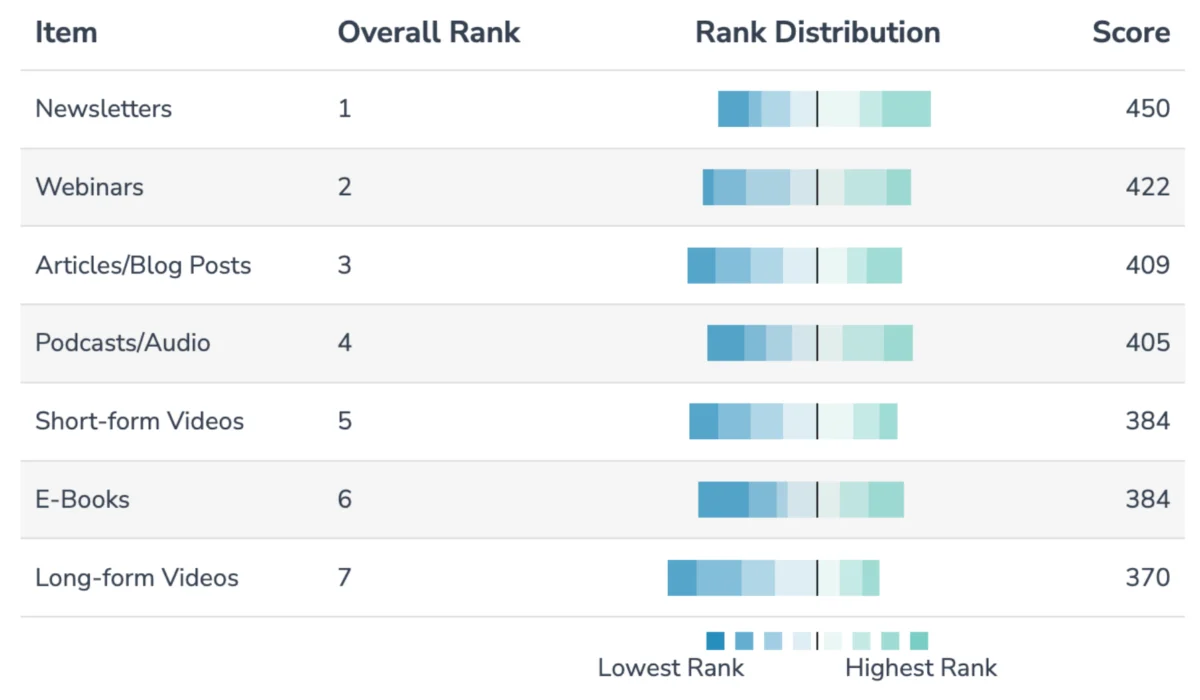
In the modern digital ecosystem, marketing leaders are not suffering from a lack of information; they are suffering from a surplus of it. Every day, the average executive’s inbox and social media feeds are inundated with a relentless torrent of reports, white papers, podcast episodes, and "must-read" industry think pieces. This flood of content, while well-intentioned, has created a paradox of choice that leaves decision-makers feeling informed but paralyzed, overwhelmed by the sheer volume of noise they must sift through to find a single signal of truth.
The consensus among industry strategists is clear: the era of the "content firehose" is over. What today’s marketing leaders need isn’t more content—it is better filters.
This realization has sparked a significant shift in brand communication strategies. As the digital landscape matures, newsletters are experiencing a massive renaissance. No longer just a vehicle for company updates or link-heavy promotional blasts, the newsletter has evolved into a high-value, curated "debrief" that respects the reader’s time by delivering strategic insights directly to their inbox.
The Data-Driven Shift: Why Newsletters Win
To understand this pivot, one must look at the data. Convince & Convert (C&C), a prominent strategic consulting firm, recently conducted its annual audience research survey to determine exactly how marketing leaders prefer to consume industry trends.
The findings were definitive: Newsletters are the preferred medium for marketing professionals, outpacing short-form video, webinars, blogs, and podcasts. When asked to rank seven different content formats, respondents favored newsletters almost twice as often as any other medium for staying informed.
This preference is not accidental. It is a reaction to the cognitive load required to keep up with a rapidly changing industry. A well-curated newsletter does the heavy lifting for the reader. It doesn’t just report on what happened; it explains what it means and why it matters to the reader’s specific business context. By synthesizing complex information into actionable takeaways, brands can provide immense value without demanding that their audience navigate a maze of click-throughs.
The Evolution of "The Trendline": A Case Study
The strategic shift at Convince & Convert serves as a blueprint for this industry-wide transformation. After years of running their legacy newsletter, ON, the team recognized that their old model—a list-based approach that prioritized content format over strategic synthesis—was failing to meet the modern reader’s needs.

The decision was made to retire ON and launch The Trendline. This was not a superficial rebrand; it was a fundamental overhaul of their email marketing philosophy. The objective was to create a resource that helps marketing leaders cut through the noise and think more strategically, all without requiring them to leave the email interface.
The Problem with Traditional Newsletters
For years, the industry standard for newsletters has been the "roundup" of links. While this format once served a purpose, it has become a liability in an age where the quality bar for content continues to rise.
- The Click-Through Trap: Forcing readers to click through multiple links to find the "meat" of the story creates friction. If the value isn’t delivered upfront, readers lose interest—and eventually, the brand loses authority.
- The Content Density Dilemma: Providing more content is no longer a competitive advantage. Today’s leaders need less content, but that content must be more potent, more relevant, and more actionable.
- The Lack of Synthesis: A list of links is data; a curated analysis is intelligence. Brands that continue to provide only the former are failing to act as the "filters" their audience so desperately needs.
A New Framework for Engagement
In building The Trendline, the team identified four key improvements to shift the newsletter from a simple distribution channel to a strategic resource. These pillars offer a roadmap for any brand looking to refine its own email strategy:
- The Debrief Lens: Every story is filtered through a strategic lens. Instead of asking, "What is the latest news?" the team asks, "Why does this matter to a CMO, and what questions should they be asking their team?"
- Upfront Value: By prioritizing the summary and the insight over the link, the brand provides immediate utility. The reader feels smarter within seconds of opening the email, regardless of whether they choose to click through for further reading.
- Thematic Hierarchy: Instead of organizing content by medium (e.g., "Our Podcast," "Our Blog"), the content is organized by theme and importance. This ensures that the most critical strategic shifts are highlighted immediately.
- Interactive Feedback Loops: By integrating engagement tools like "Sound Off" polls, the team generates unique, ownable data points that offer more clarity than traditional, often misleading, vanity metrics like "open rates."
The Human Element: Empathy in Communication
The most successful content strategies are rooted in a deep understanding of the audience’s pain points. When speaking to senior decision-makers, it is vital to recognize that they are not looking for 20 charts or a 10-page document. They need high-level, synthesis-heavy information that helps their teams solve problems.
As noted by industry experts, when presenting to a C-suite executive, the primary goal is not to demonstrate the complexity of the research, but to facilitate a decision. This same "client-first" mindset must be applied to email marketing. If your newsletter is designed to satisfy the internal marketing team’s desire to "showcase" their work, you have already lost the audience. If, however, it is designed to solve the audience’s problem, you have built a foundation of trust.
The Implications for Future Content Strategy
This shift toward curation and brevity has profound implications for the future of digital marketing. We are entering an era where "owned media"—channels that a brand controls directly, such as email lists—will be more valuable than the increasingly volatile and algorithm-dependent social media platforms.
1. The Rise of the "Newsletter-First" Strategy
Brands that prioritize their email lists are essentially building a moat around their audience. By providing a consistent, high-quality, and curated stream of value, these brands become a daily habit for their target demographic.

2. The Death of Generic Content
If a piece of content can be found anywhere else, it is becoming less valuable. The future belongs to brands that offer a unique perspective, a specific "lens," or a proprietary synthesis of market trends. Generic summaries are being replaced by high-level expert commentary.
3. Metric Evolution
Engagement is moving beyond the click. In the new landscape, success is measured by the quality of the conversation, the frequency of replies, the participation in polls, and the overall trust index. Brands must shift their focus from volume-based metrics to value-based metrics.
Final Lessons for Marketing Leaders
As we look toward the future of email marketing, the path forward is clear. The goal is no longer to be the loudest voice in the inbox, but the most useful.
For those looking to evolve their own strategies, the takeaway is simple: Start with research. Before you send another blast, ask your audience what they need to succeed and where their current sources of information are failing them. Then, design your newsletter to bridge that gap.
Whether it is through a shift in tone, a more rigorous editorial process, or a move toward in-email synthesis, the objective remains the same: to deliver value that helps your audience learn, think, and solve problems. In an era of infinite content, being the brand that helps its audience find the signal in the noise is the ultimate competitive advantage.


 Reynand Wu
 Iffa Jayyana
 Raul Delapena Setiawan

 Sagoh
Sagoh

 Azzam Bilal Chamdy
 Ali Ikhwan