
 Lina Irawan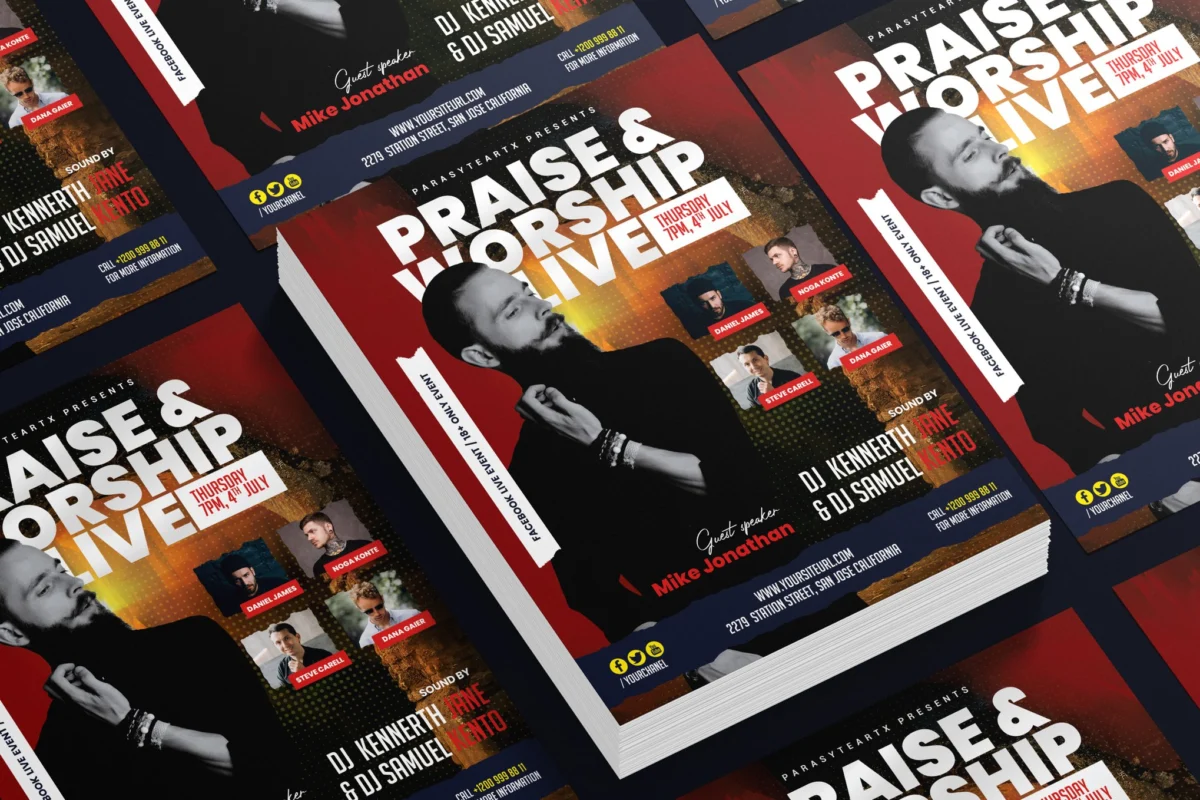
In the modern era of ministry, the challenge of reaching a congregation extends far beyond the pulpit. Whether promoting a Sunday service, a youth retreat, a charity drive, or an annual conference, the visual language of a church speaks volumes before a single word is read. High-quality, professional design acts as a digital and physical handshake, inviting members and newcomers alike into the community. As churches strive to remain relevant and welcoming, the use of professional, customizable flyer templates has become an essential tool in their communication arsenal.
This guide explores the intersection of faith and design, examining how curated templates can streamline outreach efforts while maintaining a warm, uplifting, and organized aesthetic.
The Strategic Importance of Visual Communication in Ministry
For many community members, a flyer is the first point of contact with a church. A design that feels cluttered, outdated, or unprofessional can inadvertently signal a lack of organization or a disconnect from the modern world. Conversely, designs that utilize clean typography, serene imagery, and a thoughtful color palette communicate stability, warmth, and accessibility.
The primary goal of a church flyer is to bridge the gap between an internal event and the external community. When a design is visually engaging, it does more than just relay the "who, what, and where"; it sets an emotional tone. It suggests that the event is a significant, well-planned occasion that the reader is genuinely invited to attend.
The Role of Modern Templates
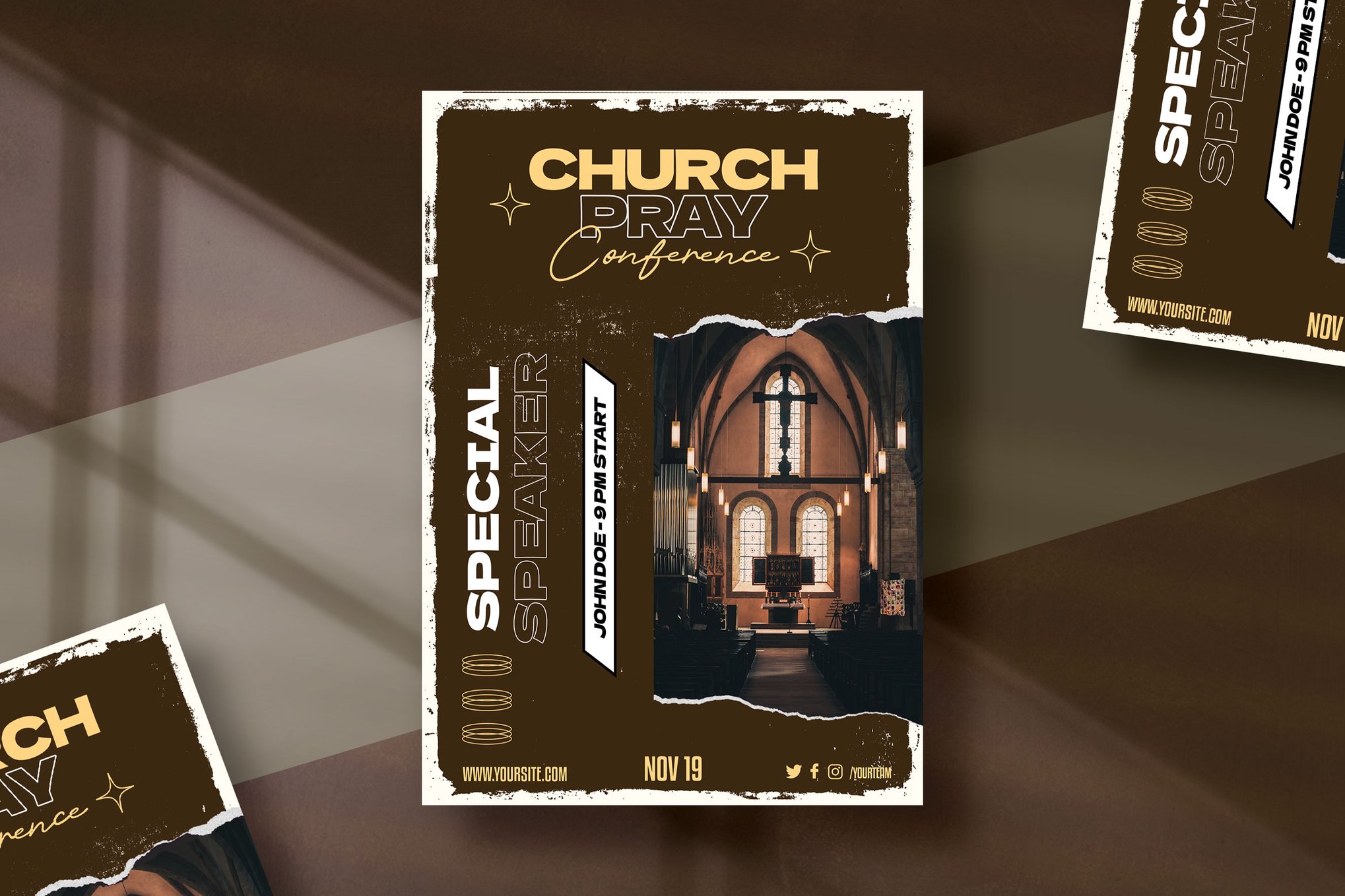
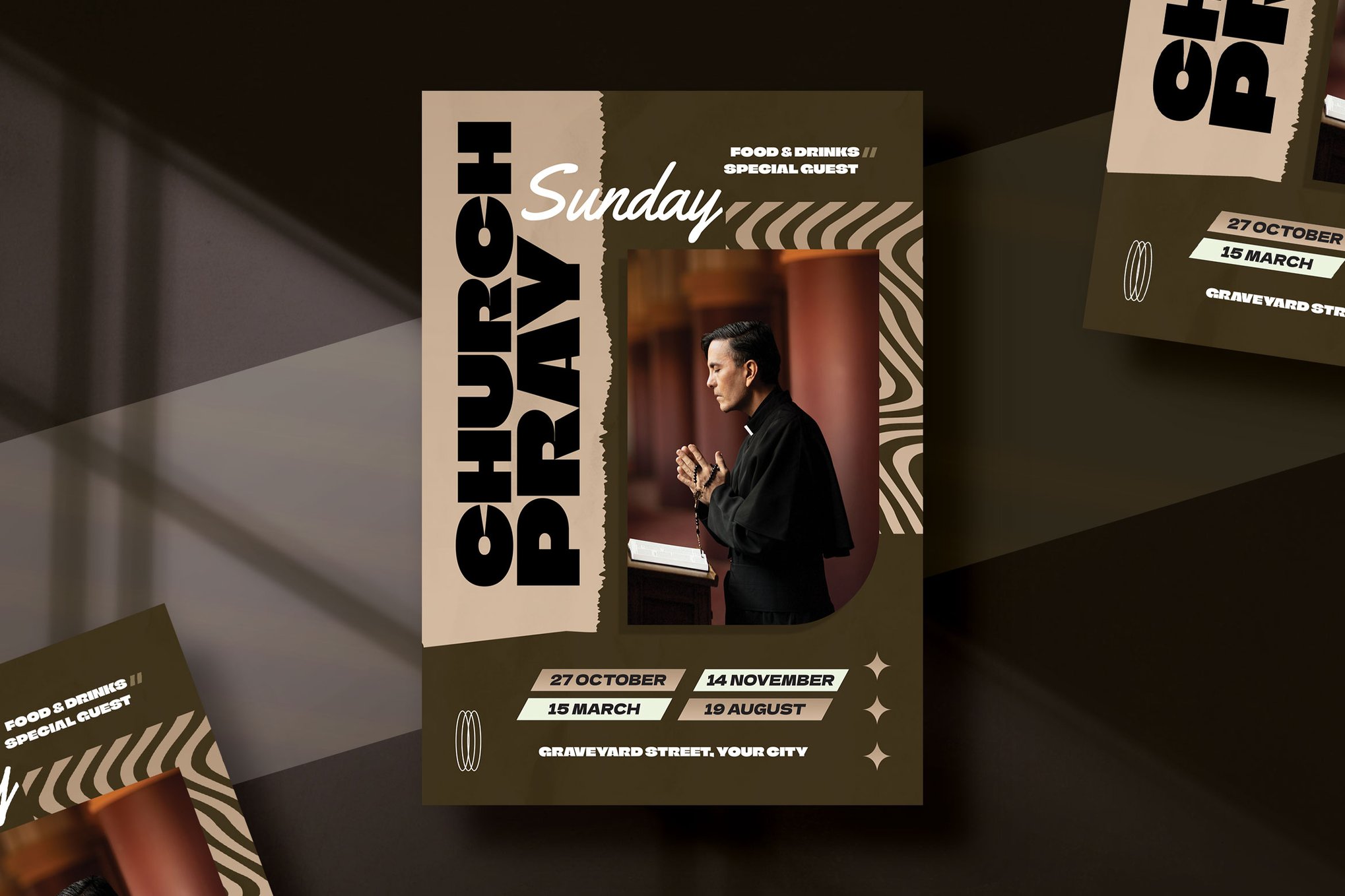
The rise of Adobe Photoshop-based templates and high-resolution design assets has democratized professional graphic design. Churches no longer need a dedicated in-house designer to produce high-impact visuals. By leveraging templates that feature well-organized layers, scalable elements, and professional-grade typography, church administrators can produce content that stands out on bulletin boards and social media feeds alike.
Chronology of Evolution: From Paper Bulletins to Digital Collateral
The evolution of church promotion has been marked by a shift from simple, text-heavy handouts to sophisticated, multi-channel marketing campaigns.
- The Early Decades: Historically, church announcements were confined to the back of a paper bulletin. These were primarily informational, serving those who were already in attendance.
- The Print Revolution: As graphic software became more accessible in the late 90s and early 2000s, churches began to adopt more creative layouts. This era saw the introduction of clip art and early digital printers, allowing for the first wave of customized event flyers.
- The Digital Integration Phase: With the advent of social media, the scope of the "flyer" changed. It was no longer just for a wall; it was for an Instagram feed, a Facebook story, or a WhatsApp group.
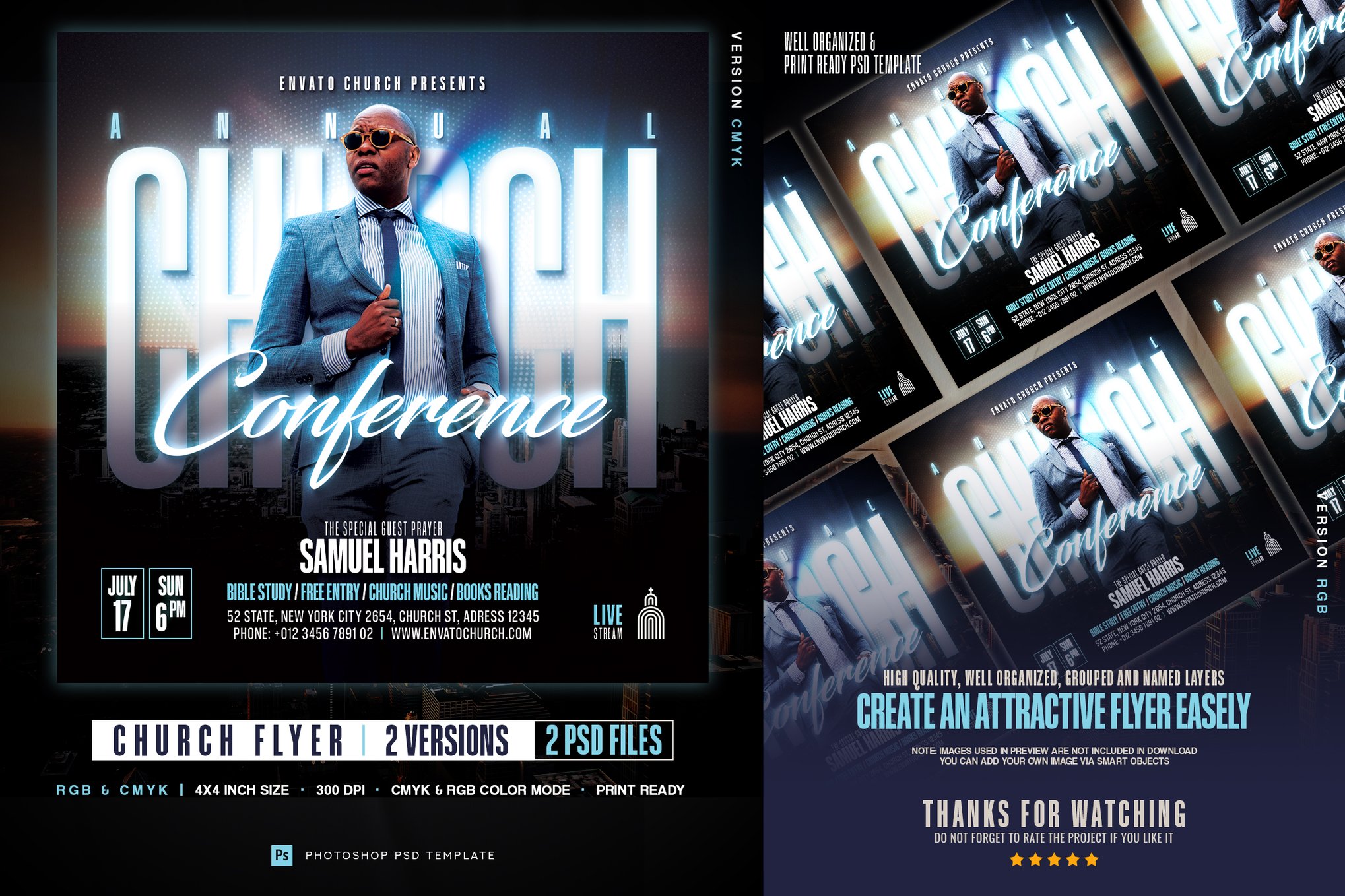
- The Current Era: Today, we see a convergence of print and digital. Modern templates are now built with "omnichannel" capabilities—meaning a single purchase often includes both a print-ready CMYK file for flyers and an RGB version optimized for mobile screens.
Supporting Data: Why Design Matters
In the world of non-profit communication, the "Rule of Seven" often applies: a person needs to see a message seven times before they take action. However, if the visual associated with that message is unappealing, the effectiveness of that exposure drops significantly.
Studies on non-profit engagement show that:
- Retention Rates: Information paired with relevant imagery is retained 65% better than text-only announcements.
- Professionalism as Trust: 72% of potential visitors report that the "look and feel" of a church’s website or printed material influences their likelihood of visiting.
- Efficiency Gains: Using pre-built templates reduces the time spent on design by an average of 60% compared to starting from scratch, allowing staff to focus on the event itself rather than the mechanics of layout.
A Curated Selection of Premium and Free Templates
The following templates represent the gold standard for contemporary church promotion, balancing aesthetics with functionality.
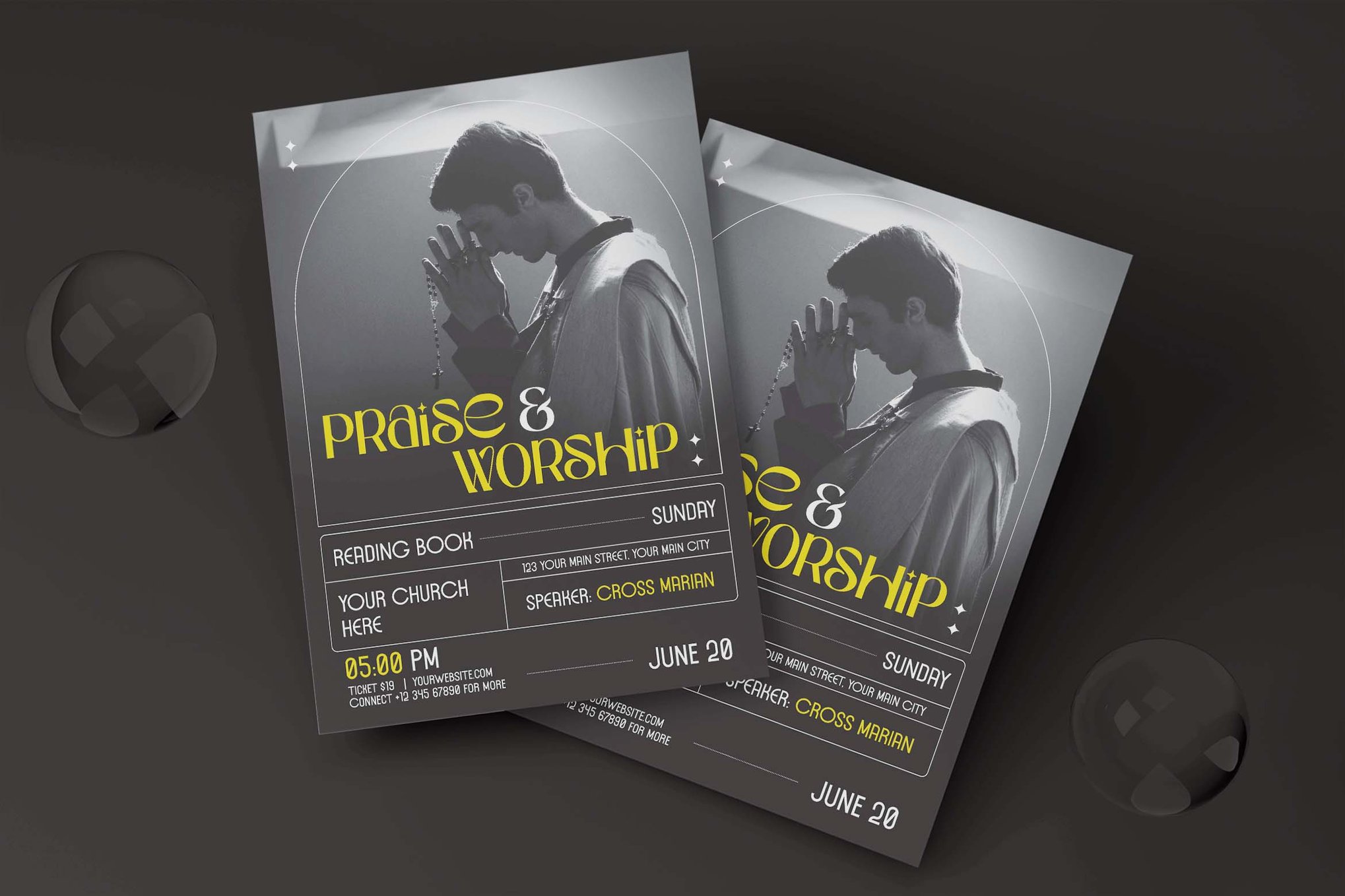
1. The Professional Church Event Flyer
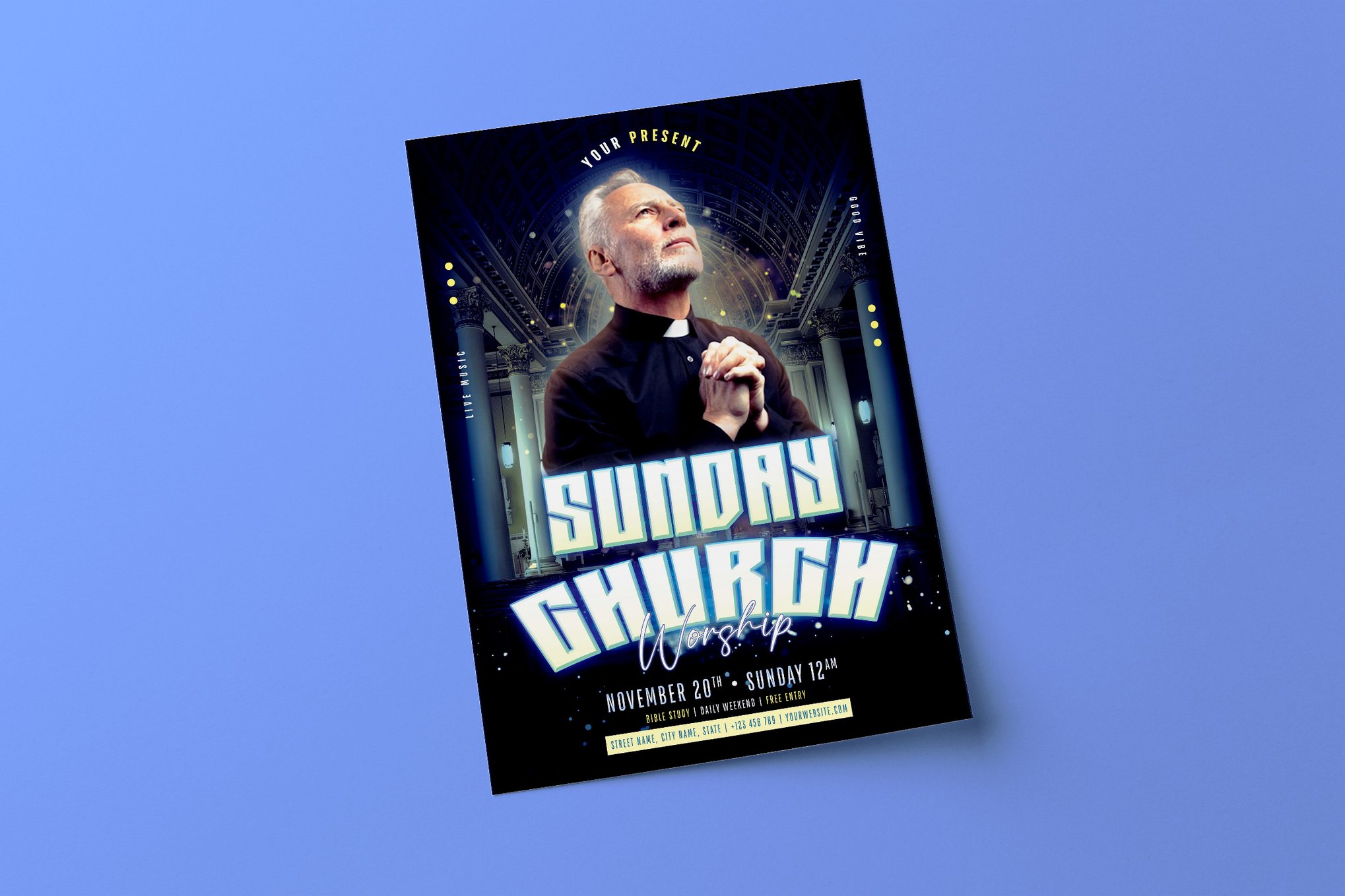
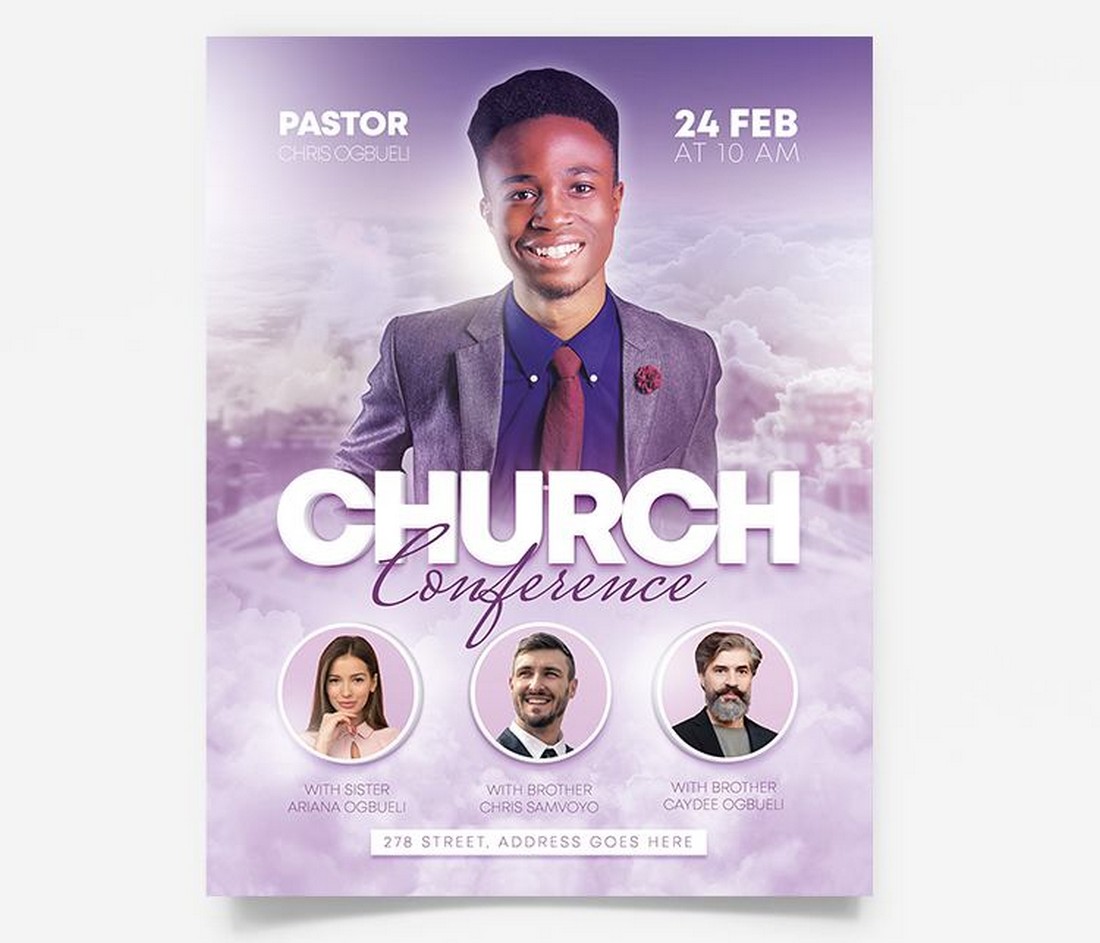
Designed for versatility, this template is the workhorse of any church office. It features a clean, grid-based layout that allows for high-contrast text, making it easy for viewers to grasp the event details at a glance. Because it is fully editable in Adobe Photoshop, leaders can swap out imagery to reflect their specific ministry—whether that is a food pantry drive or a Sunday morning service.
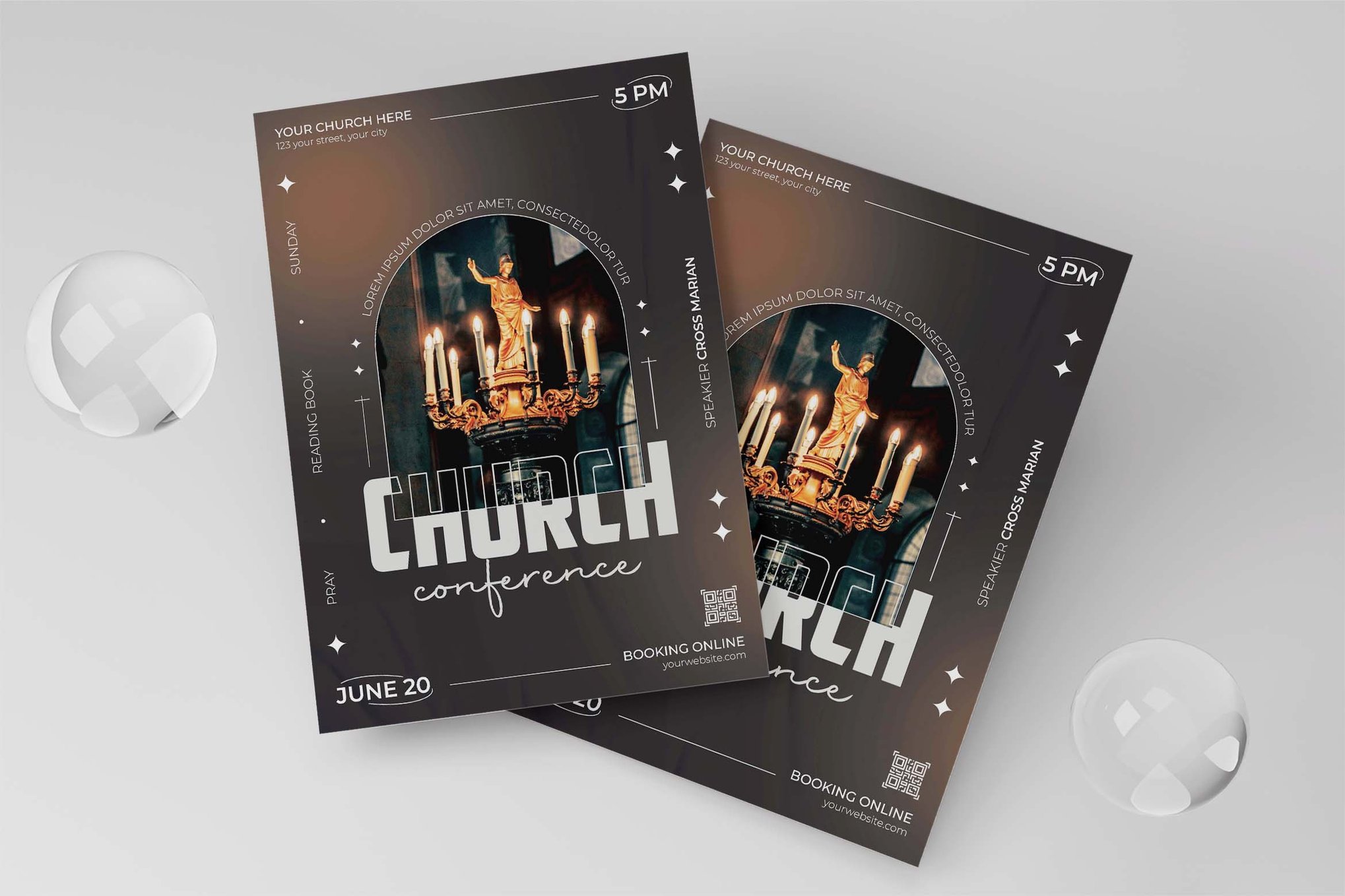
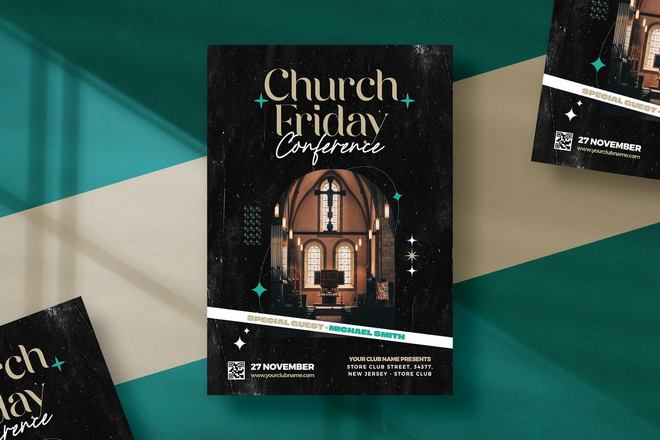
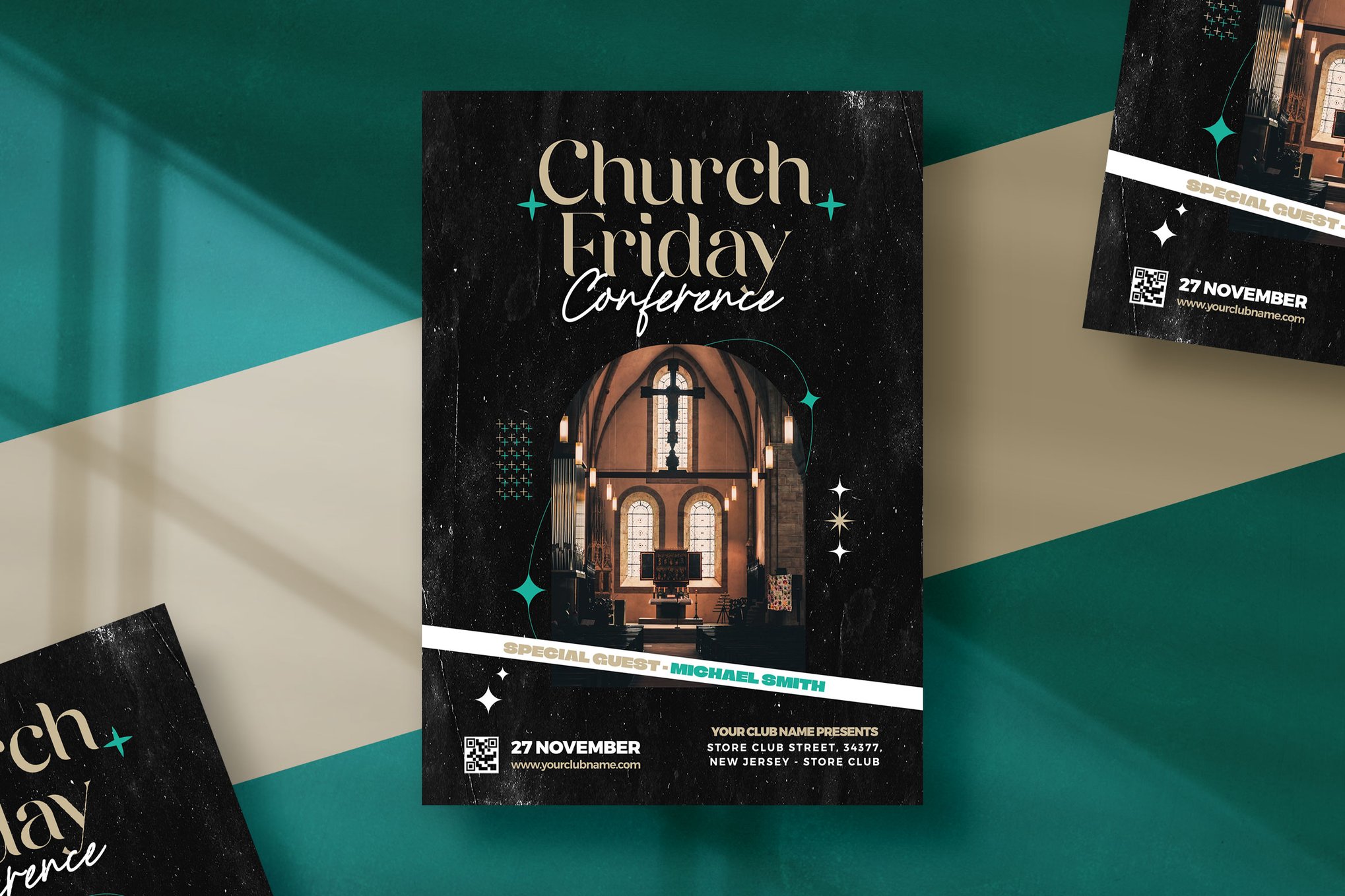
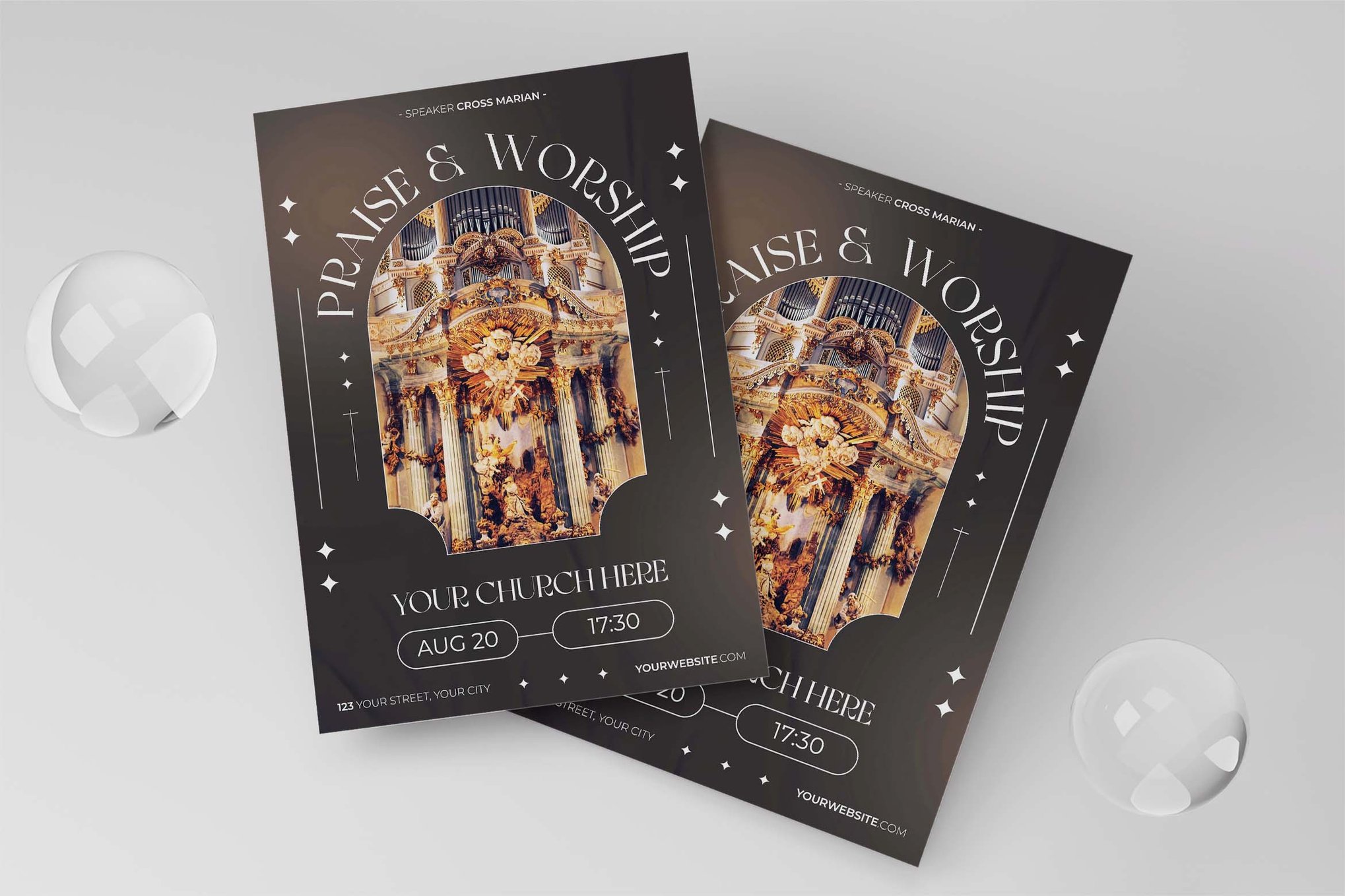
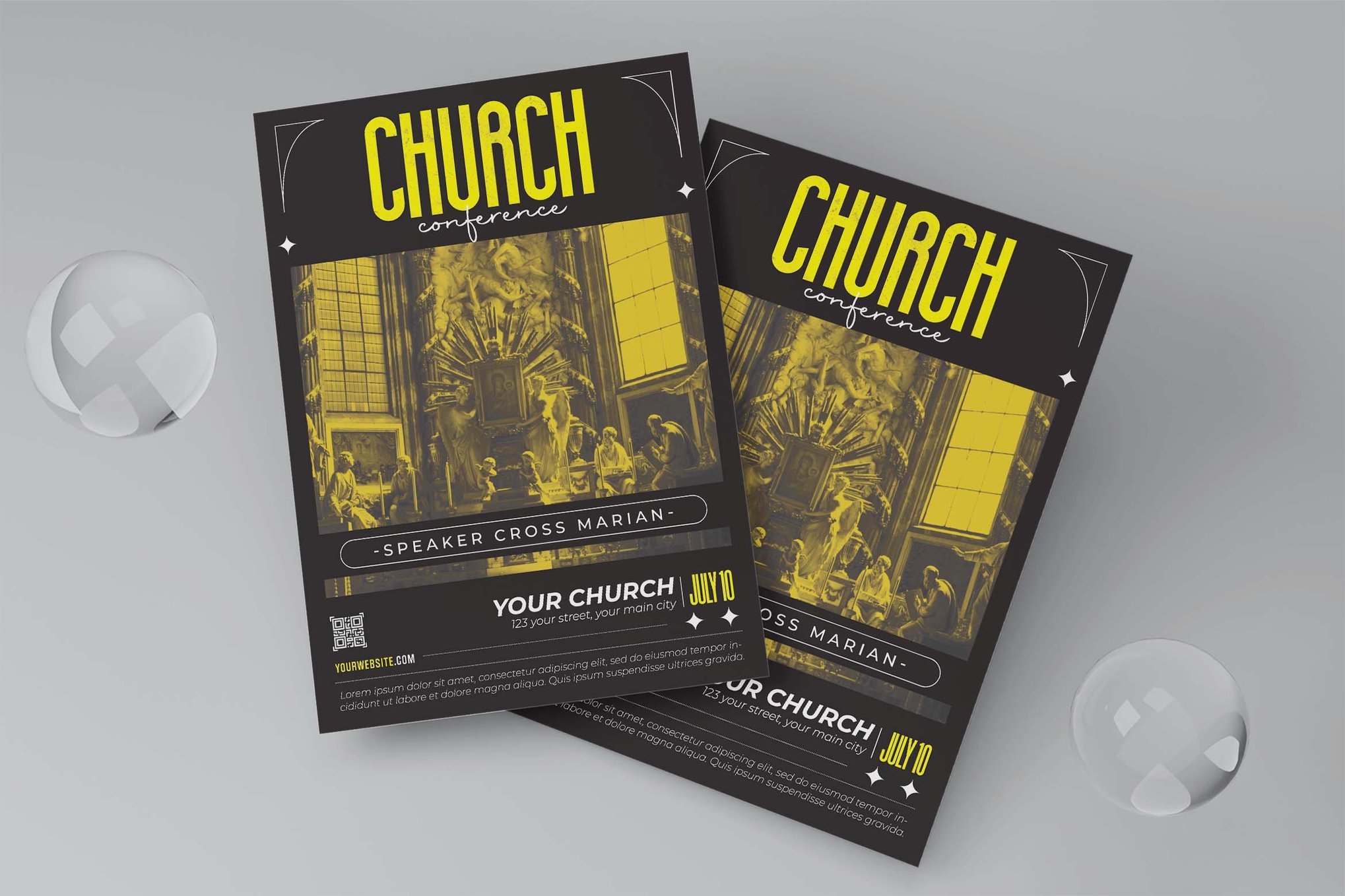
2. The Conference & Seminar Suite
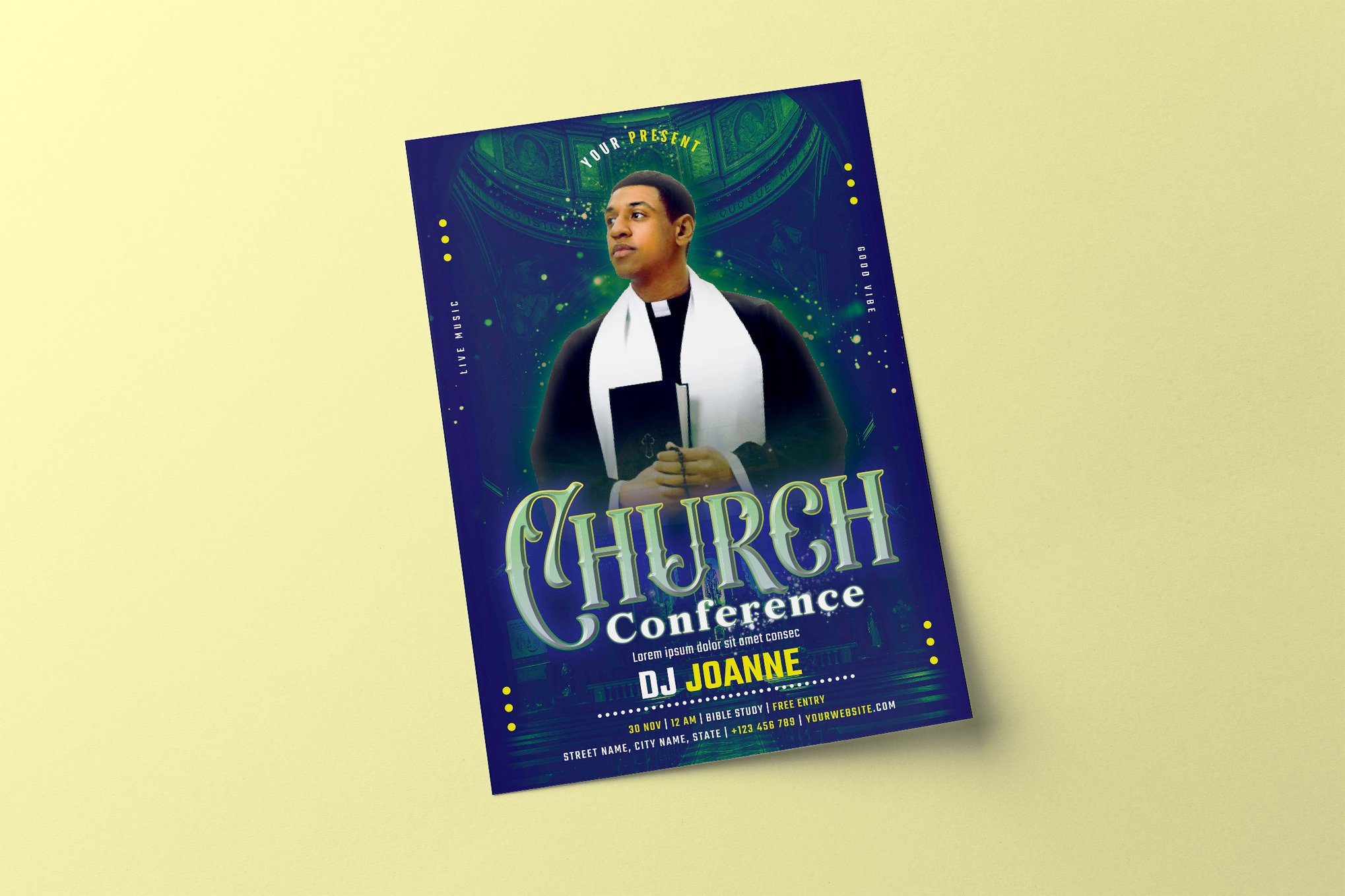
For more intensive events, such as leadership conferences or multi-day retreats, clarity is paramount. These templates often utilize modern, bold typography to establish a sense of authority and excitement. With high-resolution, 300 DPI layouts, these flyers ensure that when printed for posters or large-scale displays, the text remains crisp and the images sharp.
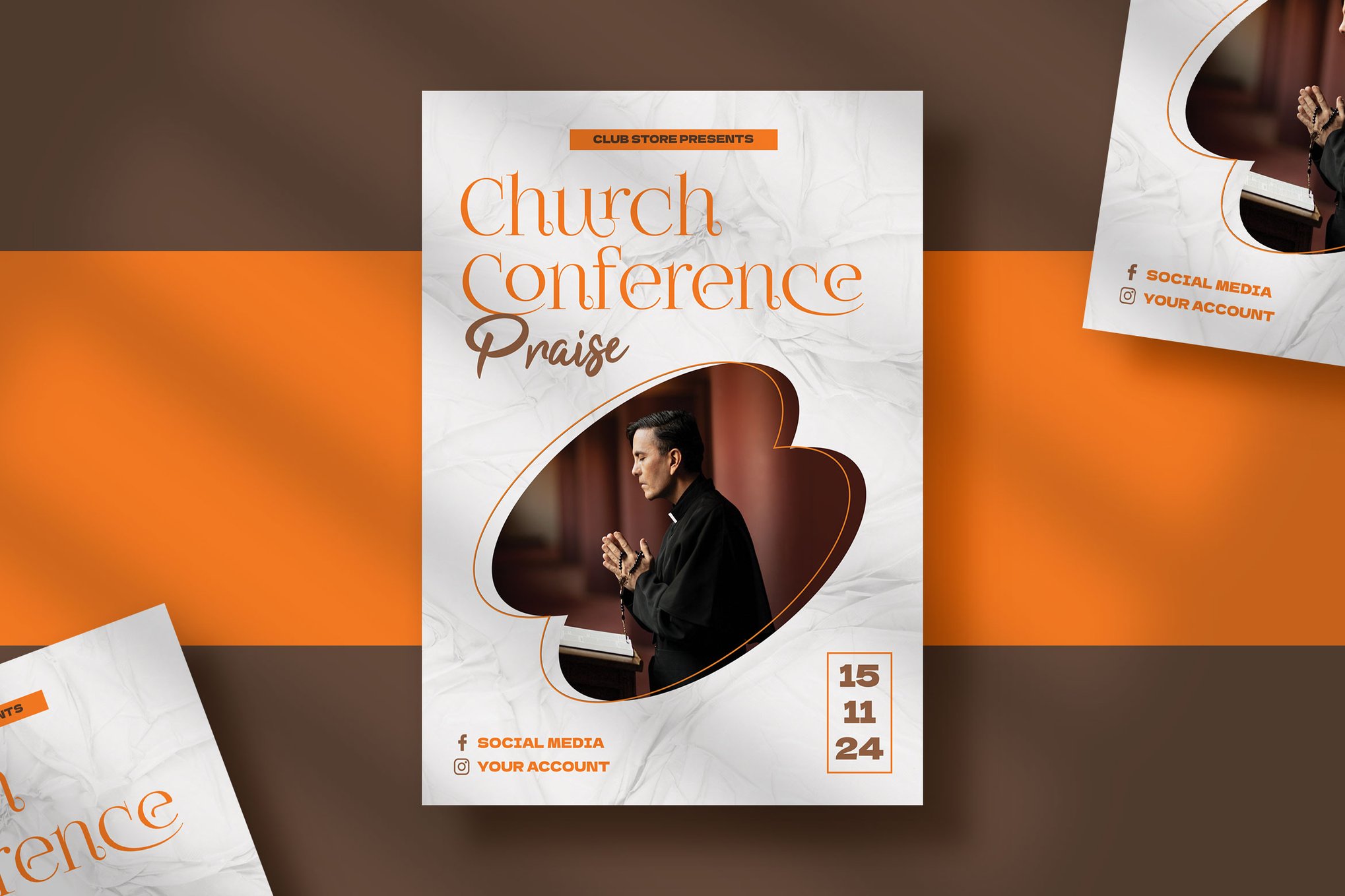
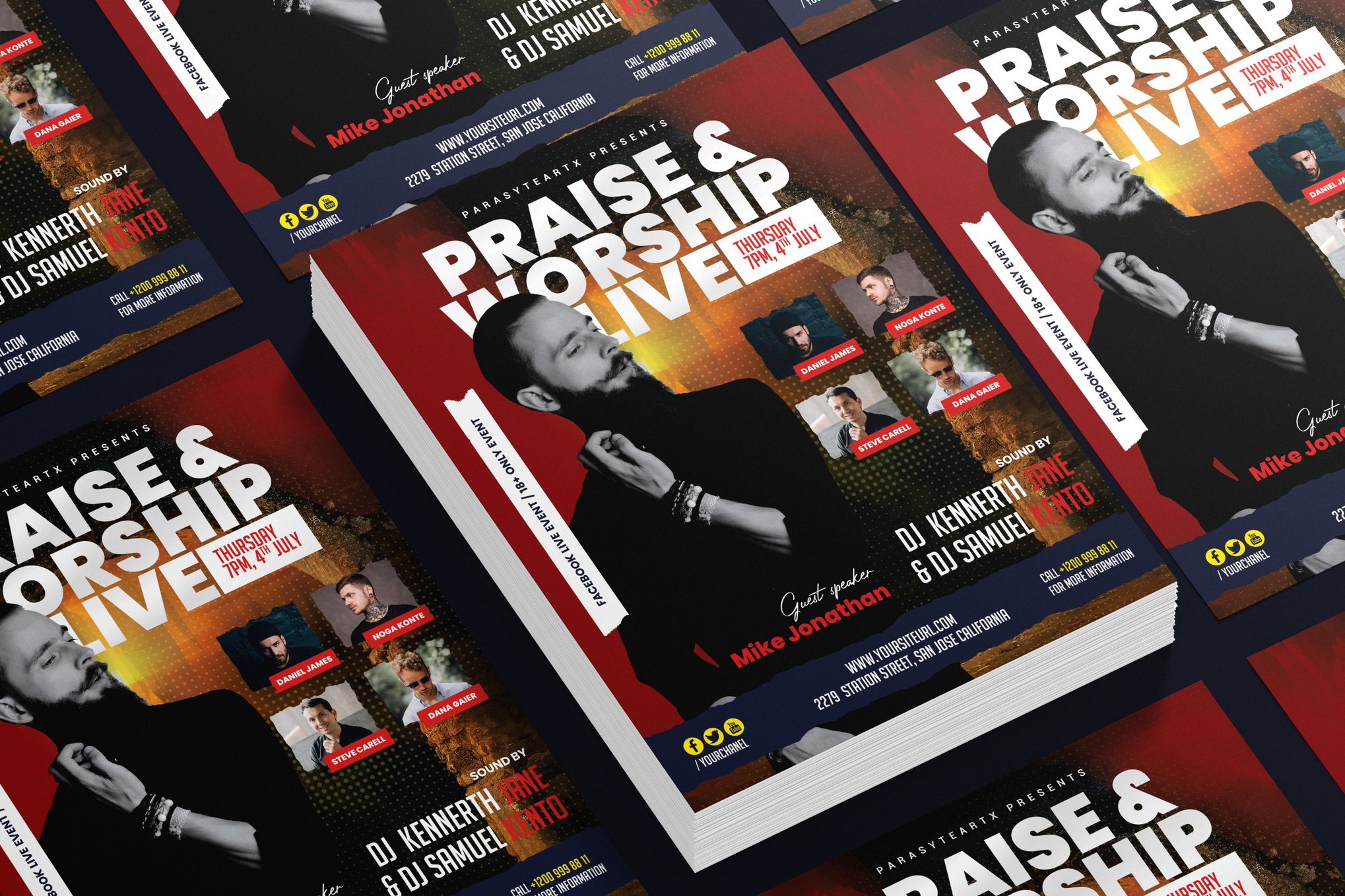
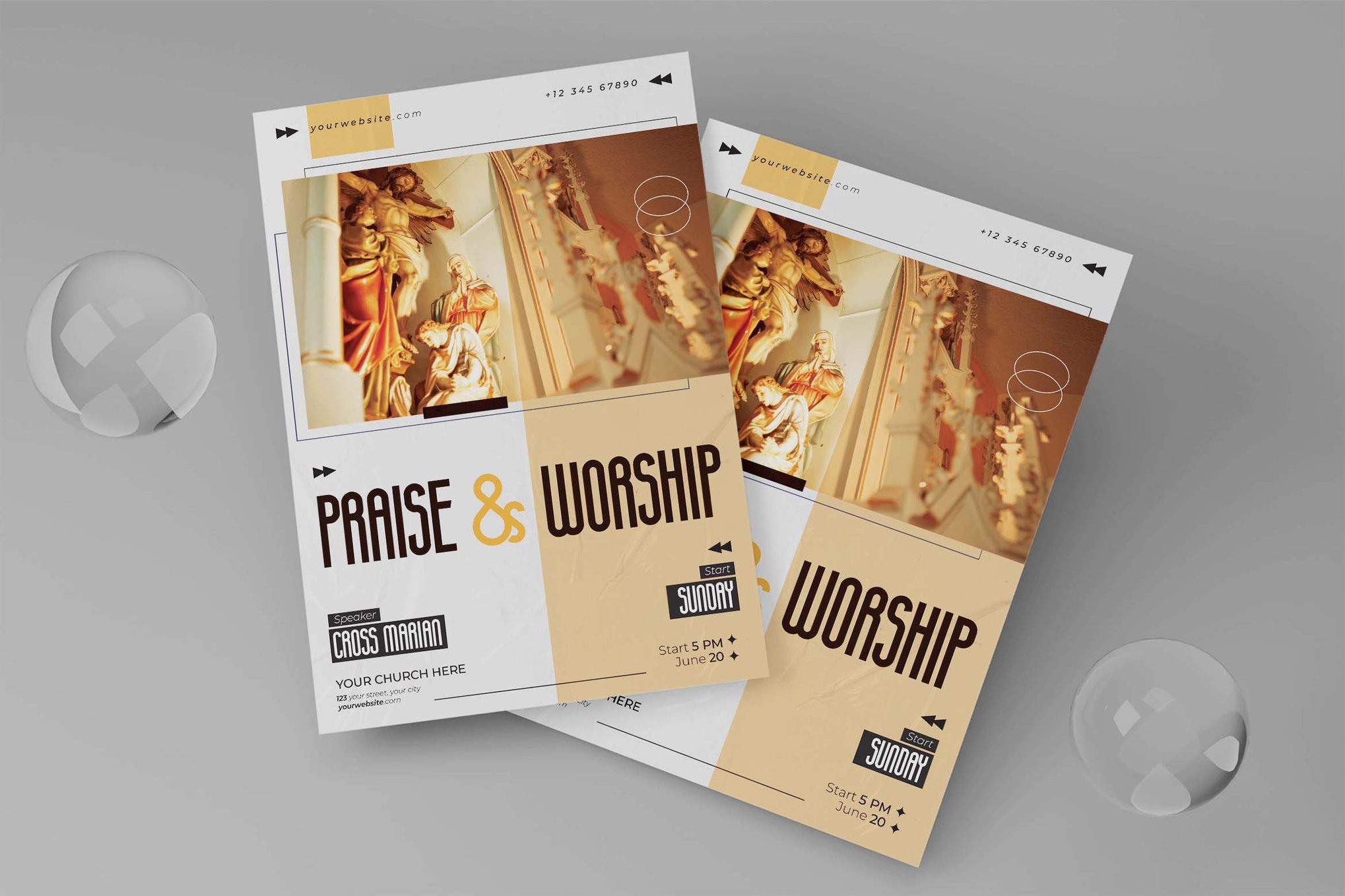
3. The "Praise and Worship" Collection
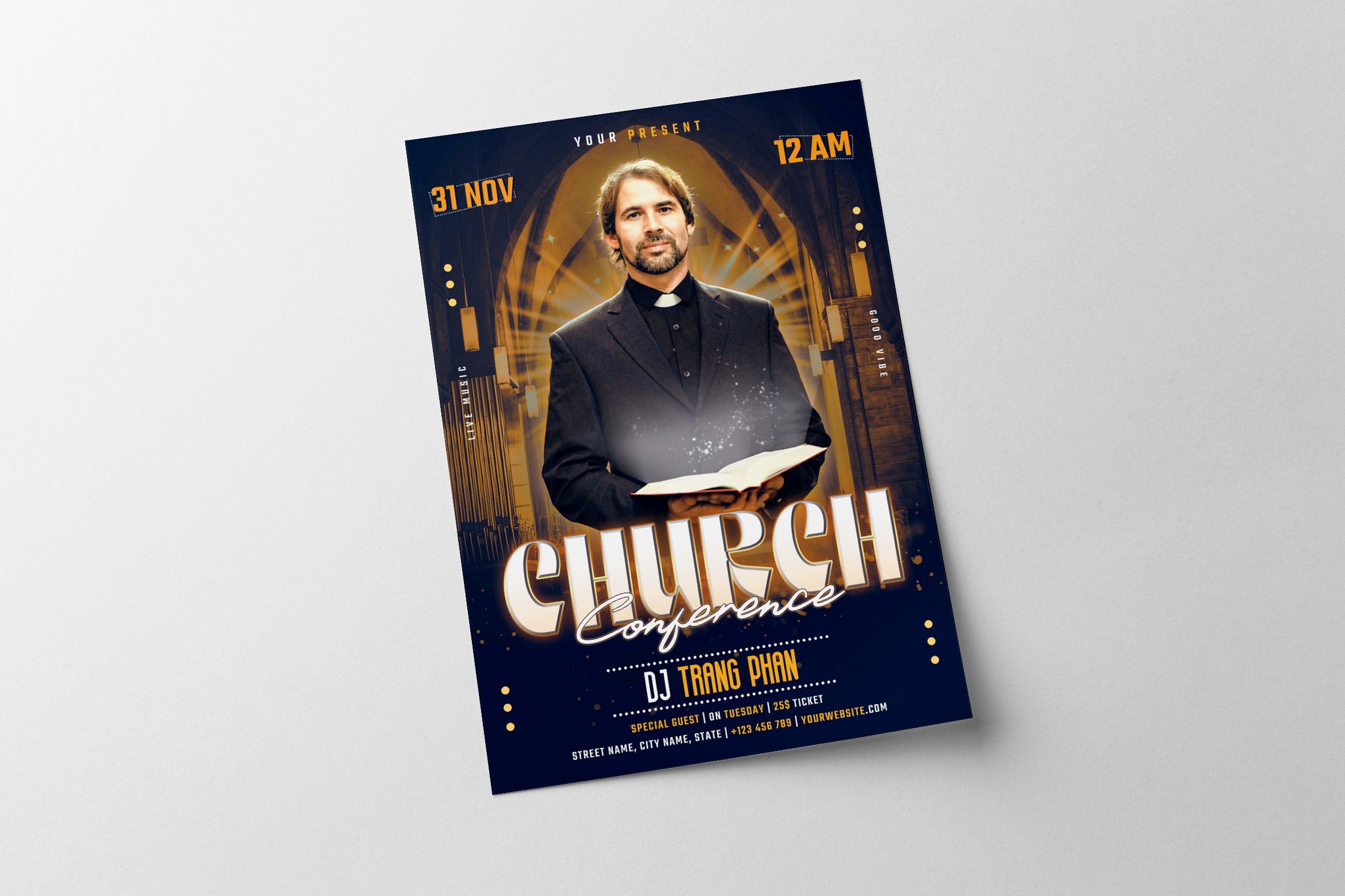
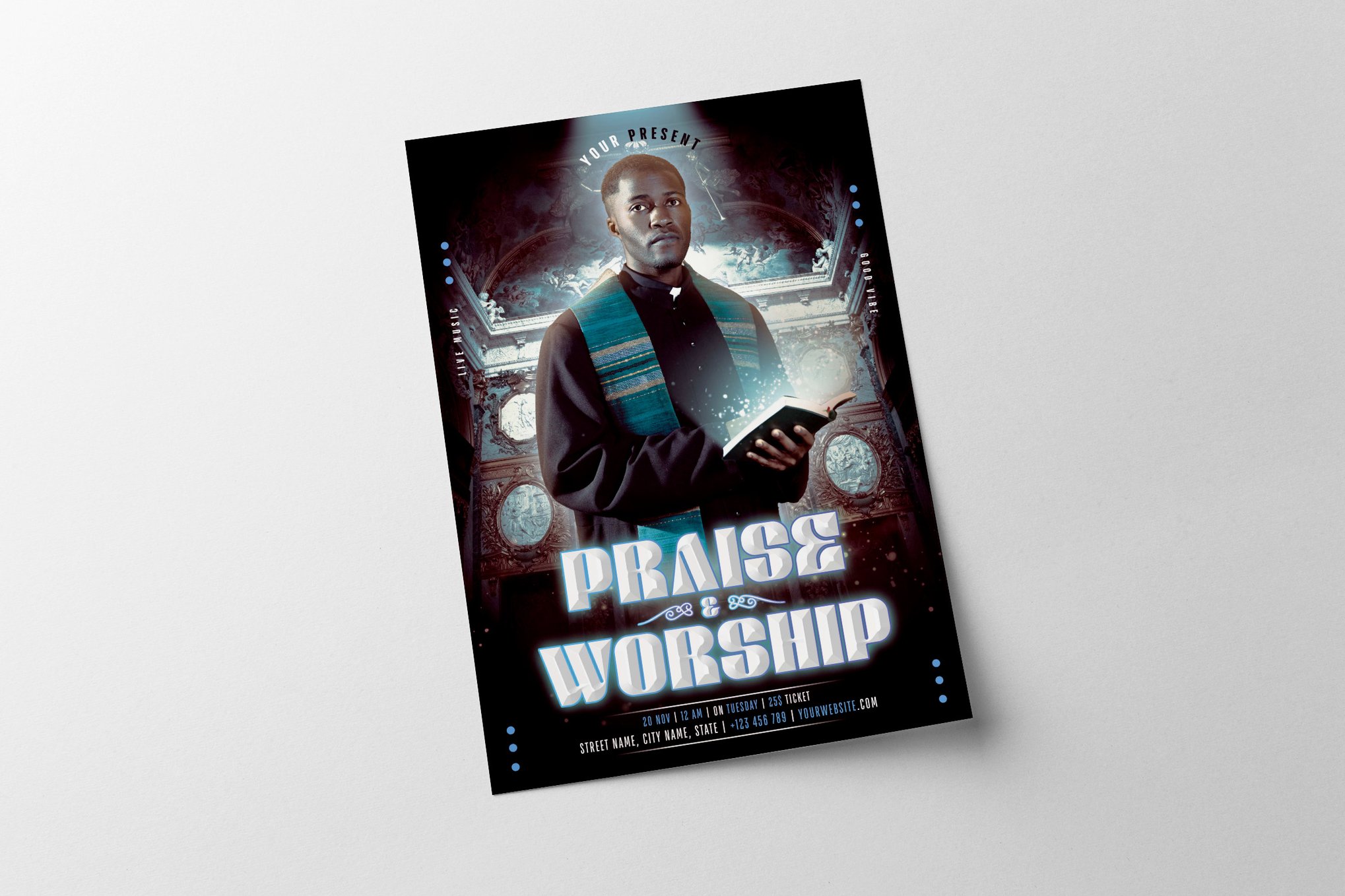
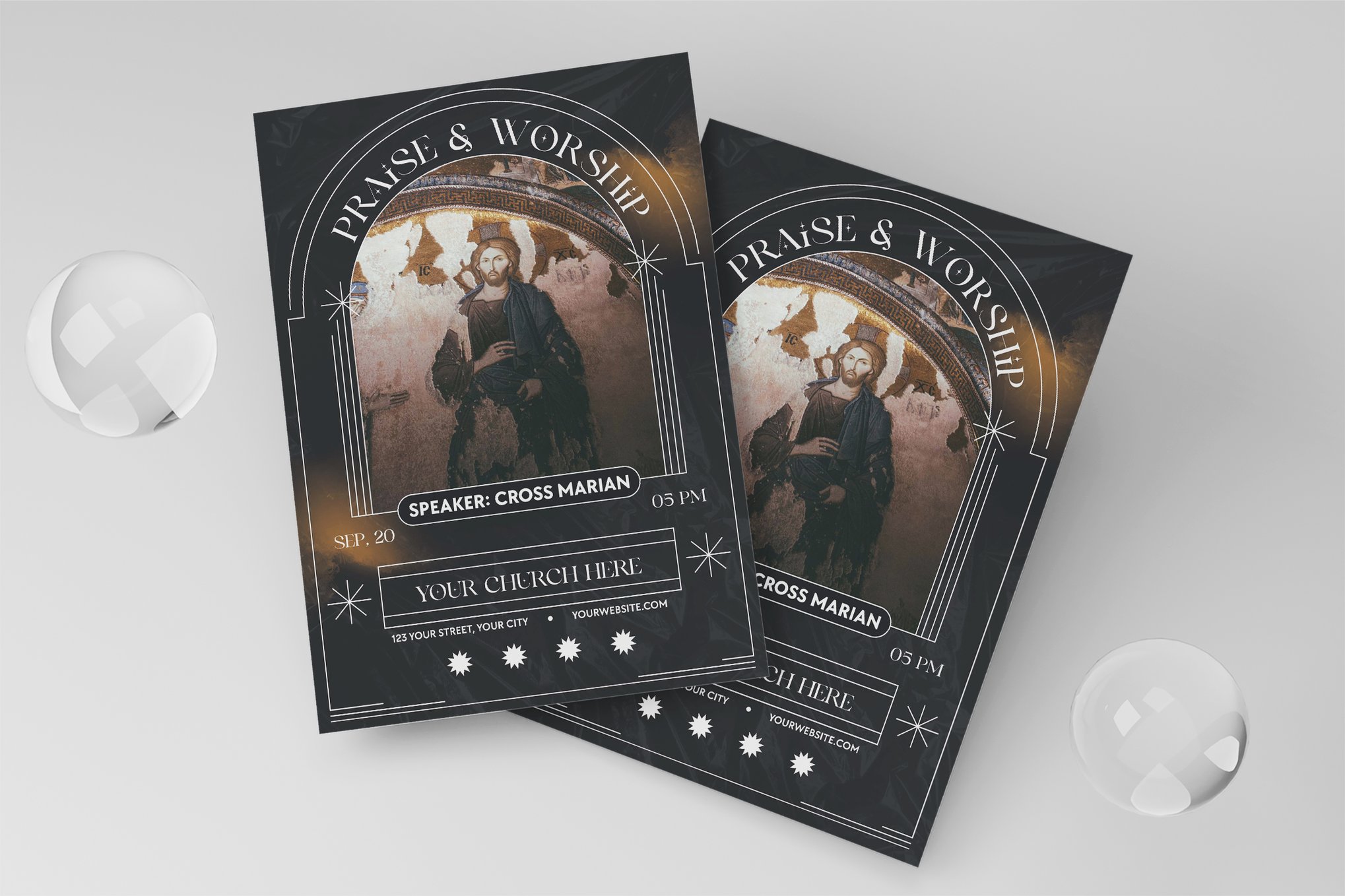
These designs often lean into a more evocative, ethereal aesthetic. Using soft lighting, natural textures, and elegant serif fonts, these templates are ideal for evening services, prayer vigils, or youth worship nights. They prioritize atmosphere over dense information, creating an emotional pull that encourages participation.
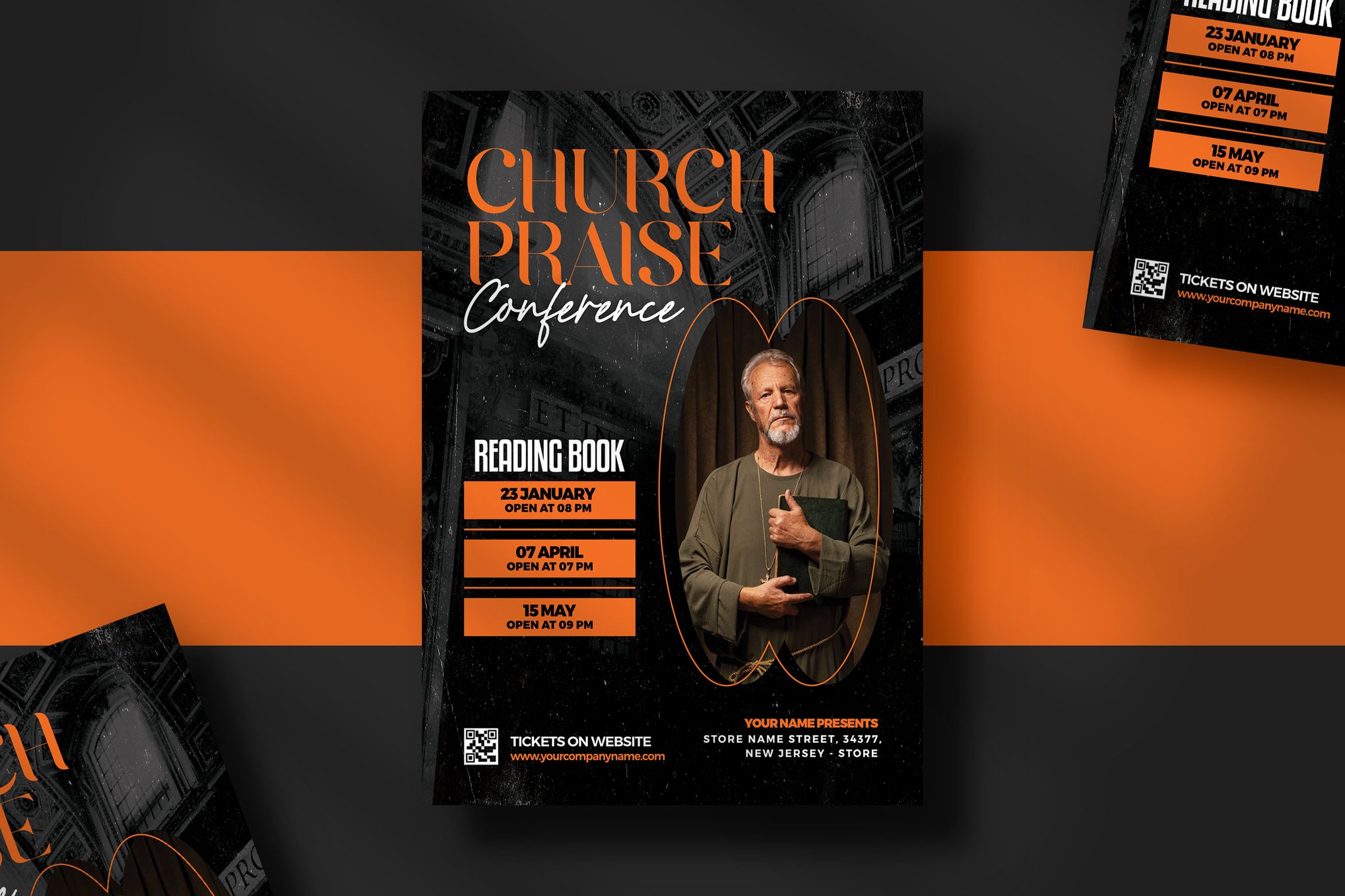
4. Seasonal and Holiday Specials
Easter, Christmas, and Harvest festivals require a different approach. Free templates for these occasions often leverage thematic color palettes—pastels for spring or warm, rich tones for autumn. These are specifically optimized for social media, ensuring that the critical "Call to Action" is visible even on small mobile screens.
Technical Specifications: Ensuring Print-Ready Quality
For church administrators who are not professional designers, the technical terminology can be intimidating. Here is a breakdown of what to look for when selecting a template:
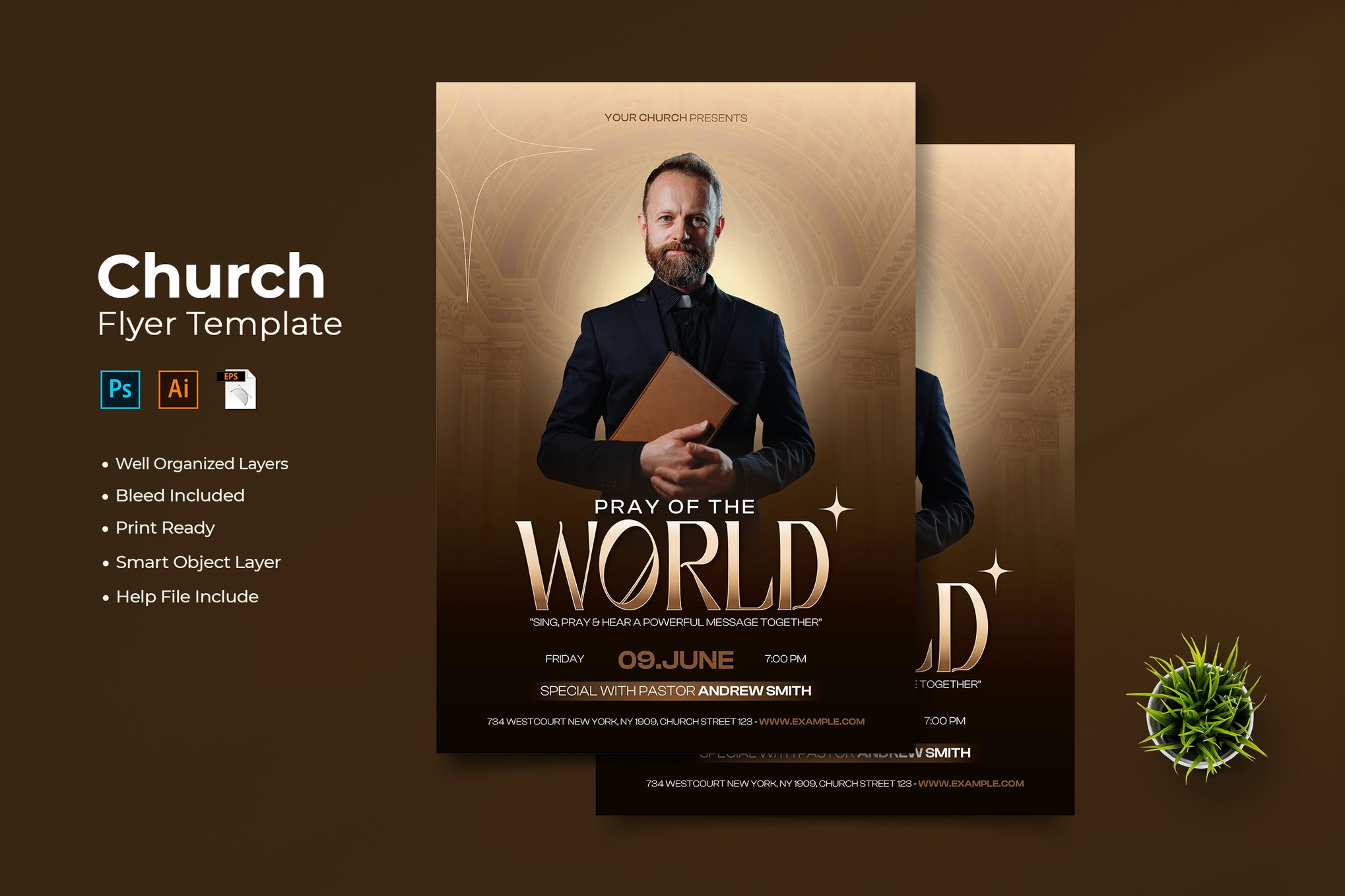
- DPI (Dots Per Inch): Always ensure your file is at least 300 DPI. This is the industry standard for high-quality printing. Anything lower will result in a blurry or pixelated final product.
- CMYK vs. RGB: If you are printing, the file must be in CMYK color mode. If you are posting online, use RGB. Many premium templates now include both to save the user from having to convert files manually.
- Bleed Settings: A 3mm bleed is standard for professional printing. It ensures that when the printer cuts the paper, there are no unsightly white edges around your design.
- Layer Organization: Look for templates that clearly name their layers (e.g., "Background," "Event Title," "Date Text"). This makes the editing process intuitive and saves hours of frustration.
Implications: The Long-Term Impact of Quality Outreach
The decision to invest in better design has profound implications for a church’s growth and community perception.
Cultivating a Welcoming Culture
When a church invests time in its outreach materials, it signals that it values the time and attention of its members. It shows a commitment to excellence, which is often interpreted by visitors as a commitment to the quality of the worship experience and the care of the congregation.
Empowering Volunteers
One of the greatest benefits of utilizing professional templates is the ability to empower volunteers. When a church has a "brand library" of templates, a tech-savvy youth volunteer can take on the task of creating a flyer for a youth event without needing to understand complex design theory. This builds community, fosters a sense of ownership, and distributes the workload across the team.
Bridging the Generational Divide
Modern, minimalist designs tend to appeal to younger demographics, while traditional, well-structured layouts resonate with older generations. By choosing templates that lean into clean, modern design, churches can strike a balance that feels timeless rather than dated, helping to bridge the generational divide within the pews.
Conclusion: Designing for the Future
As we look toward the future of church administration, the digital landscape will only become more crowded. The ability to cut through the noise with a clear, professional, and welcoming visual message is no longer a luxury—it is a necessity.
By leveraging the wealth of available templates, churches can ensure that their message of hope and community is presented with the dignity and beauty it deserves. Whether you are using a free template for a small community gathering or a premium, high-end design for a major annual conference, remember that the best design is the one that facilitates connection. When your flyer is organized, clear, and inviting, it does more than just announce an event; it opens the door for someone to walk into your church and find a home.
For those ready to begin, start by identifying the specific needs of your upcoming events—be it the need for high-impact social media assets or crisp, professional printed posters. By aligning your visual identity with the heart of your mission, you ensure that every flyer is an invitation, and every invitation is a step toward a stronger, more vibrant community.

 Sagoh
Sagoh
 Asep Darmawan
 Raul Delapena Setiawan
 Reynand Wu

 Azzam Bilal Chamdy
 Ali Ikhwan