
 Nana Wu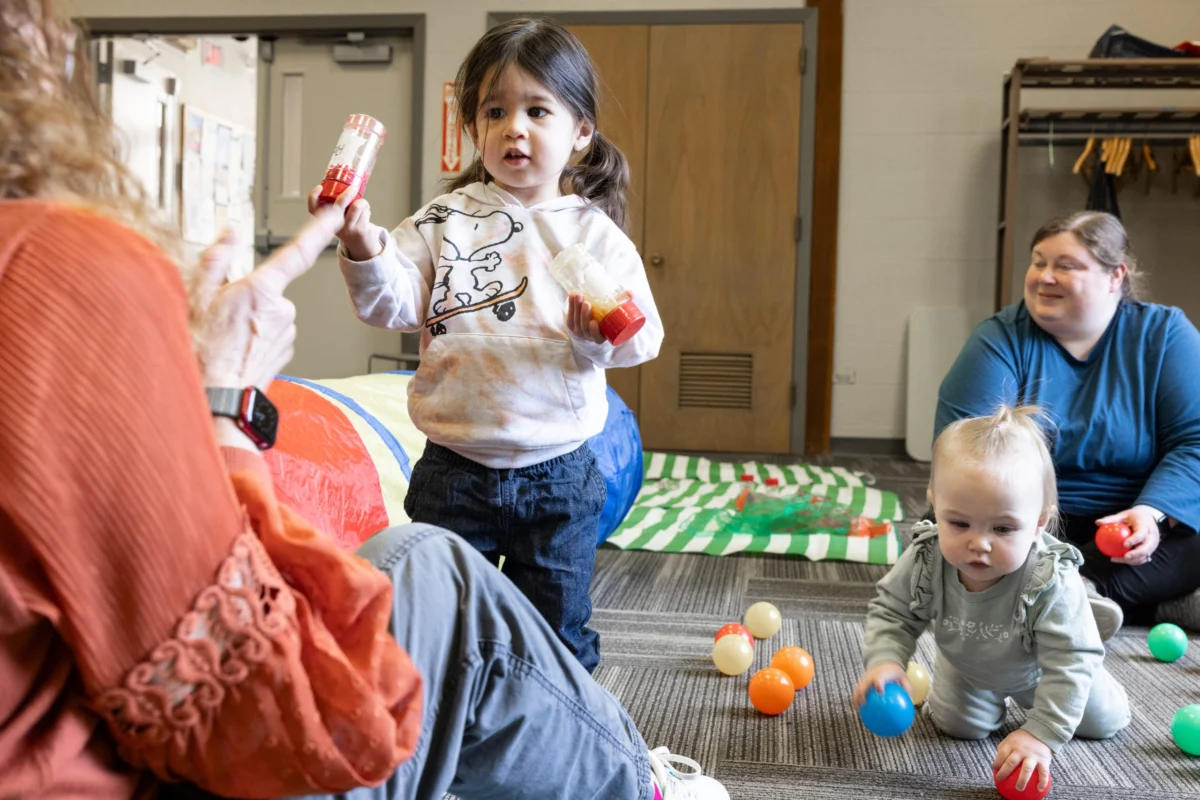
For most parents, the pediatrician’s office is a high-stakes environment. It is a whirlwind of weight checks, height measurements, and rapid-fire discussions about milestones that can feel both clinical and chaotic. Amidst the flurry of keeping a wiggly infant calm, many parents are handed a tablet or a paper form—a developmental screening questionnaire. These assessments, designed to track fine motor skills, communication, problem-solving, and social development, are the silent gatekeepers to early intervention.
However, recent reporting reveals a sobering reality: for a vast majority of families, these screenings are not happening. As the system currently stands, a child’s path to receiving life-changing support for developmental delays or disabilities is frequently blocked by a broken, clinic-centric model of care.
The Gap in Care: Why Millions Are Missing Out
The statistics are jarring. According to the latest National Survey of Children’s Health, only about 36 percent of parents nationwide report that their child has undergone a formal developmental screening in the past year. In New York State, the situation is even more precarious, with screening rates hovering at a dismal 28 percent.
This is not merely a bureaucratic failure; it is a profound societal loss. Developmental screenings serve as the first line of defense in identifying neurodivergence, speech delays, and physical motor challenges. When these screenings are missed, the window for “early intervention”—a period where a child’s brain plasticity is at its peak—begins to close. Children who do not receive these assessments often arrive at kindergarten without the foundational skills necessary to thrive, leading to long-term educational disparities that are significantly more difficult and expensive to address in later years.
Chronology of a Systemic Failure
The reliance on pediatric visits as the sole gateway for developmental monitoring has evolved over decades, rooted in the idea that the doctor’s office is the most reliable place to capture a child’s growth.
- The Traditional Model: For years, the standard of care was to wait for parents to raise concerns or for pediatricians to conduct casual observations during routine well-child visits.
- The Rise of Standardization: In the early 2000s, the American Academy of Pediatrics (AAP) began pushing for more rigorous, standardized screening tools—such as the Ages & Stages Questionnaire (ASQ)—to be administered at the 9-, 18-, and 30-month marks.
- The Implementation Bottleneck: While the guidelines changed, the infrastructure of primary care did not. Pediatricians are often overstretched, managing high patient volumes with limited time for in-depth developmental discussions. Many clinicians report that they lack the staff to follow up on abnormal screening results, leading to a hesitation to initiate the screening process in the first place.
- The Post-Pandemic Shift: Following the disruptions of the COVID-19 pandemic, where many families missed well-child visits entirely, the existing gaps in screening widened. The crisis highlighted the need to decouple developmental health from the clinical setting.
Community-Based Solutions: Bringing Care to the People
Recognizing that the traditional model is insufficient, a growing movement—spearheaded by organizations like Help Me Grow—is actively shifting the strategy. The premise is simple: if families aren’t going to the clinic, bring the clinic to the families.
In cities like Syracuse, N.Y., initiatives such as “Books, Balls & Blocks” are transforming public libraries and community centers into hubs for developmental assessment. On March 25, 2026, at the Betts Branch Library, parents engaged in play-based activities while experts simultaneously gathered data on their children’s development.
This approach shifts the tone from a clinical interrogation to a supportive community service. By observing children in a natural environment—playing with blocks, interacting with peers, or solving puzzles—professionals can often gain a more accurate picture of a child’s capabilities than they would in a sterile, high-stress exam room.
Supporting Data: The Impact of Early Detection
The data supporting early intervention is unequivocal. Research from the CDC and the National Institute of Child Health and Human Development shows that children who receive therapeutic support before age three are more likely to achieve age-appropriate developmental milestones by the time they reach elementary school.
Yet, the disparity in who gets screened is often tied to socioeconomic status and geography. Families in rural areas or those with limited access to consistent primary care are disproportionately represented in the "missed screening" statistics. When screenings are moved to community spaces—farmers markets, zoos, and local playgroups—it democratizes access. These venues remove the barriers of transportation, insurance bureaucracy, and the intimidating atmosphere of a medical office, creating a “low-barrier” entry point for families who might otherwise fall through the cracks.
Official Responses and Policy Shifts
The urgency of the situation has prompted state-level action. The New York State Council on Children and Families recently announced a new, aggressive campaign to bolster screening rates. This initiative seeks to integrate developmental monitoring into the fabric of social services, including WIC clinics, Head Start programs, and even public parks.
“It is exceptionally important to do them early and often,” says Kate Ryan, director of the Adirondack Birth to Three Alliance. Ryan and other advocates argue that the state’s role should be to facilitate a “no-wrong-door” policy, where any interaction with a government or community entity becomes an opportunity to check on a child’s progress.
Policy experts are now calling for a multi-pronged approach:
- Increased Reimbursement: Incentivizing pediatricians to spend more time on developmental surveillance and follow-up.
- Universal Screening Mandates: Moving beyond recommendations to require that developmental milestones are tracked and reported in all state-funded early education settings.
- Community Partnerships: Funding local grassroots organizations to act as the “scouts” who identify children in need before they ever reach the school system.
The Implications for Future Education
The implications of this shift are massive. If successful, moving developmental screenings out of the clinic and into the community could fundamentally rewrite the trajectory for millions of children.
When a child is screened and identified early, they can be enrolled in specialized services, such as speech therapy or physical therapy, which are often provided at no cost through state programs. This prevents the "achievement gap" from manifesting before a child even steps foot in a classroom. Furthermore, it empowers parents, moving them from a position of anxiety-ridden uncertainty to one of informed advocacy.
However, the challenge remains in ensuring that these community screenings have a reliable "warm handoff." Identifying a potential delay is only the first step; the system must be robust enough to provide the actual services once a concern is raised. Without adequate funding for early intervention services, a successful screening program is merely an exercise in cataloging unmet needs.
Conclusion: A Call to Action
The current state of developmental screening in the United States is a cautionary tale of how narrow, institutional thinking can fail the most vulnerable among us. By tethering essential developmental data to the traditional doctor’s office, we have inadvertently created a system that leaves millions of children behind.
As the model shifts toward the community—where play, literacy, and social engagement take center stage—we are witnessing a potential paradigm shift. It is a recognition that child development is not just a medical issue; it is a community responsibility. For parents, for educators, and for policymakers, the mandate is clear: we must meet families where they are, listen to their concerns, and ensure that every child has the support they need to reach their full potential.
The future of education doesn’t start in the classroom; it starts in the library, the playground, and the community center. By prioritizing these early, frequent, and accessible screenings, we can ensure that every child—regardless of their zip code or access to private healthcare—is given the best possible head start in life.

 Nana Muazin
 Layla Zulfa
 Raul Delapena Setiawan
 Reynand Wu
 Sagoh
Sagoh

 Azzam Bilal Chamdy
 Ali Ikhwan