
 Siti Muinah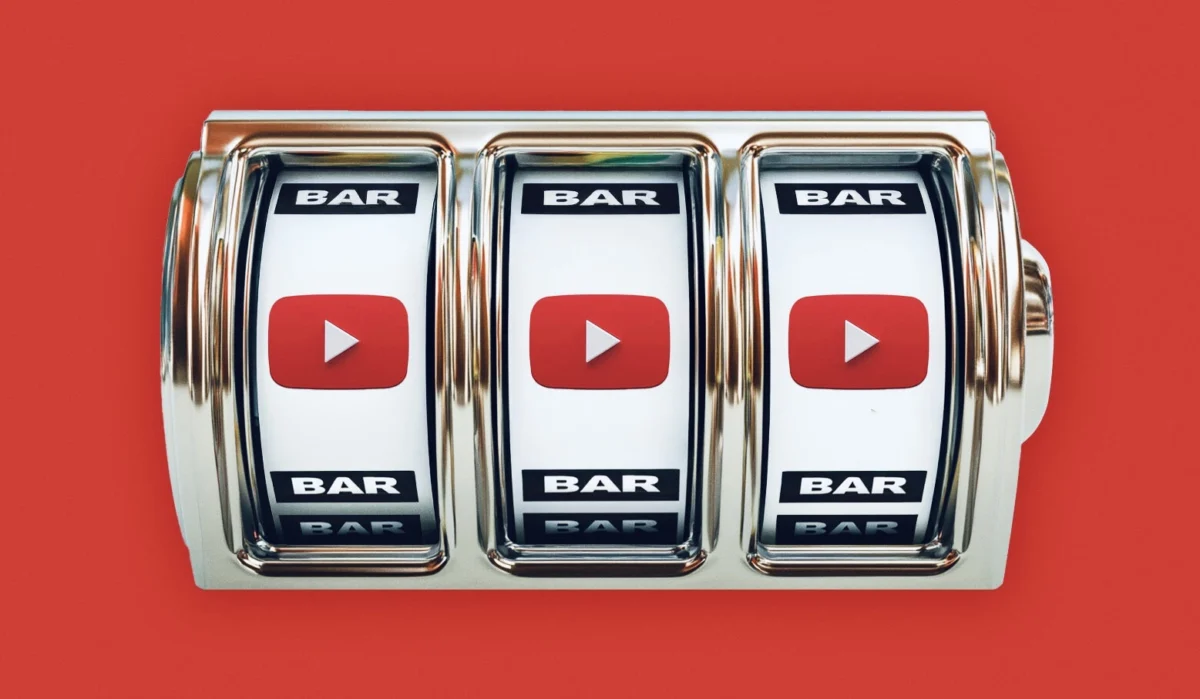
The digital landscape is undergoing a seismic shift as YouTube, the titan of long-form and short-form video, implements a two-pronged strategy that fundamentally alters how creators measure success and how they earn their livelihoods. By redefining what constitutes a "view" and drastically raising the barriers for entry into the YouTube Partner Program (YPP), the platform is signaling a move toward parity with competitors like TikTok and Instagram—while simultaneously demanding higher levels of sustained performance from its creator base.
For the millions of creators who rely on YouTube as their primary income stream, these changes represent both a potential opportunity for growth and a significant existential threat. As the industry digests these updates, one thing is clear: the era of "easy" monetization is closing, and the age of "data-driven" professionalization has arrived.
The Core Changes: A New Definition of Success
On August 24, YouTube officially altered its methodology for counting video views. Historically, the platform utilized a relatively strict, albeit opaque, threshold that required a user to watch a video for "some amount of seconds" before it registered as a view. This was designed to filter out accidental clicks or fleeting impressions.
Under the new policy, YouTube now registers a view the moment a video begins to play. This shift brings YouTube in line with the "instant-count" models utilized by TikTok and Instagram, where an autoplay or a single tap counts as a view. While the "engaged view" metric remains available within the platform’s deep-dive analytics—preserving the data necessary to understand true audience retention—the public-facing number displayed beneath videos will now reflect this more generous, inclusive metric.
Simultaneously, the platform has announced a significant tightening of the YouTube Partner Program. Starting in February 2027, the barrier to entry for monetization will effectively double. New channels will be required to amass 8,000 long-form watch hours (up from 4,000) and 20 million Shorts views (up from 10 million). Furthermore, Shorts creators will face a rolling 90-day threshold of 10 million views to maintain revenue eligibility. While falling below this mark won’t trigger an outright expulsion from the YPP, it will effectively turn off the monetization tap for the duration of the shortfall.
Chronology of a Platform Pivot
The road to these changes began earlier this year, when YouTube signaled its intention to "iron out" the operational complexities of the creator economy. Recognizing that creators often feel they are playing a guessing game with algorithms and metrics, YouTube’s leadership—guided by liaison Rene Ritchie—has moved to provide more transparency, even as they demand more rigor.
- Early 2024: YouTube initiates infrastructure upgrades aimed at the "full creator brand partnership lifecycle."
- August 24, 2024: The new, lower-threshold view count policy goes into effect, mirroring the methodology previously applied to Shorts.
- Late 2024–Early 2025: A transition period where creators are encouraged to pivot from "view-chasing" to "engagement-tracking."
- February 2027: The official implementation of the new, stricter YPP qualification requirements, raising the bar for ad revenue and Premium revenue sharing.
Supporting Data and the "Engagement" Gap
The shift in how views are counted is not merely cosmetic; it is an attempt to standardize the marketplace. For years, creators have complained that their YouTube performance looked "weak" when compared to their TikTok or Instagram metrics, simply because YouTube’s counting criteria were more stringent.
According to industry analysts, this change will lead to an immediate, artificial inflation of total view counts across the board. However, this creates a "false signal" for those who do not look beyond the top-line number. The "engaged view"—which tracks how long a user actually watches—remains the gold standard for quality.
The impact of the new YPP requirements is equally data-heavy. By requiring 20 million views every 90 days for Shorts creators, YouTube is essentially forcing a move toward "high-velocity" production. For creators who specialize in complex, high-production-value content, the math is increasingly difficult to justify. As animator Jeff Bruno noted, the requirement is an "insane" hurdle that favors automated or AI-assisted content over human-led, labor-intensive storytelling.
Official Responses and Perspectives
The industry response has been bifurcated. Some see the move as a necessary evolution of the creator economy, while others fear it will lead to a race to the bottom in terms of content quality.
"For established long-form creators, I don’t see this as a huge disruption," says Joey Gagliardi, director of creator programming at G&B Digital Management. "Long-form continues to be the platform’s premier offering. The shift in the public-facing number is simply a normalization of how we compare metrics across social media ecosystems."
Conversely, the sentiment among short-form creators is one of anxiety. The pressure to maintain a 10-million-view rolling window every 90 days creates an environment where a "slow month" can result in complete financial loss, regardless of the quality of the work produced.
From the brand perspective, there is a mix of relief and caution. "We finally get reporting that is normalized across platforms," notes Adam Lieb, CEO of Gamesight. "We don’t have to slap an asterisk next to every YouTube number anymore." However, he and other agency heads warn that brands must now be significantly more diligent in auditing the "full analytics page" of a creator before signing a deal.
Implications for the Future of Content
The Decline of "Slop" Content
The most interesting implication of these changes is the potential impact on "slop" or low-effort, AI-generated content. While these channels will see their public view counts soar due to the new, lower threshold, their inability to generate meaningful "engaged views" will eventually expose them. Advertisers are becoming increasingly sophisticated; they are moving away from surface-level metrics and looking at conversion rates and audience loyalty.
The Professionalization of the Creator
For new creators, the path to monetization is now a high-stakes game. The message from YouTube is clear: if you cannot sustain a consistent, high-volume audience, the platform will no longer subsidize your growth. This will likely force a consolidation of the creator middle class, with many small-to-mid-sized creators forced to choose between burnout or pivoting their business models toward direct-to-consumer revenue (such as Patreon or merchandise) rather than relying on AdSense.
The Brand Partnership Evolution
Brands are likely to shift their strategy toward "multi-video package deals." Because individual video performance is becoming more volatile, agencies are looking to mitigate risk by contracting for long-term partnerships rather than one-off activations. This protects the brand from the "false signal" of a single viral video and ensures that the creator is incentivized to produce consistent, quality content over a longer timeline.
The "Apples to Apples" Comparison
Perhaps the most significant long-term implication is the normalization of data. As Sirui Hua of NowThis points out, the ability to compare "apples to apples" across formats and platforms is a massive win for media companies. It allows for more efficient budget allocation and, ultimately, a more mature advertising ecosystem on YouTube.
Conclusion: A Darwinian Shift
YouTube’s latest infrastructure changes represent a "Darwinian" shift in the creator economy. By lowering the threshold for a view, the platform has made the "top-line" number more accessible and uniform, effectively democratizing the visibility of content. However, by simultaneously raising the barrier for monetization, it has significantly hardened the requirements for financial success.
Creators who survive this transition will be those who stop chasing the "view" as a metric of success and start chasing the "engaged view" as a metric of value. For brands, the era of buying into "inflated momentum" is coming to an end, replaced by a demand for deeper, more forensic auditing of creator analytics.
As we look toward the February 2027 deadline, the creators who will thrive are those who can balance the high-volume requirements of the algorithm with the deep, human-centric storytelling that keeps audiences coming back. The "slop" may get louder, and the numbers may get bigger, but the value of true audience connection has never been higher. For the YouTube ecosystem, the future is no longer about how many people see your video; it is about how many people stay.

 Reynand Wu
 Iffa Jayyana
 Raul Delapena Setiawan

 Sagoh
Sagoh

 Azzam Bilal Chamdy
 Ali Ikhwan