
 Asro
Asro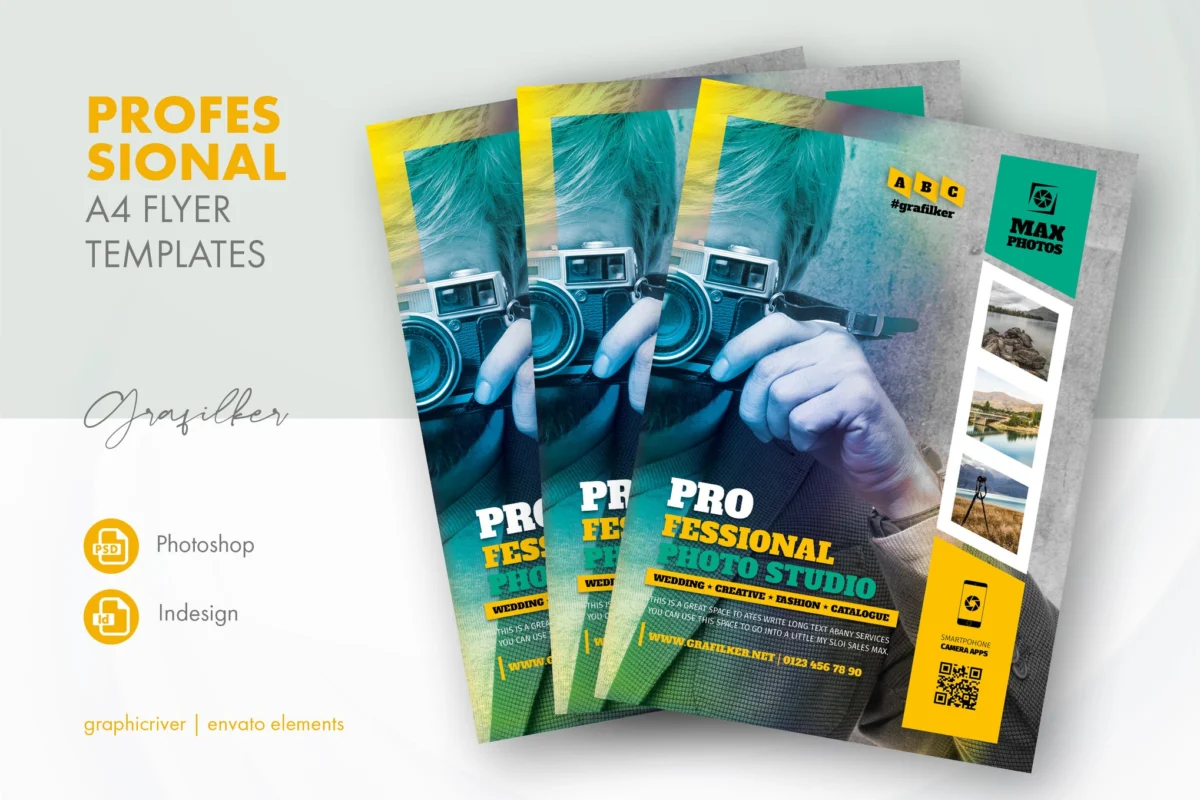
In the highly competitive world of professional photography, your portfolio is your most valuable asset. However, even the most breathtaking images can go unnoticed without the right marketing strategy. Whether you are a freelance portrait artist, a wedding specialist, or a studio owner looking to expand your reach, the way you present your services is just as important as the quality of your lens work.
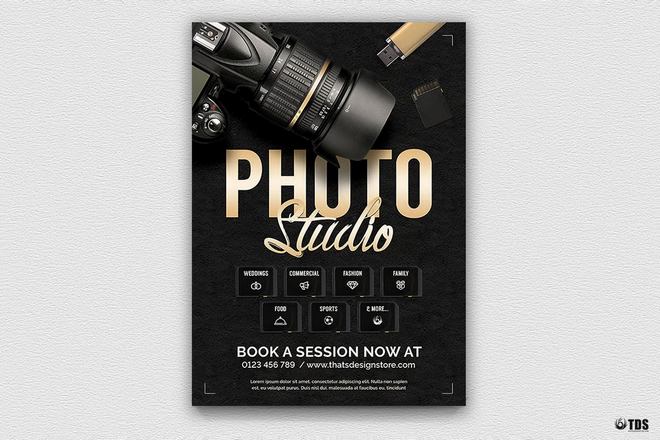
A high-quality, professionally designed photography flyer serves as a visual handshake. It is an invitation into your creative world and a critical tool for driving bookings. In this comprehensive guide, we explore the essential role of photography flyer templates, the impact they have on client acquisition, and a curated selection of the best resources available for professionals today.
The Strategic Importance of Professional Promotional Materials
Why Print Still Matters in a Digital World
While social media algorithms dictate much of the modern marketing landscape, print media remains an exceptionally effective way to reach local clients. A well-designed flyer placed in community centers, bridal boutiques, or local cafes acts as a permanent, tangible reminder of your brand. Unlike a fleeting Instagram post, a physical flyer provides a tactile experience that builds trust and authority.
The Role of Templates in Branding
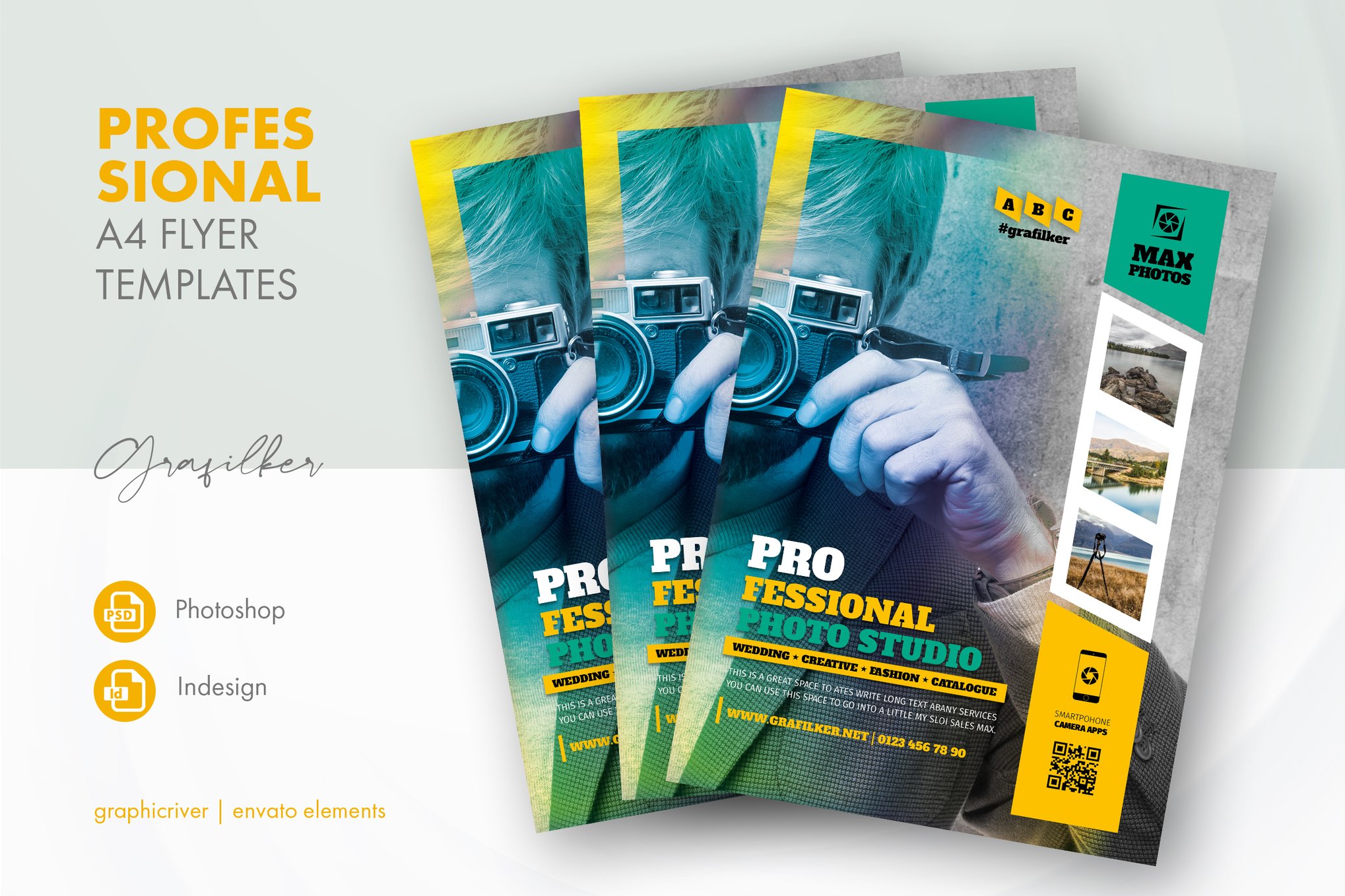
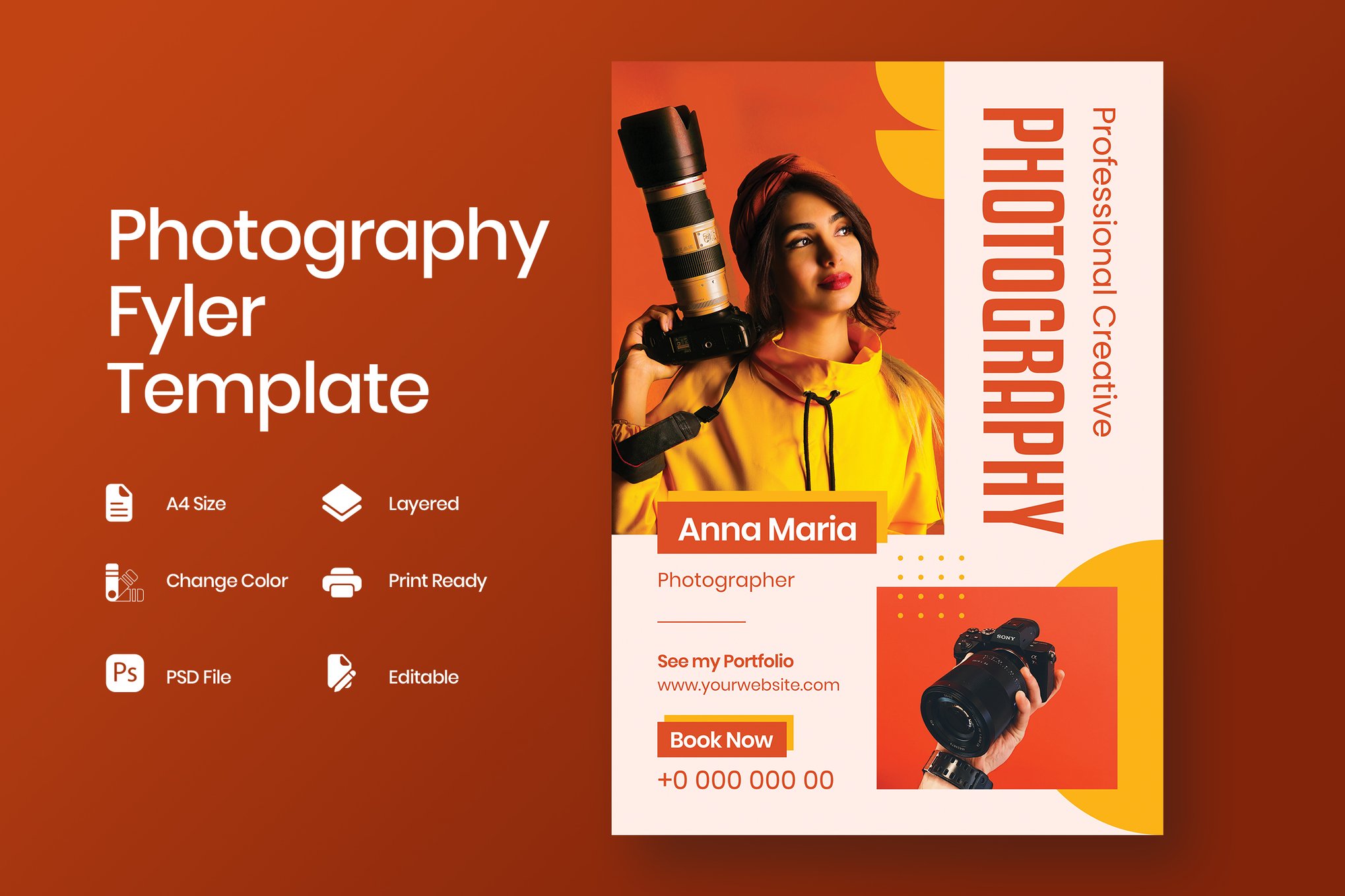
For many photographers, time spent designing marketing materials is time taken away from shooting or editing. This is where professional-grade templates become a game-changer. They provide a cohesive design language that ensures your branding remains consistent. By using structured layouts, you can ensure that your contact information, pricing, and key imagery are presented in a hierarchy that guides the viewer’s eye exactly where you want it to go.
Chronology of Design: How Templates Have Evolved
The history of photography marketing has transitioned from simple, text-heavy business cards to complex, image-forward layouts.
- The Early Era: Promotional materials were often limited to basic printouts with minimal graphic design, often relying on word-of-mouth.
- The Desktop Publishing Revolution: With the advent of Adobe Photoshop and Illustrator, photographers began creating their own flyers. However, this often led to "cluttered" designs that distracted from the photography itself.
- The Modern Template Era: Today, we have moved toward a "minimalist-impact" design philosophy. Current templates prioritize high-resolution imagery and clean typography, focusing on the "less is more" approach that lets the photographer’s work speak for itself.
Supporting Data: Why Design Influences Conversion
Studies in visual marketing consistently show that potential clients form an opinion about a business within the first 50 milliseconds of viewing an advertisement. For a photographer, a poorly formatted flyer suggests a lack of attention to detail—a trait clients do not want in a professional who is documenting their most important life events.
Using professionally crafted templates offers several advantages:
- High-Resolution Output: Most premium templates are built at 300 DPI, ensuring that when you go to print, your images don’t look pixelated or washed out.
- Color Accuracy: By utilizing templates set to CMYK color mode, you avoid the common pitfalls of color shifting that occur when translating digital RGB images to print.
- Layout Efficiency: Templates often utilize "smart objects" in software like Adobe Photoshop, allowing you to drop your images into a pre-set frame that handles the masking and sizing for you.
Essential Photography Flyer Templates for Professionals
When selecting a template, consider the specific niche of your business. Below is a breakdown of top-tier templates designed to help you stand out.
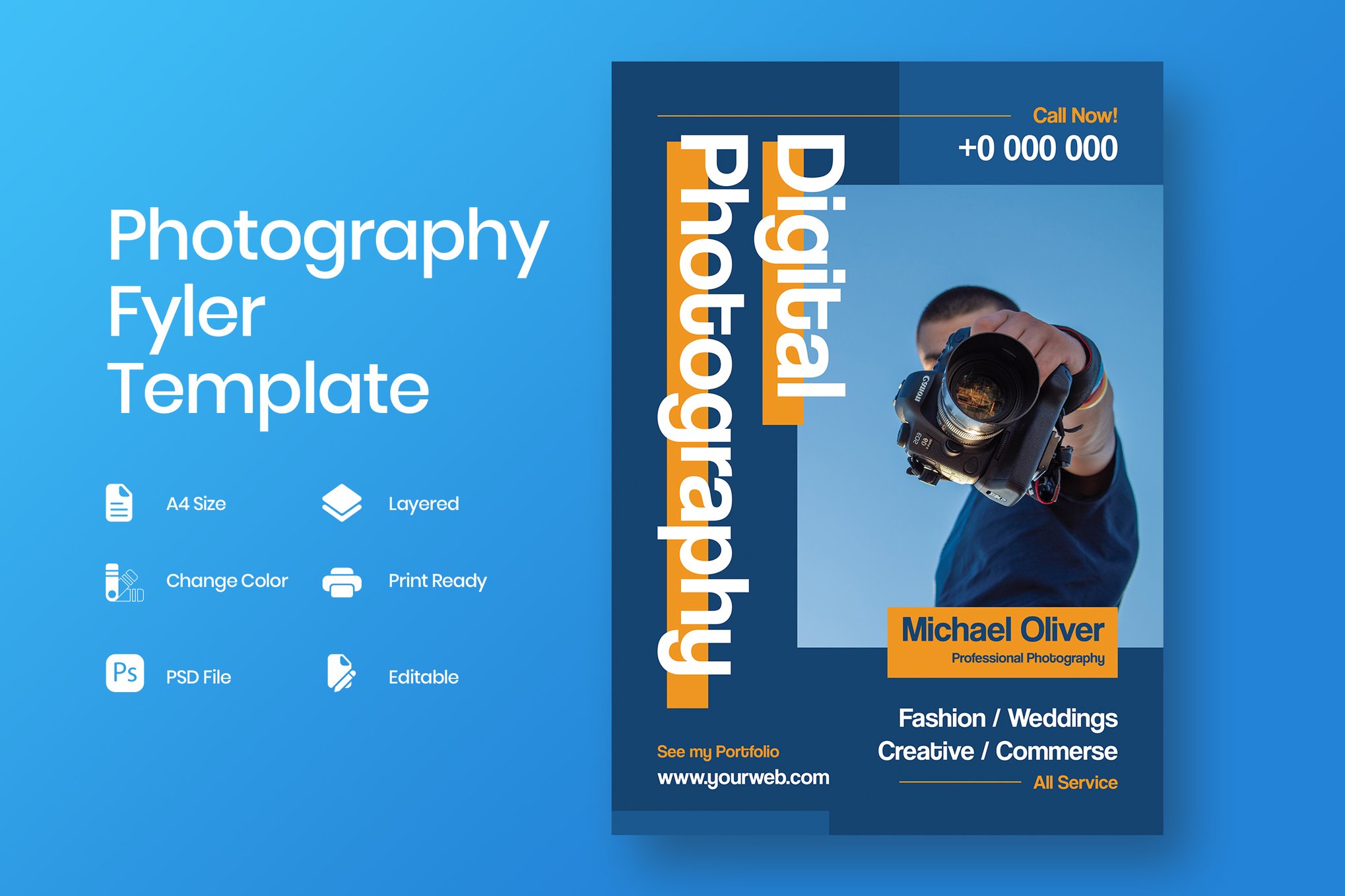
1. The Event Photographer Flyer Template
Designed for those who cover fast-paced events, this template offers a bold, dynamic layout. It is perfect for capturing the energy of a concert, a corporate gala, or a birthday bash. With fully layered PSD files, you can quickly swap out event details while maintaining a high-energy aesthetic.
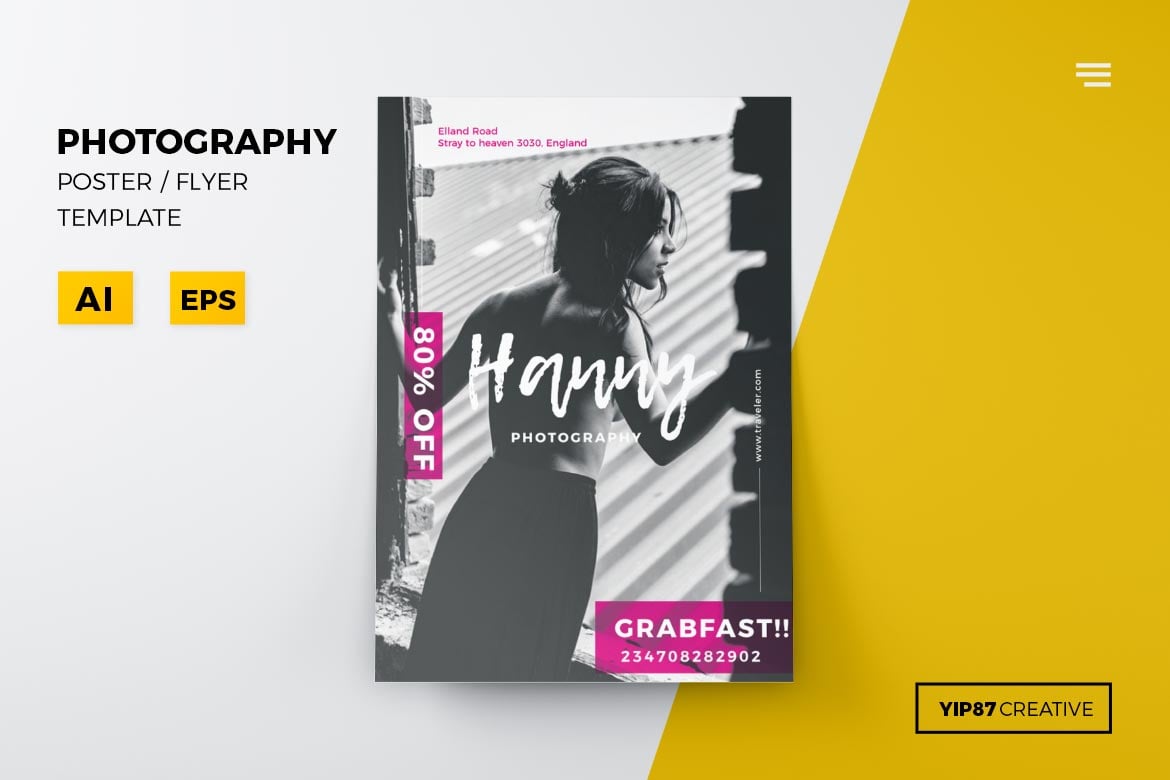
2. The Professional Photography Flyer Template
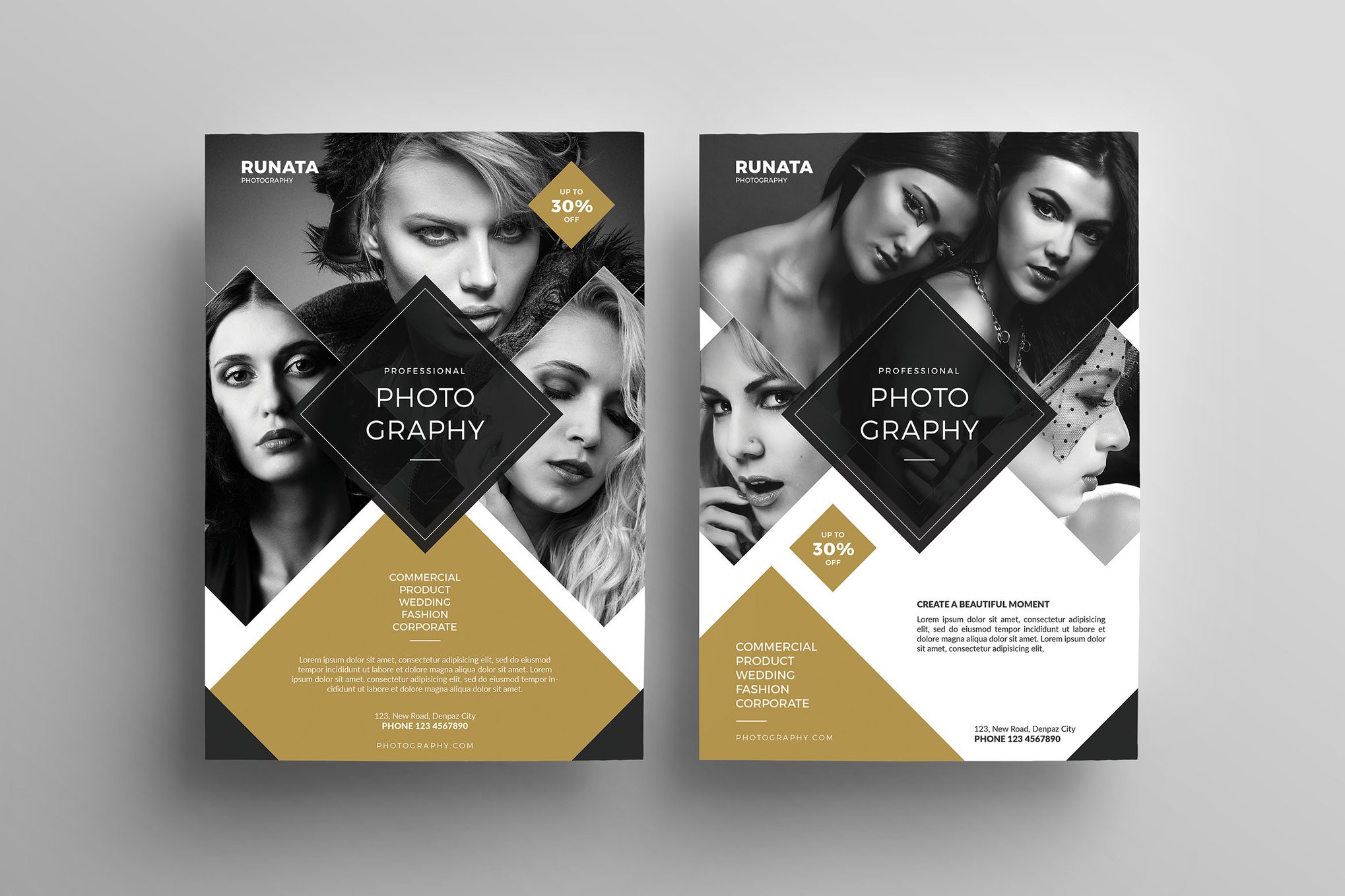
If you are looking to convey a high-end, luxury feel, this template is your best choice. It features a sophisticated, clean layout that is ideal for high-fashion or upscale portraiture. Available in both INDD and PSD formats, it provides the versatility needed for high-quality print production.
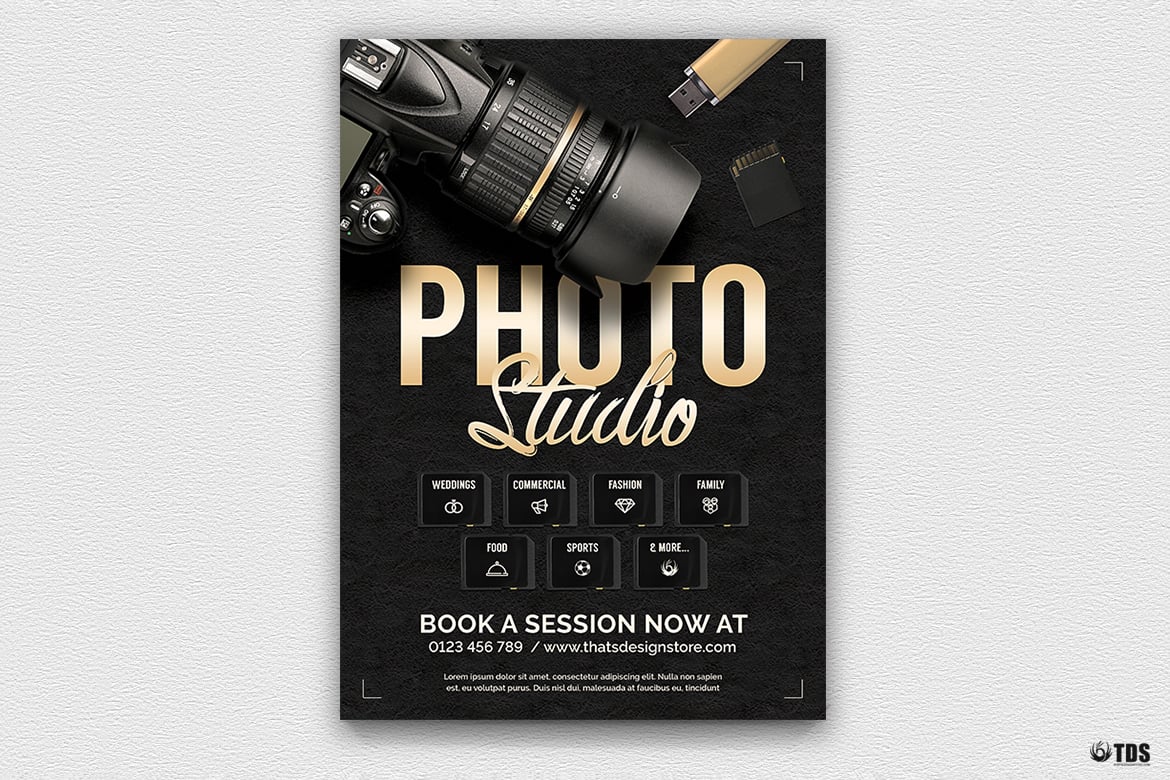
3. The Minimalist Creative Flyer
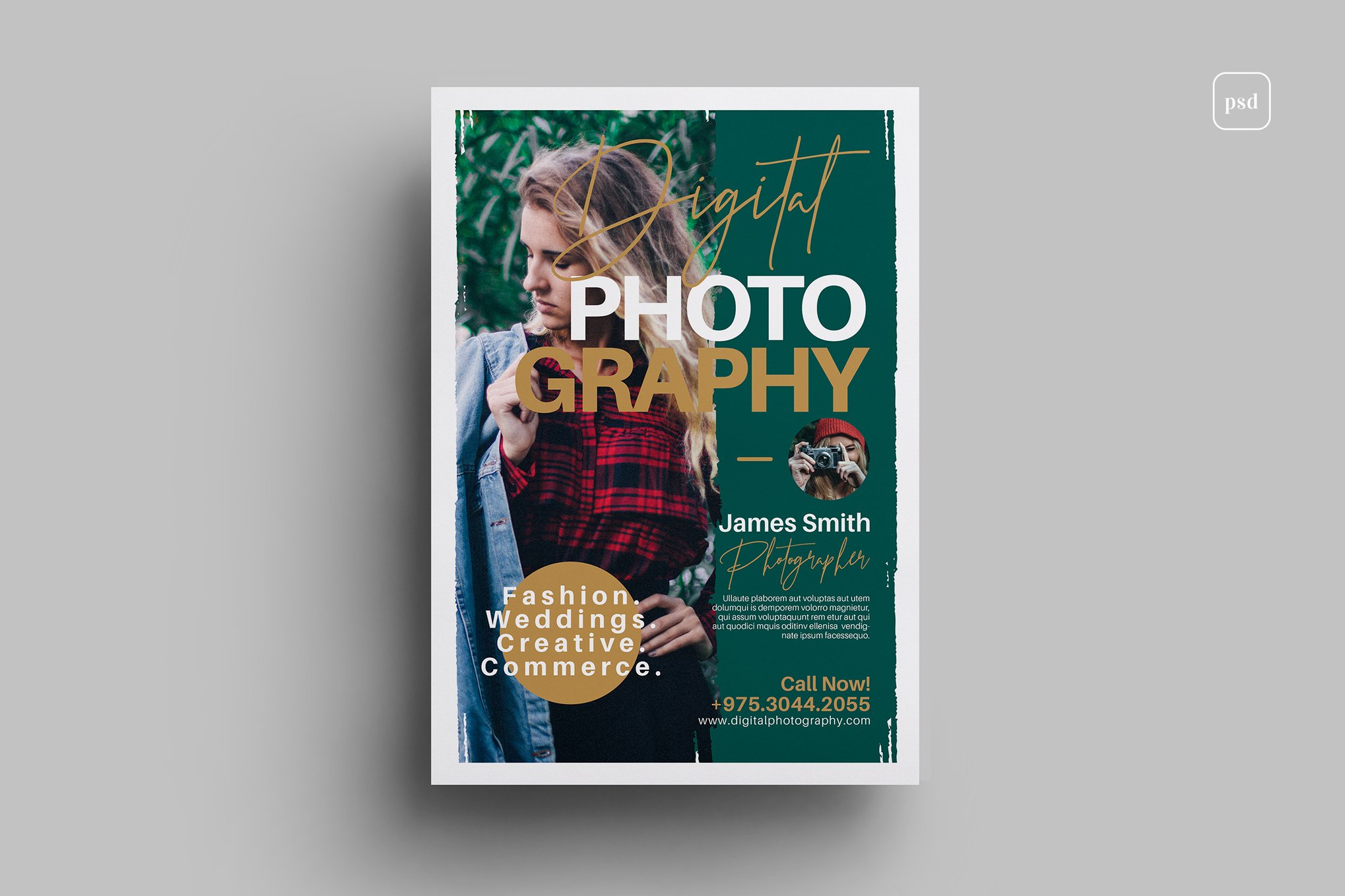
For the photographer who prefers a "gallery-style" approach, the minimalist template keeps the focus strictly on your images. The use of white space and elegant, understated typography allows the viewer to absorb your work without distraction.
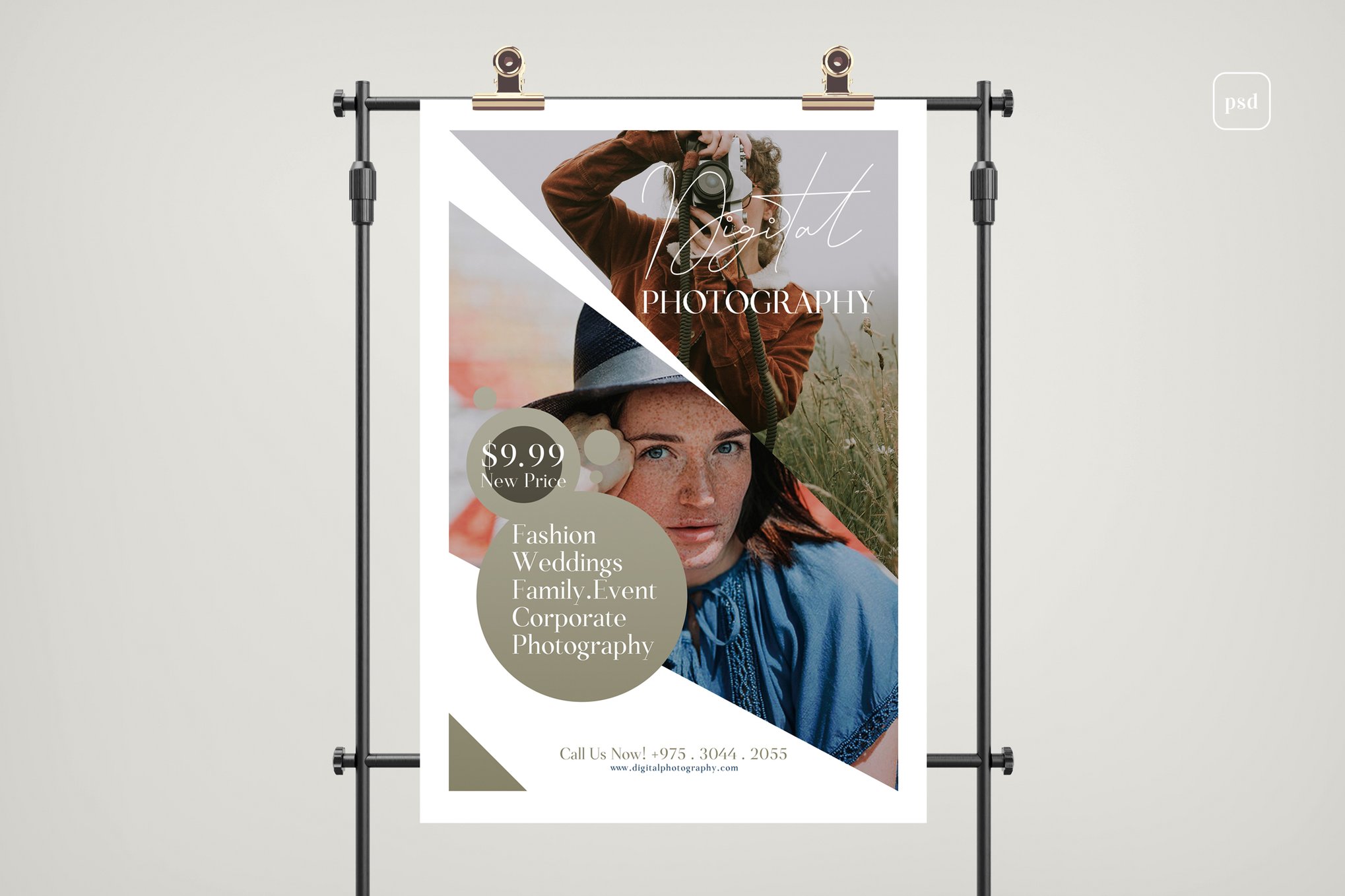
4. Focused and Modern: The "Focus" Series
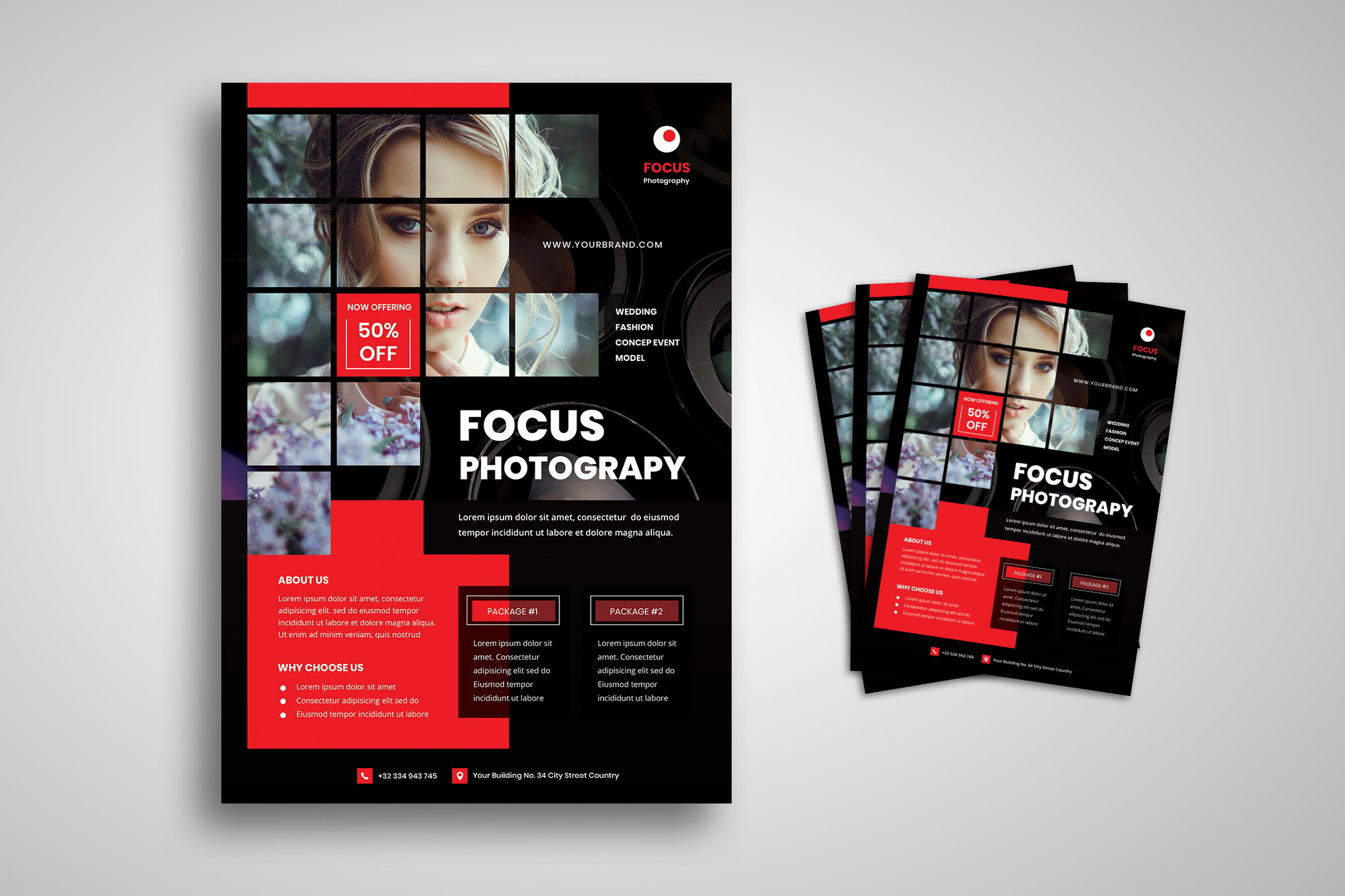
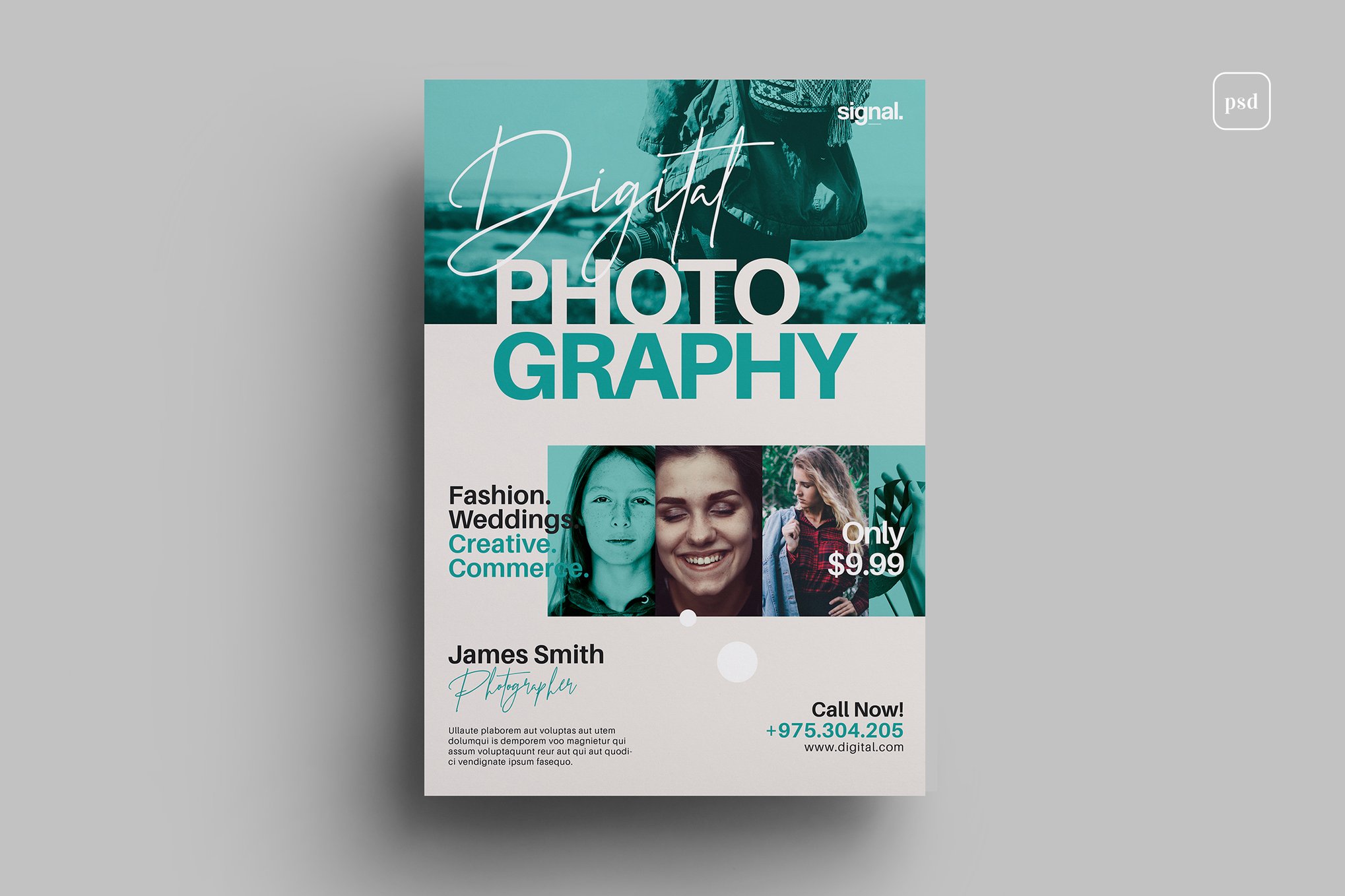
The "Focus" photography flyer template brings a contemporary edge to your promotions. It is organized with clean grid systems that are easy to customize, making it perfect for photographers who have a wide variety of work to showcase on a single page.
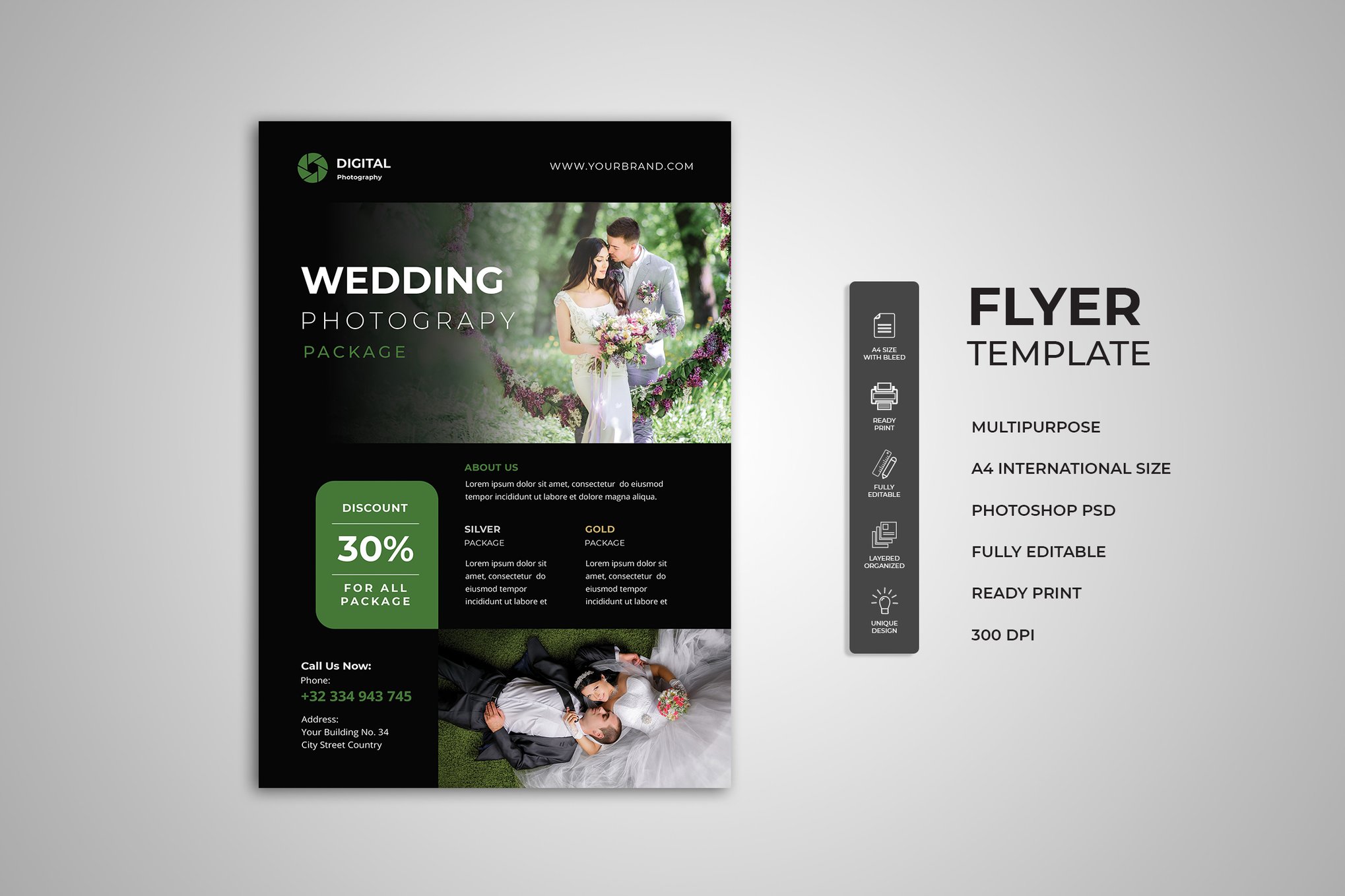
5. Specialized Niches: Wedding and Fashion
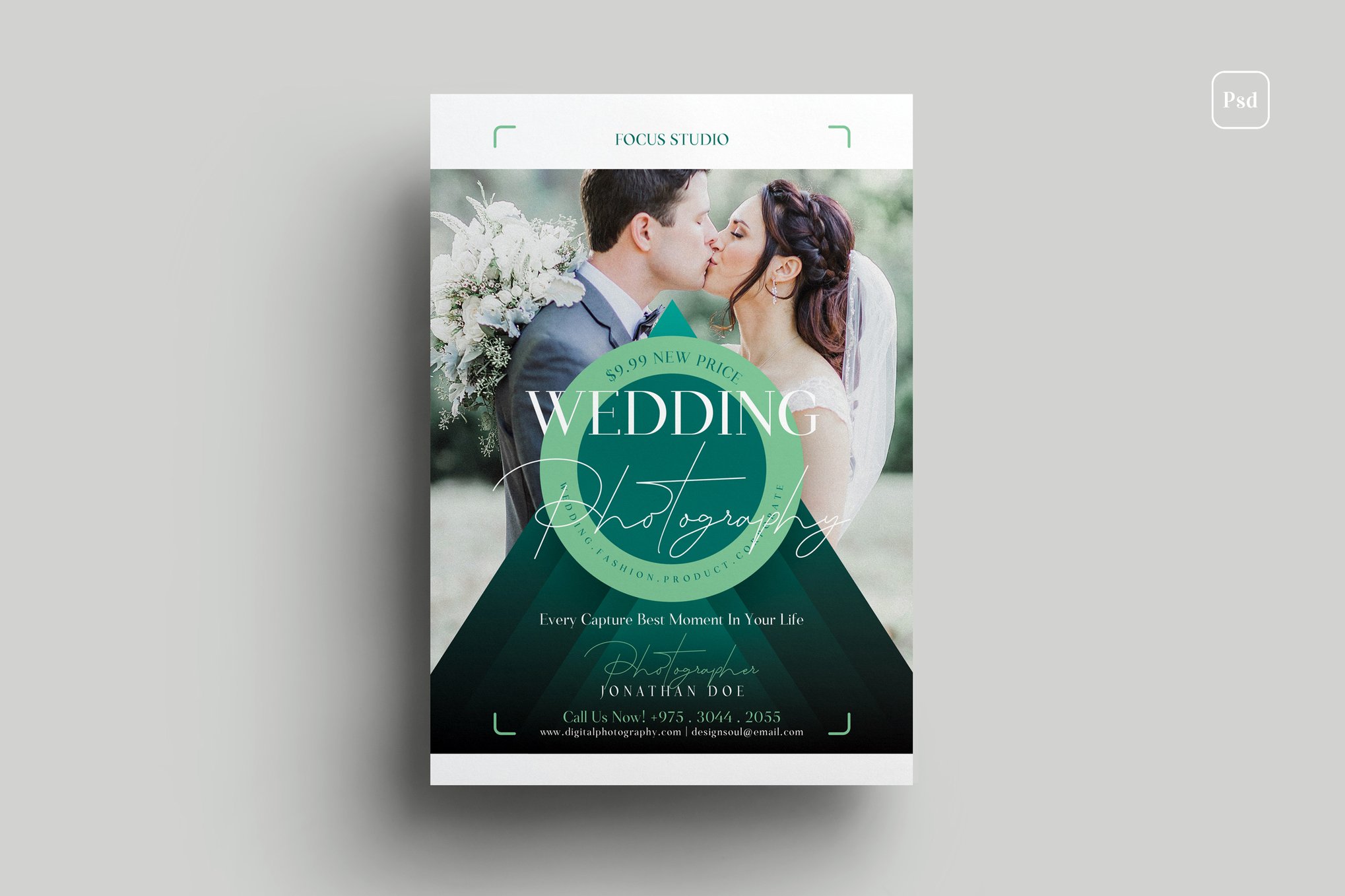
Wedding photography requires a delicate balance of emotion and information. The Elegant Wedding Photography Flyer uses soft tones and serif fonts to evoke the romance of the big day, while the Fashion Photography Flyer utilizes bold layouts and high-contrast imagery to appeal to models and agencies.
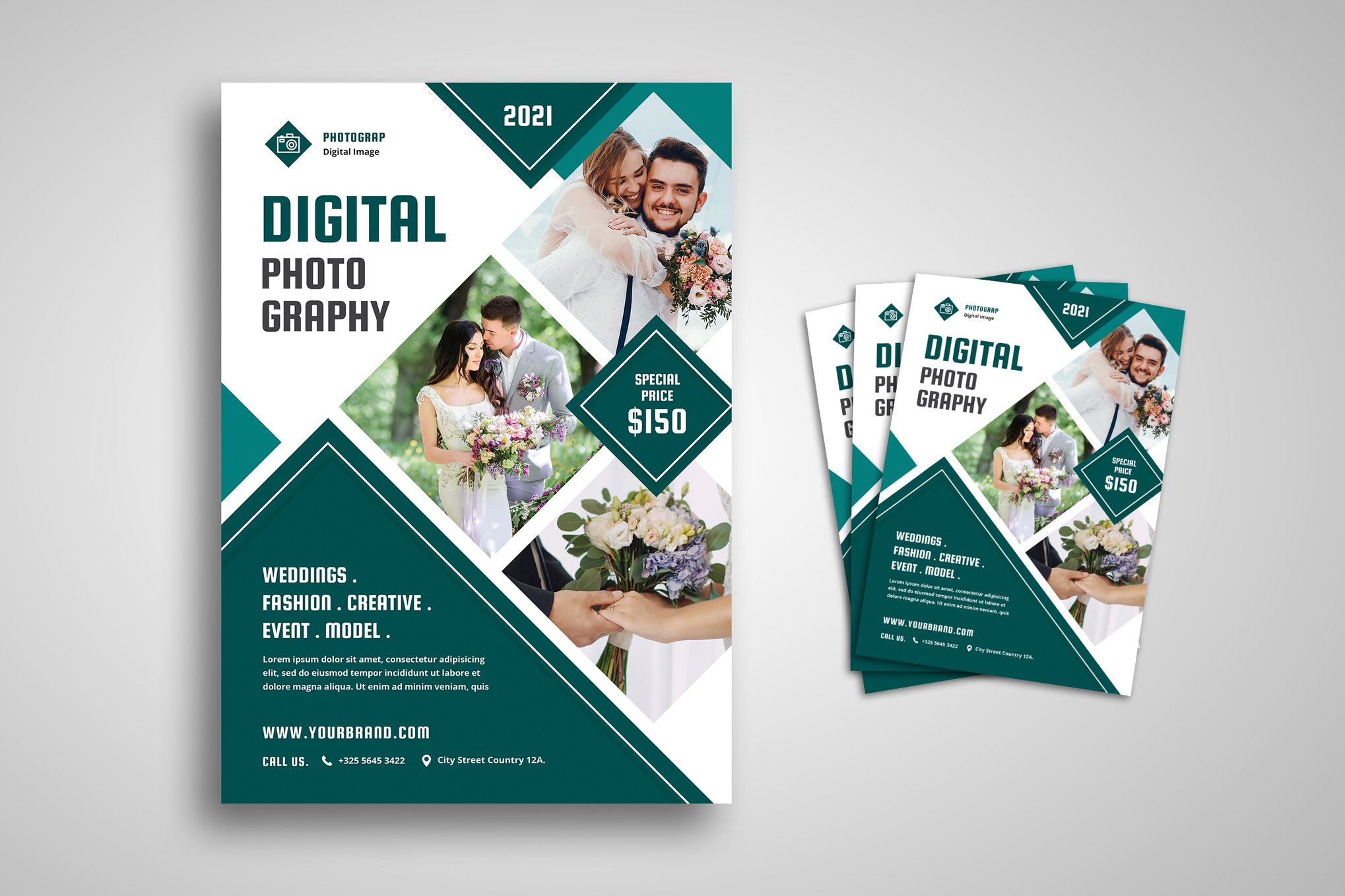
Implications of Using Ready-Made Assets
The primary implication of integrating professional templates into your workflow is the significant reduction in "time-to-market." Instead of spending five hours designing a layout, you can spend twenty minutes customizing a template and four hours shooting a client.
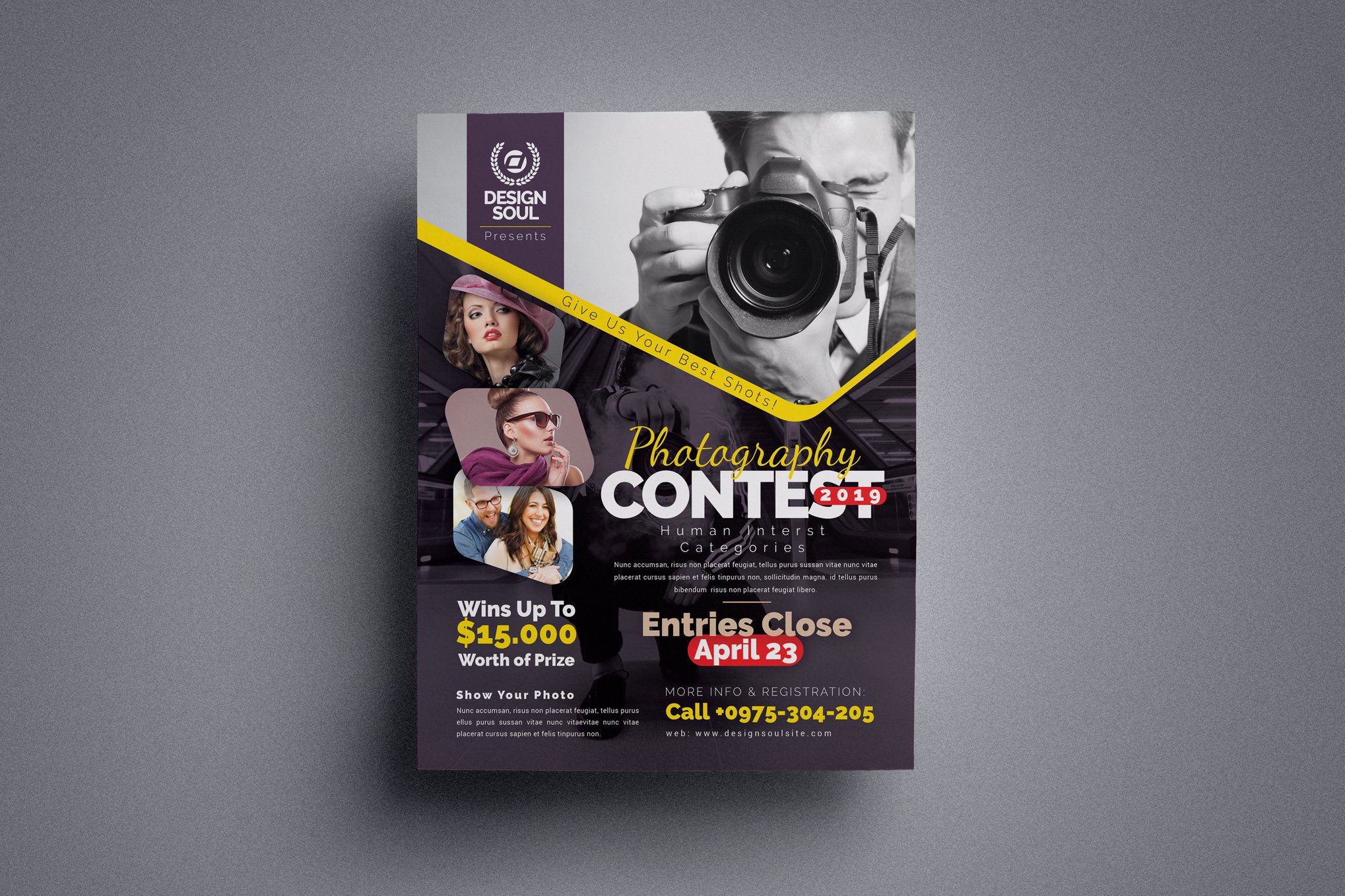
Furthermore, these templates often include "Help Files" and links to free fonts, removing the guesswork involved in typography pairing and layout balancing. For the solo entrepreneur, this is not just a convenience—it is a competitive advantage that allows you to maintain a professional image that rivals large-scale photography firms.
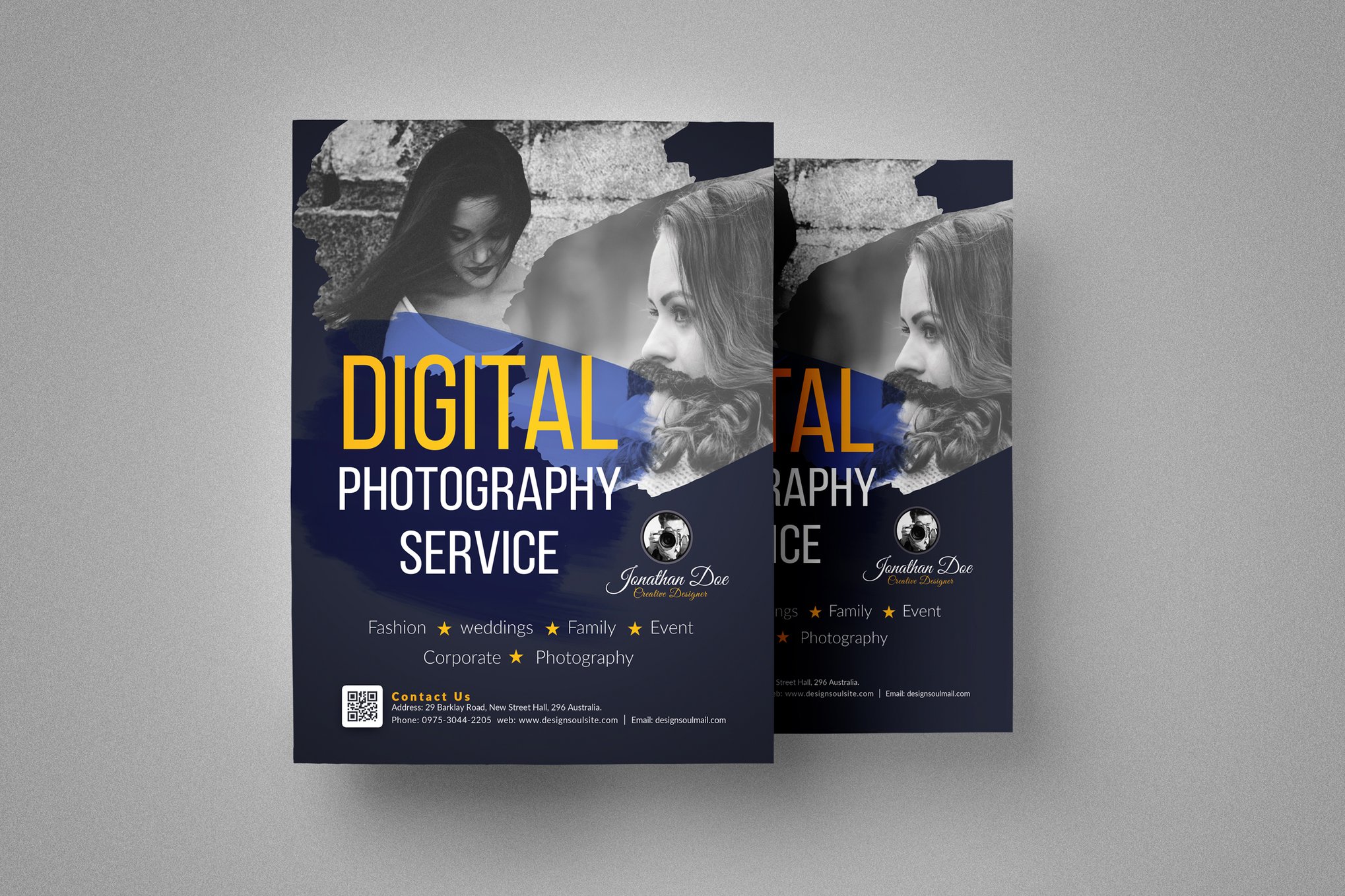
Official Recommendations and Best Practices
To get the most out of your chosen flyer templates, consider these industry-standard best practices:
- Quality Control: Always check the bleed settings. A 0.25-inch or 3mm bleed ensures that your prints look professional when cut at the printer.
- Typography Matters: While many templates come with recommended fonts, don’t be afraid to experiment with your own brand’s typography. However, keep it limited to two, at most three, font families to maintain a clean look.
- Call to Action (CTA): A beautiful flyer is useless if the client doesn’t know what to do next. Ensure your CTA—whether it is "Book Now," "Visit My Website," or "Scan for Portfolio"—is clear, bold, and placed in a high-visibility area.
- Paper Quality: Once you have used a top-tier template, do not skimp on the printing. A heavy cardstock with a matte or silk finish will elevate the perceived value of your services immediately.
Exploring Free Resources
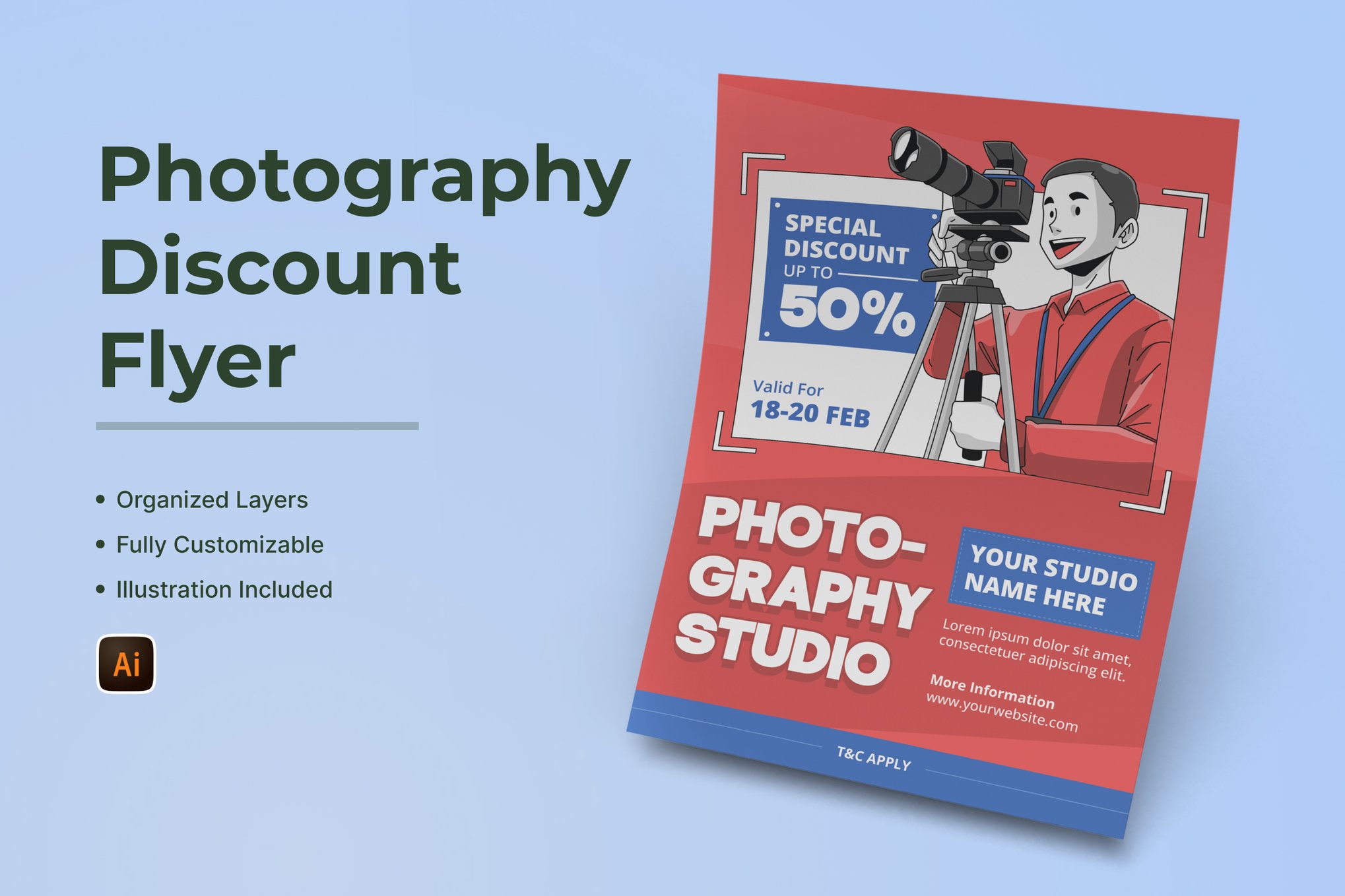
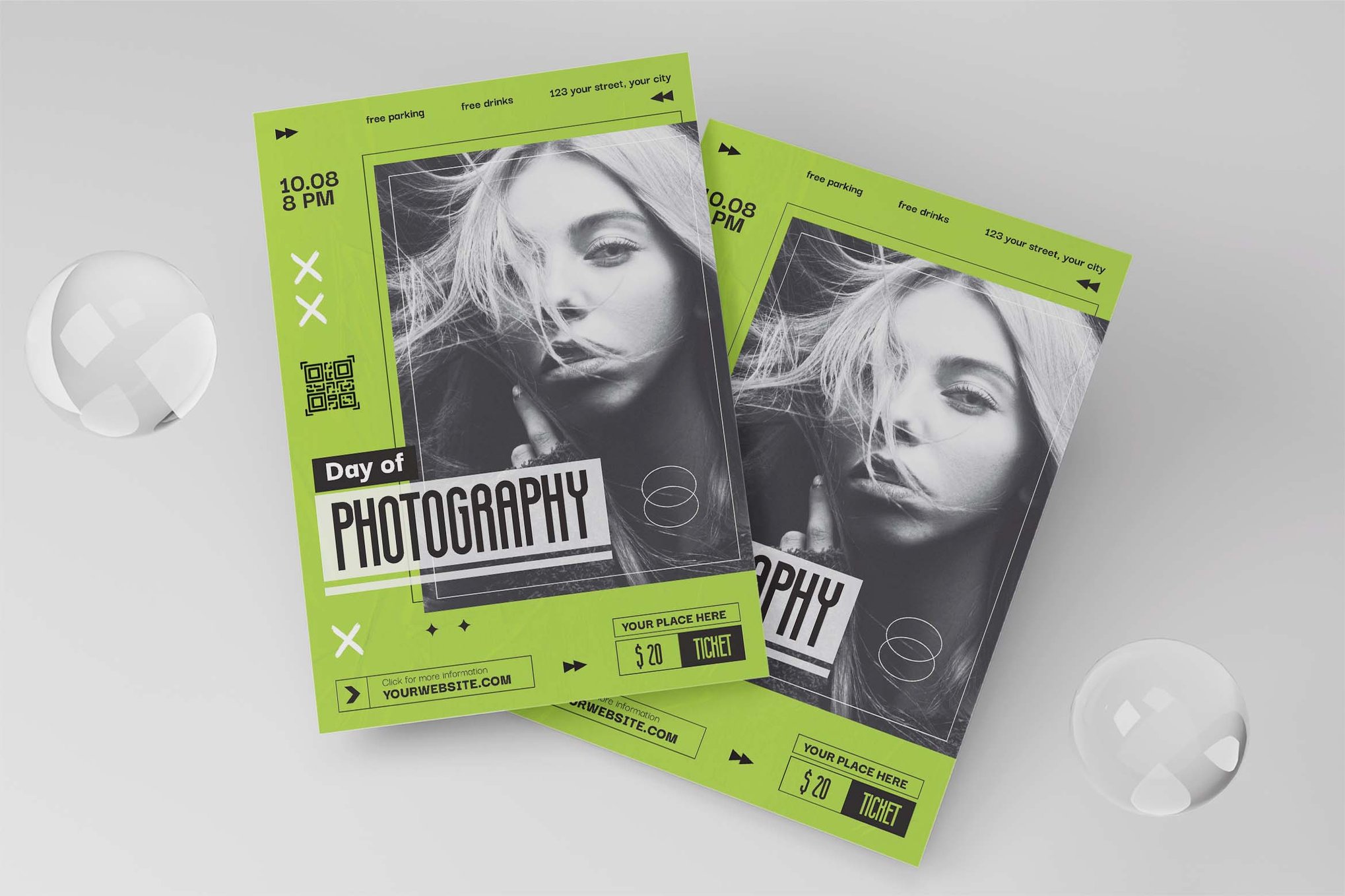
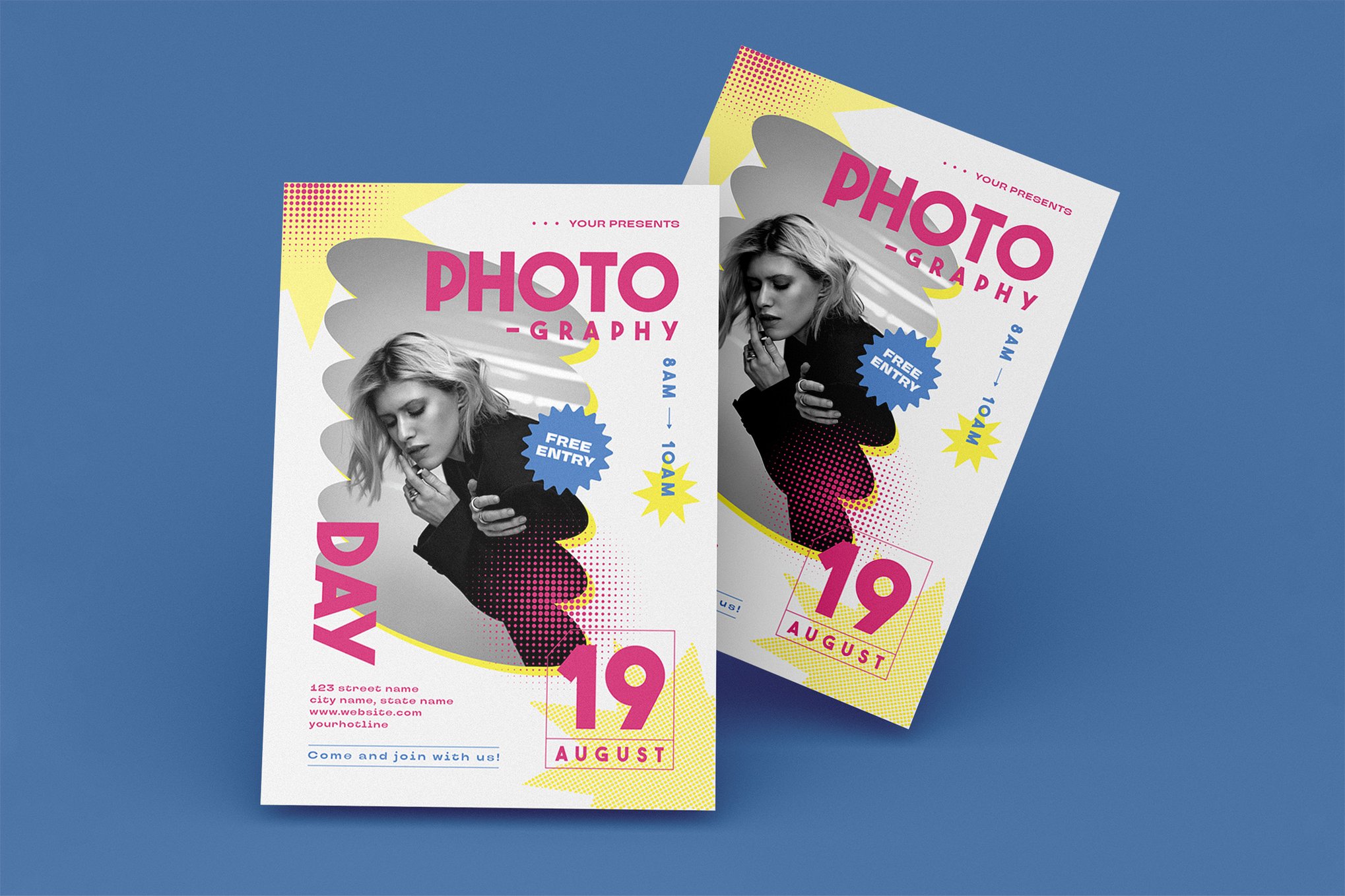
For those just starting their business, budget is often a concern. Fortunately, the market for free templates is robust. Resources such as the Photography Workshop Free Flyer Template or the Flat Design Photography Flyer offer professional-grade aesthetics without the initial investment.
While free templates may lack some of the advanced features of paid assets (such as extended commercial licenses or multiple layout variations), they are perfect for testing the waters and creating initial promotional material for small-scale projects.
Final Thoughts: The Path Forward
In an industry defined by visuals, your promotional materials are a reflection of your artistic standard. By leveraging professional photography flyer templates, you bridge the gap between your creative talent and your business acumen.
Whether you are hosting a workshop, promoting a seasonal mini-session, or launching a new studio location, the right template provides the foundation for success. Choose a design that aligns with your specific style, invest in high-quality printing, and watch as your professional presentation helps turn interested observers into loyal, long-term clients.
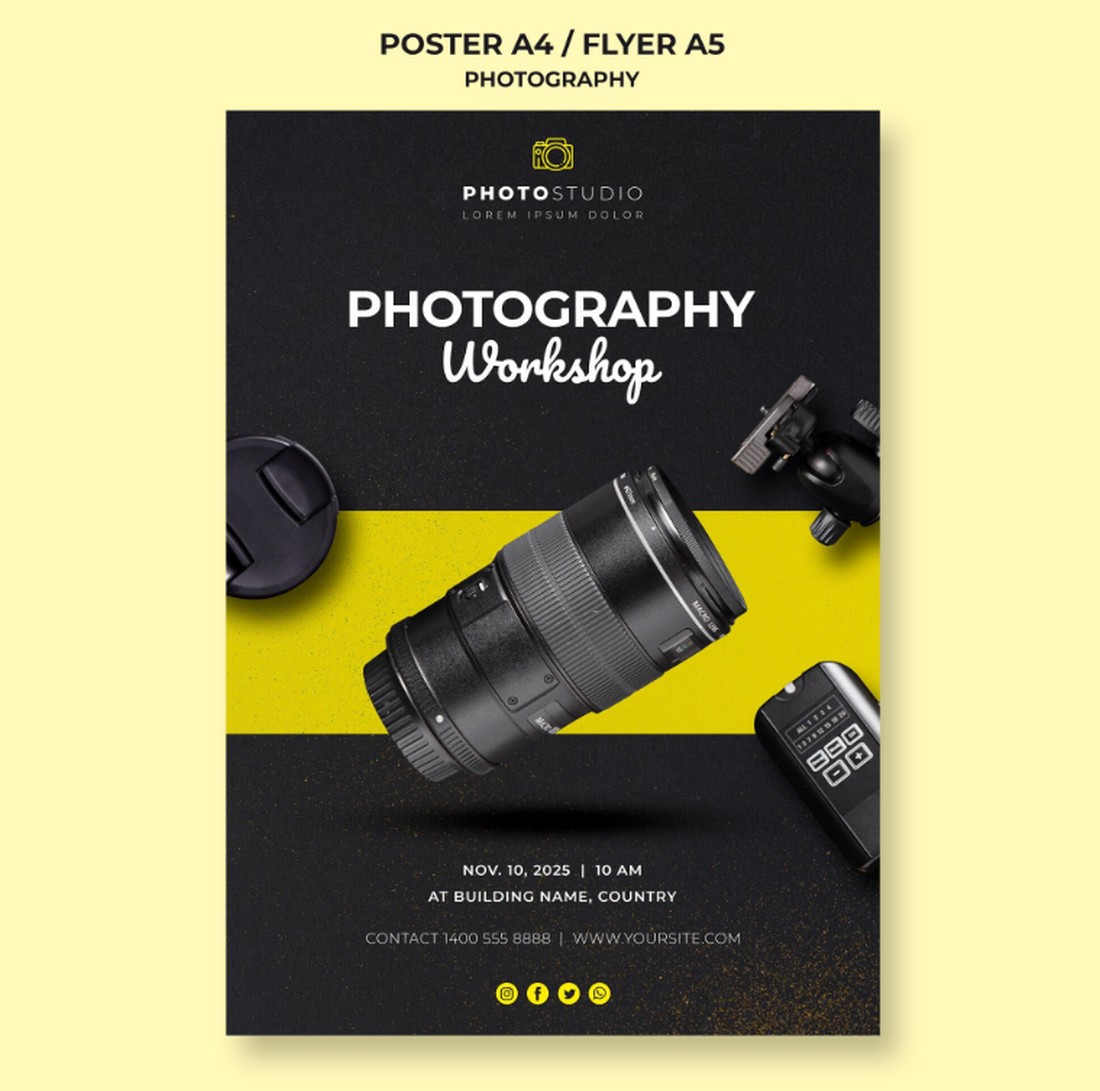
Remember, your photography is the art; the flyer is the frame. Make sure the frame is just as impressive as the masterpiece it holds.

 Sagoh
Sagoh
 Asep Darmawan
 Raul Delapena Setiawan
 Reynand Wu


 Azzam Bilal Chamdy
 Ali Ikhwan