
 Basiran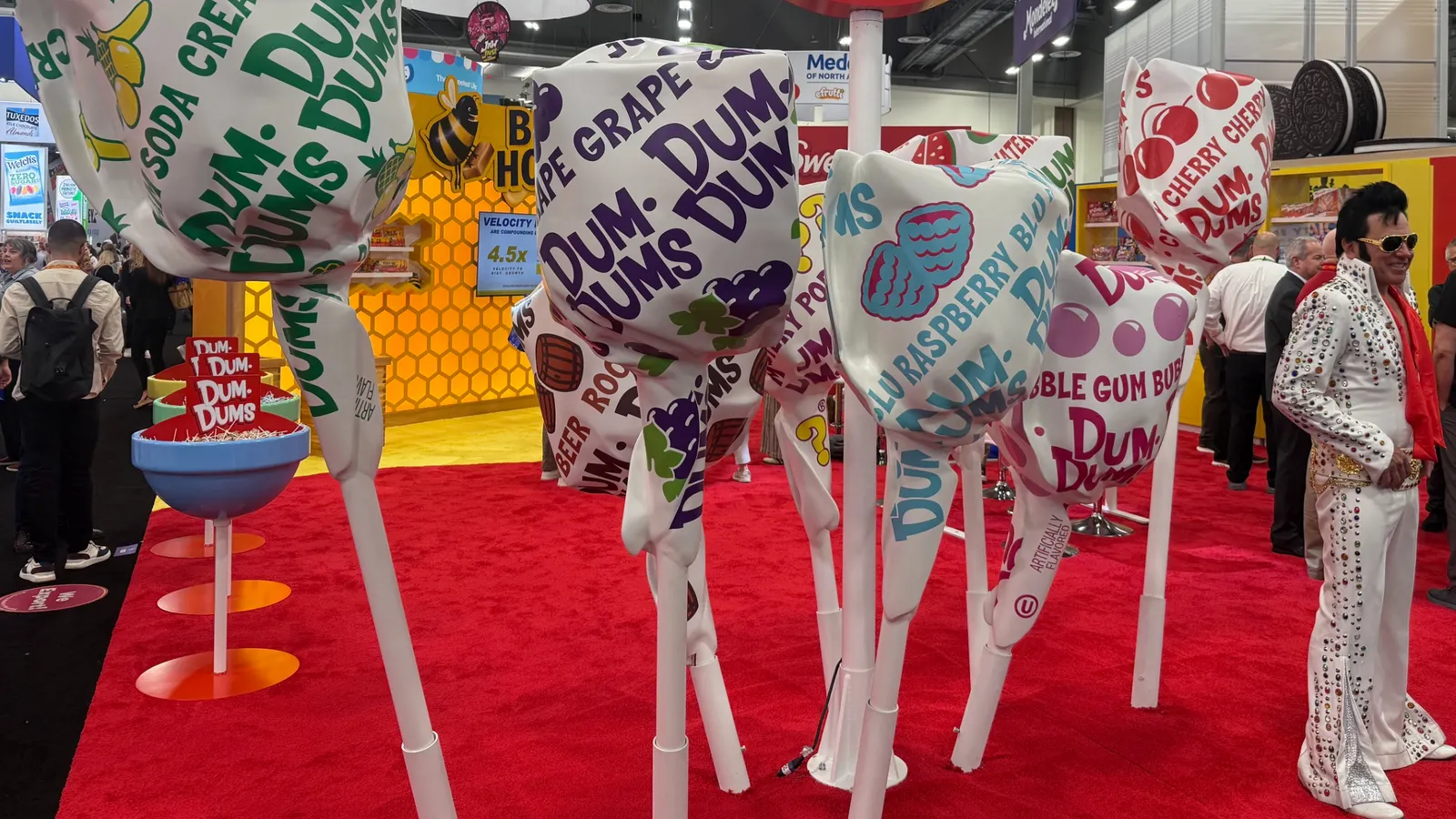
In an era defined by aggressive innovation, aggressive marketing, and the constant churn of "new and improved" consumer packaged goods, one Ohio-based firm is thriving by looking backward. Spangler Candy Company, a 120-year-old institution, has built a business model not on reinventing the wheel, but on lovingly polishing the spokes of brands that have anchored American childhoods for generations.
While global conglomerates chase the astronomical sales figures of chocolate giants like Mars or Hershey’s, Spangler has carved out a distinct, resilient niche. By focusing on the "nostalgia factor"—an intangible asset that competitors cannot replicate through sheer advertising spend—the company has managed to turn distressed, often bankrupt, legacy candy brands into consistent, growing performers.
The Foundation: A Century of Sweet Success
Spangler’s journey began in 1906, though it was not initially a confectionery powerhouse. Founded by Arthur G. Spangler, the company’s earliest days were spent producing practical staples: baking soda, cornstarch, and spices. It was not until 1908 that the company pivoted into the candy market, a move that would eventually define its entire corporate identity.
Today, the company is steered by fourth-generation leadership, maintaining the spirit of a family business while operating on a national scale. The company’s portfolio is a "Who’s Who" of American confectionery history. Notably, Spangler does not traditionally invent its own brands; instead, it has mastered the art of the acquisition, frequently stepping in to rescue iconic names from the brink of financial ruin.
Chronology of an Acquisition Strategy
The Spangler playbook is one of patient observation and surgical intervention. The company’s growth has been defined by strategic purchases that leverage existing brand equity:
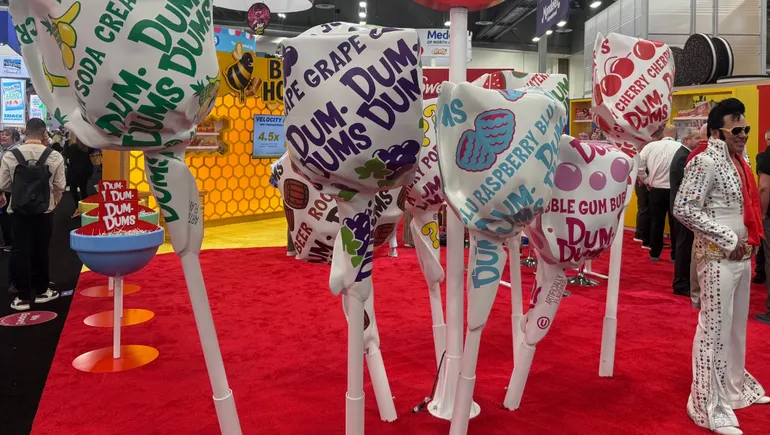
- 1953 – The Dum-Dums Expansion: Perhaps the company’s most pivotal acquisition, the purchase of Dum-Dums allowed Spangler to dominate the "transactional" candy space. Today, the company produces a staggering 2.3 billion lollipops annually, cementing their presence in banks, school offices, and barbershops across the country.
- 1954 – The Candy Cane Powerhouse: Building on the success of their lollipops, Spangler entered the seasonal market. Through consistent production and quality control, the company now manufactures nearly half of all candy canes sold in the United States.
- 2018 – The Necco Era: When the New England Confectionery Company (Necco) collapsed, Spangler moved to acquire the rights to the iconic Necco Wafers. Unlike other acquisitions where the company felt compelled to "fix" the product, Spangler recognized the cultural weight of the brand and chose to preserve the original, 200-year-old recipe to avoid alienating a fiercely loyal customer base.
- 2020 – The Bit-O-Honey Pivot: Recognizing that the aging brand needed a modern touch, Spangler acquired Bit-O-Honey. This acquisition served as a case study for the company’s "TLC" (Tender Loving Care) approach, involving a total brand refresh that resulted in a 50% surge in sales.
Supporting Data: Growth in a Competitive Landscape
Despite the dominance of chocolate, caramel, and crispy-bit-filled snacks, Spangler reports a steady annual growth rate of 3% to 5%. While these figures might seem modest compared to the volatile tech sector, in the mature, low-growth confectionery market, they represent a significant victory.
The success of the Bit-O-Honey turnaround is particularly illustrative. Upon acquiring the brand, Spangler conducted deep-dive market research to understand why the product had lost its luster. The findings suggested the brand had become too "juvenile" for its core demographic: adults. Spangler responded by rebranding the packaging, updating the mascot, and, crucially, reverting to the original, softer recipe with a higher almond content. The 50% sales spike following these changes serves as a powerful validation of their "restore, don’t replace" strategy.
Official Perspectives: The Philosophy of Legacy
Evan Brock, Vice President of Marketing at Spangler, is the public face of this nostalgic strategy. He frames the company’s success as a matter of protecting cultural heritage.
"These brands have incredible history to them," Brock explains. "That history makes them very difficult for competitors to come and take their place. You obviously can’t replicate that kind of nostalgia, that kind of legacy overnight."
Brock’s philosophy centers on the idea that every brand has a soul, and the company’s job is to curate that soul for a new generation without stripping away its identity. "The truth is, other marketers, other brands would kill for the kind of nostalgia that our brands have," he notes. "But there is a process of keeping them relevant with consumers that just has to be done to sustain these types of legacies."
The Modernization of Tradition: Sweethearts and the Economy of Love
The most visible example of Spangler’s ability to modernize without losing the "classic" feel is the Sweethearts brand. Acquired alongside other assets, Sweethearts presented a unique challenge: how to maintain the signature crunch and flavor profile while ensuring the brand remains relevant in a modern social landscape.
The company’s solution was to use the candy’s inherent "voice" to tap into current cultural conversations. In a bold move leading up to Valentine’s Day, Spangler introduced a series of "Love in This Economy" themed messages. Phrases like "Split Rent," "Share Login," and "Buy n Bulk" appeared on the hearts alongside the traditional "Cutie Pie" and "Marry Me." This injection of wit served to highlight the brand’s uniqueness—it is, after all, the only candy that actively communicates with the consumer—while grounding it in the relatable, often humorous realities of contemporary dating.
Strategic Implications: Why "Old" is the New "New"
The implications of Spangler’s success for the broader food and beverage industry are profound.
1. The Value of Emotional Equity
Spangler proves that emotional connection is a tangible financial asset. In an economy where consumers are increasingly skeptical of mass-produced, generic goods, brands that evoke memories of childhood or tradition carry an inherent "trust premium."
2. The Bankruptcy Buyout Model
Spangler has demonstrated that distressed assets often suffer from neglect rather than lack of potential. By identifying brands that have failed due to operational mismanagement or lack of investment—rather than a lack of consumer desire—Spangler has developed a high-reward strategy for growth. They aren’t betting on the next big trend; they are betting on the endurance of the past.
3. Precision Over Wholesale Change
The stark contrast between the treatment of Bit-O-Honey (a total refresh) and Necco Wafers (preserving the status quo) highlights the necessity of analytical precision. Spangler’s leadership understands that the "nostalgia trap" is real: change too much, and you lose the legacy; change too little, and you lose the market. Their ability to distinguish between these two paths is the engine of their longevity.
Conclusion: Sustaining the Legacy
As Spangler Candy Company looks toward the future, it remains an outlier in a corporate world obsessed with the next quarter’s disruption. By prioritizing heritage, respecting original recipes, and applying just enough modernization to keep the products relevant, they have achieved something rare: a business that grows by staying rooted.
The company stands as a testament to the idea that some things, when handled with the right amount of care and respect, truly do get better with age. In the crowded aisles of the candy world, Spangler has proven that the sweetest path forward is often the one that honors where we have been. Through its disciplined approach to acquisitions and its unwavering commitment to the brands that defined 20th-century American life, Spangler is ensuring that its own legacy—and those of the brands it carries—will continue to delight consumers for generations to come.

 Jia Lissa

 Nila Kartika Wati
 Sagoh
Sagoh

 Lina Hope