
 Lina Irawan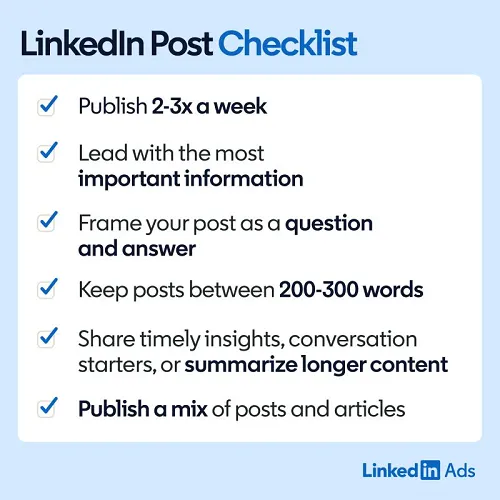
In the evolving landscape of professional social networking, LinkedIn has moved beyond its origins as a digital rolodex to become one of the internet’s most significant repositories of professional knowledge. As the platform’s influence grows, so does its role as a primary training ground for Large Language Models (LLMs) and generative AI search tools. Recognizing this shift, LinkedIn has released a definitive guide on how creators and brands can optimize their content to satisfy both the platform’s engagement algorithms and the growing demand for AI-driven information retrieval.
The core of LinkedIn’s recent guidance centers on a strategic paradox: while human readers crave brevity and interaction, AI systems prioritize structure, keyword density, and consistency. Balancing these two requirements has become the new "gold standard" for professional content marketing.
The Core Pillars: A Checklist for Content Performance
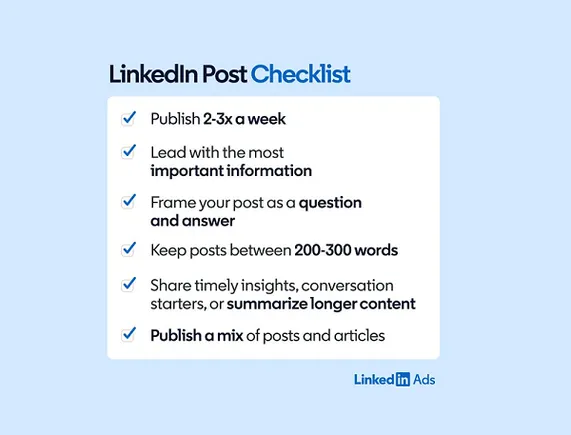
LinkedIn’s latest advisory provides a structural framework for users looking to maximize reach. Whether you are an individual thought leader or a corporate brand, the platform suggests that your content strategy should be governed by a rigorous set of best practices.
1. The Frequency and Consistency Mandate
LinkedIn is explicit: consistency is the primary driver of reach. Algorithms favor creators who signal reliability. Posting two to three times per week is the recommended baseline. This cadence prevents a profile from going "stale" in the eyes of the algorithm while providing enough data points for the system to understand the creator’s niche.
2. The Power of "The Prompt"
Every post should serve as a conversation starter. LinkedIn suggests that updates must include a question or a call-to-action (CTA) to spark ongoing discussion. Engagement is no longer just about passive consumption; it is about community building. The more a post triggers a string of comments, the more the algorithm perceives the content as high-value, leading to expanded reach in the "Featured" and "Following" feeds.
3. Embracing Long-Form Content
Contrary to the "short and snappy" trend seen on platforms like X (formerly Twitter) or TikTok, LinkedIn is doubling down on depth. The platform has advised that longer, more substantive updates tend to generate higher interest levels. This shift rewards creators who can provide nuanced insights rather than surface-level observations.
Chronology of the Shift: From Networking to Knowledge Base
To understand why these changes are happening, one must look at the recent history of the platform. Historically, LinkedIn served as a gateway for job hunting and B2B lead generation. However, over the past 24 months, the platform has seen a massive surge in original content creation.
- Early 2023: LinkedIn began prioritizing "Expertise" in its ranking algorithms, de-emphasizing viral "engagement bait" in favor of industry-relevant insights.
- Late 2023: The rise of generative AI tools like ChatGPT, Claude, and Gemini began to index LinkedIn’s public feed as a primary source for real-time professional perspectives.
- 2024: LinkedIn officially recognized its role as a critical knowledge source, leading to the development of tools and advice specifically aimed at making content "AI-readable."
This evolution reflects a broader shift in how users find answers. Instead of searching a traditional search engine, professionals are increasingly turning to AI chatbots that synthesize LinkedIn posts to provide summarized, expert-backed answers to complex business queries.
Optimizing for the Machine: The "AI-First" Content Strategy
Davang Shah, Vice President of Marketing at LinkedIn, recently pulled back the curtain on how AI interprets human content. His insights offer a blueprint for creators who want their work to be referenced by the next generation of search engines.
The Anatomy of an AI-Friendly Post
The most critical takeaway from the platform’s latest guidance is the importance of the opening line. In many cases, LinkedIn uses the first sentence of a post to generate the URL for that specific update.
- The Keyword Trap: Creators should avoid starting posts with generic hashtags (e.g., #socialmedia, #marketing). These hashtags create clunky, generic URLs that provide zero semantic signal to search engines.
- The Keyword Advantage: Instead, lead with the core topic. A strong opening sentence that includes relevant keywords acts as an SEO anchor, making it significantly easier for AI models to categorize and retrieve the post when answering user queries.
Formatting for Retrieval
AI models struggle with "walls of text." To maximize visibility, LinkedIn suggests:
- Short Paragraphs: Breaking up thoughts into small, digestible chunks allows AI to parse the logical flow of an argument.
- Lists and Sequences: Using numbered lists or bullet points is highly recommended. These formats are easy for LLMs to extract, summarize, and present in a structured format within a chatbot response.
Supporting Data: Why Engagement Matters
The platform’s data is clear: engagement in the first 24 hours is the most significant indicator of a post’s long-term success.

- The First-Hour Rule: Engaging with comments within the first 60 minutes of posting is crucial. This active participation creates a "virtuous cycle" of notifications, drawing more users back to the post and signaling to the algorithm that the content is generating live value.
- Quality over Quantity: Not all engagement is created equal. LinkedIn’s internal metrics suggest that "high-quality comments"—those that offer unique perspectives, pose thoughtful questions, or provide additional data—are ranked more heavily than simple reactions (like "likes" or "claps"). These comments effectively become part of the content itself, adding depth that the algorithm and AI systems then index.
Official Responses and Strategic Implications
The implications for professional branding are profound. LinkedIn is no longer just a place to post; it is a place to be referenced.
Implications for Content Creators
Creators must shift their mindset from "writing for an audience" to "writing for a knowledge graph." By structuring content logically and focusing on high-signal, keyword-rich language, creators can position themselves as authorities that AI models "trust." This creates a long-term compound interest effect where a single high-quality post continues to generate traffic months later because it is consistently cited by AI tools as a source of truth.
Implications for Brands
Corporate social media teams must pivot. The days of posting generic company news or press releases are effectively over. LinkedIn’s guidelines suggest that brands need to act like publishers. They must curate content that answers specific industry questions, maintains a regular schedule, and encourages genuine, high-level discourse.
The Future of "Search"
As AI search becomes the default mode of discovery, the competition for the "top answer" will intensify. If your content follows the structural guidelines provided by LinkedIn—clear openings, logical formatting, and consistent, high-value engagement—your organization will be the one quoted when a professional asks a chatbot about your industry.
Conclusion: The Path Forward
The convergence of human engagement and AI visibility is the defining challenge of modern digital marketing. LinkedIn’s recent guidance is a clear signal: the platform is prioritizing deep, structured, and consistent knowledge over fleeting virality.
For those willing to adopt these habits—posting two to three times a week, leading with keywords, formatting for readability, and fostering authentic conversations—the rewards are significant. In an era where information is abundant but clarity is scarce, the creators who learn to speak the dual language of humans and machines will undoubtedly lead the next wave of professional influence. The checklist provided by LinkedIn is not merely a set of tips; it is a roadmap for ensuring that your voice remains audible in a crowded, AI-powered digital landscape.


 Reynand Wu
 Iffa Jayyana
 Raul Delapena Setiawan

 Sagoh
Sagoh

 Azzam Bilal Chamdy
 Ali Ikhwan