
 Suro Senen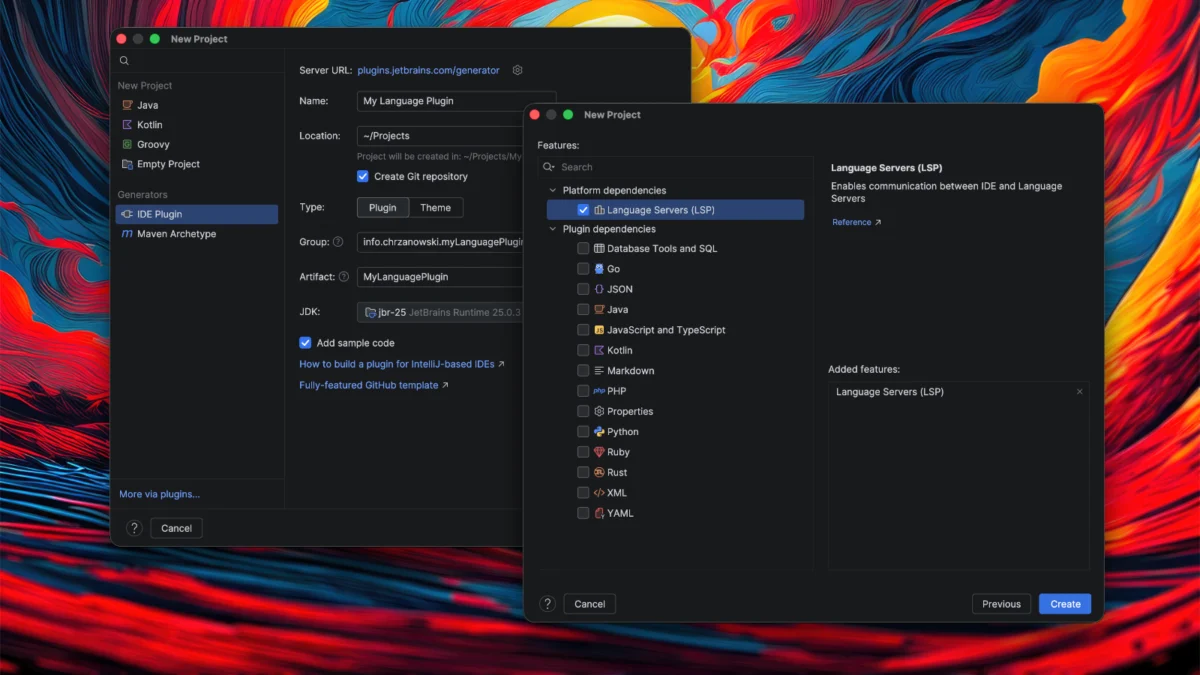
In a move set to reshape the landscape of plugin development, JetBrains has announced a major strategic shift: the upcoming open-sourcing of its internal Language Server Protocol (LSP) client API. Historically reserved for the company’s commercial suite of IDEs, this robust, production-ready framework will be integrated into the open-source IntelliJ Platform starting with the 2026.1.4 stable build. This decision marks a significant milestone in the evolution of the IntelliJ ecosystem, effectively lowering the barrier to entry for developers and ensuring consistency across diverse environments, including Android Studio.
The Problem: The Fragmentation of Language Support
The Language Server Protocol (LSP) was conceived as a universal solution to a perennial problem in software engineering: the "N x M" integration headache. Traditionally, if a language creator wanted their language supported in ten different editors, they would have to build ten separate plugins. Conversely, each IDE had to build custom support for every language it wished to feature.
LSP standardized this interaction. By defining a common protocol for features like code completion, syntax highlighting, formatting, and documentation, it allowed language servers to communicate with any IDE that implemented a corresponding client. However, while the protocol became universal, the implementation within IDEs remained fragmented.
Plugin developers have long struggled with the "IDE integration" layer. While the protocol handles the data exchange, the host IDE is responsible for lifecycle management: starting the server, handling code synchronization, and managing error states. JetBrains’ internal LSP client was highly efficient, but because it was proprietary, it created a two-tier ecosystem. Developers building for the open-source IntelliJ Platform—or those relying on commercial-only features—found themselves facing "availability gaps."
Chronology of a Policy Shift
The journey toward this open-source release has been marked by community friction and the necessity of developer ingenuity.
- The Inconsistency Era: For years, plugin authors faced silent failures. For instance, the maintainer of the popular Azure DevOps Pipeline plugin found that their implementation—which worked seamlessly in IntelliJ IDEA—failed to trigger in Android Studio. Because Android Studio is built upon the open-source IntelliJ Platform rather than the commercial suite, the proprietary LSP client was simply unavailable. The result was a "black hole" of functionality: no error messages, no fallback, and a frustrated user base.
- The "Noctule" Precedent: Some developers refused to wait for official support. The author of Noctule, a specialized Swift plugin, opted for a high-effort, custom solution. Rather than relying on the fragmented options available, they built a bespoke LSP client from scratch. This was not a pursuit of over-engineering; it was a desperate bid for control. By building their own client, they ensured that their plugin behaved consistently across different IDE versions and integrated deeply with the editor’s core—a feat the standard, incomplete tools could not achieve.
- The Turning Point (2025–2026): Recognizing that the ecosystem’s growth was being stifled by these technical silos, JetBrains leadership began the transition toward a unified, open-source API.
- The 2026 Roadmap: Initially targeted for the 2026.2 cycle, JetBrains has accelerated the timeline. The stable API is now slated for the 2026.1.4 release, with active collaboration between JetBrains and Google to ensure Android Studio support is ready for the industry as soon as possible.
Implications: A New Era for Plugin Development
The decision to open-source the LSP client API is not merely a technical update; it is an ideological pivot that will have profound implications for the JetBrains ecosystem.
Closing the Capability Gap
The primary beneficiary of this change is the plugin ecosystem. By providing a battle-tested, stable client API to the public, JetBrains is effectively guaranteeing that any language server implementation can run with the same level of performance and reliability in a community-built plugin as it does in a flagship commercial product. This removes the "commercial-only" tax on innovation.
Streamlining the Architecture
To facilitate this transition, JetBrains is undergoing a comprehensive renaming of its public API. The original internal naming conventions were built for an internal audience, often conflating the server-side logic with the IDE’s client-side management. In the open-source release:
LspServerwill be renamedLspClientto accurately reflect the IDE’s role.- The provider mechanism will be moved to
LspIntegrationProvider.
This clarity is vital for developers who have previously navigated the confusion of proprietary documentation. By aligning naming conventions with the standard industry nomenclature, JetBrains is making the platform more accessible to new developers joining the community.
Strategic Collaboration with Google
Perhaps the most significant implication is the formalization of the partnership between JetBrains and the Android Studio team. For years, Android Studio users have dealt with "near-miss" compatibility issues where plugins worked in IDEA but failed in the Android-centric environment. By bringing the LSP API into the shared open-source core, the two companies are ensuring that the developer experience is uniform regardless of the specific IntelliJ-based IDE being used.

Official Guidance and Best Practices
JetBrains has issued clear directives to the developer community regarding this transition. The company advises a cautious, strategic approach to migration:
- For Current LSP API Users: Plugins currently using the internal JetBrains LSP API must prepare for the transition. Developers should monitor the 2026.1.4 release notes and begin refactoring their code to match the new
LspClientnaming conventions. - For Users of LSP4IJ or Custom Clients: JetBrains offers a word of caution: do not migrate for the sake of migration. If a plugin is already functioning well using a third-party LSP framework like LSP4IJ or a custom-built solution, developers should evaluate the "Total Cost of Migration." Consider the minimum IDE version requirements, existing feature coverage, and the specific customization hooks needed for the plugin.
- Community Feedback: JetBrains is soliciting feedback via the JetBrains Platform forum. They recognize that a "one-size-fits-all" API can be challenging, and they are looking to the community to identify edge cases in remote or split-mode development scenarios.
Technical Foundations: Where to Start
For developers looking to integrate new language support, the pathway is clearer than ever. JetBrains has refined its documentation to emphasize the "LSP-first" approach.
- SDK Documentation: The official IntelliJ Platform SDK Docs have been overhauled to provide a comprehensive guide for implementing LSP.
- Bootstrap Tools: The barrier to starting a new project has been lowered through the IntelliJ Platform Plugin generator. Furthermore, the Project Wizard inside IntelliJ IDEA—when used with the Plugin DevKit plugin—provides a streamlined environment for scaffolded development.
The Path Forward: Beyond 2026
The shift toward an open-source LSP client represents a maturation of the JetBrains ecosystem. By inviting the community to share in the "plumbing" of the IDE, JetBrains is fostering a more resilient and sustainable development environment.
The era of "drastic routes"—where developers felt forced to write custom clients from scratch due to platform limitations—is drawing to a close. As the 2026.1.4 release approaches, the focus for plugin authors will shift from fighting the IDE to focusing on what matters most: delivering high-quality language support that provides real value to users.
This move reinforces the role of the IntelliJ Platform not just as a product, but as a public utility for the global development community. By standardizing the interface between the editor and the language, JetBrains is ensuring that the ecosystem remains open, innovative, and, above all, stable for the next generation of software tools.


 Jia Lissa
 Nila Kartika Wati
 Raul Delapena Setiawan
 Reynand Wu
 Sagoh
Sagoh

 Azzam Bilal Chamdy
 Ali Ikhwan